

By Hardware Desk
For PC enthusiasts tracking hardware news in recent months, the atmosphere has occasionally felt heavy. Between soaring component costs, the relentless industry-wide pivot toward artificial intelligence integration, and frustrating supply chain anomalies—such as high-end graphics cards mysteriously vanishing from official marketplaces—the joy of building and upgrading PC rigs has faced stiff headwinds.
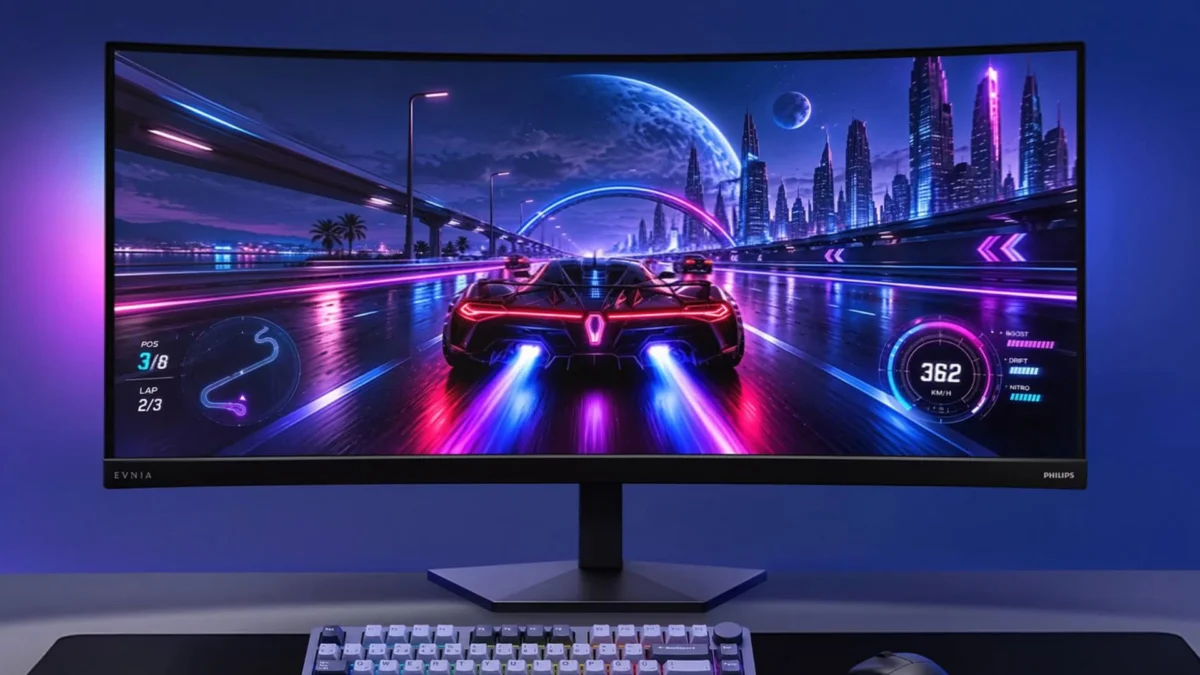
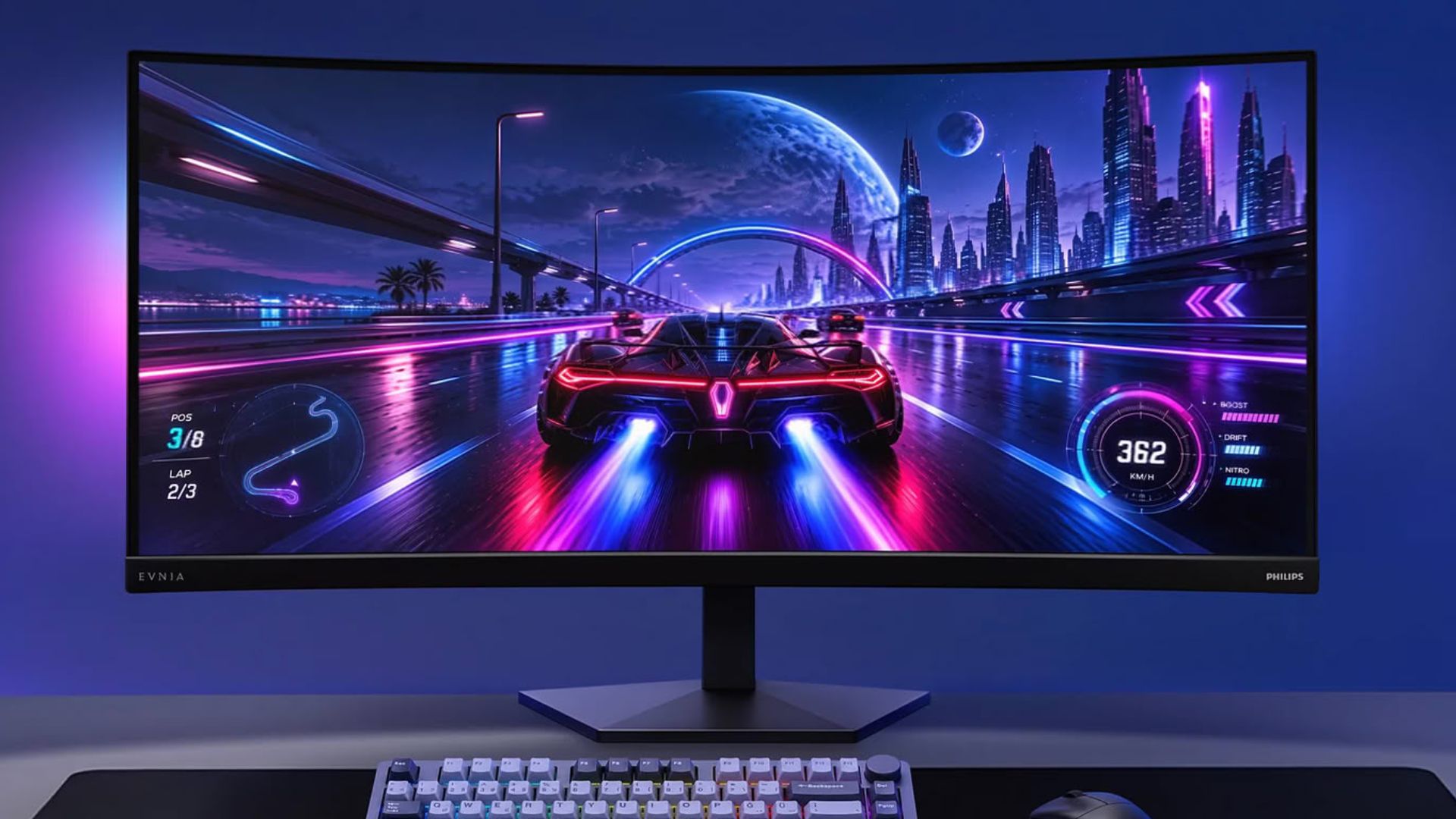
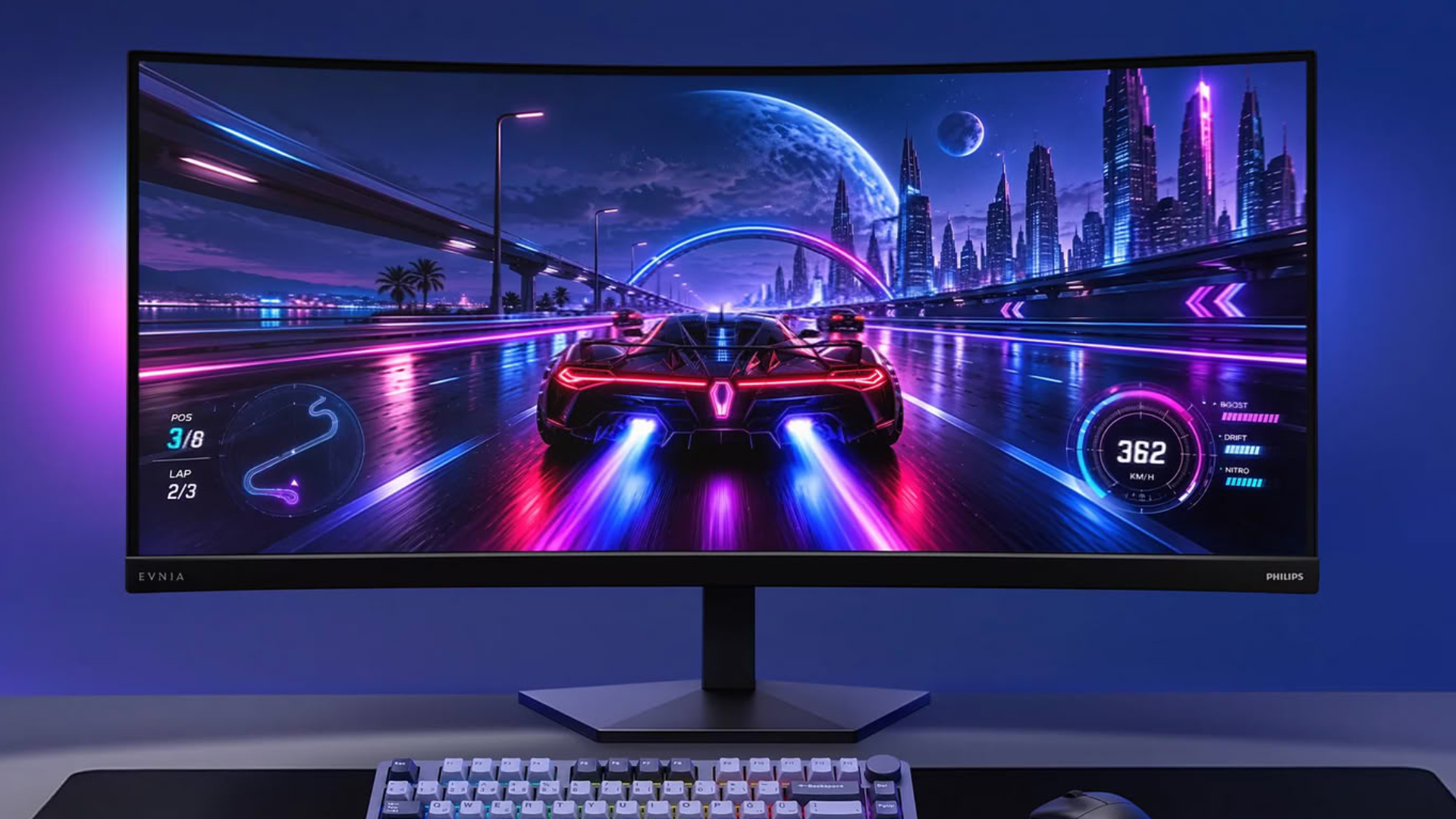
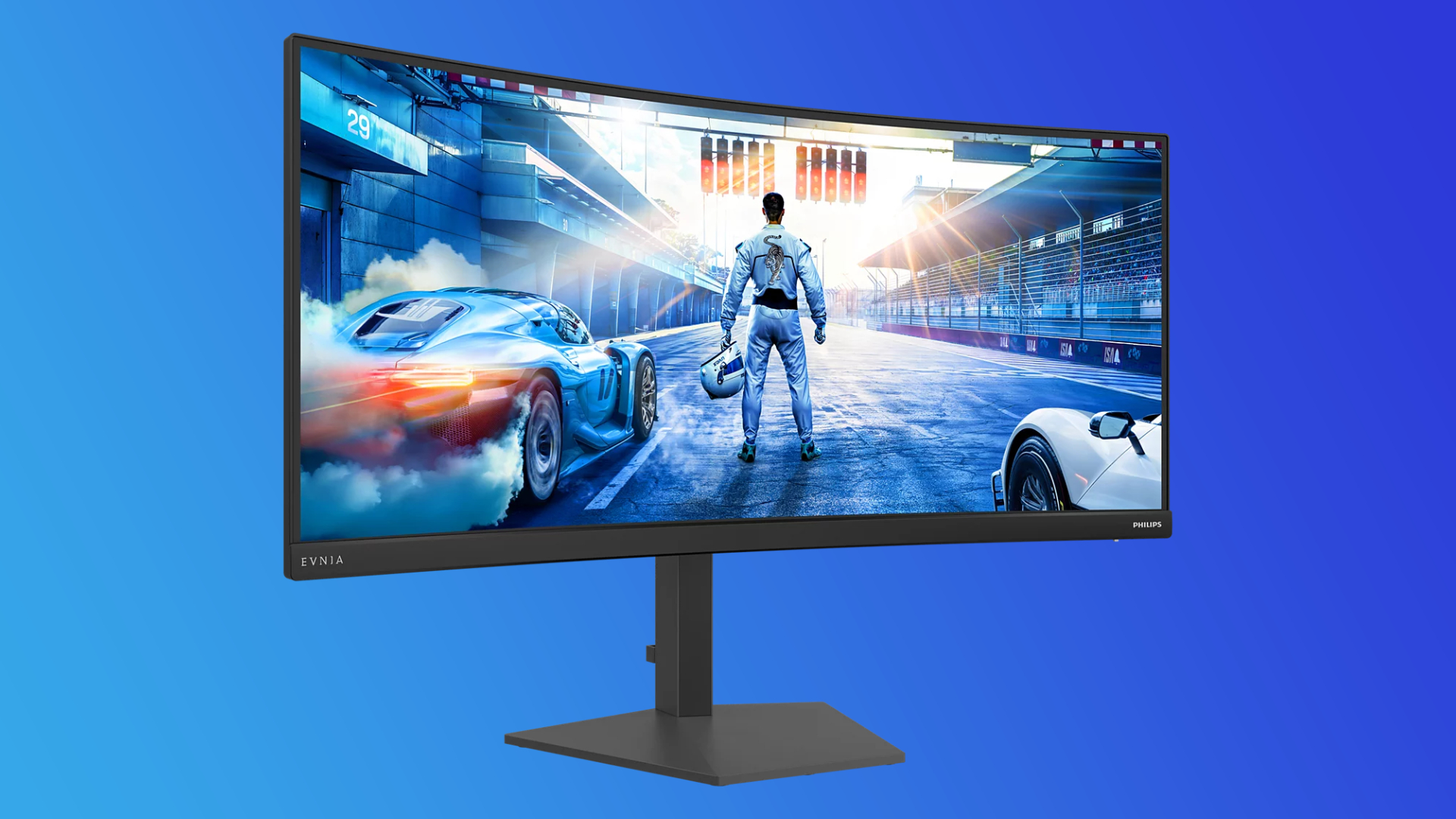
Amidst this turbulent landscape, a breath of fresh air has arrived from a familiar source. Philips has officially pulled back the curtain on its latest display hardware under the Evnia gaming sub-brand: the Philips Evnia 36M4C5500P. Heralded as the world’s first 36-inch gaming monitor to feature a blistering 260Hz refresh rate, this new ultrawide display seeks to bridge a glaring gap in the current monitor ecosystem. It offers immersive screen real estate and high-speed performance without demanding the exorbitant price tags typically attached to flagship enthusiast gear.
Main Facts: What We Know About the Philips Evnia 36M4C5500P
The Philips Evnia 36M4C5500P enters a crowded ultrawide market with a unique set of specifications designed to appeal to both casual immersion-seekers and competitive esports players.
- Display Size and Format: The monitor introduces an uncommon 36-inch form factor built upon an ultrawide canvas. It features a 1500R curvature, designed to wrap the image slightly around the user’s peripheral vision for enhanced immersion.
- Resolution: It delivers a crisp 3440 x 1440 resolution (UWQHD), striking an optimal balance between visual fidelity and manageable GPU rendering loads.
- Refresh Rate: Boasting a native and overclockable refresh rate of up to 260Hz, it positions itself firmly as a high-speed display capable of handling fast-paced competitive shooters as well as sweeping open-world RPGs.
- Panel Technology: The monitor relies on a Fast VA (Vertical Alignment) panel, offering deep contrast levels alongside rapid pixel response times traditionally associated with IPS alternatives.
- Connectivity and Features: Connectivity options include dual HDMI 2.1 ports and DisplayPort 1.4 inputs, ensuring broad compatibility with modern PCs and current-generation consoles. The unit also carries a VESA DisplayHDR 400 certification and sits on a fully adjustable, tilting stand.
Chronology of the Announcement
The rollout of the Evnia 36M4C5500P follows a strategic product development pipeline by Philips to capture market share in the fast-growing ultrawide segment.
- Early Development and Panel Sourcing: Panel manufacturers began experimenting with intermediate diagonal sizes to address feedback that standard 34-inch displays were becoming restrictive, while 38-to-40-inch models proved overly dominant on standard-sized computer desks. Philips identified the 36-inch sweet spot as the ideal middle ground.
- Regional Product Registrations: Regulatory filings and regional product pages surfaced quietly in select overseas markets, hinting at an imminent global rollout for the Evnia display line.
- Official Global Unveiling: Philips officially announced the Evnia 36M4C5500P via press releases across Asia-Pacific and western technology channels, marketing it as a world-first milestone combining a 36-inch diagonal with a 260Hz refresh rate.
- Current Status: While technical specifications, feature sets, and regional product pages are live on official channels, pricing and exact retail release dates remain unconfirmed as of press time, leaving consumers in anticipation.
Supporting Data and Technical Breakdown
To fully understand where the Philips Evnia 36M4C5500P fits into the current monitor market, one must evaluate its physical dimensions, panel characteristics, and supplementary feature sets.
Sizing the Gap: Why 36 Inches Matters
For years, ultrawide gaming monitors have largely been polarized into two primary categories:
- The 34-inch standard: Highly popular, affordable, and easy to fit on most desks, but occasionally feeling constrained in vertical height.
- The 38-inch to 49-inch behemoths: Incredible for productivity and immersion, but notorious for requiring deep desks, specialized monitor arms, and substantial financial investment.
By introducing a 36-inch footprint, Philips has carved out a distinct niche. It offers noticeably more screen area than a 34-inch panel without demanding the desk-dominating footprint of ultra-massive super-ultrawide displays.
Panel Performance and HDR Capabilities
The choice of a Fast VA panel is central to the monitor’s identity. While OLED technology continues to dominate high-end enthusiast discussions—and IPS panels remain the standard for color-critical work—VA panels excel at producing deep, inky black levels and high static contrast ratios. This makes them exceptionally well-suited for gaming in dimly lit environments.
Coupled with a 3440 x 1440 resolution, the pixel density remains sharp enough for crisp text rendering and detailed game environments. However, users should note that the DisplayHDR 400 certification represents an entry-level HDR tier. While it enables basic high dynamic range signaling, true HDR enthusiasts looking for blinding peak brightness and advanced local dimming zones will likely need to look toward more expensive Mini-LED or OLED alternatives.
The Inevitable AI Integration
No modern hardware product launch would be complete without a nod to artificial intelligence, and Philips has duly equipped the Evnia 36M4C5500P with several software-driven enhancements. Marketing materials highlight "AI-enhanced gaming features," including:
- Shadow Boost: Dynamically adjusts dark areas of the game map to expose hidden enemies without blowing out bright highlights.
- Smart Crosshair: Provides customizable on-screen reticles.
- Smart Sniper: Offers target magnification aids in specific game genres.
- Smart MBR (Motion Blur Reduction) Sync: Optimizes clarity during high-speed motion.
While seasoned gamers often toggle these vendor-specific overlays off in favor of native game settings, their inclusion highlights the industry’s ongoing push to market smart, adaptive hardware features directly to competitive players.
Official Responses and Industry Context
Industry analysts have observed a notable shift in consumer behavior regarding PC displays. While components such as high-density RAM, enterprise-grade storage drives, and bleeding-edge graphics cards have experienced significant price volatility driven by broader technological shifts—particularly the explosive demand for AI infrastructure—the peripheral and monitor markets have remained remarkably competitive.
Display manufacturers are responding by lowering entry barriers for high-refresh-rate technology. By opting for a refined Fast VA panel rather than unproven or cost-prohibitive experimental panel types, Philips appears to have targeted a sweet spot between raw performance and manufacturing cost.
Although Philips has not yet released official MSRP figures, retail monitors with comparable specifications generally target the mid-range segment. Industry insiders speculate that the pricing strategy will be aggressive enough to tempt budget-conscious upgraders who have felt priced out of the OLED and high-end Mini-LED markets.
Implications for Gamers and the Monitor Market
The launch of the Philips Evnia 36M4C5500P carries several key implications for the PC hardware ecosystem:
- New Standard for Intermediate Ultrawides: If the 36-inch form factor proves popular with consumers, competing monitor brands are likely to follow suit, expanding choices in the currently underserved gap between 34 and 38 inches.
- Mainstreaming High Refresh Rates in Ultrawides: Achieving 260Hz on an ultrawide resolution demonstrates that panel manufacturers are successfully scaling high-speed refresh rates past the traditional 144Hz and 165Hz ceilings without sacrificing color depth or response times.
- A Welcome Reprieve for Budget-Conscious Builders: For consumers fatigued by continuous price hikes in core computing components, the steady downward pressure on monitor pricing provides a rare opportunity to overhaul a desktop setup without breaking the bank.
As the industry awaits finalized pricing and retail availability, the Philips Evnia 36M4C5500P stands out as a compelling option—a thoughtfully designed piece of hardware focused squarely on delivering an enjoyable gaming experience.

