

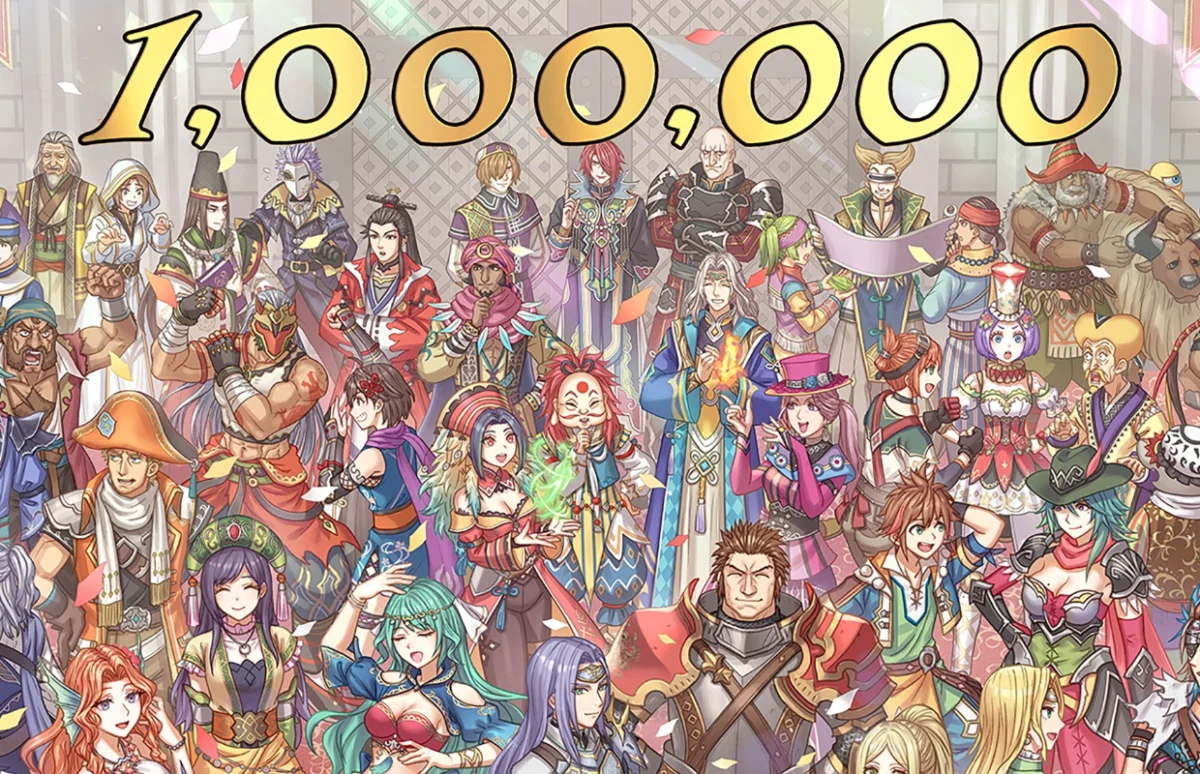
In an impressive demonstration of enduring love for classic Japanese role-playing games, Square Enix has officially announced that Romancing SaGa 2: Revenge of the Seven has surpassed one million units sold worldwide. Combining physical shipments and digital storefront sales across multiple platforms, this sales milestone represents far more than just a successful commercial launch. It marks a monumental turning point for the SaGa franchise, as it is the first mainline title in the series to cross the coveted one-million-unit threshold in nearly three decades—a feat not accomplished since the release of SaGa Frontier 29 years ago.
This modern reimagining of the 1993 Super Famicom classic has captured the hearts of both nostalgic veterans and a brand-new generation of RPG enthusiasts. Available globally across a wide array of hardware—including PlayStation 5, PlayStation 4, Xbox Series X|S, Nintendo Switch, PC via Steam and the Xbox app, alongside a dedicated Nintendo Switch 2 Edition—Revenge of the Seven has positioned itself as one of the standout role-playing game experiences of its release window.
Main Facts
The core announcement delivered by Square Enix highlights several remarkable achievements regarding the commercial performance and platform availability of Romancing SaGa 2: Revenge of the Seven:
- The One-Million Milestone: Global shipments and digital downloads combined have officially pushed the game past the one-million-unit mark.
- A 29-Year Drought Broken: This is the first time a SaGa property has achieved one million sales since SaGa Frontier launched 29 years ago, signaling a massive revitalization for a franchise historically considered a cult classic compared to its sibling series, Final Fantasy and Dragon Quest.
- Multiplatform Accessibility: The title enjoys a broad multiplatform footprint, launching simultaneously on PlayStation 5, PlayStation 4, Xbox Series X|S, Nintendo Switch, PC (Steam and Xbox for PC), and the newly introduced Nintendo Switch 2 Edition.
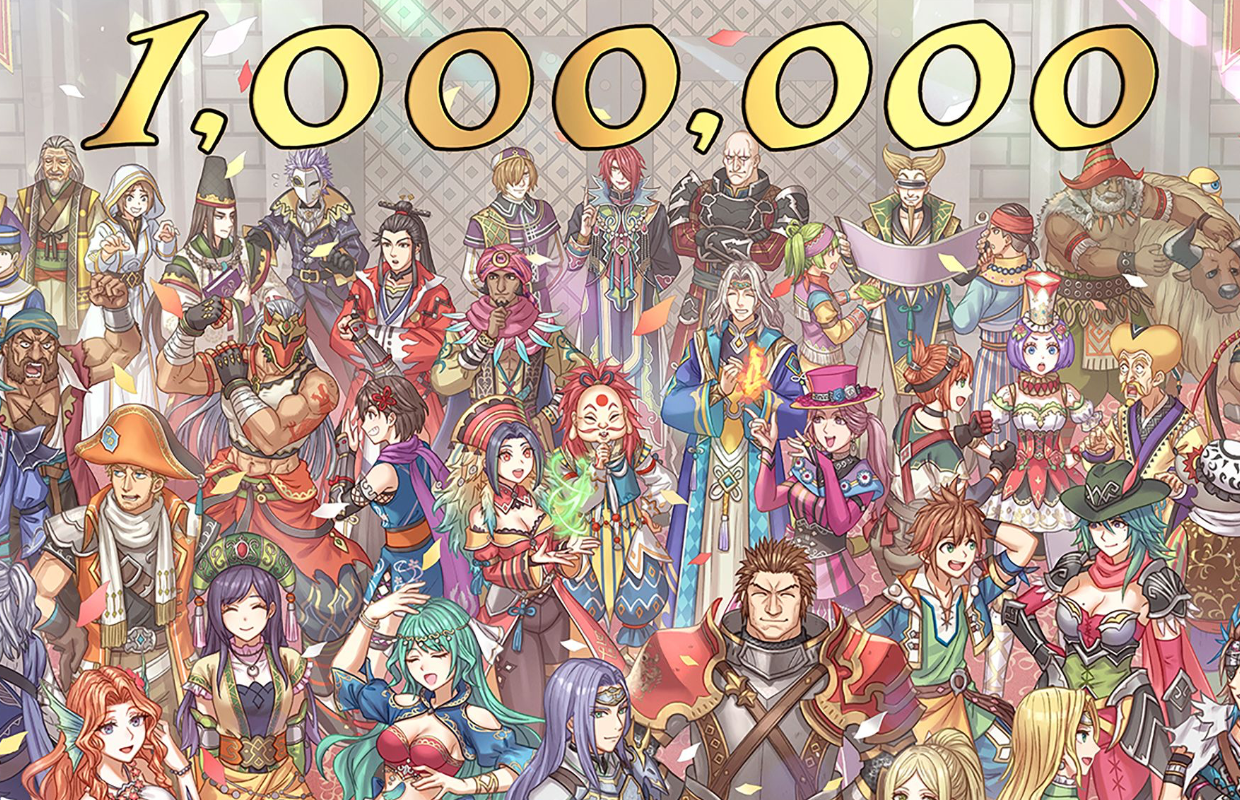
- Commemorative Artwork: To celebrate the occasion, Square Enix released official celebratory artwork crafted by series illustrator Yoshiro Ambe, paired with a heartfelt public message expressing gratitude to the global community of players.
Chronology of a Classic: From 1993 Super Famicom to Modern Remake
To truly understand the magnitude of Romancing SaGa 2: Revenge of the Seven‘s success, it is vital to trace the historical timeline of the SaGa series and the development path that led to this modern masterpiece.
The Origins: 1993–1999
The original Romancing SaGa 2 debuted in Japan in December 1993 on the Super Famicom. Developed under the visionary direction of Akitoshi Kawazu, the game dared to deviate from traditional linear JRPG tropes. Instead of following a single protagonist from youth to triumph, players assumed the mantle of the emperors and empresses of the Varennes Empire. Over centuries, generations of rulers would pass down their knowledge, spells, and responsibilities to their successors in a generational struggle against the Seven Heroes—former saviors turned corrupted antagonists.
While the original title earned critical acclaim for its unique "Free Scenario" system, innovative mechanics like glimmers (sparking new skills mid-battle), and permanent character death (or imperial succession), it never received an official Western localization during its original 16-bit era. Subsequent entries, such as SaGa Frontier (1997) and SaGa Frontier 2 (1999), found varying degrees of international success, with SaGa Frontier famously standing as the last entry in the franchise to hit the elusive one-million-sales milestone before the series settled into a more niche, dedicated following.
The Remaster Era: 2016–2024
As digital distribution grew and Square Enix looked back into its rich catalog of intellectual properties, the company began testing the waters for a SaGa revival. In 2016, a modernized port of the original Romancing SaGa 2 was released globally for mobile devices, later expanding to PlayStation Vita, PlayStation 4, Nintendo Switch, and PC. This release introduced updated graphics, new character classes, and original dungeons, proving that modern audiences were hungry for Kawazu’s uncompromising design philosophies.
Buoyed by the warm reception of these remasters and the 2019 release of SaGa Scarlet Grace: Ambitions, Square Enix greenlit a full-scale, three-dimensional remake of Romancing SaGa 2. Headed by veteran developers within the company, Revenge of the Seven was designed to completely overhaul the 1993 experience while preserving its hardcore tactical depth, branching narratives, and generational mechanics.
The Global Launch and Switch 2 Integration
Released to widespread critical praise, Romancing SaGa 2: Revenge of the Seven successfully modernized the classic formula by translating its pixelated sprites into fully realized 3D environments, implementing a refined tactical combat system, and adding quality-of-life adjustments that made the challenging gameplay loop accessible to newcomers without alienating purists. Furthermore, day-one availability across virtually all major modern platforms—including an optimized version for the Nintendo Switch 2—ensured that players regardless of ecosystem could experience the epic multi-generational saga.
Supporting Data and Market Performance
The achievement of selling over one million units is significant within the broader context of the Japanese role-playing game market, particularly for a franchise that has historically catered to a hardcore demographic.
| Metric / Detail | Description | |
|---|---|---|
| Total Sales | 1+ million units worldwide (digital + physical shipments) | |
| Historical Precedent | First SaGa title to reach 1 million since SaGa Frontier (29 years ago) | |
| Platforms Supported | PlayStation 5, PlayStation 4, Xbox Series X | S, Nintendo Switch, PC (Steam, Xbox App), Nintendo Switch 2 Edition |
| Key Creative Talent | Character artwork by Yoshiro Ambe; overseen by series creator Akitoshi Kawazu |
When compared to massive blockbuster franchises that regularly target multi-million sales figures in their opening weeks, the SaGa series has traditionally occupied a different space—one defined by passionate, cult-like devotion, complex mechanics, and uncompromising artistic direction. For Revenge of the Seven to shatter the one-million barrier indicates that Square Enix’s recent strategy of treating its mid-tier and classic catalog properties with high-budget production values is paying off exponentially.
Market analysts note that the game’s multiplatform release strategy played a pivotal role in hitting this milestone. By refusing to tie the game to a single console ecosystem, Square Enix captured audiences across Sony, Microsoft, Nintendo, and PC platforms simultaneously. Additionally, the inclusion of the Nintendo Switch 2 Edition allowed early adopters of Nintendo’s next-generation hardware to experience a polished, high-performance version of the game right out of the gate.
Official Responses and Creative Celebration
Following the milestone announcement, Square Enix shared official statements and celebratory artwork to honor the momentous occasion. The company released a specialized piece of promotional art illustrated by Yoshiro Ambe, showcasing the game’s iconic imperial lineage and characters in stunning detail.
Accompanying the artwork was a message of profound gratitude from the development team:
"A huge thank you to everyone for supporting Romancing SaGa 2: Revenge of the Seven, which has surpassed one million units shipped and digitally sold worldwide! Artwork by Yoshiro Ambe. This is the first title in the series to achieve this since SaGa Frontier, 29 years ago!"
Industry figures and long-time fans took to social media platforms like X (formerly Twitter) to celebrate the news. Series creator Akitoshi Kawazu and the development staff received an outpouring of congratulatory messages from the global JRPG community, many of whom praised Square Enix for investing in a remake that honors the original game’s tactical difficulty while delivering modern visual fidelity and orchestral rearrangements of Kenji Ito’s legendary musical score.
Industry Implications and the Future of the SaGa Franchise
The commercial and critical triumph of Romancing SaGa 2: Revenge of the Seven carries profound implications for Square Enix, the SaGa franchise, and the broader JRPG landscape.
1. Validation of the Remake-with-Reverence Strategy
For years, publishers debated whether classic, niche titles deserved full 3D remakes or simpler, low-cost HD-2D treatments. While HD-2D titles like Octopath Traveler and Live A Live have proven immensely successful, Revenge of the Seven demonstrates that full-scale 3D overhauls of complex, retro titles can achieve mainstream commercial viability when executed with care and deep respect for the source material. This success may encourage Square Enix to look further into its vault for other overlooked or regional-exclusive classics.
2. A New Golden Age for the SaGa IP
Hitting the one-million milestone for the first time in 29 years fundamentally changes the commercial standing of the SaGa series. No longer viewed strictly as a niche offshoot of Square Enix’s catalog, the franchise has proven it can command a global audience. This renewed momentum creates fertile ground for future entries, whether Square Enix decides to develop entirely new mainline entries in the spirit of SaGa or pursue additional remakes of fan-favorite titles like Romancing SaGa 3 or Unlimited SaGa.
3. Multiplatform Momentum
The strong sales figures across PlayStation, Xbox, Nintendo Switch, and PC reaffirm the industry-wide shift toward platform-agnostic releases. By ensuring that players on every major ecosystem could access Revenge of the Seven, Square Enix maximized its market penetration. The inclusion of the Nintendo Switch 2 Edition further highlights how crucial day-and-date support for transitional hardware has become for modern publishers.
Looking Ahead
As Romancing SaGa 2: Revenge of the Seven continues to find new players across the globe, its legacy is already secure. It stands not only as a masterclass in how to modernize a classic role-playing game, but also as a triumphant validation of Akitoshi Kawazu’s visionary game design. For fans of deep tactical combat, branching narratives, and unforgettable musical scores, the empire of Varennes has left an indelible mark on modern gaming—and the future of the SaGa franchise has never looked brighter.

