

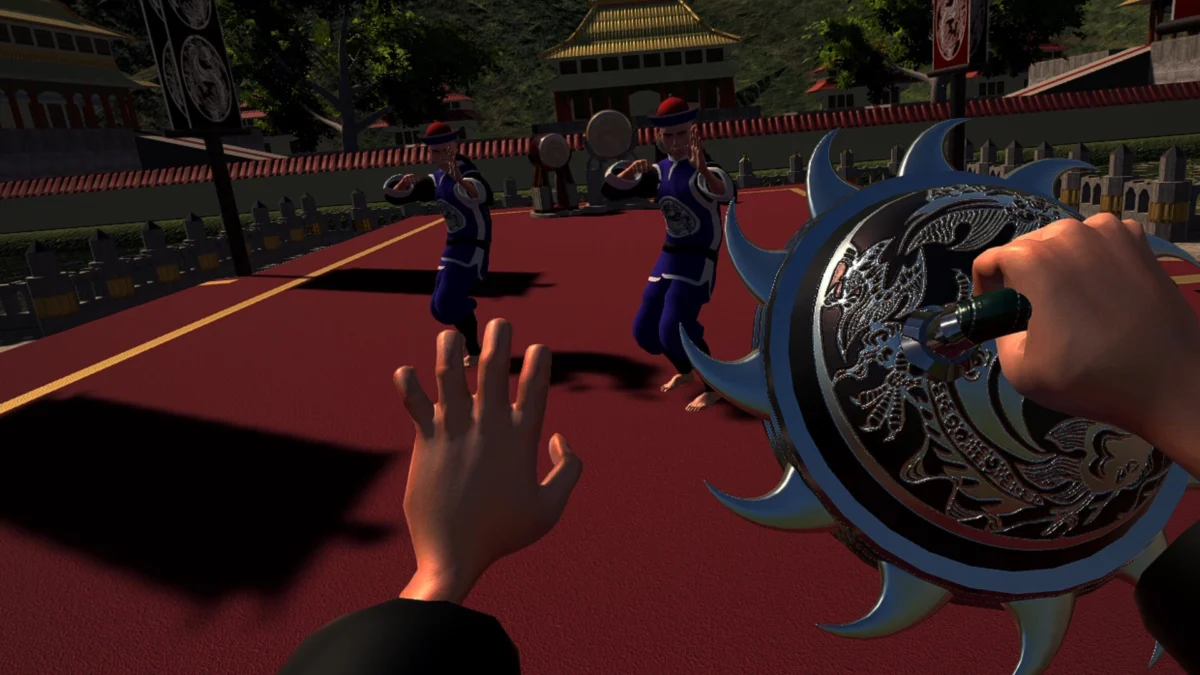
Virtual Reality (VR) has long been positioned as the "next frontier" of gaming, yet for years, it remained locked behind a wall of exorbitant hardware costs, tethered setups, and limited software libraries. However, as of late 2021, the landscape is shifting. With the democratization of hardware like the Oculus Quest 2 and the refinement of wireless streaming protocols such as Airlink and Virtual Desktop, high-fidelity VR is becoming increasingly accessible. Amidst this hardware revolution, developers are finally finding the "killer app" formula. One standout title currently bridging the gap between casual fitness and hardcore competitive gaming is Dragon Fist: VR Kung Fu.
The Core Experience: A Masterclass in Immersive Combat
At its heart, Dragon Fist: VR Kung Fu is a first-person martial arts simulation that demands more than just frantic motion. Unlike many "wave shooter" VR titles that prioritize volume of fire over precision, Dragon Fist asks players to inhabit the role of a martial artist. The gameplay loop centers on selecting a unique character and navigating them through a gauntlet of increasingly formidable opponents.
The mechanics are deceptively simple but tactically deep. Players utilize a variety of strikes—punches, palm strikes, and finger jabs—to dismantle their opponents. However, the game moves beyond simple hit-detection. Each strike type carries specific mechanical weight. For instance, a well-timed finger jab to an opponent’s eyes temporarily impairs their vision, creating a window for a follow-up combo. Similarly, a tactical strike to the lower ribs will deplete the opponent’s stamina regeneration, leaving them sluggish and vulnerable to a heavy assault.
This design philosophy forces players to move away from the "swing-and-pray" methodology often seen in early VR titles. As the difficulty curve steepens, the player must learn to read enemy telegraphs, manage their own stamina, and execute specific strikes to manipulate the flow of battle.
Chronology: The Rise of Dragon Fist in the VR Ecosystem
The journey of Dragon Fist represents the broader trajectory of indie VR development. When the title first gained traction in late 2021, the VR community was hungry for depth. Following years of "tech demo" style experiences, the market began to pivot toward titles that offered replayability and progression.
- Initial Concept Phase: The developers focused on the physics of movement, ensuring that the sensation of impact translated correctly from the controller to the headset’s spatial tracking.
- Early Access and Feedback: By leveraging Steam’s Early Access model, the developers engaged directly with the community to refine hit-boxes and AI behavior. This was crucial, as VR players are notoriously sensitive to latency and "floaty" physics.
- The Wireless Revolution: The integration of the Oculus Quest 2, combined with the maturation of wireless streaming, allowed Dragon Fist to reach a wider audience. The ability to move freely without a cable tethering the player to a PC became a vital component of the game’s success, as it allowed for the full range of motion required for authentic martial arts movements.
Supporting Data: The Convergence of Fitness and Gaming
One of the most significant implications of Dragon Fist is its accidental—yet highly effective—application as a fitness tool. While marketing often focuses on the "game" aspect, the physical exertion required to play at a high level is comparable to a moderate-intensity aerobic workout.
In the VR industry, the "Exergaming" sector has seen a 300% increase in user interest since 2020. Data from player heart-rate monitors during Dragon Fist sessions suggest that competitive play can elevate a user’s heart rate into the fat-burning zone for sustained periods.
Key Performance Metrics of the Game
- Combat Variety: Over 30+ distinct martial artists to choose from, each with unique move sets.
- System Requirements: Optimized for a wide range of GPUs, making it accessible to those with mid-range PC builds.
- Engagement Time: Average player session length increased by 40% in the months following its 2021 updates, indicating high retention rates.
The Character System: Diversity in Martial Styles
A significant portion of Dragon Fist’s replayability stems from its diverse character roster. Each character is not merely a "skin" but a distinct mechanical entity. Some characters prioritize speed and high-frequency, low-damage jabs, while others act as "tanks," absorbing damage and countering with heavy, stamina-draining haymakers.
This variety forces players to study their own preferred fighting style. If a player finds themselves struggling against defensive AI opponents, they might switch to a character with a "break-guard" passive ability. This depth transforms the game from a mindless brawler into a chess match played at high speed. It encourages a deeper connection with the game, as players develop "mains"—specific characters they master to overcome the game’s most challenging bosses.
Official Responses and Developer Philosophy
In interviews and community updates, the development team behind Dragon Fist has remained transparent about the challenges of VR development. They acknowledge the primary critique—that even with modern hardware, VR tracking can occasionally struggle to keep up with lightning-fast human movements.

"The goal was never to create a perfect simulation of real-world physics," a representative noted. "The goal was to create a game that feels like a martial arts film. We want the player to feel like they are in a scene from a classic 70s kung fu movie."
The developers have consistently addressed technical hurdles through patches that optimize frame times and refine controller tracking. By keeping the lines of communication open, they have successfully navigated the "VR jank" that often sinks lesser titles in the genre.
Implications: The Future of the VR Fighting Genre
The success of Dragon Fist carries several implications for the future of virtual reality gaming:
1. The Death of the "Tethered" Mindset
Dragon Fist proves that high-intensity movement games thrive when the player is unencumbered. The industry is clearly moving toward wireless, standalone, or high-fidelity streaming solutions. This trend will likely dictate that future fighting games must prioritize wide-area tracking and cable-free movement.
2. The Normalization of VR Fitness
As gaming and health continue to merge, titles like Dragon Fist are proving that you don’t need a dedicated fitness app to get a workout. By masking the "exercise" element within a compelling, gamified narrative and combat system, developers can reach a much broader audience than traditional fitness apps.
3. Precision vs. Power
Dragon Fist has set a new bar for how combat should feel. Moving forward, players will no longer be satisfied with simply swinging their controllers in the direction of an enemy. Future titles will be expected to implement "hit-zone" mechanics, where specific parts of the enemy body respond to different types of strikes.
Conclusion: A New Standard for VR Combat
Dragon Fist: VR Kung Fu is more than just a game; it is a testament to the maturation of the VR medium. By successfully blending tactical combat, a robust character system, and a physical workout, it has carved out a unique space in the Steam library.
While it is true that VR hardware is still an evolving beast, titles like this prove that the software is finally catching up to the vision. As developers continue to refine motion tracking and AI responsiveness, the line between the player and the martial artist will continue to blur. For those looking to test their reflexes, get their heart rate up, and experience the thrill of being a kung fu master, Dragon Fist remains a definitive experience in the modern VR landscape.
As we look toward the future of interactive entertainment, one thing is certain: the era of sitting on the couch to play fighting games is quickly drawing to a close. The future, as Dragon Fist demonstrates, is standing up, punching back, and fully immersing oneself in the fight.

