

The landscape of video game adaptations has undergone a tectonic shift in recent years. Following the critical and commercial success of projects like Zack Cregger’s Resident Evil and a string of high-quality titles from Capcom—including Pragmata and Onimusha: The Way of the Sword—audiences have been conditioned to expect a new standard of excellence. However, the latest attempt to bring the legendary Street Fighter franchise to the multiplex proves that even the most seasoned studios are not immune to stumbling. Directed by Kitao Sakurai, the new Street Fighter feature arrives in theaters on October 16, but rather than a triumphant celebration of the source material, it serves as a cautionary tale about the perils of overstuffed, hyper-edited storytelling.
Main Facts: A Franchise Strained by Excess
At its core, the film is an ambitious, albeit disorganized, attempt to consolidate decades of lore into a 119-minute runtime. The narrative centers on a roster so bloated that none of the four primary protagonists—Ken Masters, Ryu, Chun-Li, and Dan Hibiki—are afforded the screen time necessary to develop a meaningful emotional arc.
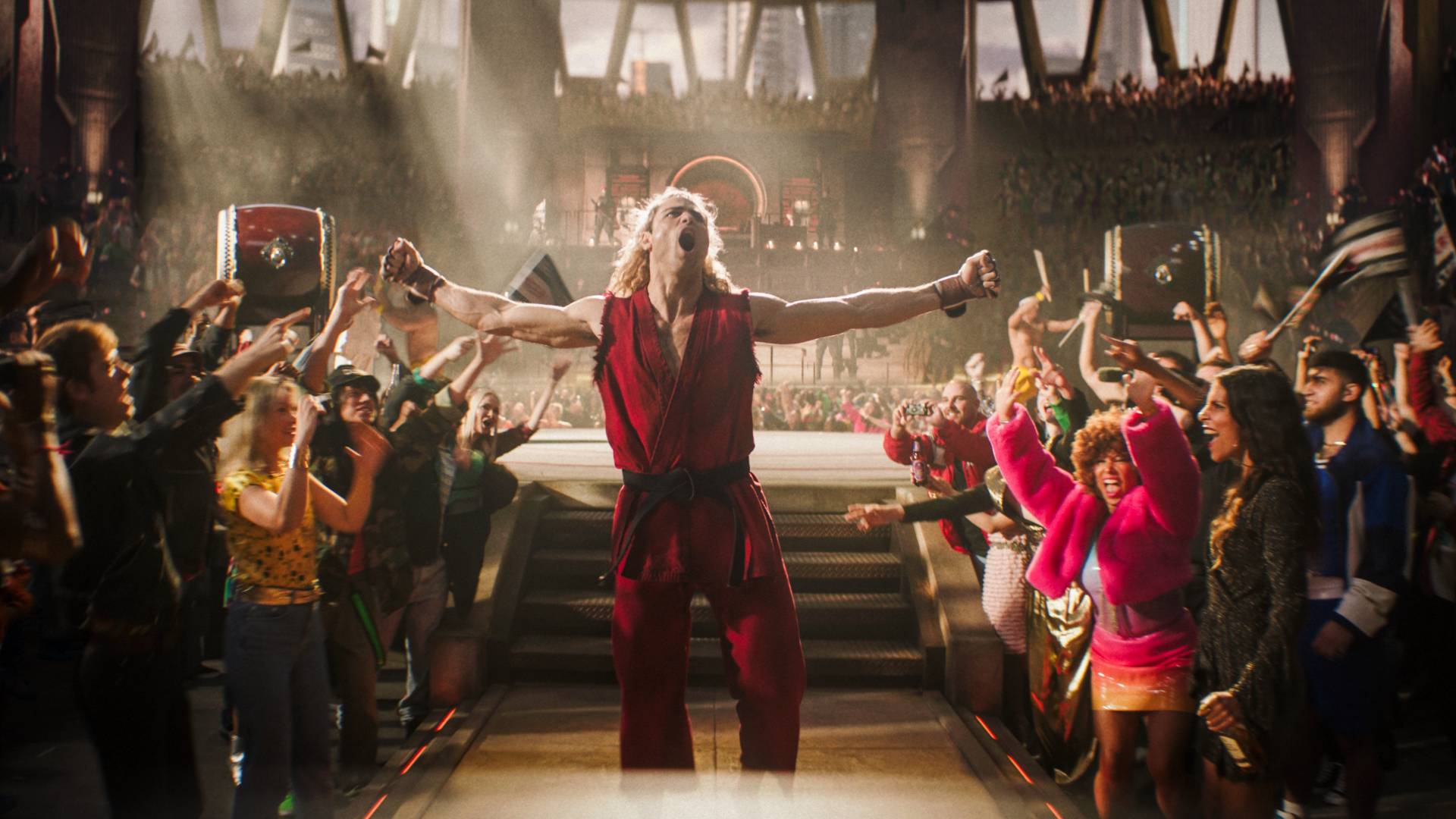
The film introduces us to a world where Ken Masters (played by Noah Centineo) has fallen from grace. Once a celebrated fighter, he is now reduced to filming commercials for Duracell and engaging in humiliating novelty matches against polar bears. His only solace is singing karaoke alone to the 4 Non Blondes track "What’s Up?"—a melancholic nod to his missing brother-in-arms, Ryu.
Conversely, Ryu (Andrew Koji) is a shadow of his former self. Haunted by his failure to protect his master, Gouken, from the malevolent Akuma, he has abandoned his signature hadoukens to live in anonymity, selling noodles to tourists. His internal struggle with a dark, possessing force is teased, but rarely explored with the depth such a heavy subject requires.
Chronology of the Conflict
The film’s plot kicks into gear when M. Bison (played with high-camp, unhinged energy by David Dastmalchian) announces a second World Warrior tournament. The objective is transparent: to lure Ryu out of hiding and seize his "hado" powers. To orchestrate this, Bison recruits Chun-Li, who is ostensibly his minion but secretly operates as an undercover Interpol agent.
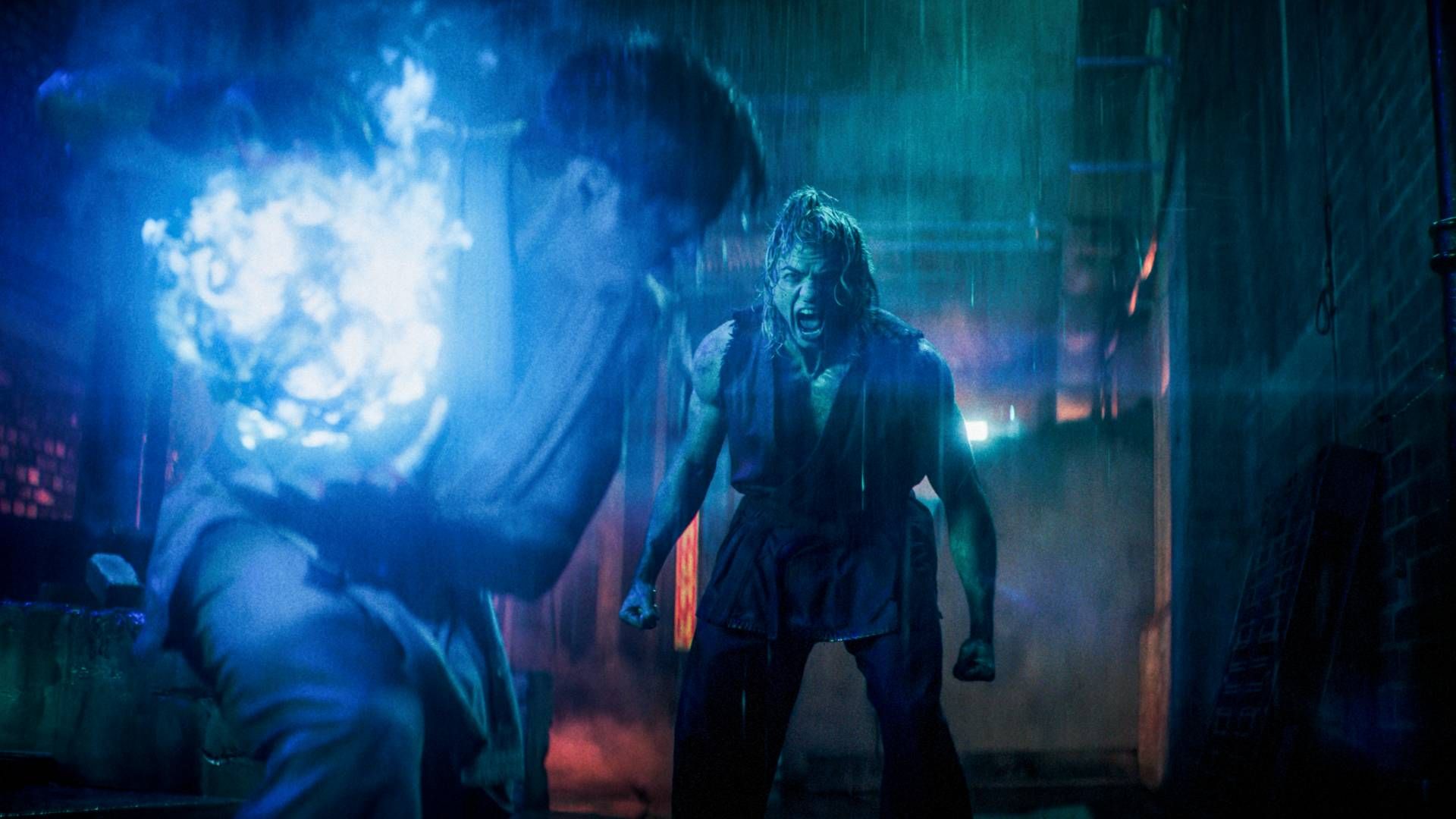
The film’s pacing is relentless, mimicking the rapid-fire aesthetic of a TikTok feed. This directorial choice, intended to keep the momentum high, effectively suffocates the narrative. Key plot beats are rushed, and emotional connections are discarded in favor of constant, jarring needle-drops.
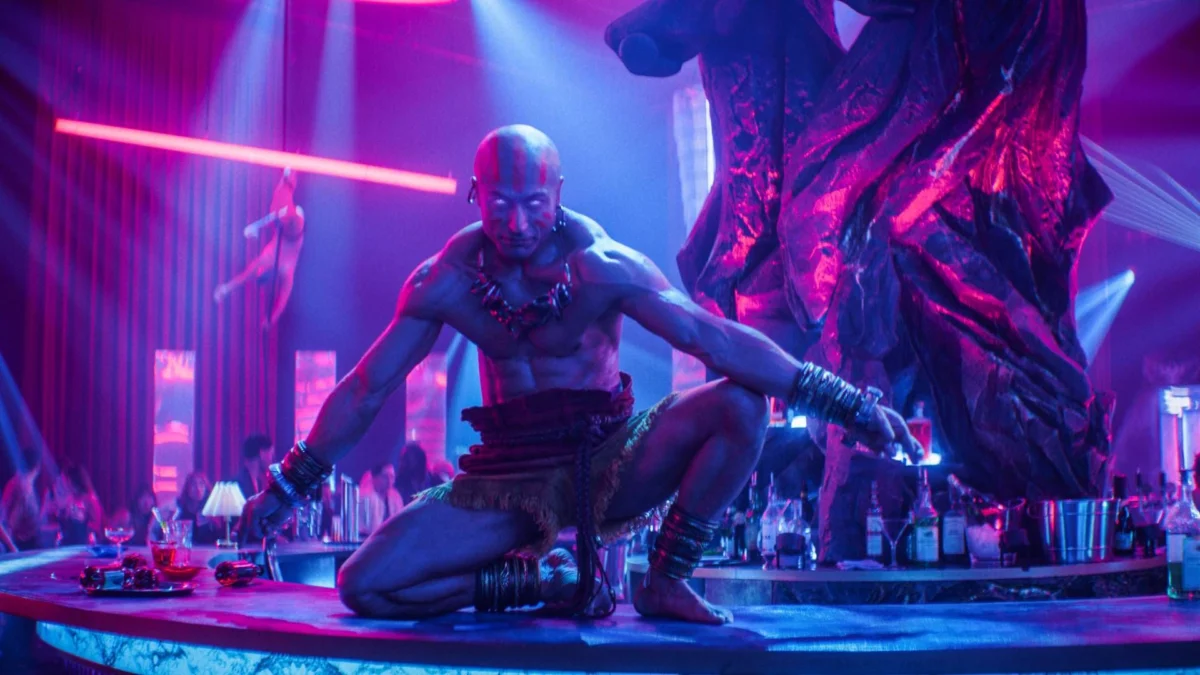
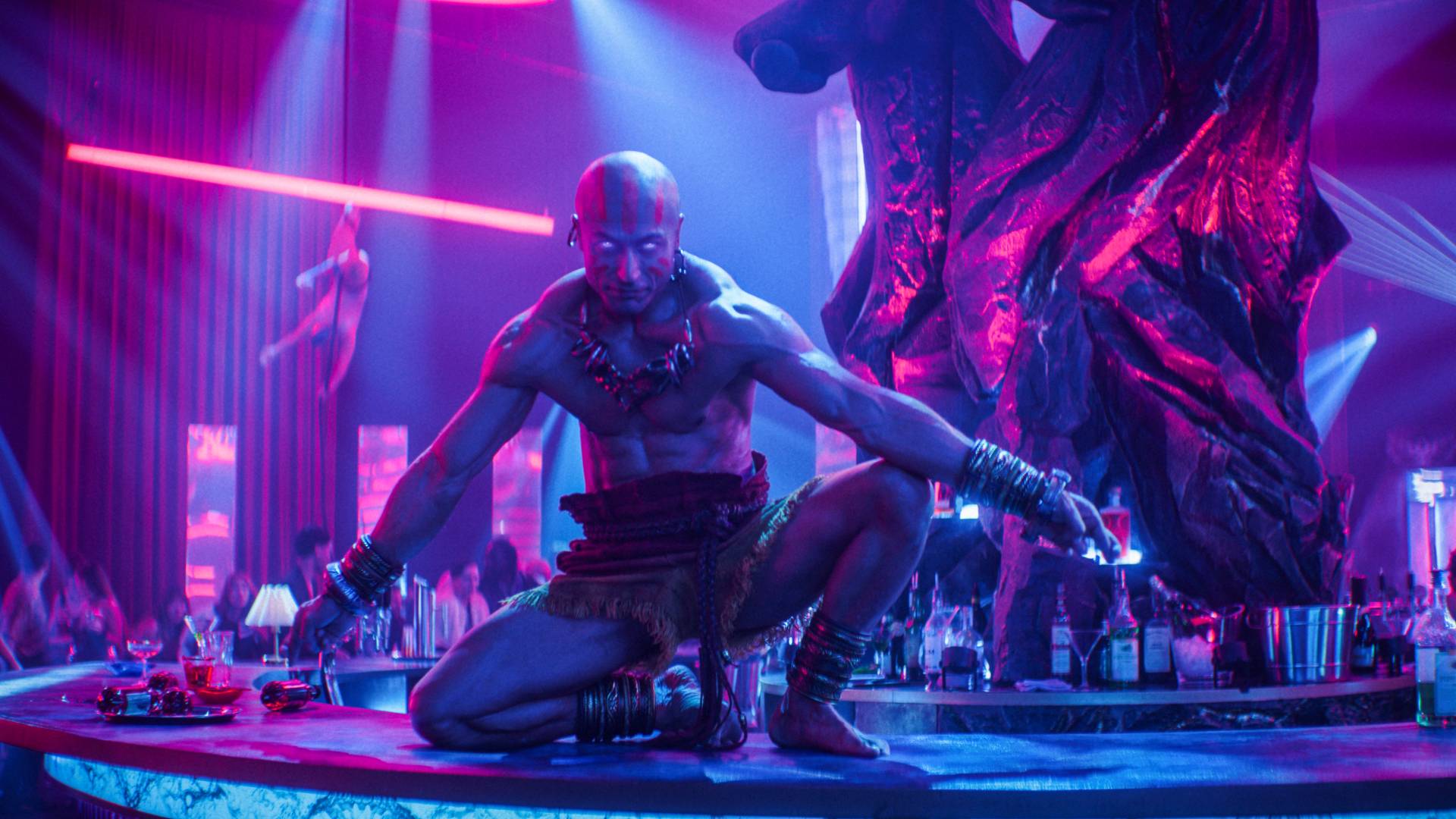
The tournament itself features a parade of fan-favorite characters, including Cody Rhodes as Guile, 50 Cent as Balrog, and Jason Momoa as a green-skinned Blanka. However, their inclusion feels purely cosmetic—an attempt to tick boxes on a "character select" screen rather than provide integral contributions to the plot. By the time the film reaches its final act, it abruptly cuts to black, ending on a cliffhanger that feels less like a narrative choice and more like a failure to resolve the existing story.
Supporting Data and Technical Analysis
The film’s failure is perhaps most evident in its approach to action choreography. In an era defined by the visceral, long-take precision of John Wick or the bone-crunching impact of The Raid, Street Fighter opts for a reliance on wires and CGI. The result is a series of janky, floaty fight sequences that lack the weight or consequence of the games.
Because the film is squarely targeted at a PG-13 audience, the absence of blood or visceral impact renders the combat hollow. Where the recent Mortal Kombat films leaned into their own absurdity through gore, Street Fighter struggles to justify its heightened, cartoonish moves without a grounded aesthetic to support them.
Interestingly, the film finds its only genuine success in its animated sequences. These segments, which capture the gritty, serious tone of 1990s anime, are visually stunning and narratively focused. They suggest a version of the film that could have been a masterpiece, had the production leaned into animation entirely rather than trying to force a live-action spectacle out of a medium that thrives on exaggeration.
Furthermore, the humor—which frequently devolves into lowbrow, juvenile "dick jokes"—is tonally inconsistent with the dramatic stakes the film tries to establish. While director Kitao Sakurai is a capable master of slapstick, the juxtaposition of "cajone" jokes with the supposed tragedy of Ryu’s possession creates a jarring experience that leaves the audience with more of a headache than a sense of excitement.
Official Responses and Industry Context
While formal studio statements regarding the film’s reception have yet to be released, the industry buzz surrounding the release is palpable. Capcom, a company currently riding a wave of critical acclaim for its interactive titles, faces a potential public relations hurdle with this film.
The reliance on "sequel baiting"—ending the film mid-story—has drawn immediate criticism from early reviewers who argue that the studio prioritized building a cinematic universe over crafting a singular, competent product. In an era where audiences are increasingly discerning about IP adaptations, the strategy of relying on cameos and "cool" visuals rather than character-driven storytelling appears to be a miscalculation.
Implications for Future Adaptations
The failure of this Street Fighter reboot holds significant implications for the future of video game-to-film adaptations. Firstly, it highlights the danger of "fan-service-first" development. Including every popular character from a franchise does not equate to quality; it often leads to the dilution of the central narrative.
Secondly, it raises questions about the "TikTok-ification" of cinema. When a director prioritizes quick cuts and constant stimulation over scene-building, they risk alienating the audience by denying them the space to care about the characters. For a fighting game, the emotional weight of a rivalry is what makes the final bout satisfying; without that build-up, the punch is just a punch.
Finally, this film serves as a reminder that the bar for video game adaptations has been raised. Audiences are no longer satisfied with "good enough for a video game movie." We have seen that these stories can be elevated into prestige television and high-caliber cinema. When a project arrives that feels like a collection of clips rather than a cohesive journey, the audience is quick to notice the deficit.
In conclusion, Street Fighter is a missed opportunity. It is a film that spends so much time trying to be everything for everyone—incorporating high-camp villains, slapstick comedy, and heavy lore—that it forgets to be a good movie. It is an overstuffed, chaotic, and frustrating experience that leaves the viewer hoping for a rematch that hopefully, for the sake of the franchise, will be handled with significantly more care.
For those looking for a high-quality adaptation, the market remains full of options, but this particular entry is one that most viewers would be wise to skip in favor of revisiting the source material.

