

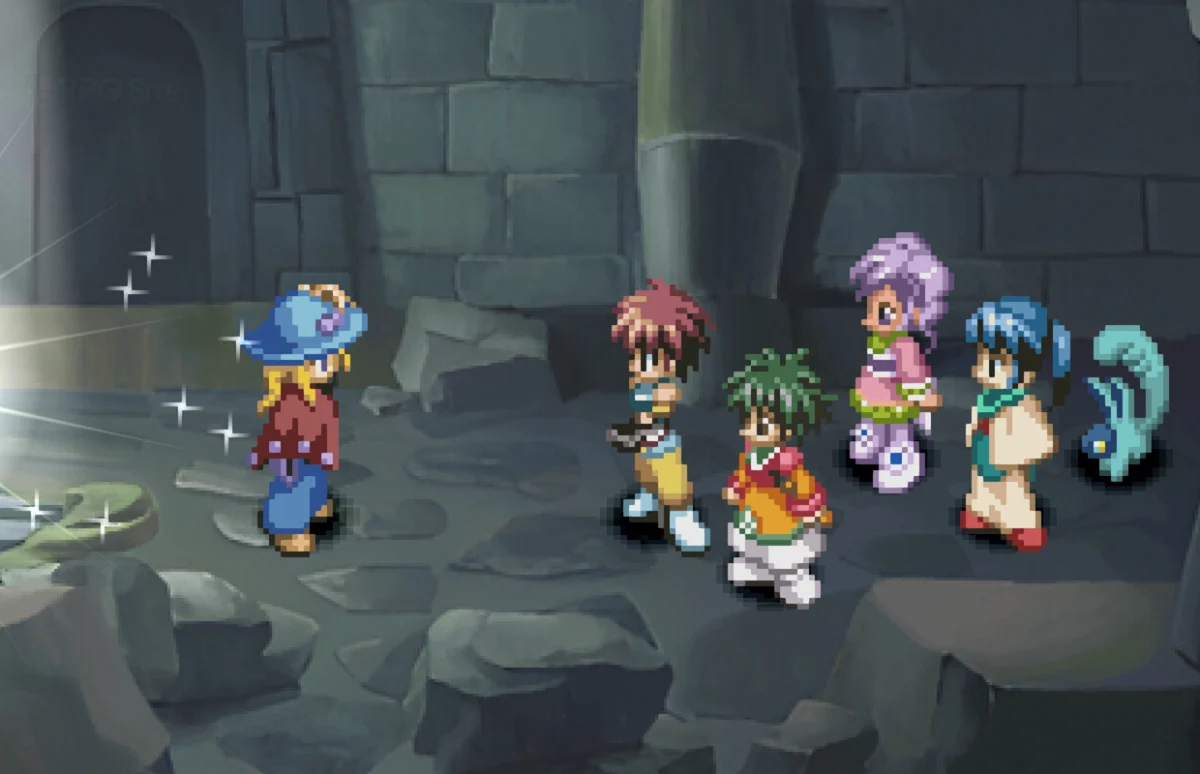
The release of Tales of Eternia Remastered marks another milestone for Bandai Namco’s beloved classic RPG franchise, arriving globally on PlayStation 5, PlayStation 4, Xbox Series X|S, Steam, and both the original Nintendo Switch and Nintendo Switch 2. Ahead of its official launch, extensive testing across multiple systems—including native handhelds, hybrid consoles, and high-end PC handhelds like the Steam Deck and ROG Ally—reveals a surprisingly robust port. However, the release is not without its technical caveats, ranging from awkward analog deadzones on Nintendo hardware to resolution scaling hurdles and jarring visual mode discrepancies.
For players trying to navigate whether to purchase the physical cartridge of the original Nintendo Switch release or opt for the native Switch 2 version (or even the Game Key Card editions prevalent in specific regions), a granular technical breakdown is essential. This report explores the core facts, chronological development of testing, supporting performance data, developer-adjacent insights, and the broader implications of how legacy JRPGs are treated on modern hardware.
Main Facts: What You Need to Know About Tales of Eternia Remastered
- Launch Lineup: Tales of Eternia Remastered launches on October 16 across PS5, PS4, Xbox Series X|S, PC (Steam), Nintendo Switch, and Nintendo Switch 2.
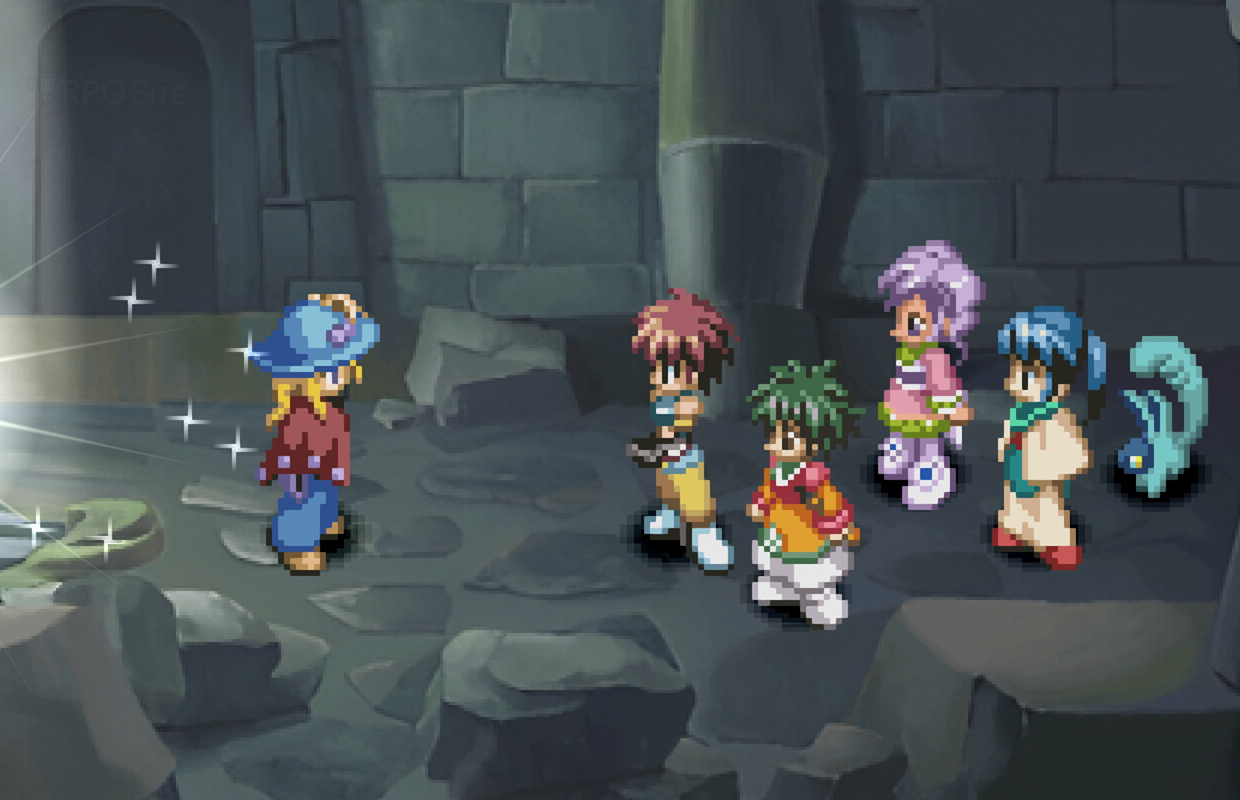
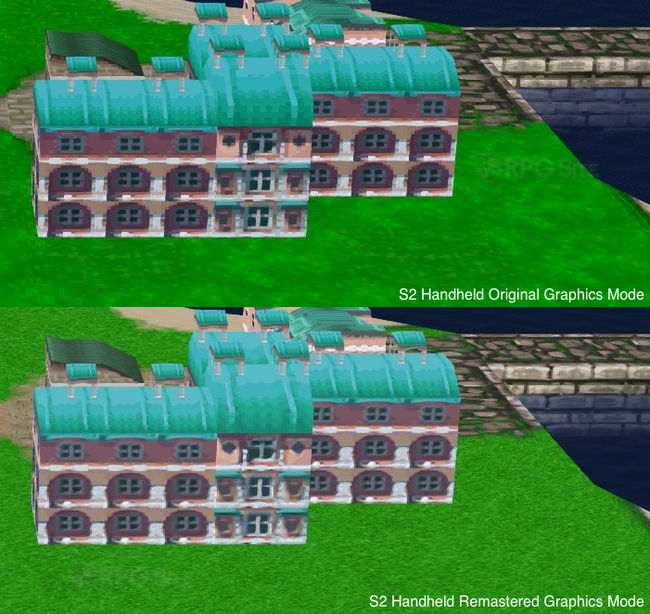
- Visual Modes: The game features two primary graphics modes: "Original" and "Remastered." The "Remastered" mode employs aggressive upscaling that affects sprites and backgrounds unevenly, leading many players and reviewers to recommend the cleaner, more uniform "Original" graphics preset.
- Platform Disparities: While PC, ROG Ally, and PS5 versions run smoothly out of the box, the Nintendo Switch versions suffer from a distinct analog stick movement bug that snaps characters unnaturally to cardinal directions, bypassing diagonal inputs.
- Switch 1 vs. Switch 2: The native Switch 2 version benefits from higher docked resolutions (cleaner scaling at 1440p and 4K), faster loading times, and unexpected features like mouse control support for certain mini-games. Meanwhile, the original Switch version exhibits minor stuttering and extended loading screens unless bolstered by Switch 2’s handheld boost mode.
Chronology of Testing and Hands-On Evaluation
Evaluating a multiplatform JRPG port of this scale requires a rigorous testing timeline. Over the course of several days leading up to launch, pre-release evaluation copies were put through their paces across various form factors to identify systemic bugs, performance drops, and hardware-specific quirks.
Phase 1: Handheld and PC Port Diagnostics (Days 1–2)
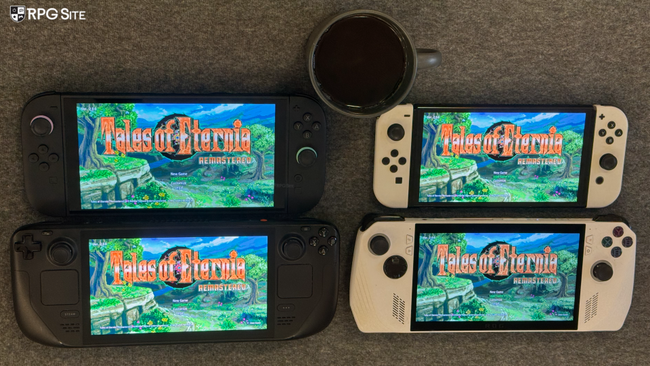
Testing began on PC storefronts via Steam, utilizing both the Steam Deck (LCD and OLED models) and the ASUS ROG Ally. On the ROG Ally, the game ran flawlessly out of the box without requiring manual configuration. On the Steam Deck LCD, standard settings yielded immediate, seamless gameplay. However, Steam Deck OLED users and players utilizing high-refresh-rate PC displays (such as 100Hz or 144Hz monitors) quickly encountered a critical movement quirk tied to the game’s strict 60 frames-per-second cap. Without manually capping display refresh rates to 60Hz or 120Hz, character movement felt jerky and desynced. Furthermore, docked play on the Steam Deck revealed a hardcoded 720p limitation, which required a specific launch command (SteamDeck=0 %command%) to unlock higher output resolutions up to 4K.
Phase 2: Console and Hybrid Assessment (Days 3–4)
Attention then shifted to the Nintendo ecosystem, testing the original Switch version on an OLED model, running that same Switch 1 code through backwards compatibility on the Switch 2, and evaluating the native Switch 2 version. It was during this phase that the most prominent usability issue came to light: an abnormal input mapping behavior. When using analog sticks for movement during exploration and town navigation, characters frequently snapped to rigid horizontal and vertical paths instead of smoothly registering diagonal movements. This issue was absent on the PC/Steam version and did not affect the D-pad on Switch controllers, prompting an immediate recommendation to rely on the D-pad for optimal control fidelity.
Supporting Data: Loading Times and Performance Metrics
To quantify hardware efficiency, rigorous benchmark tests were conducted across multiple devices. Load times were measured from the moment of launching the game from the system dashboard to the title screen, as well as the time required to load an existing save file. All timings are recorded in seconds.
| Platform / Configuration | Dashboard to Title Screen (Seconds) | Loading a Save (Seconds) |
|---|---|---|
| Nintendo Switch 1 (Standard) | 20 – 22 | 1 – 2 |
| Nintendo Switch 1 (Played on Switch 2) | 11 – 12 | 1 |
| Nintendo Switch 2 (Native Version) | 9 – 10 | < 1 |
| Steam Deck (Internal Storage) | 13 – 15 | < 1 |
| ASUS ROG Ally (Internal Storage) | 8 – 9 | 1 |
Analysis of the Data
Built using the Unity engine, Tales of Eternia Remastered demands considerable asset-streaming overhead, which explains the sluggish 20-to-22-second dashboard boot times on the original Nintendo Switch hardware. However, running the Switch 1 version via backwards compatibility on the Switch 2 nearly cuts those load times in half (11–12 seconds), while the native Switch 2 build matches high-end PC handhelds like the ROG Ally, clocking in at a brisk 9 to 10 seconds. In-game save loading times remain impressively fast across the board, rarely exceeding a single second on modern hardware.
Official Responses and Developer Context
While Bandai Namco has not yet issued a comprehensive hotfix patch notes list prior to launch, feedback from early reviews and technical analyses highlights several design decisions that have drawn commentary from the development side:
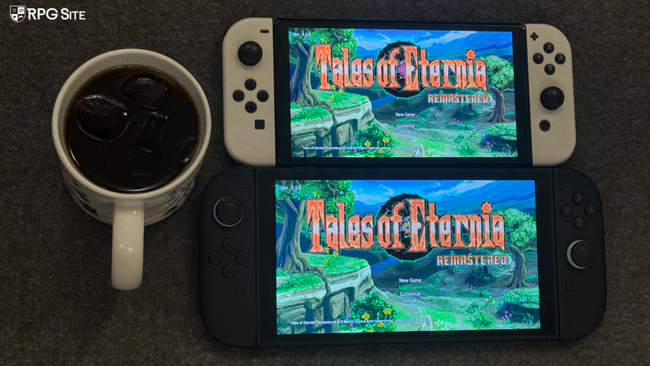
- The Upscaling Controversy: The inclusion of the "Remastered" graphics mode—which applies AI-style or algorithmic upscaling selectively to background textures while leaving certain pixel sprites untouched—has been a focal point of critique. Reviewers and players have noted that the visual contrast can look disjointed. Fortunately, the inclusion of the "Original" graphics preset preserves the authentic pixel-art aesthetic without jarring artifacting.
- The Analog Stick Deadzone / Snapping Issue: The persistent cardinal-snapping bug on Nintendo Switch controllers (Pro Controllers, Joy-Cons, and third-party options like the 8BitDo Pro 3) has baffled players, especially given that past iterations and the PSP original handled analog movement more organically. Because the bug does not affect the Steam release, it points toward an input-polling discrepancy within the Switch port’s middleware that will likely require a post-launch software patch.
- Quality-of-Life Additions: Despite these hurdles, the remaster introduces welcome modern conveniences, including robust English and Japanese audio options, fast-forward features, and—unexpectedly—native mouse control implementation for specific mini-games on PC and select console configurations.
Implications: Which Version Should You Buy?
For JRPG enthusiasts and collectors, the release of Tales of Eternia Remastered presents a fragmented purchasing decision, particularly given regional variations involving physical cartridges versus Game Key Cards.
1. For Physical Collectors and Handheld Players
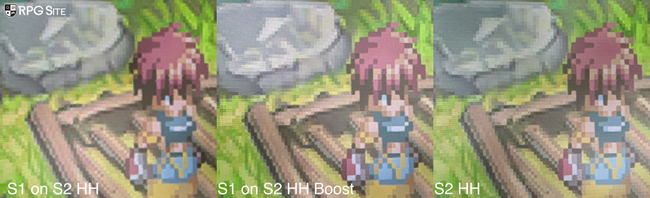
If your priority is owning a physical cartridge of the game and you primarily play in handheld mode, purchasing the Nintendo Switch 1 physical release and playing it either on a Switch OLED or leveraging the hardware boost mode on a Switch 2 is a viable path. The Switch 2’s handheld boost mode successfully resolves the 720p scaling artifacts that affect the legacy hardware.
2. For Docked and High-Resolution Players
If you frequently play docked on a 1440p or 4K display, avoid the Switch 1 version. The original Switch version fails to upscale cleanly to higher resolutions, resulting in noticeable pixel distortion. Instead, docked players should opt for the native Nintendo Switch 2 release or the Steam version, both of which handle high-resolution upscaling much more gracefully.
3. For PC and Handheld PC Enthusiasts
Players utilizing a Steam Deck or ROG Ally will find the Steam release to be the definitive portable experience, provided they remember to cap their refresh rates to 60Hz/120Hz to prevent movement pacing anomalies and apply the necessary launch commands for external docked displays.
Ultimately, Tales of Eternia Remastered is a welcome resuscitation of a classic title that deserves its place on modern platforms. While minor control quirks and visual mode inconsistencies prevent it from being a flawless port, its underlying strengths—paired with quick load times and faithful localization—make it a must-play for fans of the genre, provided developers deploy a prompt patch to rectify the Switch analog stick input issues.

