

Main Facts: The Framework Laptop 12 at a Glance
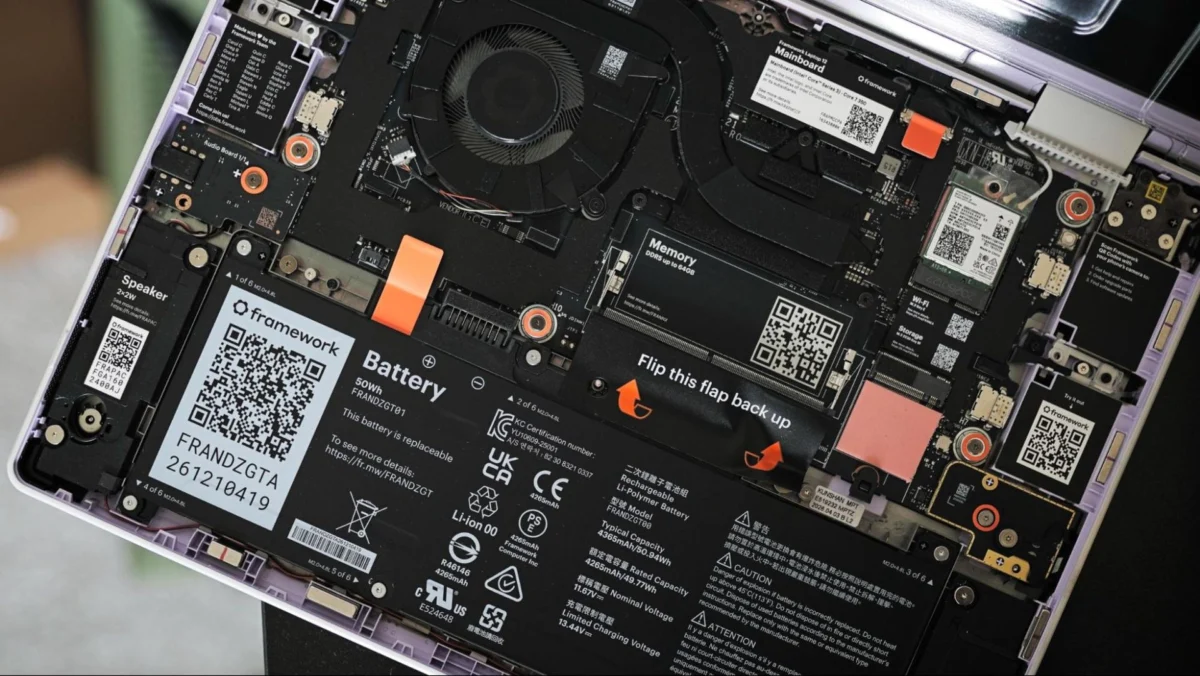
When Framework first conceptualized its modular, highly repairable ecosystem, the tech community took notice. The philosophy was simple yet revolutionary: build hardware that users could easily repair, upgrade, and customize themselves, thereby reducing electronic waste and fighting planned obsolescence. Building on that mission, the updated Framework Laptop 12 enters the market as a portable, budget-friendly 2-in-1 convertible.
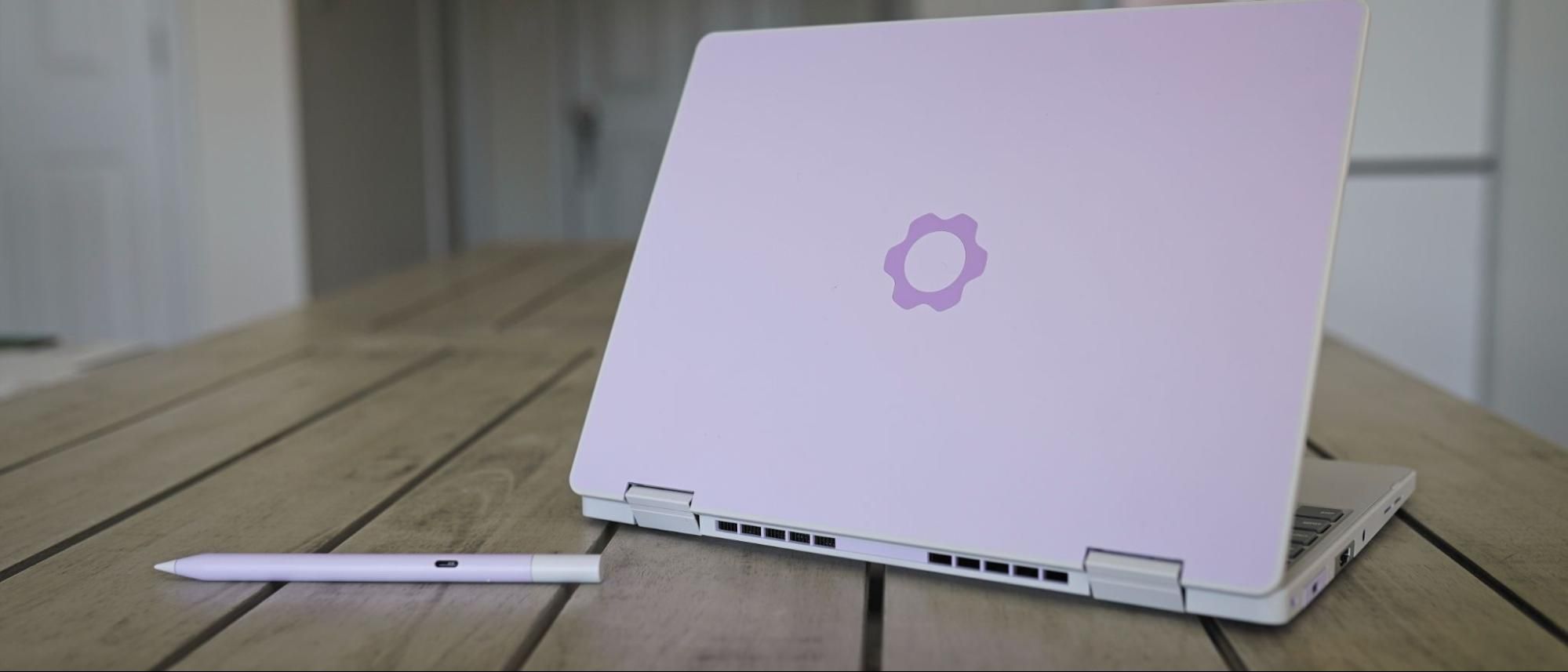
Priced with a $699 base entry point, the Laptop 12 leans heavily into its heritage. It features a versatile form factor, a responsive touchscreen that supports an optional stylus, a slim frame, and the trademark modularity that has become synonymous with the brand. However, according to recent testing and analysis from industry experts at Tom’s Hardware, the device occupies a complicated space.
While it remains unmatched in its repairability and user-serviceable design, the Laptop 12 faces a brutal reality check in today’s hardware landscape. Compared to its direct competition, it falls slightly short on out-of-the-box features and carries a higher overall price tag—unless buyers are willing to utilize the DIY approach by supplying their own RAM and SSD to drive down initial costs.
As major competitors flood the entry-level and student sectors with heavily discounted, feature-rich alternatives, Framework must prove that user autonomy and repairability are enough to sway budget-conscious consumers away from traditional, highly polished consumer laptops.
Chronology: The Evolution of Framework’s Entry-Level Vision
The Early Days and Initial Promise
When Framework introduced the foundational concept of the Laptop 12 early last year, it immediately targeted a specific demographic: students, casual users, and mobile professionals seeking an affordable yet capable machine. The original pitch combined the flexibility of a 2-in-1 convertible design with the ultimate peace of mind regarding long-term ownership. If a port broke, you could swap it. If you needed more storage, you could upgrade it yourself without buying a whole new motherboard or laptop.
Entering a Transformed Market
Fast forward to the present day, and the Framework Laptop 12 faces a vastly different competitive arena. The student and budget laptop market has undergone a seismic shift. Major industry frontrunners have aggressively targeted this space, treating it as the new battleground for consumer loyalty.
Apple’s disruptive moves with devices like the MacBook Neo have sparked a reactionary wave across the Windows ecosystem. Manufacturers are scrambling to capture market share by offering incredible value, sleek form factors, and next-generation silicon. Amidst this backdrop, Intel has introduced its new "Wildcat Lake" architecture, which has quickly taken center stage in refreshed devices such as Dell’s popular XPS 13 lineup.
While Framework has securely cemented its reputation at the higher end of the market with stellar devices like the Laptop 13 Pro—widely regarded as one of the best overall laptops available—the entry-level segment is a completely different beast. The refreshed Laptop 12 steps directly into this fierce theater of competition, maintaining the core DNA of the brand while attempting to stay relevant against giants backed by immense supply chain advantages.
Supporting Data: Performance, Pricing, and the DIY Dilemma
To truly understand where the Framework Laptop 12 stands, one must analyze the numbers, the hardware specifications, and the economic reality of its modular design.
The Cost Equation
At a base price of $699, the Laptop 12 initially appears to be an attractive option for budget-conscious buyers. However, this figure comes with caveats. In the pre-built configuration, consumers often find that they are paying a premium for the modular infrastructure compared to mass-produced, non-upgradable competitors that pack more standard amenities into the chassis.
The financial calculus changes, however, for the DIY-minded consumer. By opting to supply your own RAM and Solid-State Drive (SSD) directly—bypassing the pre-installed components bundled by Framework—the value proposition shifts dramatically. For users who have spare hardware lying around or who know how to shop for discounted memory modules, the DIY edition lowers the barrier to entry and makes the Laptop 12 a much more economically viable alternative.
Performance and Processing Power
In terms of raw computational capability, the Framework Laptop 12 holds its own. It provides competitive performance that comfortably handles daily productivity tasks, web browsing, document editing, and multimedia streaming. When placed head-to-head with Windows competitors utilizing Intel’s Wildcat Lake processors—such as Dell’s newly updated portable lineup—the Laptop 12 matches stride in basic workloads.
Yet, performance is only one piece of the puzzle. While processing speeds are adequate, the device tends to lack some of the luxury "amenities" found on similarly priced competitors. Where a traditional laptop at the $700–$800 mark might feature higher-end speaker arrays, more premium chassis finishes, or longer battery life out of the box, Framework allocates its manufacturing budget toward the engineering required for modularity, port expansion cards, and repair-friendly architecture.
Feature Comparison Breakdown
- Modularity & Repairability: Industry-leading. Every component is replaceable, with clear documentation and readily available parts.
- Form Factor: Versatile 2-in-1 convertible design with touchscreen capabilities and optional stylus support.
- Portability: Slim, lightweight frame tailored for students and mobile workers.
- Out-of-the-Box Pricing: Higher than traditional competitors offering equivalent raw performance.
- Amenities: Lags behind mainstream rivals in secondary features like premium audio, display peak brightness, or battery longevity unless customized.
Official Responses and Expert Consensus
Industry experts who spend hundreds of hours testing, benchmarking, and comparing consumer tech have weighed in on Framework’s latest iteration. According to reviews from Tom’s Hardware, the editorial stance is clear: trust is earned through rigorous, hands-on evaluation.
Senior CPU Analysts and hardware reviewers who test consumer and workstation processors note that while Framework’s ethos is admirable, the modern consumer lives in a practical world governed by price-to-performance ratios and day-to-day comfort.
The Reviewer’s Perspective
The consensus from testing labs indicates that the Framework Laptop 12 is a paradox. On one hand, it represents the gold standard for the "Right to Repair" movement. It eliminates the planned obsolescence that plagues modern consumer electronics, offering a sustainable alternative to throwing away an entire device just because a battery degraded or a port failed.
On the other hand, mainstream consumers shopping for college laptops or budget everyday drivers often prioritize immediate gratification—such as a slightly brighter screen, a more tactile keyboard, or a lower initial price tag—over long-term modularity. Reviewers point out that unless a buyer specifically values the ability to take apart and upgrade their machine over the coming years, standard consumer laptops from established legacy vendors often provide a more complete, feature-rich package right out of the box.
Implications: What the Laptop 12 Means for the Future of Modular Computing
The release and reception of the Framework Laptop 12 carry significant implications for the broader personal computer industry, consumer habits, and the future of sustainable technology.
1. The Battle for Sustainable Tech
Framework continues to prove that repairable consumer electronics are technically feasible. However, the Laptop 12 highlights the harsh economic realities of competing against mass-market giants. Economies of scale allow companies like Dell, HP, and Apple to squeeze every cent of value out of non-upgradable designs, undercutting smaller companies that must engineer complex locking mechanisms, swappable expansion cards, and modular motherboards. For the right-to-repair movement to truly go mainstream, component standardization across the industry will be necessary to bring production costs down.
2. Shifting Consumer Priorities
As economic pressures influence consumer spending, buyers are increasingly looking for long-term value. While the upfront cost of the Framework Laptop 12 can be a deterrent, its long-term cost of ownership tells a different story. If a user can replace a single failing component for fifty dollars rather than purchasing a brand-new $800 laptop three years down the line, the initial investment pays for itself. The challenge for Framework lies in effectively communicating this long-term financial benefit to a market heavily conditioned by short-term savings.
3. Pressure on Industry Giants
Even if Framework remains a niche player compared to legacy heavyweights, its existence exerts subtle yet crucial pressure on the rest of the industry. As consumers demand better repair options and less electronic waste, traditional manufacturers are slowly beginning to offer more service manuals and user-replaceable batteries. By pushing the envelope with the Laptop 12, Framework forces the entire laptop ecosystem to reckon with the environmental and consumer-hostile design choices of the past.
Conclusion
The Framework Laptop 12 is not a runaway home run for every single buyer, but it remains a profoundly important device. For those willing to supply their own RAM and SSD—and who deeply value modularity, sustainability, and the freedom to repair their own hardware—it offers a compelling, albeit imperfect, portable solution. As the budget and student laptop market continues to evolve, Framework’s commitment to user empowerment ensures that they will remain a brand well worth watching.

