

The creator economy is no longer a peripheral entertainment sector; it has matured into a sophisticated, multi-billion-dollar ecosystem that dictates the trends of modern media. From massive subscription milestones on YouTube to the strategic migration of high-level executives from Silicon Valley to legacy public media, the lines between “influencer” and “institution” are blurring. This week, we examine the maneuvers defining the landscape, ranging from MrBeast’s unprecedented audience reach to the shifting guard at NPR.
Main Facts: The New Titans of Media
The current climate of the creator industry is defined by an aggressive push toward vertical integration and diversification.
The most significant headline of the week belongs to Jimmy “MrBeast” Donaldson, who has officially crossed the 500 million subscriber threshold across his primary YouTube channels. This makes him the undisputed king of the platform, marking a historic achievement in digital content consumption. Yet, Donaldson is not resting on his laurels; he is actively translating that digital footprint into tangible retail success, most notably through his partnership with Moose Games to launch a line of board games.
Simultaneously, the industry is witnessing a "professionalization" of talent. Julian Shapiro-Barnum, the mind behind Recess Therapy, is pivoting from his niche of interviewing children to the highly competitive world of late-night television. His upcoming project, Outside Tonight, represents a broader trend: creators are no longer content to stay within the confines of a short-form feed; they are actively seeking to disrupt legacy formats by bringing an internet-native sensibility to the traditional talk show stage.
Chronology: A Week of High-Stakes Moves
The week’s activities unfolded in a rapid-fire sequence of corporate deals, stunts, and platform shifts:
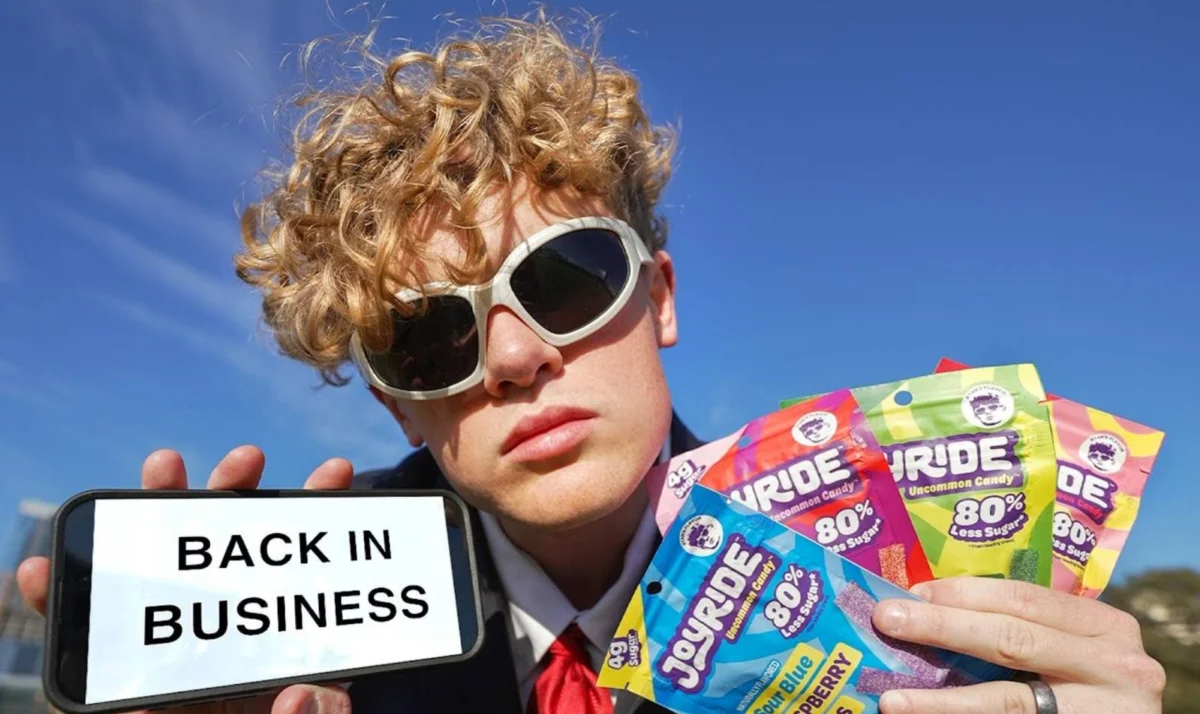
- Early Week: Ryan Trahan launched the final phase of his "Joyride" 50-state tour, blending experiential marketing with consumer product growth.
- Mid-Week: NPR announced the appointment of Nadine Zylstra, a veteran of both YouTube and Pinterest, as its new Chief Content Officer. This sent shockwaves through traditional media, signaling a strategic intent to modernize public radio’s digital output.
- Late-Week: Snap’s Jim Shepherd announced his transition to Meta, a move clearly designed to bolster Meta’s wearable tech division.
- Ongoing: Agencies like Underscore Talent and GameSquare accelerated their expansion, with Underscore announcing 20 new hires to capture the growing "expert" influencer market, while GameSquare secured Fortnite powerhouse SypherPK for its Click Management division.
- Weekend: Airrack concluded his controversial "theft" stunt by listing the purloined goods for auction, capping off a week of high-engagement, stunt-based content.
Supporting Data: The Scale of Influence
The economic implications of these moves are supported by significant data points. When a creator like Just Ameerah, who boasts a following of 5.5 million subscribers, secures a retail partnership with WeCool Toys to launch the "Compound Kings" line, it reflects a fundamental shift in retail. Physical shelves are no longer dictated solely by traditional toy conglomerates; they are increasingly occupied by brands built entirely on YouTube’s community-driven model.
Furthermore, the scale of human capital movement is striking. Nadine Zylstra’s move to NPR places her in command of 600 journalists and storytellers. This is not merely a job change; it is a signal that legacy media organizations are prioritizing "creator-led" thinking to reach the next generation of listeners. The investment is necessary, as competition for attention has never been higher, with platforms like Tubi signing multi-year development deals with creators like Kevin “KevOnStage” Fredricks to keep viewers locked into their ecosystems.
Official Responses and Strategic Implications
The Corporate Perspective: Wearables and Retailing
The move of Jim Shepherd from Snap to Meta is a calculated play for dominance in the augmented reality (AR) and wearable space. Meta has been aggressively pushing its Ray-Ban smart glasses, and by acquiring a talent executive who understands the "creator-first" approach to celebrity partnerships, Meta is attempting to make wearables a fashion statement rather than just a tech peripheral.
The Institutional Shift: NPR’s Digital Pivot
When an organization like NPR hires an executive with Zylstra’s pedigree, the implication is clear: the "boomer-centric" radio model is undergoing a forced evolution. Zylstra’s mission to craft content initiatives that satisfy existing listeners while capturing a younger, digital-native demographic is the "Holy Grail" of public media. Whether this will lead to a successful transition or a dilution of the NPR brand remains a point of intense debate within the industry.
The Creator as Commodity
The auctioning of items by Airrack and the branding of interviews by Kareem Rahma for Toyota demonstrate that the "content-as-a-stunt" model has become a viable business strategy. By turning a cringe-comedy interview series into a vehicle for brand sponsorship (Toyota), creators are proving that they can bridge the gap between pure entertainment and commercial utility without alienating their core audience.
Implications: Where the Industry Goes from Here
1. The Death of the "Pure Creator"
The era of the creator who only "creates content" is ending. We are entering the age of the creator-entrepreneur. Whether it is MrBeast with board games, Just Ameerah with slime, or Ryan Trahan with candy, the creator is now a retail engine. The metric of success is no longer just "views per video," but "customer lifetime value" (CLV) and product sell-through rates.
2. The Agency Consolidation Phase
With firms like Underscore Talent adding 20 staff members to specifically target "experts"—individuals with niche, high-value knowledge rather than just high-reach entertainment value—we are seeing the diversification of the influencer class. Agencies are looking for long-term stability in talent who can serve as educators and consultants, not just entertainers.
3. The Institutionalization of Internet Culture
The Japanese Coast Guard utilizing VTubers for recruitment is perhaps the most surreal, yet telling, indicator of the week. When government bodies adopt the visual language of the creator economy to fulfill civil duties, it confirms that digital subcultures have moved from the "fringes" to the center of societal operation.
4. The "Late-Night" Disruption
Julian Shapiro-Barnum’s attempt to bring a YouTube-native interview style to the late-night format is a high-stakes test. If Outside Tonight succeeds, it will provide a roadmap for other creators to follow, effectively cannibalizing the traditional late-night television market share. The barrier to entry for high-production, talk-show style content has been shattered by the democratization of production tools and the sheer scale of creator audiences.
Conclusion
The creator industry is no longer a wild west; it is a structured, competitive, and highly profitable landscape. As we look ahead, the winners will be those who can manage the delicate balance of authentic audience connection and large-scale corporate infrastructure. Whether it is a streamer transitioning to a film director or a YouTube executive taking the reins at a national broadcaster, the message is uniform: the future of media is being written by those who understand how to capture attention in a fragmented, digital-first world.
As we move toward the remainder of the year, expect to see even more convergence between the tech giants, the retail sector, and the creators who hold the keys to the modern attention economy. The only constant is the speed of change—and for those watching the numbers, it is clear that the industry is only gaining momentum.

