

By Hardware Insights Desk
The landscape of high-end PC gaming hardware is undergoing a profound and potentially alarming transformation. According to recent industry leaks and reports originating from manufacturing partners in Taiwan, Nvidia is preparing to fundamentally realign its consumer-facing graphics card strategy.
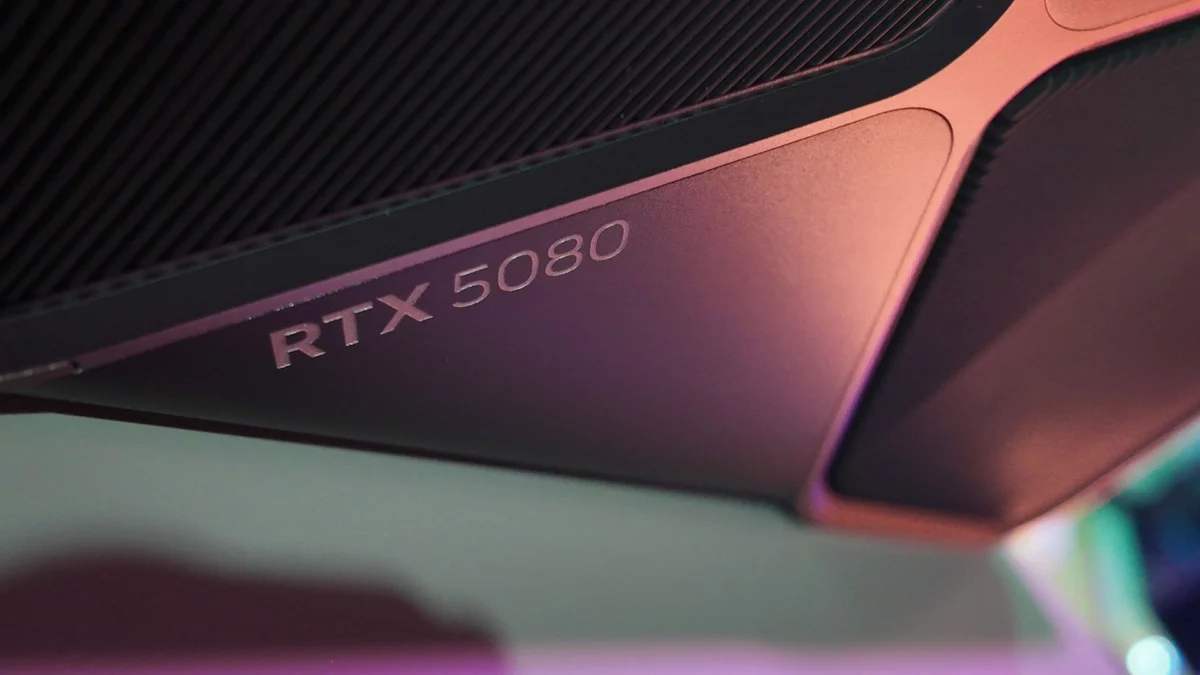
The core of this anticipated shift revolves around the phasing out of the flagship GeForce RTX 5090 and the standard 16GB RTX 5080. In their place, Nvidia reportedly plans to funnel its top-tier silicon—specifically the GB202 architecture—into professional-grade enterprise and workstation markets, while introducing a modified 24GB RTX 5080 variant in early 2027.
For the average enthusiast and PC gamer, these sweeping changes signal a worrying trend: the high-end gaming market is increasingly being squeezed out by the insatiable demands of enterprise artificial intelligence, leaving high-budget consumers with fewer options and substantially higher price tags.
Main Facts: What is Happening to Nvidia’s Flagship Lineup?
The unfolding hardware narrative points to a dramatic restructuring of Nvidia’s Blackwell generation. Based on reports circulating through industry supply chains, several pivotal developments are taking shape:
- The Demise of the RTX 5090 for Consumers: Nvidia is reportedly halting the commercial production allocation of the GB202-powered RTX 5090 to add-in card (AIC) partners. Instead, this powerful silicon is being redirected toward professional RTX Pro enterprise cards to satisfy lucrative data center and AI enterprise demands.
- The 16GB RTX 5080 Faces End-of-Life: Alongside the removal of the 5090, the standard 16GB RTX 5080 is also rumored to be approaching its end-of-life (EOL) status.
- The Arrival of a 24GB RTX 5080: To bridge the gap, board partners have been quietly briefed regarding product development data for a new 24GB variant of the RTX 5080, expected to debut in the first quarter of 2027.
- The Shrinking Gaming Ecosystem: With the top two tiers of the Blackwell generation effectively locked away from traditional consumer markets, the upper echelon of gaming choices narrows considerably. High-end PC gamers looking for a pure gaming flagship may find themselves limited to alternatives like an inflated-price RTX 5070 Ti.
Chronology: How the Rumor Mill and Supply Chain Shifts Unfolded
To understand how the current hardware crisis reached this point, it is helpful to trace the timeline of leaks, rumors, and supply chain adjustments that have defined the Blackwell launch cycle:

Late 2024 to Early 2025: The Blackwell Rollout
Nvidia formally introduced its RTX 50-series (Blackwell) lineup, anchored by high-expectations cards like the RTX 5090 and the 16GB RTX 5080. Initial reviews praised the raw performance leaps, but warning signs regarding supply constraints and component availability began to surface immediately.
Mid-2025: Whispers of the "Super" Refresh and VRAM Bumps
Reports initially emerged suggesting that a "Super" refresh of the RTX 50-series was in development, featuring bumped VRAM capacities, including a rumored 24GB configuration for the RTX 5080. However, volatility in the semiconductor supply chain—often dubbed the "rampocalypse"—caused these plans to flicker on and off repeatedly.
Late 2025 to Early 2026: The AI Gold Rush Intensifies
As global enterprise demand for localized and cloud-based AI training skyrocketed, Nvidia’s priorities visibly shifted. The staggering profit margins associated with enterprise-grade accelerators and professional workstations began to crowd out consumer chip allotments.
Recent Reports: Benchlife Breaks the News
A recent report from Taiwanese hardware outlet Benchlife revealed that add-in board partners (such as Asus, MSI, and Gigabyte) had been verbally informed that allocations for the flagship GB202 silicon (driving the RTX 5090) would be heavily restricted or halted for consumer channels. Concurrently, hints of the 24GB RTX 5080’s "product development data" slated for release signaled that a strategic hardware pivot was officially underway.
Supporting Data: Analyzing the Technical Reality
When evaluating the rumored 24GB RTX 5080, it is vital to separate marketing terminology from hardware reality. Industry analysts and hardware experts have dissected what this new card actually means for consumers:
- Core Count Constraints: The standard RTX 5080 relies on the GB203 chip, which is already operating at or near its full utilization out of the box. Consequently, transitioning to a 24GB VRAM configuration will not inherently yield higher core counts or substantial raw rasterization gaming performance improvements compared to its 16GB predecessor.
- The AI Enthusiast Appeal: While traditional gamers may see little benefit from the extra video memory without a corresponding core uplift, local AI model runners, developers, and power users will reap significant rewards. Running large language models (LLMs) and advanced image-generation tools locally demands massive VRAM pools.
- Pricing Pressures: With historical top-tier consumer flagships priced aggressively, the introduction of a 24GB variant to replace the standard 16GB model introduces severe price-inflation risks. Users who previously relied on the x90 tier for absolute enthusiast performance may find themselves forced to purchase specialized enterprise-adjacent hardware at vastly inflated costs.
Official Responses and Industry Discrepancies
As is customary with pre-release hardware shifts, Nvidia has maintained a cautious silence, declining to comment directly on unannounced product roadmaps or supply chain reallocations reported by third-party outlets.
Meanwhile, hardware leakers and industry analysts remain deeply divided regarding the broader timeline of Nvidia’s release schedule:
- The 2027 Pivot Camp: Outlets like Benchlife and various board partner sources suggest that a quiet transition is happening behind closed doors, pointing to a slow year for standard consumer releases in 2026 followed by the 24GB RTX 5080 refresh in early 2027.
- The Contradictory Leaks: High-profile hardware personalities have clashed sharply over what comes next. Figures like Moore’s Law is Dead have previously pointed to sources claiming an RTX 60-series launch could arrive as early as the first half of 2027, while counter-leakers like Kepler have aggressively disputed those timelines, arguing that consumers should temper expectations for any sweeping generational leaps in the near term.
Implications: What This Means for PC Gamers
The cumulative effect of these reported changes paints a sobering picture for the PC gaming community. For years, building a top-tier gaming rig meant setting your sights on Nvidia’s absolute best consumer silicon—the xx90 or high-end xx80 cards—at relatively predictable price points.
If these supply chain shifts hold true, the paradigm has shifted permanently:
- The Middle Ground Disappears: Gamers unwilling to enter the extreme price brackets will find themselves funneled downward. With the RTX 5090 and standard 16GB RTX 5080 phased out for consumers, cards like the RTX 5070 Ti—carrying a steep $1,500 sticker price—become the de facto ceiling for traditional PC gaming.
- The Dominance of Enterprise Computing: Nvidia’s business model is increasingly anchored in artificial intelligence and enterprise data centers. Consumer gaming, once the primary engine of the company’s GPU development, now risks becoming a secondary beneficiary of silicon trickle-down economics.
- A Shift in Who Buys High-End Hardware: The 24GB RTX 5080 arriving in 2027 may ultimately find its primary audience not among frame-rate chasing gamers, but among hobbyist AI engineers, content creators, and professionals who need high VRAM capacity without paying full enterprise-class workstation prices.
Nvidia giveth, and Nvidia taketh away. As the hardware market braces for a potentially fallow period of consumer-focused innovation, PC builders may soon have to adapt to a reality where gaming is no longer the primary focus of the graphics card market.

