

By Global Gaming Industry Desk
Published: October 2026
Main Facts
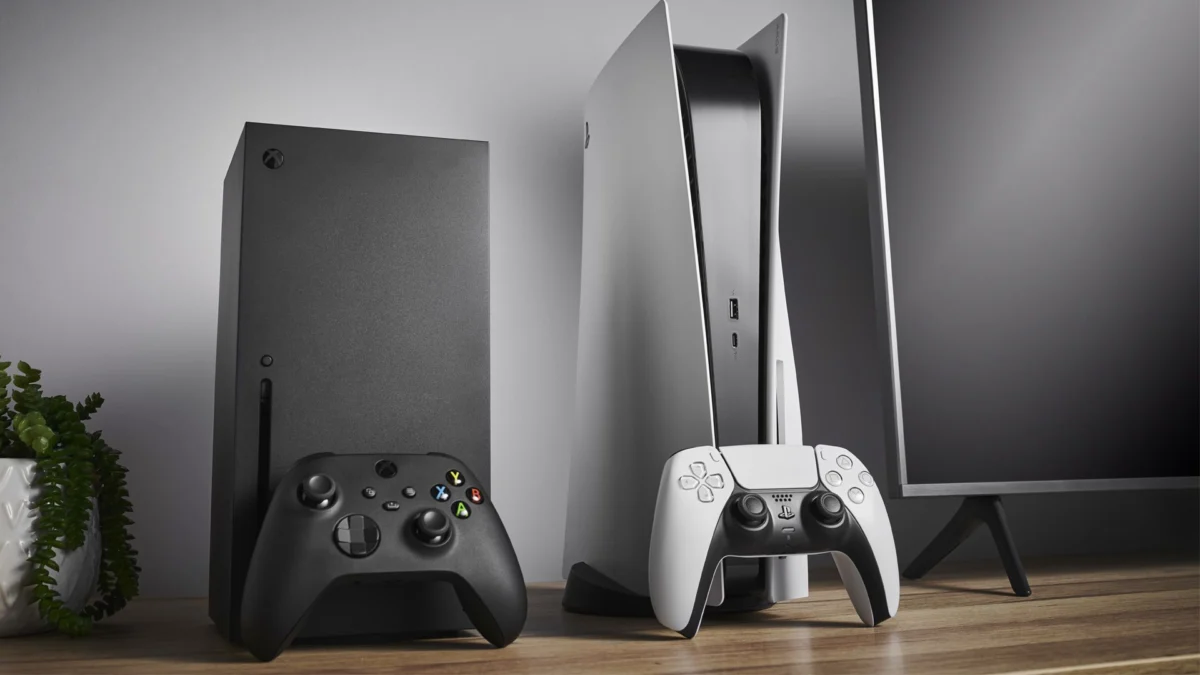
The United States video game hardware market is experiencing a profound and unprecedented downturn. According to year-to-date (YTD) retail tracking data through the end of August 2026, sales for both flagship console families—Sony’s PlayStation 5 and Microsoft’s Xbox lineup—have plummeted dramatically compared to the same period in previous years.
The figures, disclosed by Mat Piscatella, executive director and video game industry advisor at market research firm Circana, paint a grim picture for traditional console manufacturers. Through August 2026, PlayStation 5 hardware unit sales in the U.S. fell by 25% year-over-year. This decline drops PlayStation sales to their lowest point since 2013—a historical echo of the transitional period when consumers deliberately withheld purchases in eager anticipation of the PlayStation 4’s arrival.
Even more striking is the trajectory of Microsoft’s Xbox hardware. U.S. retail figures for Xbox have cratered by 33% YTD, plunging sales to an all-time low not seen since the original Xbox console launched nearly a quarter-century ago in 2001.
These numbers confirm what industry analysts have whispered for months: the current hardware generation is not merely maturing; it is hitting a steep adoption wall. High inflation, shifting consumer entertainment spending habits, a lack of system-selling exclusives, and the rising prominence of cloud gaming, PC gaming, and mobile platforms are combining to squeeze the traditional living room console market.
Chronology
To understand how the current crisis unfolded, it is necessary to retrace the timeline of the current console generation and the macroeconomic shifts that preceded the 2026 collapse.
2020–2021: The Pandemic Boom and Supply Chain Nightmares
The launch of the PlayStation 5 and the Xbox Series X/S in November 2020 occurred against the backdrop of the global COVID-19 pandemic. Demand skyrocketed as locked-down consumers turned to video games for entertainment. However, severe global shortages of semiconductors and manufacturing components meant that for the first two years of their lifecycles, both consoles were chronically out of stock. Scalpers dominated the market, and consumers desperate to secure hardware often paid inflated resale prices. Despite high demand, actual unit distribution was severely throttled.
2022–2023: Normalization and Cost-of-Living Pressures
By late 2022 and throughout 2023, supply chain bottlenecks finally eased, allowing Sony and Microsoft to fully restock retail shelves. For a brief window, hardware sales rebounded as pent-up demand was satisfied. However, this recovery coincided with a post-pandemic inflationary spike. Central banks raised interest rates, cost-of-living expenses soared, and discretionary consumer spending began to contract. Both Sony and Microsoft took the controversial step of raising console prices in international markets—and in some cases adjusting bundled packages in the U.S.—further dampening consumer enthusiasm.
2024–2025: Software Stagnation and Mid-Gen Refresh Fatigue
Entering the middle years of the generation, the industry suffered from a distinct lack of blockbuster, hardware-moving exclusive software. Development cycles for AAA games ballooned to five to seven years, creating massive gaps in release schedules. Studios suffered layoffs, project cancellations, and studio closures.
While Sony released the PlayStation 5 Pro in late 2024 to stimulate the high-end enthusiast market, its high price tag alienated budget-conscious buyers. Meanwhile, Microsoft began shifting its strategic focus away from traditional hardware exclusivity, porting major first-party Xbox titles to rival platforms like PlayStation and Nintendo Switch, inadvertently signaling to consumers that owning an Xbox console was no longer strictly necessary to play its games.
2026: The Critical Tipping Point
By the arrival of 2026, the cumulative weight of delayed software, economic headwinds, and shifting platform strategies culminated in the disastrous YTD figures revealed by Circana in October. By the end of August 2026, the year-over-year erosion of hardware units reached catastrophic levels, prompting frantic strategy reassessments at corporate headquarters in Tokyo and Redmond.
Supporting Data
The retail metrics provided by Circana’s U.S. Retail Tracking Service offer concrete validation of the structural decline facing the console ecosystem.
- PlayStation 5 Decline (25% Drop): A 25% contraction in unit sales through August 2026 places the PS5 on a trajectory reminiscent of late 2013. During that historical period, the PS3 was at the absolute end of its lifecycle, and consumers were hoarding cash for the upcoming PS4 launch. However, the current drop is occurring much earlier in the product lifecycle than healthy generational transitions typically dictate, suggesting that the current hardware plateau is arriving prematurely.
- Xbox Historical Low (33% Drop): A 33% year-over-year decline for Xbox hardware units is an alarming metric for Microsoft. Because Circana tracks data back to the inception of modern digital retail tracking, this puts Xbox sales below the launch windows of the Xbox 360 (2005) and even the original Xbox (2001). It highlights a severe detachment of American consumers from purchasing dedicated Xbox hardware.
- Market Share Shifts: While overall unit sales are down, the software and accessories markets are also feeling the shockwaves. When fewer consoles are in circulation into homes, software attach rates drop, hurting third-party publishers who rely on massive hardware install bases to recoup hundred-million-dollar development budgets.
Official Responses
As Circana’s data circulated across industry channels and social media platforms like Bluesky, executives and corporate communications teams at both Sony Interactive Entertainment and Microsoft Gaming faced intense scrutiny.
Sony Interactive Entertainment
Sony representatives have previously pointed to the natural maturation of the PlayStation 5 lifecycle as a primary driver for shifting sales patterns. In recent financial earnings calls, Sony executives noted that the company is placing an increased emphasis on expanding its active monthly user base, driving digital engagement, and boosting profitability per user rather than chasing raw hardware unit milestones at a loss.
However, behind closed doors, sources close to PlayStation indicate that leadership is growing increasingly concerned over the velocity of the hardware slowdown. The company is reportedly accelerating plans for future hardware iterations and leaning heavily on third-party partnerships and live-service initiatives to maintain ecosystem revenue while hardware sales slump.
Microsoft Gaming
Microsoft has maintained a calculated silence regarding specific monthly hardware unit sales for several years, preferring instead to report metrics concerning Xbox Cloud Gaming hours, Xbox Game Pass subscriptions, and multiplatform software revenue.
When questioned about hardware performance, Microsoft executives—including CEO of Microsoft Gaming Phil Spencer—have repeatedly emphasized a platform-agnostic future. Spencer has argued that "gaming is no longer about the device under your TV," pointing to the company’s aggressive expansion onto PCs, mobile devices, smart TVs, and rival consoles. Nevertheless, the 33% drop in retail hardware units underscores the reality that Microsoft’s traditional console base in the United States is rapidly shrinking, posing serious questions about the long-term viability of manufacturing dedicated Xbox consoles at scale.
Implications
The unprecedented plunge in U.S. console sales through August 2026 carries profound implications for the future trajectory of the entire interactive entertainment industry.
1. The Death of the Traditional Hardware Generation?
For decades, the video game industry has operated on predictable five-to-seven-year generational cycles anchored by expensive, specialized home consoles. The disastrous sales figures for both PS5 and Xbox suggest that this model may be breaking down. With consumer upgrade fatigue setting in, skyrocketing development costs, and the availability of alternative gaming mediums, manufacturers may find it increasingly difficult to justify the multi-billion-dollar R&D investments required to build traditional next-generation consoles.
2. Acceleration of the Multiplatform Software Strategy
Microsoft’s pivot away from hardware exclusivity has already transformed the industry, but these new sales figures will likely accelerate similar strategies across the board. If dedicated console hardware sales continue to crater, publishers and platform holders will have no choice but to adopt a "software-everywhere" philosophy. Expect to see Sony experiment further with day-and-date PC releases and deeper software integration across mobile and cloud ecosystems to protect profit margins.
3. Pricing and Accessibility Challenges
Inflation and rising component costs have pushed console pricing to levels that casual families and younger demographic cohorts find difficult to justify. With base consoles frequently retailing at $500 or more—and pro models touching $700—the barrier to entry has never been higher. Manufacturers must determine whether to heavily subsidize hardware to drive volume or accept lower unit sales paired with higher profit margins per device.
4. Pressure on Independent and Triple-A Developers
A shrinking hardware install base directly threatens game developers. When fewer players buy new systems, software sales inevitably contract. This creates a risk-averse environment where publishers refuse to fund creative or original intellectual properties, relying instead on safe sequels, remasters, and live-service games that can extract more money from an existing, stagnant player base.
Conclusion
The stark data revealed by Circana in October 2026 serves as a wake-up call for the video game industry. As the PlayStation 5 hits decade-low adoption milestones and Xbox sales touch all-time lows, the era of living-room hardware dominance is facing its sternest test. How Sony, Microsoft, and industry stakeholders adapt to this hardware drought over the coming years will fundamentally reshape how humanity plays video games for decades to come.

