

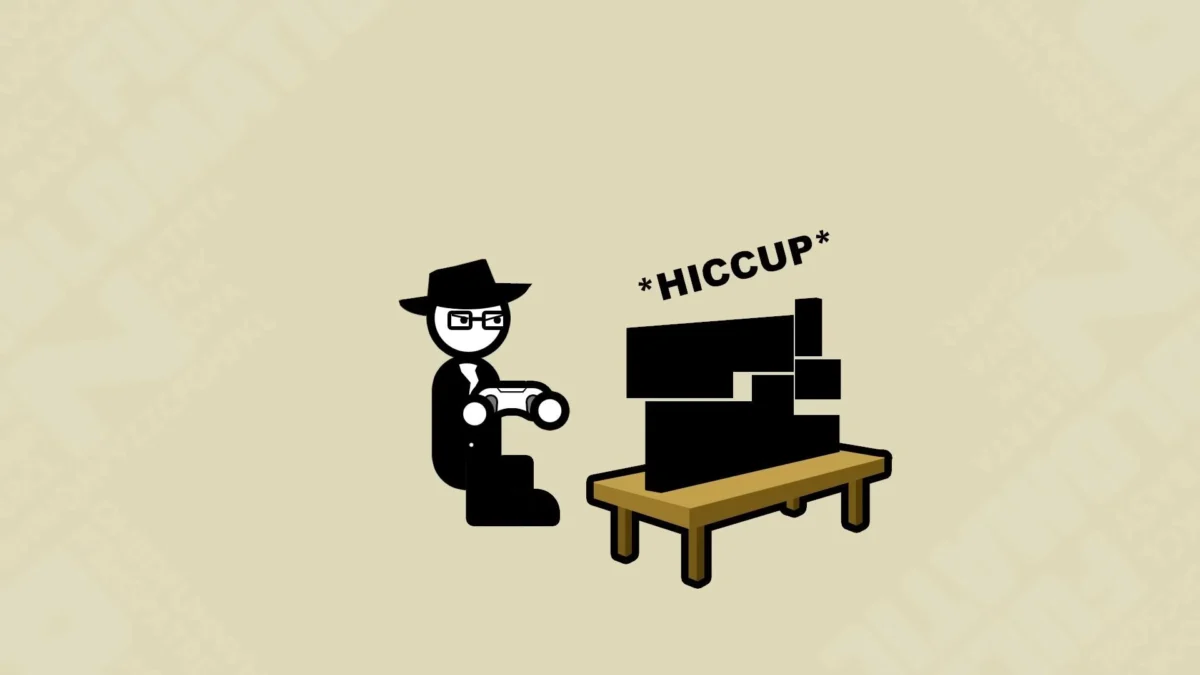
In the rapidly shifting landscape of digital media, few voices have proven as enduring or as polarizing as that of Ben "Yahtzee" Croshaw. Following the dramatic dissolution of The Escapist, a significant portion of its creative team departed to establish Second Wind, a new independent venture. Among the most anticipated migrations was Croshaw’s seminal video series, formerly known as Zero Punctuation. Now rebranded as Fully Ramblomatic, the series continues its mission: to provide a relentless, razor-sharp, and often irreverent assessment of the modern gaming industry.
The Genesis of a Critique: From The Escapist to Second Wind
The transition from the established infrastructure of The Escapist to the agile, creator-owned model of Second Wind represents a pivotal moment in gaming journalism. For years, the Zero Punctuation brand was synonymous with The Escapist, defined by its rapid-fire delivery, crude stick-figure animations, and a cynical aesthetic that became a benchmark for internet-era commentary.
When the dust settled on the collapse of The Escapist, the creative core—including Croshaw—chose to forge their own path. Fully Ramblomatic serves as the direct successor. While the aesthetic has been subtly updated—with the notable addition of glasses to the show’s avatars—the soul of the production remains intact. It continues the "essential work of being rude about videogames on the internet," maintaining the high-velocity, densely packed script style that made Croshaw a household name in the mid-2000s.
A Chronology of Style: The British Blueprint
To understand the cultural impact of Fully Ramblomatic, one must look at the lineage of gaming journalism. In the "Before Times"—the era of physical gaming magazines—readers often judged the quality of a publication by the wit found in its photo captions. It was a subtle art form, one that, in retrospect, was dominated by the dry, self-deprecating, and frequently biting tone of British games media.
Yahtzee Croshaw’s style is a direct descendant of this tradition. His commentary is often misinterpreted as mere nihilism; however, a closer inspection reveals a deeper level of care. Writing a witty, insightful caption or a sharp observation about a game’s mechanics requires significant effort. By prioritizing humor and stylistic flair, Croshaw demonstrates an engagement with the medium that is fundamentally respectful. If he didn’t care about the state of the industry, he wouldn’t dedicate hours to refining a single, scathing analogy.
Supporting Data: The Anatomy of a Rant
What sets Croshaw apart is his relentless dedication to the "bit." Much like the character of Edmund Blackadder, who finds a hundred ways to describe Baldrick’s incompetence, Croshaw never runs out of creative ways to highlight the shortcomings of a game.
Consider his recent coverage of the viral sensation Palworld. While the industry was focused on the novelty of "Pokémon with guns," Croshaw deconstructed the actual player experience, noting that engaging with the game’s core mechanics felt like "jumping through so many hoops you feel like a spider in a bowl of Cheerios."
This is not lazy criticism; it is a meticulously crafted metaphor that conveys a specific, frustration-based user experience. By filling every episode with these "throwaway" observations, he maintains an audience engagement level that most traditional, dry reviews struggle to achieve. His critiques serve as a reminder that games are products, and as products, they are often subject to design choices that deserve to be mocked when they prioritize engagement metrics over actual player enjoyment.
The Rare Currency of Positivity
One of the most compelling aspects of Fully Ramblomatic is the weight of his rare praise. In a landscape saturated with "10/10" scores and PR-friendly previews, Croshaw’s positive reviews act as vital indicators of quality. Because his baseline is one of cynicism, a compliment in a Croshaw video is a genuine endorsement.
His analysis of South Park: The Stick of Truth serves as a perfect case study. Rather than simply stating the game was "fun," he observed that its turn-based combat created a specific pacing—one that left natural gaps for comedic timing. This is high-level design critique hidden behind a layer of performative grumpiness. By identifying why the humor worked in tandem with the mechanics, he deepened the audience’s understanding of the title.
The Implications of Professional Disrespect
Is the modern gaming industry too sensitive to criticism? There is a prevailing trend toward "toxic positivity" in corporate-sponsored gaming coverage, where even the most broken launches are treated with kid gloves to preserve industry relationships.
Croshaw’s work challenges this. His approach—often ignoring high-budget marketing materials in favor of stock images and recurring, bizarre character designs—is a form of "disrespect" that the industry arguably needs. It strips away the pretense of the "AAA experience" and focuses on the reality of the software on the screen.
The implication here is that gaming criticism should not be a customer service tool for publishers. It should be an independent, adversarial, and intellectual endeavor. While the internet is undeniably full of cynicism, there is a clear distinction between "trolling" and "critique." Fully Ramblomatic operates in the latter, proving that contempt, when articulated with enough wit and intelligence, is a valid and necessary form of discourse.
Official Responses and the Creator-Owned Future
The shift to Second Wind has been met with overwhelming support from the gaming community, signaling a broader industry trend where audiences are increasingly siding with individual creators over legacy brands.
In a recent Q&A, the Second Wind team highlighted that the transition was not just about maintaining their jobs, but about regaining creative autonomy. By moving to a platform where they are not beholden to the whims of a failing corporate structure, creators like Croshaw are free to iterate on their established formulas without the threat of editorial interference or sudden platform dissolution.
This model is a litmus test for the future of professional gaming journalism. If a creator as established as Yahtzee Croshaw can successfully pivot to an independent, crowdfunded model, it validates the idea that the "brand" of the journalist is now more valuable than the "brand" of the outlet.
Conclusion: Still Wrong, Still Essential
Despite his brilliance, Croshaw is not infallible. His infamous, long-standing hatred for Star Wars: Knights of the Old Republic remains a point of contention among fans, often cited as the singular moment where his cynicism blinds him to genuine excellence. Yet, even in his wrongness, he is entertaining.
Fully Ramblomatic is not just a continuation of Zero Punctuation; it is a refinement of a voice that has defined a generation of gaming criticism. As the industry continues to bloat with microtransactions, broken launches, and corporate homogenization, the need for a loud, rude, and uncompromising voice becomes more apparent. Whether you agree with his assessment of a particular game or find his delivery grating, the existence of a critic who refuses to play the corporate game is a vital component of a healthy gaming ecosystem.
Yahtzee Croshaw might be "wrong" about a few games, but he is fundamentally "right" about the necessity of dissent. In an era where everyone is trying to sell you something, the person willing to tell you exactly why you shouldn’t buy it is, perhaps, the only one worth listening to.

