

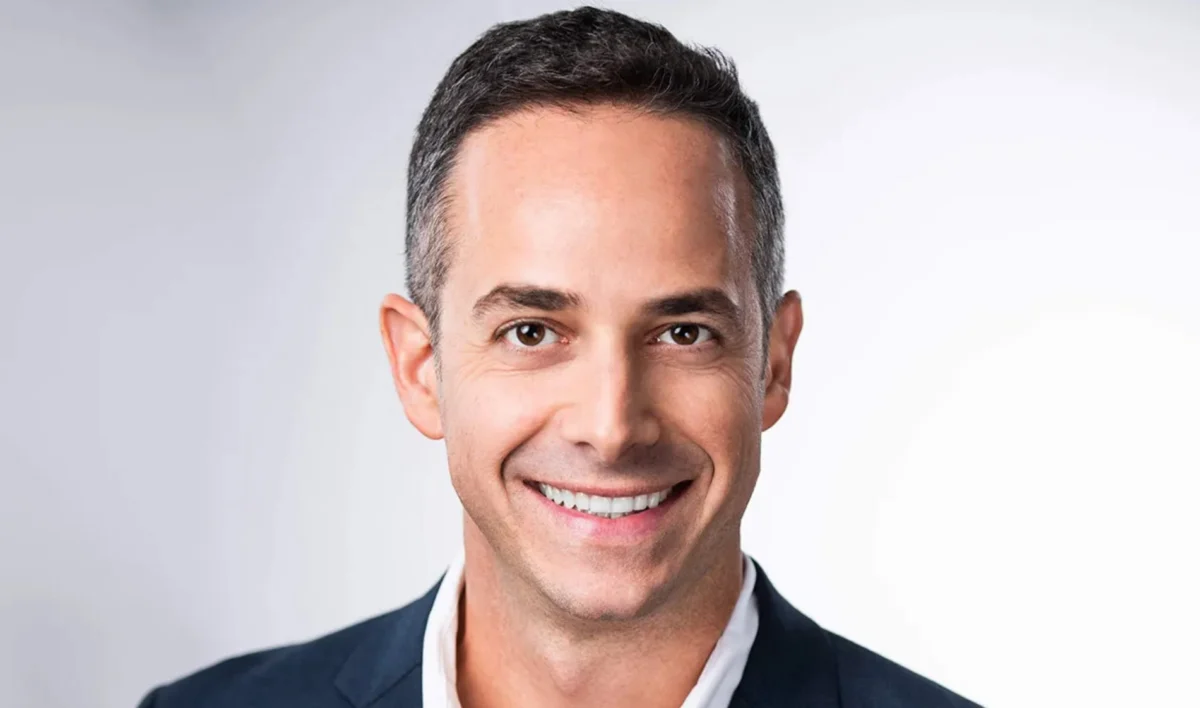
In a move that signals a seismic shift in the traditional Hollywood studio model, Sony Pictures Entertainment has officially appointed Fede Goldenberg, a long-time YouTube executive, to head its horror-focused production label, Screen Gems. This appointment represents more than just a standard executive shuffle; it is a calculated bet that the future of genre filmmaking lies in the hands of digital-native creators rather than traditional studio pipelines.
As legacy media houses struggle to capture the fleeting attention of younger demographics, Sony is bypassing the standard talent search to bring the operational DNA of YouTube directly into the boardroom. By tapping Goldenberg—the architect behind many of YouTube’s most ambitious film and TV partnerships—Sony is positioning Screen Gems to become the primary conduit for the burgeoning "creator-to-cinema" pipeline.
The Chronology of a Hollywood Pivot
The story of Screen Gems is one of constant reinvention. Founded nearly a century ago as the animation arm of Columbia Pictures, the brand has occupied various roles within the Sony ecosystem, including a stint as the precursor to Sony Pictures Television. However, in the modern era, Screen Gems has cemented its reputation as a powerhouse of mid-budget horror, serving as the home for successful, high-yield franchises such as Insidious and Resident Evil.
While the label has seen consistent success, the industry landscape around it has shifted dramatically. The last decade has seen a rise in "internet-native" horror, where creepypastas, short-form viral videos, and niche online lore have cultivated massive, pre-existing audiences.
- 2018: Screen Gems makes its first major foray into digital lore with the release of Slender Man. While the film was critically panned and struggled at the box office, it served as a "proof of concept" experiment. It demonstrated that internet-born urban legends could generate significant cultural noise, even if the execution fell short.
- 2023–2025: The "Creator Era" begins in earnest. Independent films like Kane Parsons’ Backrooms project and various high-profile creator documentaries prove that the audience for digital-first content is massive, loyal, and willing to pay for premium experiences.
- 2026: The tipping point. Studios begin aggressively courting YouTube talent, not just for promotional work, but for feature-length development. Following the success of creator-led theatrical events—such as those spearheaded by French YouTuber Inoxtag—the demand for digital-native storytellers reaches a fever pitch.
- October 2026: Sony Pictures announces the appointment of Fede Goldenberg to head Screen Gems, effectively closing the gap between the Silicon Valley algorithm and the Hollywood soundstage.
Fede Goldenberg: The Bridge Between Platforms
To understand why Sony has entrusted one of its most profitable labels to Goldenberg, one must look at his 15-year tenure at YouTube. As the company’s Head of Film and TV Partnerships, Goldenberg was not merely a bureaucrat; he was an active facilitator of the digital shift.
His resume includes the navigation of complex distribution deals that allowed creators to bypass traditional theatrical gatekeepers. Notably, he was instrumental in the release strategy for Markiplier’s film Iron Lung, which demonstrated that a YouTuber with a massive, dedicated following could command a theatrical audience without the backing of a traditional major studio. Furthermore, his work with French creator Inoxtag—who sold 350,000 tickets in 24 hours for a documentary event—proved to executives that the "creator economy" is a direct rival to the traditional "star system."
By moving from YouTube’s offices to the executive suite at Sony, Goldenberg brings a unique "user-first" perspective. He understands the metrics of engagement, the nuances of audience retention, and the specific language of internet horror that traditional studio heads often struggle to translate.
Supporting Data: Why Horror is the Perfect Sandbox
The decision to focus this creator-led strategy on Screen Gems is not arbitrary. Horror is uniquely suited to the digital-native creator for several structural reasons:
- Low Barrier to Entry, High Engagement: Horror does not require the massive CGI budgets of a superhero blockbuster. It relies on tension, atmosphere, and "sticky" concepts—all of which are the hallmarks of successful short-form YouTube horror.
- Built-in Communities: Creators like Markiplier or the creators behind the Backrooms universe possess direct, intimate lines of communication with their audiences. When a creator announces a project, the marketing is essentially done before the camera starts rolling.
- The "Lore" Factor: Today’s horror audiences are deeply invested in "lore-heavy" storytelling. From Five Nights at Freddy’s to Skibidi Toilet, audiences are eager to dissect, theorize, and participate in the world-building of their favorite content. This interactive relationship is exactly what Hollywood is trying to replicate.
Data from the past three years indicates that films based on viral digital IP significantly outperform original scripts in terms of opening-weekend social media sentiment. While Slender Man failed to convert that sentiment into long-term box office gold, subsequent projects have shown that the lesson was not that the strategy was flawed, but that the execution needed to be closer to the source material’s spirit.
Official Responses and Strategic Intent
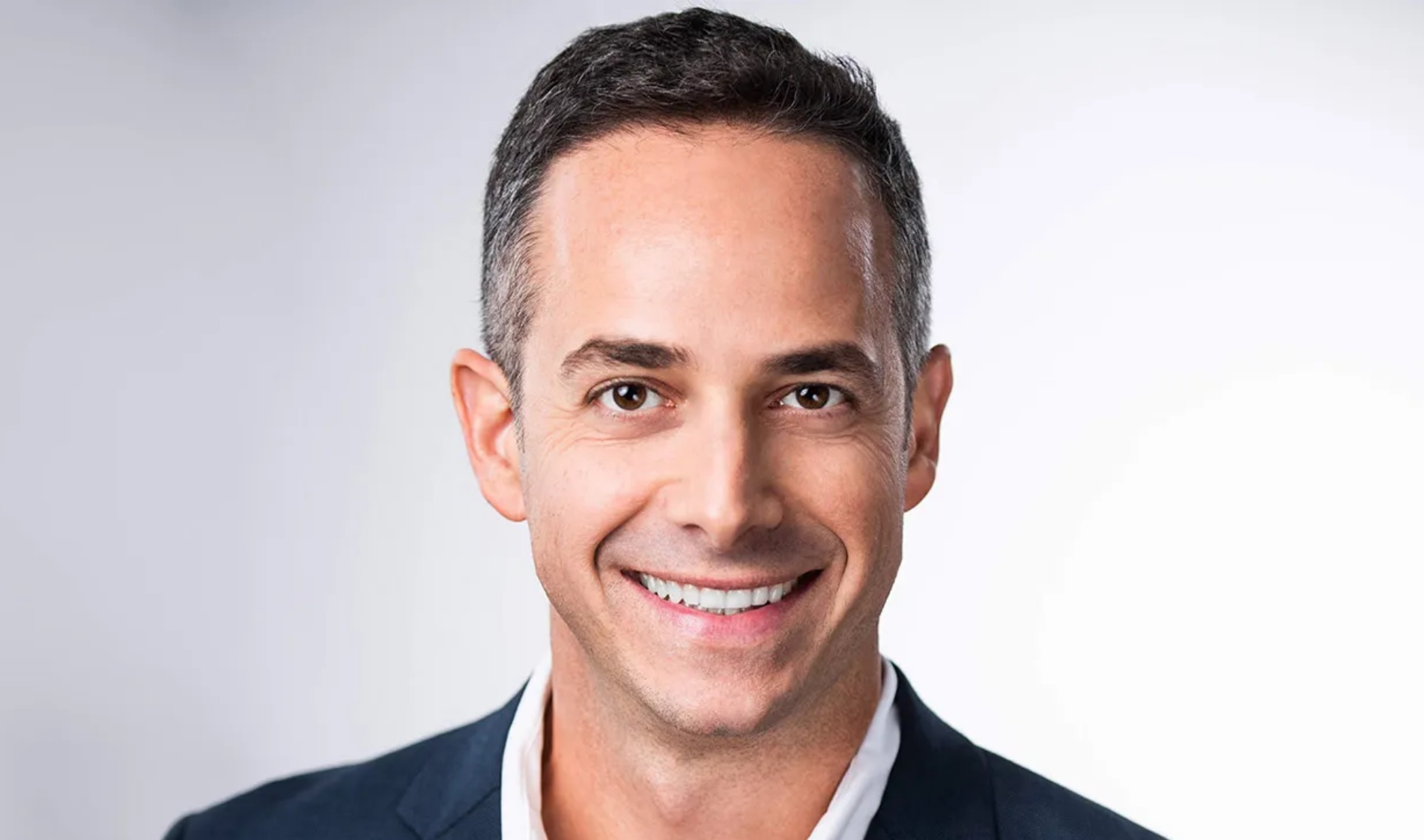
Sony Pictures has been clear about its ambitions. In a formal statement accompanying the hiring announcement, the studio noted that it intends to "expand its longstanding focus on traditional genre films to include theatrical projects from the next generation of digital-native storytellers."
This is a candid admission that the "old way" of developing scripts—relying on high-concept pitches from traditional screenwriters—is being augmented, if not replaced, by a data-driven approach that prizes proven digital concepts. The studio is essentially outsourcing its R&D to the YouTube platform. Instead of spending millions on speculative scripts, they are identifying creators who have already "auditioned" their concepts in front of millions of viewers.
Implications for the Future of Hollywood
The appointment of Goldenberg sends a clear signal to the rest of the industry: the creator invasion is no longer a fringe phenomenon; it is the new establishment.
1. The Death of the "Gatekeeper" Model
For decades, Hollywood functioned on a model where studios acted as the sole gatekeepers of talent. Today, the gate has been torn down. If a creator can build a million-subscriber base, they are effectively a production company unto themselves. Sony’s move acknowledges that it is better to partner with these creators than to compete against them.
2. The Rise of the "Micro-Budget" Blockbuster
Expect to see a shift in Screen Gems’ output. While the studio will continue to produce traditional horror hits, look for a new slate of "micro-budget, high-impact" films. These will likely be produced on a fraction of the budget of a typical studio film, but with a massive, pre-sold audience that traditional marketing spends could never purchase.
3. A New Definition of "Star Power"
The celebrity of the future is not a movie star who happens to be on social media; it is a creator who happens to be in a movie. The success of projects like Iron Lung proves that fans are more loyal to the creator than the medium. Sony is betting that when a creator moves from a screen-recording to a silver screen, their audience will follow.
Conclusion: A Long-Term Play
The hiring of Fede Goldenberg is a watershed moment for the intersection of Silicon Valley and the Hollywood Hills. By installing a YouTube veteran at the helm of Screen Gems, Sony is signaling that the era of the "internet-to-cinema" pipeline has officially begun.
The strategy is not without its risks; not every viral video concept makes for a compelling 90-minute narrative. However, the move is a necessary evolution. As traditional theatrical attendance fluctuates and the competition for eyeballs intensifies, Sony is choosing to align itself with the creators who already hold the keys to the next generation’s attention. For aspiring creators with a penchant for the macabre and a knack for storytelling, the message is clear: Hollywood is no longer a closed club—it is a platform, and Sony is ready to produce your next nightmare.

