

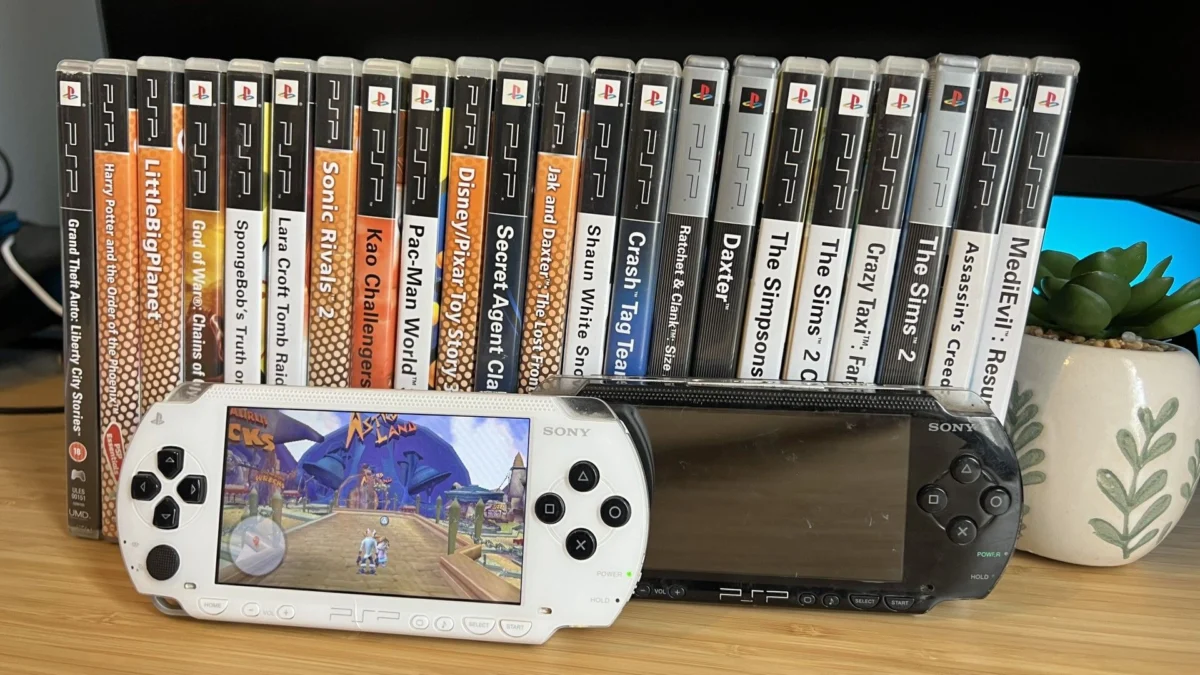
When modern gamers and industry historians discuss the concept of a "console war," their minds invariably drift to high-stakes, multi-generational hardware battles fought under living room televisions. Yet, the portable market of the mid-2000s was just as fierce, defined by corporate brinkmanship, technological ambition, and fierce brand loyalty.
Long before the Nintendo Switch and the Steam Deck popularized modern portable PC gaming, the industry was locked in a David-and-Goliath clash: Nintendo’s revolutionary Nintendo DS facing off against Sony’s sleek, multimedia-focused PlayStation Portable (PSP).
As rumors swirl regarding a potential PlayStation portable device tied to future hardware cycles, former PlayStation executive Shawn Layden has offered a rare, candid look inside the boardroom battles of the past. Speaking in a recent interview on The Expansion Pass, Layden pulled back the curtain on how Sony’s bold entry into the handheld arena sent shockwaves through the industry—and what lessons the tech giant must learn if it ever hopes to return to the portable market.
Main Facts: The High-Stakes Genesis of the PlayStation Portable
When Sony officially pulled back the curtain on the PSP between 2003 and 2005, the announcement was met with genuine alarm by its competitors. At the time, Nintendo was the undisputed, monolithic king of the portable gaming space. Having spent decades dominating the market with the Game Boy, Game Boy Color, and Game Boy Advance, Nintendo had sold hundreds of millions of units, maintaining a virtual monopoly on pocket-sized entertainment.
No other major publisher possessed the capital or the audacity to challenge Nintendo’s dominance in the portable sector. Even as Nintendo prepared to disrupt the market itself with the radical, dual-screen, touch-interface architecture of the Nintendo DS, industry peers viewed the space as impenetrable.
Sony’s entry changed that perception overnight. Equipped with a widescreen display, console-quality 3D graphics, and proprietary Universal Media Disc (UMD) technology, the PSP was a technological powerhouse.
"I remember when we showed the first PSP back in—what was that? 2003, ’04, ’05, something like that," Layden recalled during his interview. "I had a friend who was working at Nintendo, and he sent me a text message saying, ‘You bastards.’ I said, ‘Hey, bro, you know, it’s all fun and games.’"
Despite the initial panic at Nintendo, the marketplace eventually carved out distinct victories for both heavyweights. Nintendo captured the broader casual and family demographics, pushing the DS to an astronomical 154 million lifetime sales. Meanwhile, the PSP carved out a remarkably resilient niche, moving roughly 76 million units—securing its place as the best-selling non-Nintendo handheld in gaming history.
Chronology: From Portable Triumphs to Hardware Struggles
To understand Sony’s current position regarding hardware development, it is essential to trace the chronological evolution of its portable ambitions and the structural hurdles it faced along the way.
The Mid-2000s: The PSP Era and the Piracy Crisis
Upon its release, the PSP captured the imagination of core gamers seeking sophisticated, cinematic experiences on the go. However, the system’s early momentum was severely hindered by rampant software piracy. Because the PSP’s operating system was relatively easy to jailbreak, physical and digital game sales suffered, making third-party publishers wary of supporting the platform long-term.
The system was ultimately saved from commercial stagnation by a unexpected phenomenon: Monster Hunter. The title’s heavy emphasis on local co-op play ignited a massive cultural craze across Japan, driving consumers to purchase PSP units in droves purely to hunt alongside their peers.
The Early 2010s: The PS Vita and Split Marketing
Buoyed by the PSP’s respectable sales numbers, Sony engineered the PlayStation Vita, launched in 2011. However, the Vita’s release coincided with a critical era for the company: the PlayStation 3 was fighting an uphill battle against Microsoft’s Xbox 360 and eventually found its footing later in its lifecycle, while Sony simultaneously attempted to market its new handheld.
This created a severe internal conflict. According to Layden, Sony has historically struggled to market two distinct hardware platforms concurrently. With finite marketing budgets, splitting resources between a home console and a portable device inevitably leads to diluted messaging and operational friction.
Supporting Data: Sales Figures and Market Realities
A quantitative look at handheld history illustrates the steep mountain Sony climbed—and the changing paradigms of consumer preference:
- Nintendo DS: 154 million+ units sold, driven by touch controls, a dual-screen layout, and massive mainstream/casual appeal.
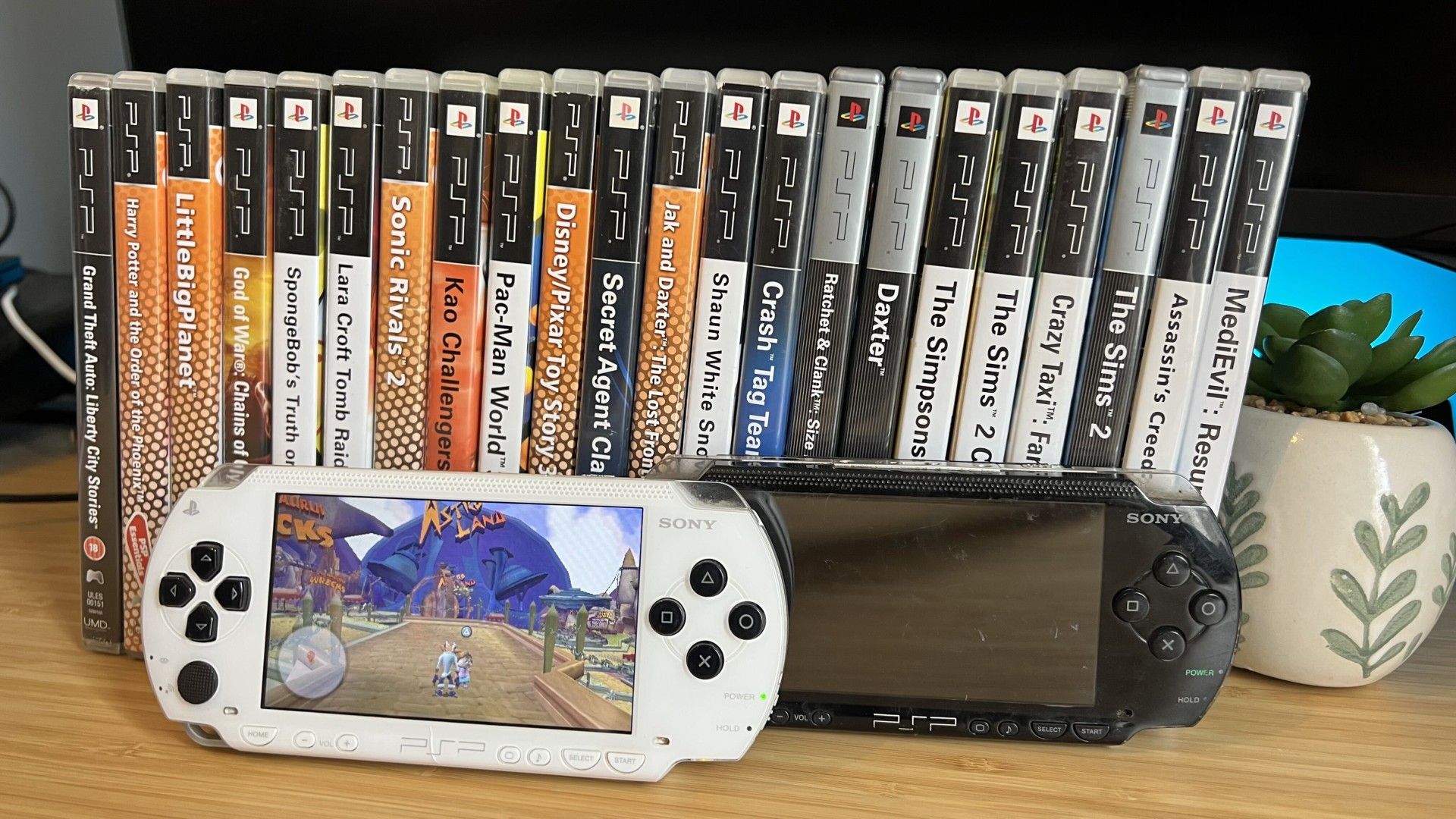
- PlayStation Portable (PSP): 76 million units sold, making it the most successful non-Nintendo handheld ever produced, heavily bolstered by titles like Monster Hunter.
- PlayStation Vita: Estimated at 15 to 16 million units sold, hampered by high proprietary memory card costs, a lack of unified marketing focus, and philosophical design missteps.
- Modern Handheld PCs (Steam Deck, ASUS ROG Ally, Nintendo Switch): Proof that modern consumers favor unified ecosystems where library access and progression seamlessly bridge the gap between desktop/living room and mobile play.
Official Responses and Strategic Warnings
As industry speculation mounts regarding a potential future PlayStation handheld—particularly in the wake of rumors concerning Sony’s hardware roadmaps—Layden’s insights serve as both a cautionary tale and a strategic blueprint.
Reflecting on the structural failures of the PS Vita era, Layden warned that Sony must fundamentally rethink its organizational approach if it wishes to re-enter the portable market.
"Sony has always struggled in marketing two platforms at the same time," Layden explained. "PS3 was a struggle, but PSP was very successful. Then Vita came out and that was doing well, but then PS3 got itself into a better place. You only have so many marketing dollars and so you’re trying to put them against different products."
To avoid repeating the mistakes of the past, Layden floated a radical organizational proposal:
"If Sony does get in the handheld business again, you might almost set up a different company to do it. That would be their only focus instead of having one marketing budget trying to put it against a handheld and a console and software. It loses its focus."
Implications: What a Modern PlayStation Handheld Must Get Right
The gaming landscape of the 2020s is vastly different from the era of the PSP and PS Vita. When Sony launched the Vita, the corporate philosophy was centered on delivering a miniaturized home console experience—forcing developers to create bespoke, scaled-down versions of blockbuster franchises like Uncharted: Golden Abyss or Killzone: Mercenary.
Looking back, Layden acknowledges that this design philosophy misread what handheld users truly desired.
"With Vita, we thought we’re going to bring a console experience into your handheld and you’re going to have this great console game, but [you’re going to] carry it with you. It’s going to be amazing. When we looked back when the smoke cleared, I realized that no, people just want a good handheld experience on their handheld. That’s what they want. They don’t want to replicate a console experience, necessarily."
This sentiment is validated by modern usage data. Platforms like the Steam Deck do see massive blockbuster titles played on the go, but engagement metrics heavily favor bite-sized, highly replayable, handheld-native experiences—such as The Binding of Isaac and Balatro—over sprawling, hundred-hour cinematic epics.
Furthermore, today’s successful portables succeed through ecosystem integration. Devices like the Steam Deck and Nintendo Switch are built on the premise of continuity: your entire library, save data, and digital purchases travel with you wherever you go.
As Sony evaluates its hardware future beyond the current console generation, executive warnings like Layden’s highlight the necessity of strategic clarity. Whether Sony chooses to build a dedicated standalone ecosystem, embrace a hybrid model, or sit out the portable race entirely, one thing is certain: the lessons carved out during the fierce console wars of the mid-2000s will continue to shape the future of interactive entertainment.

