

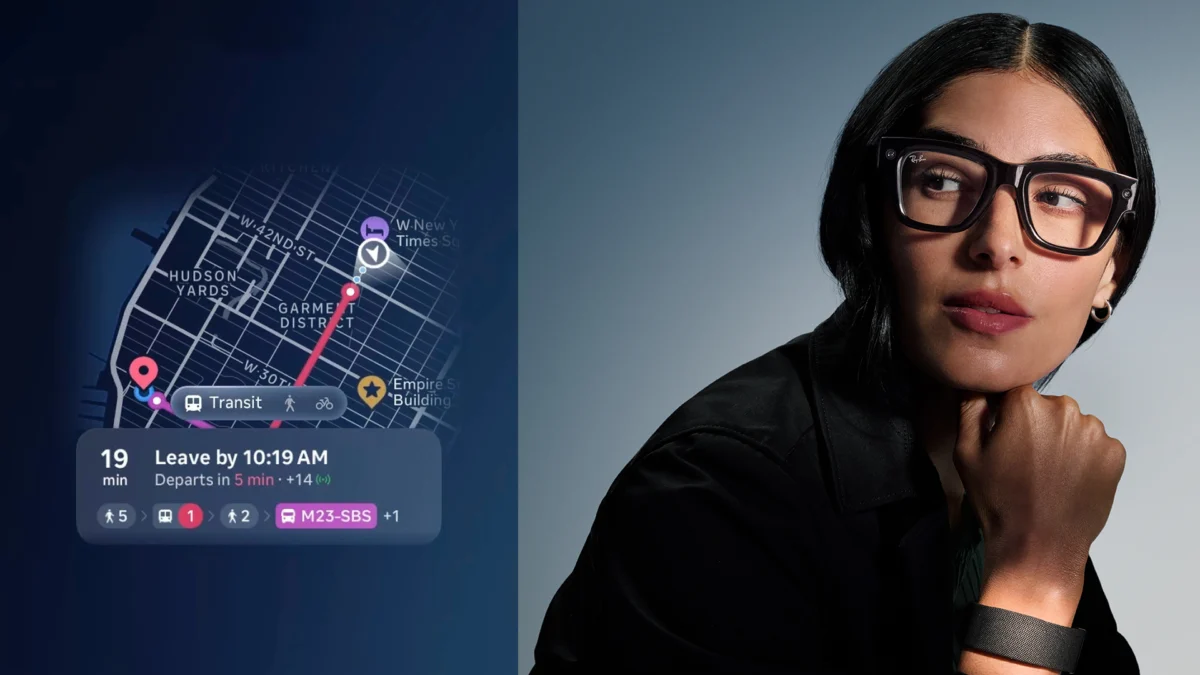
SAN FRANCISCO — During its annual Connect 2026 keynote address, Meta made a sweeping series of announcements regarding the future of its hardware ecosystem, headlined by major updates to the Meta Ray-Ban Display smart glasses. Once constrained by tightly controlled physical retail rollouts and inventory bottlenecks, the heads-up display (HUD) smart glasses are finally going global, moving to online ordering, and gaining a significant suite of software upgrades.
Among the most closely watched announcements are the introduction of third-party app discovery tools, hyper-natural AI-driven navigation, granular notification controls, a dedicated productivity-focused calendar app, and the upcoming debut of Meta’s highly anticipated "Hologram" realistic avatar system for video calls.
Main Facts
Meta’s flagship smart eyewear is breaking out of its initial U.S.-centric, inventory-constrained cocoon. Key takeaways from the Connect 2026 announcements include:
- International Expansion & Online Purchasing: The Meta Ray-Ban Display can now be ordered directly online without requiring an in-store demo or a physical fitting. Following its initial U.S. launch, the glasses are expanding to the UK and Canada immediately, with a scheduled rollout in France, Italy, and Germany on October 13.
- Regional Pricing: Pricing is set at £749 in the UK, CA$1149 in Canada, and €899 across participating European Union nations.
- Hologram Avatars: Rolling out later this year to early-access U.S. users, Meta’s hyper-realistic "Hologram" avatars will debut on WhatsApp video calls, driven entirely by speech-audio data collected through the glasses’ internal microphones.
- Third-Party App Discovery: Meta is launching a dedicated "Explore" app directly on the glasses later this year to help users navigate and discover third-party web apps built for the Meta Neural Band interface.
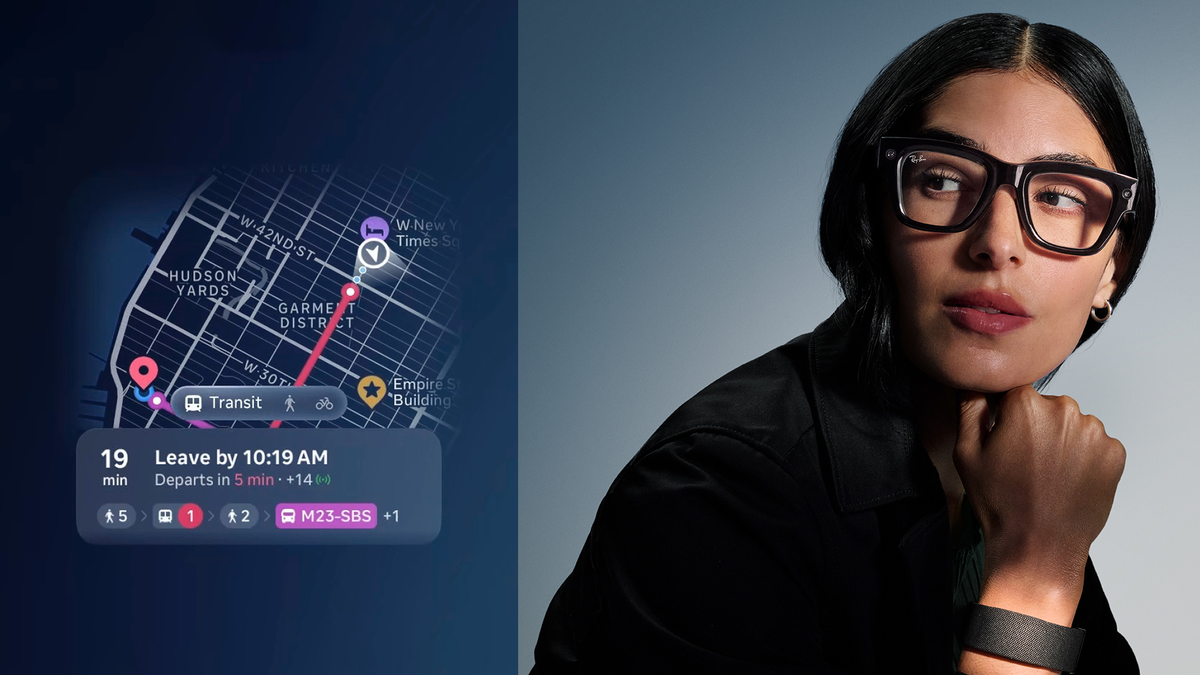
- Navigation & Productivity Enhancements: Navigation is receiving a massive cognitive overhaul, shifting from robotic street names to landmark-based, conversational cues alongside new profiles for cycling and public transit. Additionally, a new native Calendar app allows users to manage invites and join meetings directly from the HUD.
Chronology: From Supply Constraints to Global Scale
The journey of the Meta Ray-Ban Display has been defined by a tense push-and-pull between extraordinary consumer demand and stringent hardware logistics.

Late 2025: The Initial Launch and Bottlenecks
When Meta first unveiled the Meta Ray-Ban Display at Connect 2025, the industry was captivated by the integration of a discreet HUD and the Neural Band input system. At the time, Meta promised a swift international expansion targeting the UK, France, Italy, and Canada by early 2026. However, reality quickly outpaced ambition. High consumer interest collided with constrained component manufacturing, leading to rapid sell-outs across nearly every domestic market.
January 2026: The Pause
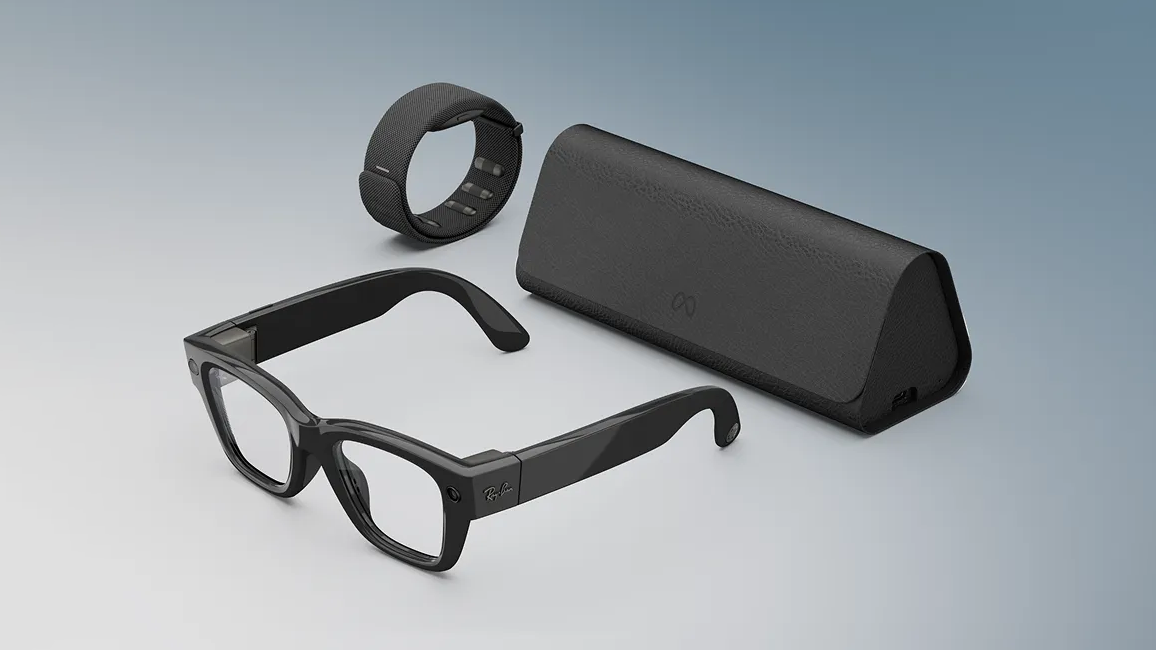
Faced with "unprecedented demand and limited inventory," Meta took the unexpected step of pausing its international rollout plans in January 2026. To purchase a pair, early adopters were forced to book scarce appointments at select brick-and-mortar retail locations. During these physical appointments, store attendants manually measured wrists to ensure optimal Meta Neural Band sizing while simultaneously tailoring prescription lenses. For a consumer electronics product intended for mass-market adoption, the physical friction of acquisition became a major hurdle.
September 2026: Connect 2026 Breakthrough
At Connect 2026, Meta effectively declared that its supply chain hurdles have stabilized enough to open the floodgates. By dismantling the mandatory in-store demo requirement for online buyers and planting firm launch dates across Europe and North America, Meta has signaled that the Ray-Ban Display is ready for its next major phase of commercial maturity.
Supporting Data and Regional Availability
The financial commitment required to enter Meta’s emerging AR ecosystem varies significantly by region. Below is the breakdown of pricing and physical support structures accompanying the global rollout:
| Country / Region | Launch Status | Pricing | In-Store Demo / Fitting Locations |
|---|---|---|---|
| United States | Available Now (Expanded) | US $749 (Est.) | Select nationwide flagship stores |
| United Kingdom | Available Now | £749 | London |
| Canada | Available Now | CA$1149 | Vancouver, Toronto |
| France, Italy, Germany | Launching October 13, 2026 | €899 | Paris, Milan, Rome, Frankfurt, Hamburg, Munich |
For prospective buyers living outside the footprint of designated metropolitan demo hubs, the transition to direct online ordering removes a massive geographical barrier, democratizing access to the hardware for suburban and rural consumers alike.
Official Responses and Software Innovations
Meta’s engineering and product teams used the Connect stage to address some of the most prominent consumer and journalistic criticisms levied against the first-generation hardware—particularly regarding rigid notification systems and robotic navigation.

Natural Navigation and Multi-Modal Transit
At launch, the navigation suite was heavily criticized for leaning on rigid, text-heavy instructions reminiscent of traditional automotive GPS units. Meta announced a complete overhaul to the audio-visual cueing system. Rather than instructing a user to "turn left at Third Street," the glasses will now leverage computer vision and contextual awareness to offer conversational landmarks, such as "turn left at the yellow house ahead."
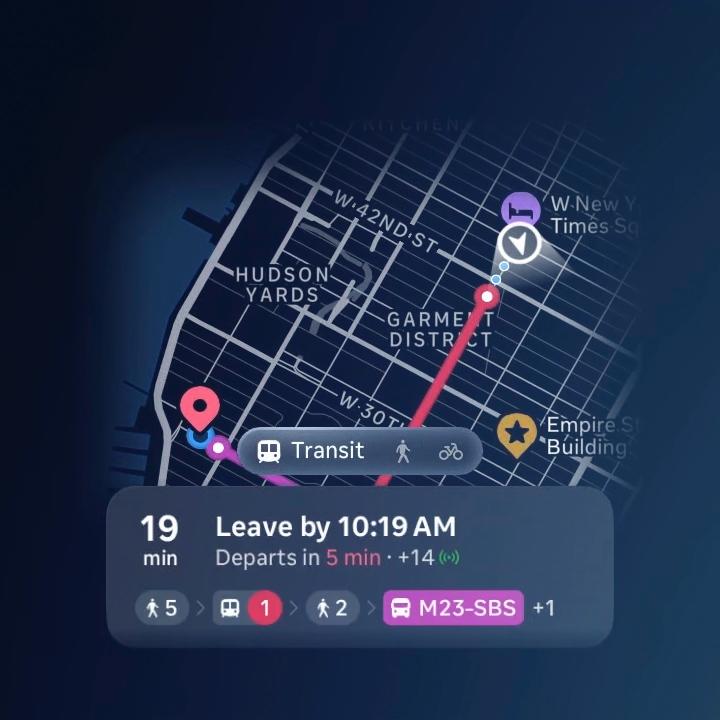
Furthermore, Meta is expanding its routing profiles beyond pedestrian walking to include dedicated navigation modes for cycling and public transit. Despite these upgrades, industry analysts note a lingering limitation: Meta’s navigation remains geo-fenced to select major metropolitan areas, putting it at a competitive disadvantage against rivals like Snap Specs and upcoming Google-powered Samsung HUD solutions.
Granular Notification Controls
Early reviews of the Ray-Ban Display frequently panned its binary notification handling. Initially, the glasses ignored general smartphone notifications entirely, routing only native applets like text messages, WhatsApp, and Messenger. A subsequent software patch swung the pendulum too far in the opposite direction, mirroring all phone notifications with zero customization options, resulting in constant visual clutter in the user’s field of view.
Meta addressed this pain point at Connect, confirming that an upcoming software update will introduce granular notification management. Users will finally be able to audit and toggle off unwanted app alerts directly from the companion interface.

The Rise of the Third-Party App Explorer
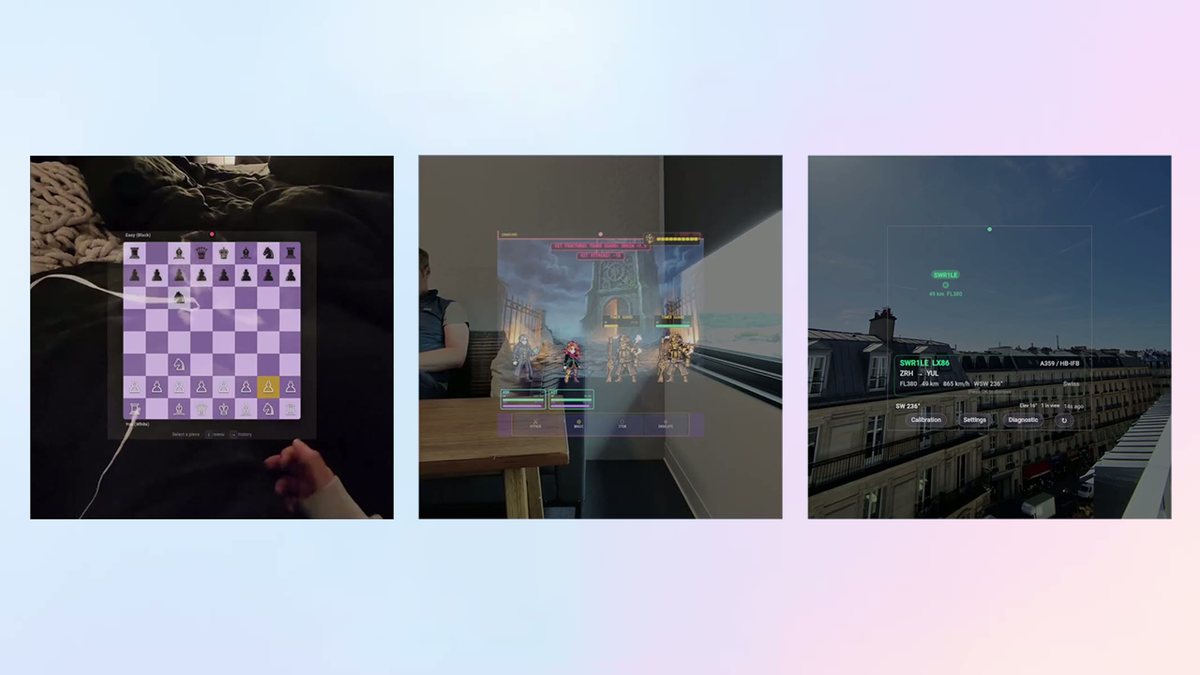
Earlier this year, Meta quietly opened up development toolkits allowing third-party creators to build visual web apps controlled via the Meta Neural Band. While innovative applications quickly flooded developer circles, finding them required scouring social media or tracking niche developer forums.
To bridge this discoverability gap, Meta is launching an Explore app directly on the glasses later this year. The curated storefront will highlight top-tier third-party experiences, serving as a vital stepping stone toward what industry observers suspect could eventually evolve into a dedicated consumer app store for lightweight HUD wearables.
Productivity on the Go: The Calendar App
Building upon the calendar integration introduced for displayless smart glasses last year, Meta is rolling out a dedicated Calendar application specifically designed for the Ray-Ban Display HUD. Users can now review meeting attendee lists, accept or decline calendar invites, and jump directly into scheduled video conferences without pulling out a smartphone. Initially, this productivity feature will remain exclusive to U.S. users.
Implications: The Dawn of ‘Hologram’ Communication
Without a doubt, the cultural centerpiece of Meta’s Connect 2026 hardware announcements is the upcoming introduction of realistic Hologram avatars for video calls.

How Hologram Works
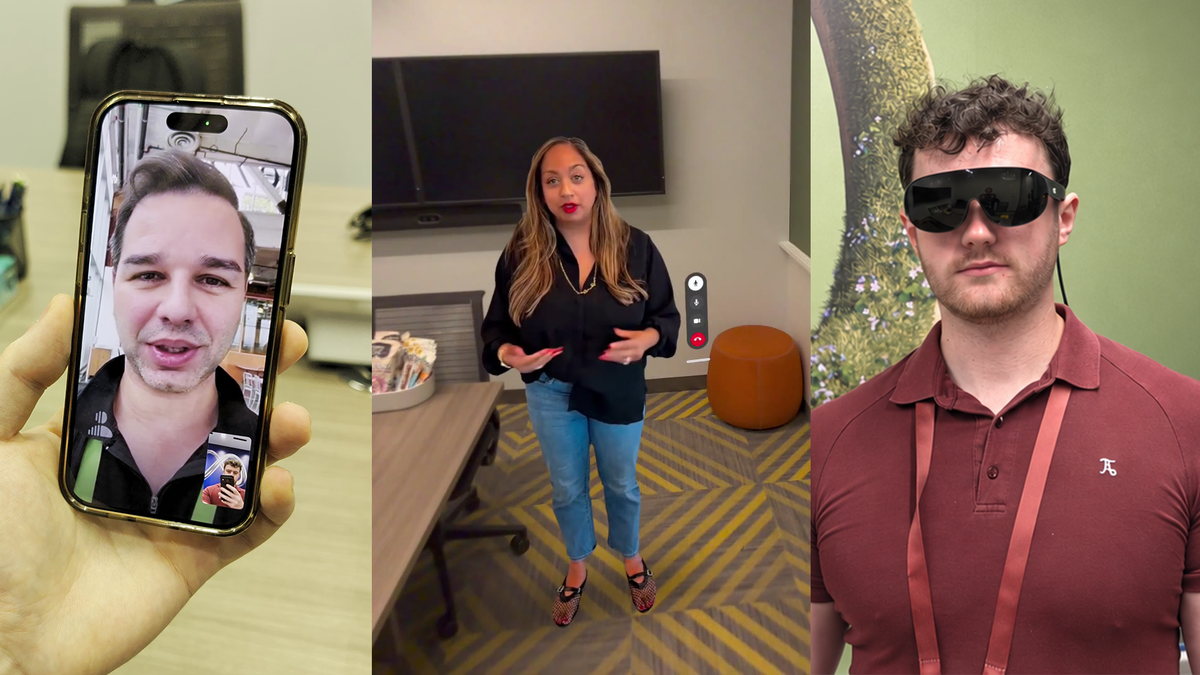
Currently, video calls executed through smart glasses suffer from a lack of personal presence; recipients either see a black screen or an unsteady first-person point-of-view camera feed. Meta’s Hologram system changes this dynamic entirely through synthetic realism.
To set up a Hologram, a user scans their face through the Meta AI application and records roughly one minute of sample speech. Once processed, incoming and outgoing WhatsApp video calls on the Meta Ray-Ban Display can render a real-time, shoulders-up synthetic avatar of the user to the call recipient. Crucially, the avatar’s facial expressions and micro-movements are derived dynamically from the audio signals captured by the glasses’ internal microphones, eliminating the need for complex outward-facing depth sensors on the compact frames.

Industry Implications
The rollout of Hologram avatars—initially arriving for U.S. early-access users later this year—represents a massive philosophical shift in how humanity conducts remote communication. By moving away from cartoonish virtual reality avatars and toward hyper-realistic, AI-rendered synthetic representations driven by wearable hardware, Meta is blurring the line between physical presence and digital projection.
As the Meta Ray-Ban Display sheds its supply-chain shackles, expands across Europe and North America, and receives a robust injection of developer-driven apps and productivity tools, the device is transforming from an experimental gadget for tech enthusiasts into a genuinely viable, mainstream productivity and communication platform.

