

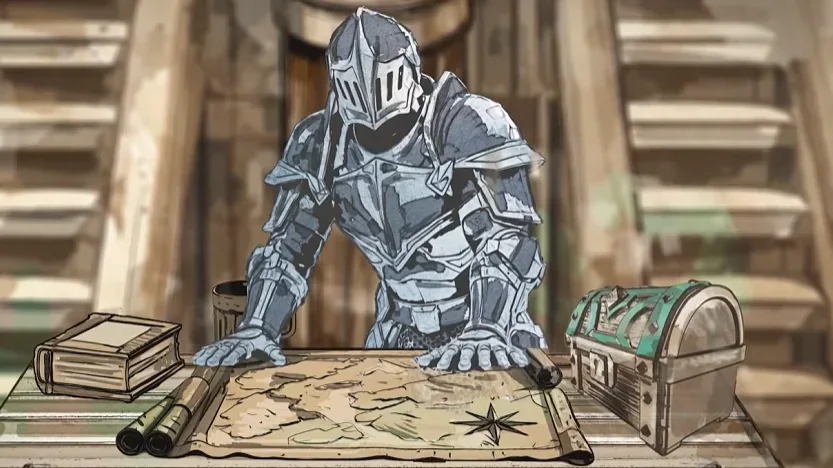
In the modern gaming industry, the line between efficiency and authenticity has become increasingly blurred. For Jagex, the veteran developer behind the iconic MMORPG RuneScape, that line was crossed during the recent RuneFest event. Following the reveal of a promotional trailer for the RuneScape 3 "Dragon Slayer 2" quest, the community quickly identified tell-tale signs of generative AI—specifically, anatomical anomalies and anachronistic character gear. This incident has forced the studio into a defensive posture, revealing deep-seated tensions between corporate outsourcing and the preservation of human-led creative standards.
The Catalyst: A Visual Blunder at RuneFest
The controversy erupted almost immediately after the trailer’s debut at RuneFest, the annual celebration of the RuneScape community. While the event was intended to build hype for the highly anticipated "Dragon Slayer 2" update, the promotional video became the subject of intense scrutiny on platforms like Reddit.
Eagle-eyed fans quickly deconstructed the trailer, pointing out glaring inconsistencies typical of current-generation AI image generators. Most notably, a character depicted in the footage appeared to have a six-fingered hand—a common artifact of AI processing—while another character was adorned with footwear that bore a suspicious resemblance to modern-day Air Jordan sneakers, an absurdity that shattered the immersion of Gielinor’s medieval fantasy setting.
The backlash was swift. For a community that prides itself on the long-standing, hand-crafted history of RuneScape, the inclusion of AI-generated assets was seen not merely as a technical oversight, but as a betrayal of the studio’s core values.
Chronology of a Crisis
The incident at RuneFest did not occur in a vacuum. It represents a compounding issue for Jagex, which has been attempting to navigate the complexities of third-party partnerships in an era of rapid technological advancement.
- Early 2024: Jagex leadership, including SVP of Product James Dobrowski, publicly doubles down on a "no-GenAI" policy regarding in-game assets, promising that no generative AI would touch any element of the player experience.
- Late 2024 (The 100 Thieves Incident): Shortly before the RuneFest controversy, Jagex faced scrutiny following a collaboration with lifestyle brand 100 Thieves. Fans identified AI-generated elements in the promotional materials, forcing Jagex to issue an apology and reaffirm their stance against AI in merchandising.
- RuneFest Reveal: The "Dragon Slayer 2" trailer is unveiled, containing obvious AI artifacts.
- The Immediate Aftermath: Following the community’s discovery, Jagex pulls the trailer from all official channels.
- The Official Response: Jagex issues a formal statement via Reddit and official community channels, admitting to the oversight and promising an immediate overhaul of their vendor review processes.
The Anatomy of the Failure: Outsourcing and Trust
Central to Jagex’s defense is the role of third-party vendors. According to the studio, the trailer was produced by "a trusted external partner" who had explicitly signed off on an agreement that strictly prohibited the use of generative AI in their deliverables.
This raises a critical question regarding the modern gaming supply chain: how much control does a publisher truly have over the creative output of its partners? Jagex’s statement acknowledged that they were "as angry as [the fans] are about this." The developer noted that this was the second time in a short window that a partner had violated the terms of their agreement regarding AI.
The studio’s admission that this highlights "an issue with our own processes which we must address" serves as a candid, if painful, acknowledgment of a breakdown in quality control. When a company as established as Jagex relies on external agencies for marketing, the speed of production often competes with the rigor of the vetting process. In this case, the pursuit of a polished, high-fidelity trailer led to a situation where a vendor, perhaps seeking to cut corners or accelerate their workflow, bypassed the studio’s ethical guidelines.
Official Stance: Defining the Human Boundary
Jagex’s response to the community has been unequivocal. They have attempted to draw a hard line, distinguishing between "tooling efficiency" and "creative generation."
In previous interviews, James Dobrowski articulated the company’s philosophy clearly: "We don’t use generative AI to replace the artists and developers who make our games… we don’t use it in our marketing materials, and we won’t use it in our merchandising or allow its use in partnerships."
The distinction Jagex draws is rooted in the belief that "human craft and creativity matters enormously." The company views its internal development team as the soul of the product. While they remain open to using AI for back-end optimization—such as code debugging or administrative efficiency—they maintain that the "face" of the game must remain exclusively human-made. By ensuring that no AI touches what the player can "touch, hear, or feel," Jagex is positioning itself as a steward of traditional game development in an industry increasingly tempted by the low-cost promises of synthetic media.
The Implications: A Shift in Industry Standards
The "Dragon Slayer 2" debacle serves as a cautionary tale for the broader gaming industry. It highlights several significant shifts in how developers must now manage their business relationships:
1. The Burden of Vetting
The era of "blind trust" in creative agencies is over. Developers will likely need to implement more rigorous, forensic-level reviews of all third-party assets. This includes mandatory disclosure statements from vendors regarding their software pipelines and potentially the use of watermarking or provenance-tracking technology to verify that assets were created by human artists.
2. The Power of Community Vigilance
The RuneScape community acted as an effective, real-time audit team. The speed at which fans identified the six-fingered hand and the "Air Jordan" boots demonstrates that audiences are now more literate in identifying AI-generated content than many corporate marketing departments. This "community watchdog" effect will likely become a permanent fixture of gaming marketing.
3. Rebuilding Cultural Credibility
For Jagex, the next steps are restorative. By committing to "work with and commission creators from the community" to produce the assets for the "Dragon Slayer 2" update, the studio is attempting to pivot from a top-down corporate approach to a grassroots, collaborative one. This is a strategic move to regain the trust of their player base by literally placing the creative power back into the hands of those who care most about the game’s aesthetic integrity.
Conclusion: The Cost of Authenticity
The controversy surrounding RuneScape’s recent promotional material is a symptom of a larger struggle within the gaming industry. As generative AI tools become more sophisticated, the temptation to utilize them for speed and cost-reduction will persist. However, Jagex’s experience proves that the reputational cost of discovery far outweighs the time saved by a rogue vendor.
By taking accountability, pulling the offending content, and promising a systemic overhaul of their vendor relationships, Jagex is attempting to salvage its reputation as a champion of human-made art. The ultimate test, however, will be whether the studio can successfully enforce these policies across a global network of partners. In the digital age, authenticity is not just a brand value; it is a competitive advantage that must be vigilantly protected. For Jagex, the lesson is clear: if the human touch is the product, then the process behind that product must be human, too.

