

By Jeremy Peel
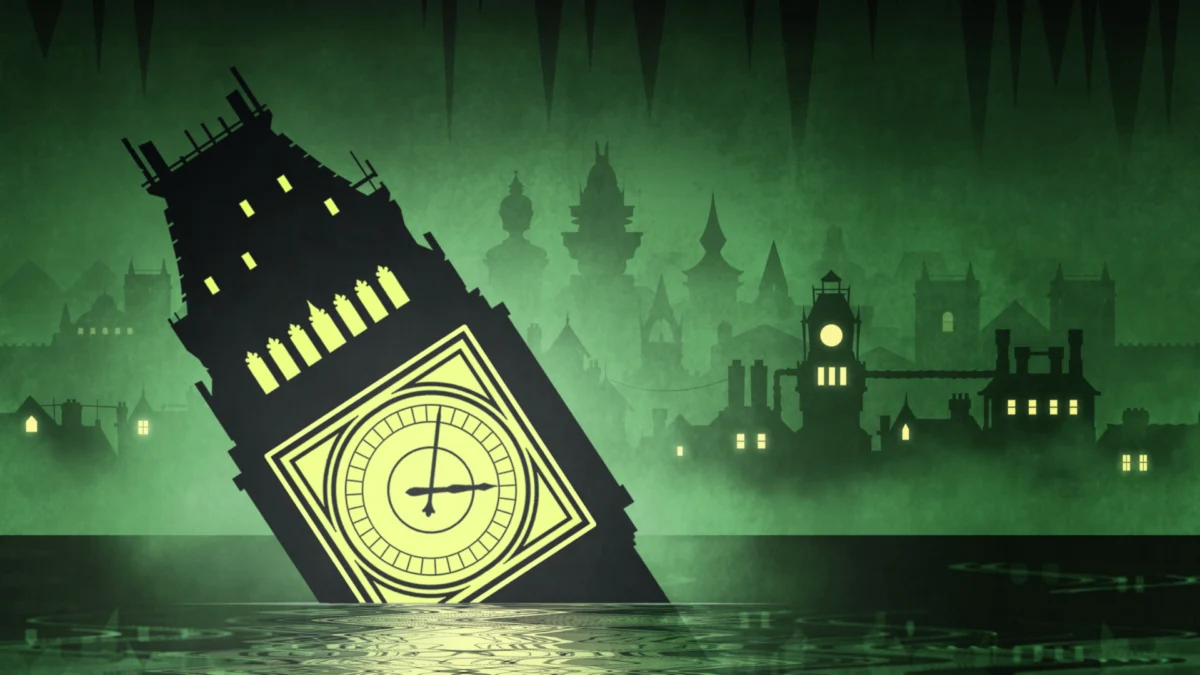
Deep beneath the cobbled streets of a Victorian capital dragged down into subterranean darkness, a literary experiment has been quietly unfolding for a decade and a half. While the broader gaming landscape chases photorealism, open-world bloat, and cinematic budgets, Fallen London—Failbetter Games’ sprawling, text-based browser RPG—operates on an entirely different plane. It is a near-bottomless buffet of comic and cosmic horror, an interlaced network of choice-driven narratives that has steadily grown into a cult institution.
Yet, beyond its evocative prose and sprawling lore of the Unterzee, Fallen London harbors a unique secret: it serves as a clandestine playground where some of the most celebrated narrative architects in the video game industry go to shed their corporate constraints.
From the writers who scripted the emotional climax of Destiny 2: The Final Shape to the minds behind Baldur’s Gate 3 and Borderlands, top-tier talent regularly descends into the dark waters of Failbetter’s universe. Here, unburdened by publisher mandates or AAA development cycles, they craft some of the bravest, most depraved, and deeply moving work of their careers.
Main Facts: The Anatomy of an Exceptional World
To understand the magnetic pull of Fallen London, one must first understand its architecture. Played primarily through a web browser, the game challenges conventional expectations of what digital text adventures can achieve. It is a living, breathing world set in a fictional, subterranean London that was stolen by bats and dragged beneath the earth’s crust.
Players embark on sweeping overarching campaigns that consume in-game resources over months or even years. These epic adventures take them across the dark waters of the Unterzee and up to the cavern roof where false-stars shift and glitter. Over time, the game evolves from a casual mobile distraction into a slow-burn, deeply rewarding parallel existence.
However, nestled between these massive, sprawling plotlines are Exceptional Stories—bite-sized, episodic narrative arcs reserved for subscribers. Delivered monthly like clockwork, these self-contained quests are rarely penned by Failbetter’s in-house staff. Instead, they are handed off to an elite roster of freelance contributors, ranging from AAA heavyweights to esoteric indie developers.
This deliberate reliance on external talent transforms the Exceptional Stories into an unpredictable literary anthology. Each entry introduces fresh characters, distinct moral dilemmas, and unforgettable settings whose fates are irrevocably sealed by the story’s conclusion.
Chronology: A Legacy of Collaborative Darkness
The pedigree of talent contributing to Fallen London spans the history of modern PC gaming. In the early days, the platform relied on foundational voices like Richard Cobbett, whose contributions helped shape the atmospheric bedrock of Failbetter’s universe before he went on to write projects like Nighthawks.
As the years progressed, Failbetter cultivated an open invitation for industry veterans seeking a creative palette cleanser. The timeline of Exceptional Stories reads like a hall of fame for video game storytelling:
- The AAA Influx: As narrative design gained prominence in major studio releases, writers from juggernaut franchises found solace in Failbetter’s text-based sandbox.
- The Indie Vanguard: Simultaneously, esoteric indie developers—known for twisting mechanics, probability, and tone—began leaving their mark on the game’s monthly cadence.
- The Modern Era: Today, the roster includes minds directly responsible for some of the biggest RPGs and shooters of the decade, bringing cinematic-tier conceptual thinking into a medium defined entirely by prose and imagination.
Supporting Data: When AAA Writers Are Unleashed
When major-studio writers are handed the keys to Fallen London, the results are nothing short of revelatory. Unshackled from massive rendering pipelines and mainstream demographic guardrails, their distinct voices emerge with startling clarity.
Baudelaire Welch and The Goblin Poet
Consider Baudelaire Welch, the architect behind the notorious "Dark Urge" path in Baldur’s Gate 3—a mechanic that forces players to grapple with compulsive, forgotten murders. Welch’s contribution to Fallen London, titled The Goblin Poet, is a potently sinister descent into a cult of BDSM bohemians.

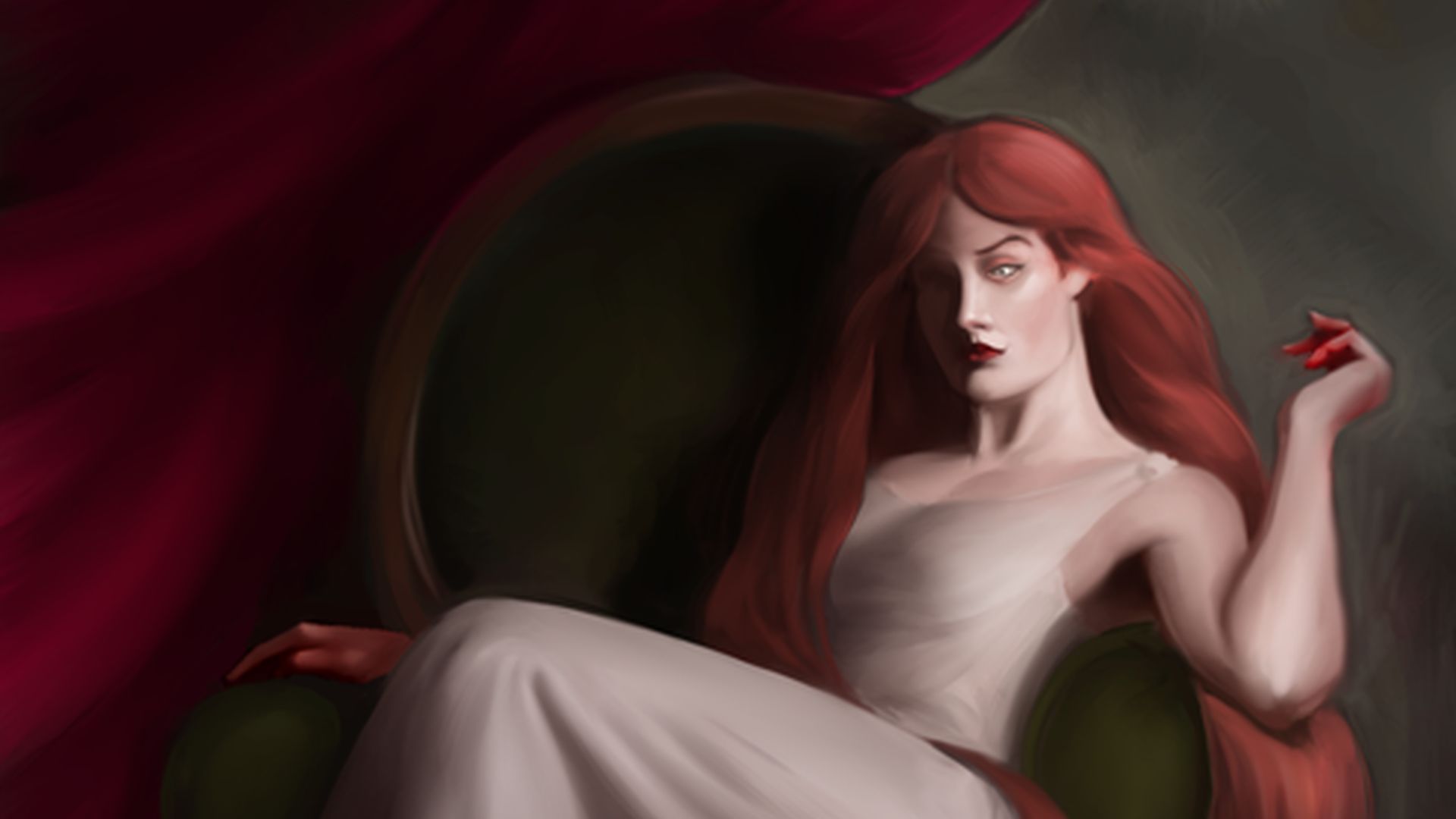
Players follow these artists through a mirror into the Reddest Keep, a viscerally horrible space where the floors are constructed from taxidermied beasts woven into a carpet of rodent death. The cultists toil to capture the beauty of the Red-Handed Queen using their own lifeblood as paint. Yet, the true horror lies in the artists’ fickle adoration. The moment the queen reveals the slightest human imperfection, their devotion curdles into misogynistic rage. As the queen argues against their impossible ideals—“Who is not a different person when they turn to bed for the night? … Why must I be confined to one skin alone?”—the story dissects the toxic nature of idealized worship.
Giada Zavarise and Tired of London
Paradox designer Giada Zavarise channeled the atmospheric dread of Sunless Sea in her contribution, Tired of London. Following a missing person case, the narrative carries players north on a steamer to the Tomb-Colonies, where an ingenue seeks escape from the stifling obligations of nobility among the crumbling near-dead.
The story climaxes with a grand spectacle that only a text-driven game can afford without breaking a budget: a final cruise of the mummified living, designed to end in a split hull and a rush of dark water. As Zavarise vividly writes, “The captain removes the ship’s wheel and throws it overboard,” leaving the ship to list into the black zee as the band plays on.
Cross-Disciplinary Maestros
- Nessa Cannon (Borderlands 4) kicked off a lethal love story in Old, New, Drowned & Blue, taking place deep within the court of the Fathomking.
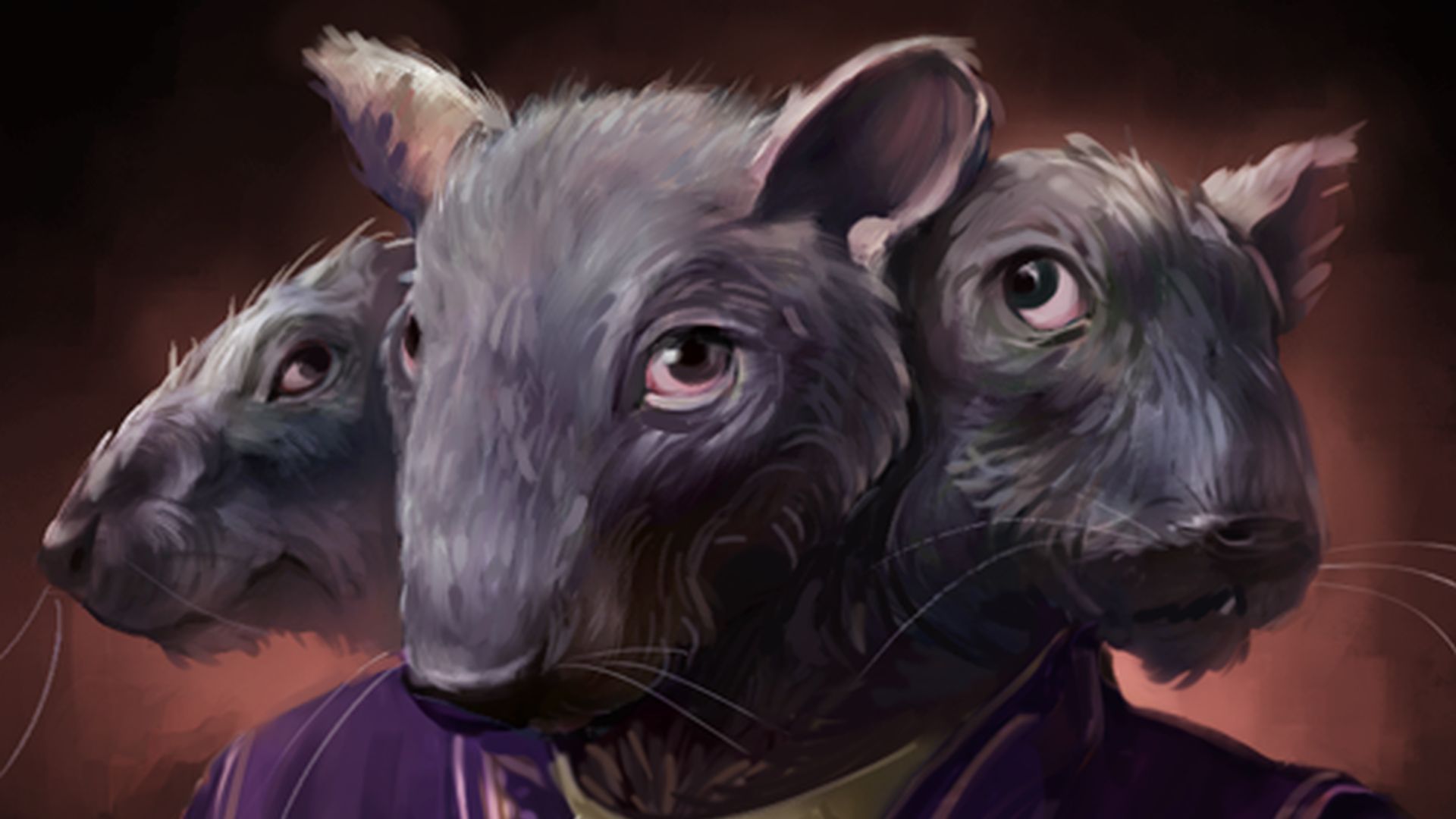
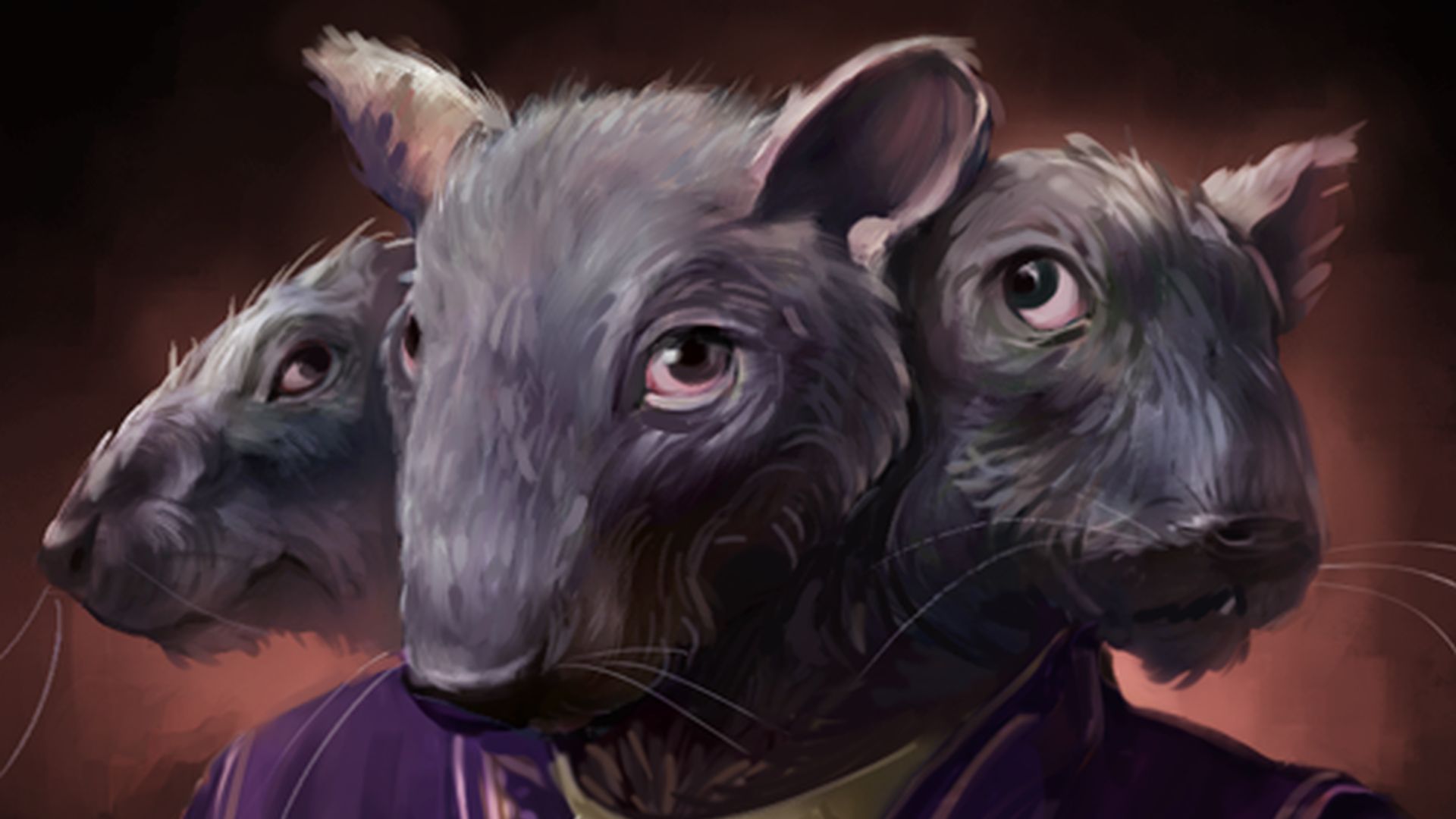
- Hazel Monforton (Dishonored, Destiny) introduced players to a romanceable, three-headed rodent in The Prince of All Rats—a character concept utterly alien to the polished halls of Bungie’s Tower.
- Heather Flowers (Unfair Flips) frequently infuses her contributions with her signature obsession with probability, manipulating dice rolls and psychological tension.
- Jim Rossignol (co-creator of Sir, You Are Being Hunted and veteran games journalist) has contributed dark whimsy through tales of sentient paintings, malevolent stalker-buildings, and aesthetic movements that treat fatal illnesses like high art.
- Annalee Newbery (Anthropy) penned The Poetry of God, a deeply personal narrative focusing on a disabled academic handling dangerous sigils with matter-of-fact fearlessness, wrapped in the sharp prose of a Cold War thriller.
Official Responses and Creative Freedom
For the writers involved, Fallen London offers a rare professional commodity: total creative autonomy. In traditional AAA development, a narrative writer is often a cog in a massive machine, where dialogue must be vetted through cinematic directors, level designers, localization teams, and executive producers.
Failbetter Games operates on a vastly different philosophy. By trusting freelance contributors with self-contained chapters of their universe, they foster an environment where experimentation is not just tolerated, but celebrated.
Industry veterans have frequently noted that writing for Fallen London allows them to explore themes of body horror, philosophical nihilism, dark romance, and social satire that would never clear the risk-averse legal or marketing departments of a publicly traded publisher. The platform acts as a literary laboratory, proving that prose, imagination, and player choice can outstrip millions of dollars in graphical fidelity when it comes to evoking genuine emotional resonance.
Implications: The Future of Collaborative Videogame Writing
The enduring success of Fallen London’s Exceptional Stories points to a broader trend within the games industry: the growing hunger for auteur-driven, bite-sized narratives outside the traditional blockbuster model.
As game budgets balloon and development cycles stretch past half a decade, burnout among narrative designers has become a critical industry crisis. Platforms like Failbetter’s subterranean metropolis offer a sustainable, creatively fulfilling outlet for writers to hone their craft, experiment with unconventional tropes, and connect directly with an engaged, literate audience.

For players, it serves as a reminder that the best video game writing often happens in the margins—away from the marketing hype, deep beneath the digital earth, where words possess more weight than polygons. Whether it is navigating the romantic advances of a multi-headed rat or debating the nature of beauty with a blood-painted queen, Fallen London remains a testament to the power of unbridled creative freedom.
As the game continues to roll out new stories from across the gaming medium, one thing remains clear: these stories are exceptional in every sense of the word. And in the dark corridors of the Reddest Keep, it simply doesn’t get any better.

