

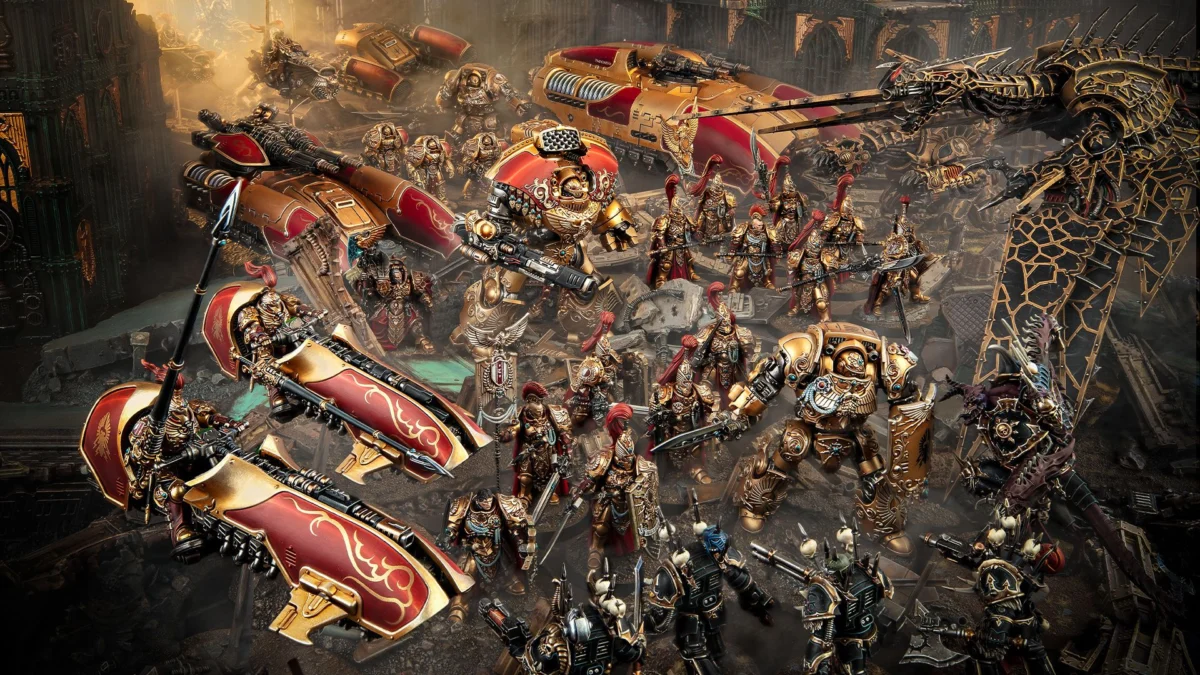
It took Games Workshop four editions of refinement, balancing, and community feedback, but the creators of Warhammer 40,000 have finally managed to crack the code on one of the most mechanically and narratively divisive factions in the game’s expansive universe. With the arrival of the 11th edition Adeptus Custodes codex, the Emperor’s personal bodyguards—often referred to in lore as "The Ten Thousand"—finally match their staggering tabletop rules to their towering mythological reputation.
For years, longtime fans and lore purists experienced a distinct disconnect between the harrowing, near-godlike feats of the Custodes in Black Library novels and their actual performance on a standard 6×4-foot gaming table. When the Adeptus Custodes were first introduced as a fully playable, standalone army in the 8th edition, the move was met with immediate skepticism. According to the foundational lore of Warhammer 40,000, a single Custodian is to a Space Marine what a Space Marine is to an ordinary human. Seeing entire squads of these golden champions gunned down en masse by baseline infantry like T’au Fire Warriors felt jarringly out of place.
Now, with the 11th edition ruleset rolling out pre-orders and hitting retail shelves, Games Workshop has recalibrated the faction to make them feel less like over-costed Space Marine Terminators and more like the unstoppable, terrifying demigods they were always meant to be.
Chronology of an Army: From Humble Beginnings to Tabletop Dominance
To understand why the 11th edition codex is such a monumental turning point for the Adeptus Custodes, it is necessary to look back at how the faction evolved across recent editions of Warhammer 40K.
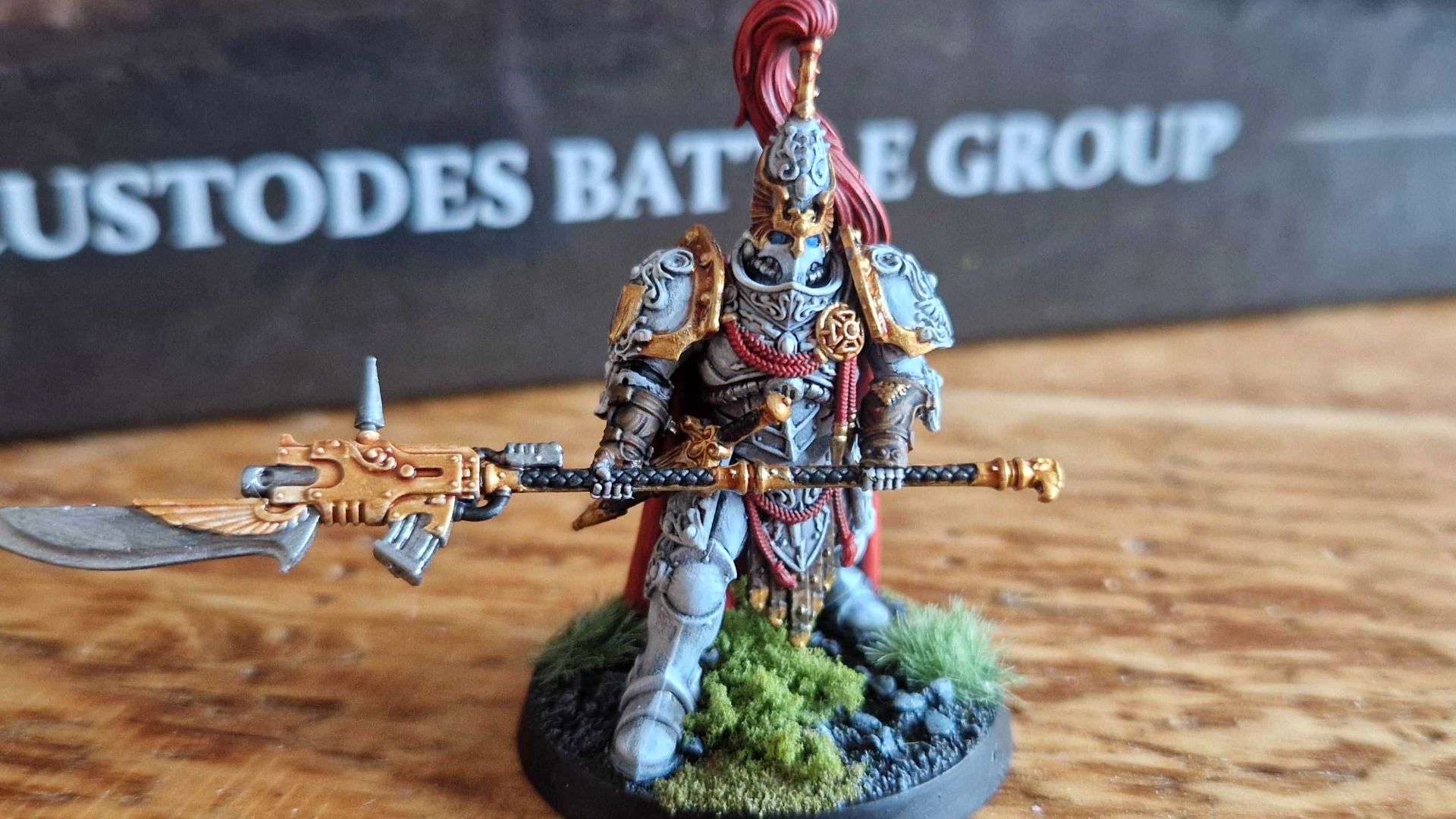
- Pre-8th Edition (The Lore Era): Prior to 2017, the Adeptus Custodes were strictly background figures. Mentioned frequently in Horus Heresy codexes and rulebooks, they were visual set pieces guarding the Golden Throne on Terra, rarely seen marching to war on active battlefields unless humanity faced an extinction-level threat.
- 8th Edition Introduction: Games Workshop officially launched the Custodes as a playable army. While visually stunning, players struggled to balance their high point costs with the reality of standard mission objectives, often leading to skewed gameplay dynamics.
- 9th and 10th Editions: The faction received expanded model ranges, including various Terminators, bikes, and specialized dreadnoughts. However, rules bloat and balancing constraints reduced them mechanically to "jumped-up Space Marines," failing to capture the true power scaling described in official fiction.
- 11th Edition Release (Current): The latest codex drops alongside a restructured ruleset that re-imagines how elite, ultra-low model count armies function, finally bridging the gap between lore accuracy and competitive tabletop viability.
Crunching the Numbers: Statlines That Reflect Legendary Status
The core of the 11th edition overhaul lies in the raw statlines of the Adeptus Custodes. Even the baseline rank-and-file models—if such a term can even be applied to the Emperor’s chosen—now project an aura of near-invulnerability.
At a minimum, players can expect the following baseline profile for standard infantry:
- Toughness: 7
- Wounds: 5 per model
- Armor Save: 2+
- Invulnerable Save: 4+
- Feel No Pain (against mortal wounds): 5+
To put this into perspective, a standard Custodian is now inherently tougher than a Space Marine Captain. Meanwhile, elite units such as the Aquilon Terminators and the high-speed Gyrfalcon Jetbikes boast profiles that easily eclipse iconic chapter masters like Marneus Calgar. Opposing armies will require massive, highly coordinated, and concentrated anti-tank firepower just to scratch a single squad—and even that may not be enough to secure a kill.
Weapon Profiles Get a Massive Lethality Boost
It isn’t just defensive resilience that has been dialed up; offensive capabilities have also been vastly improved to match their status as master artisans of war:

- Sentinel Guard Blades: Gained an additional attack, with damage output increased to a flat 2.
- Castellan Axes (Wardens & Terminators): Pushed to Strength 10 with a staggering Damage 4 profile.
- Ranged Weaponry: Almost universally upgraded with increased Strength values and doubled shot counts.
Vehicle options have also experienced a significant glow-up. While the faction has bid farewell to the Land Raider, their proprietary tanks and dreadnoughts are terrifying additions. The Pallas Grav-Attack’s primary weapon has transformed from a minor chaff-clearing utility tool into a dedicated terminator-deleting engine. Furthermore, specialized detachments allow platforms like the Telemon Heavy Dreadnought to rival the indomitable durability of Necron C’tan shards.
Mechanics and Army Rules: Bringing Back the Flavor
Beyond raw stats, the 11th edition codex revitalizes army mechanics to give players deep tactical flexibility.
The faction’s signature army rule, Martial Ka’tahs—affectionately nicknamed "karate" by the community—has been redesigned. Custodes units now begin each turn in a "readied" state, giving commanders the ability to expend this status to activate one of six distinct Ka’tahs. These range from high-mobility tactical maneuvers (such as passing through enemy models or performing actions while advancing and shooting) to devastating combat buffs like lethal hits or rerolling hit rolls of 1 in close combat.
Thirteen New Detachments
The new book introduces 13 distinct detachments, allowing players to tailor their armies to specific playstyles and preferred model types. Longtime fans will celebrate the official return of the classic Shield Hosts—subfactions defined by unique specializations:

- Shadow Keepers: Gain enhanced defensive resilience while contesting objectives.
- Solar Watch: Focus heavily on superior map mobility and repositioning.
- Dread Host: Master the art of manipulating movement directly into and out of melee combat.
Each Shield Host features a favored Ka’tah, granting specialized bonuses when activated, successfully restoring the distinct identity and narrative flavor that many felt was missing from previous iterations.
Official Responses and Industry Reception
Reactions from both competitive players and casual narrative enthusiasts have been overwhelmingly positive, though tempered by a healthy dose of analytical caution.
Tabletop critics and community leaders have pointed out that while the mechanical direction is a triumph of design philosophy, the ultimate success of the faction will hinge entirely on points costs. Because the units are individually so powerful and resilient, point values must be meticulously calibrated. If points are set too low, the army risks becoming an overpowered terror that dominates the meta; if set too high, players may find themselves severely outnumbered on objective-heavy boards.
Speaking on the broader design philosophy behind the early 11th edition books, lead rules developers at Games Workshop emphasized a shift toward emotional resonance and faction identity. "The goal was to make players feel the weight of what these characters represent in the universe," one development insider noted. "If you field three Custodians, your opponent needs to feel like they are fighting three mythological heroes, not just expensive infantry."
Implications for the Broader Tabletop Meta
The release of the Adeptus Custodes codex carries several major implications for the current Warhammer 40,000 competitive and casual landscape:
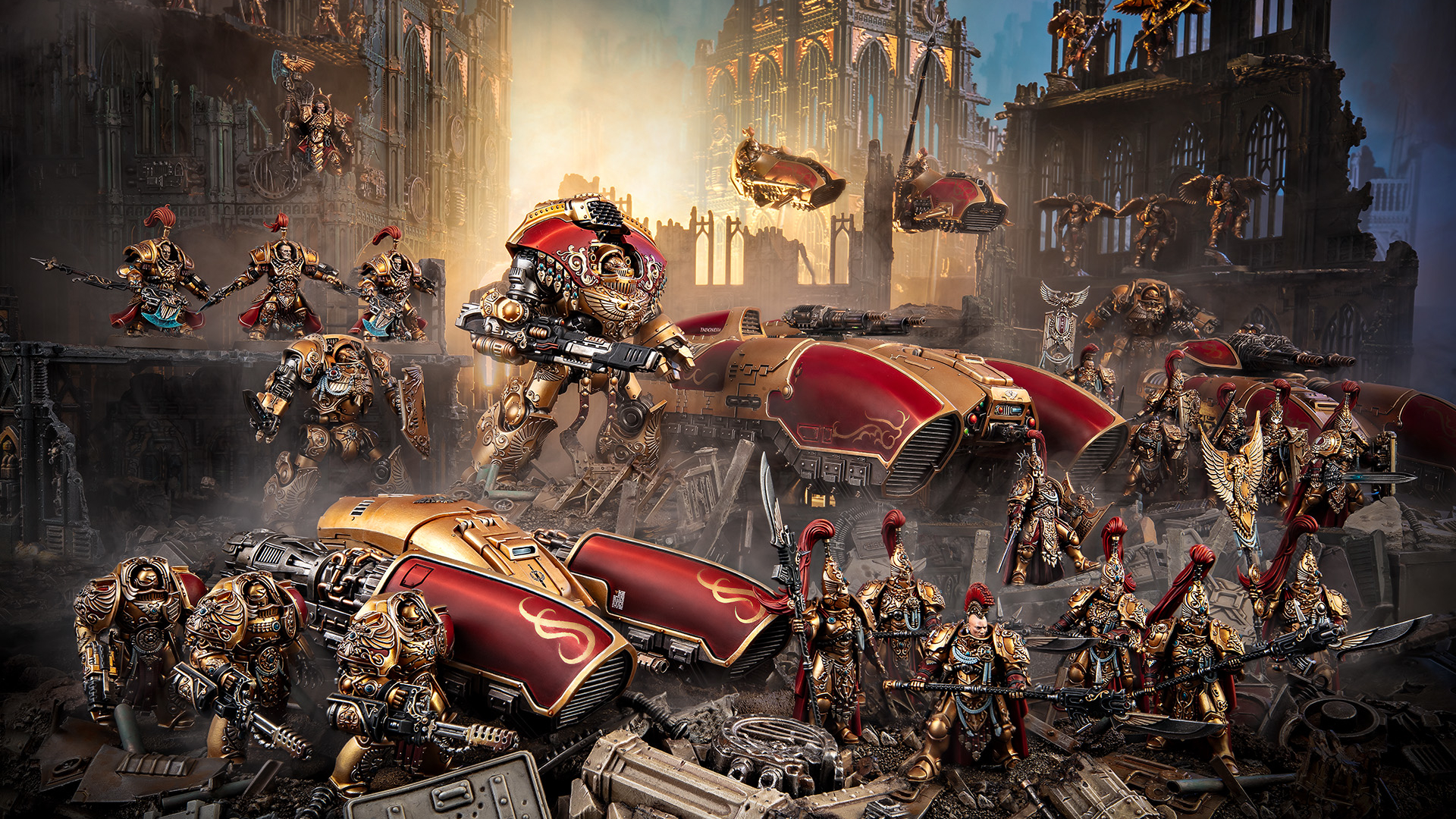
- A Shift to Hyper-Elite Armies: With individual models boasting higher costs, increased durability, and greater lethality, armies will likely pivot away from large blocks of infantry toward hyper-elite three-man strike teams. This completely changes how players manage board control and objective saturation.
- Meta Adaptation for Xenos and Imperial Factions Alike: Armies that previously relied on high volumes of low-strength attacks (such as Orks, Tyranids, and Astra Militarum) will have to radically re-evaluate their anti-armor and elite-removal strategies to crack Toughness 7 models with multiple wounds and invulnerable saves.
- Future Balancing Precedents: Following the strong releases of the Space Marine and Ork codexes earlier in the edition, the Custodes demonstrate Games Workshop’s commitment to prioritizing thematic accuracy over strict mathematical homogenization. Any initial imbalances caused by points miscalculations can, and likely will, be adjusted via digital balance dataslates.
Ultimately, Games Workshop has succeeded where it matters most: capturing the true "vibes" of the Adeptus Custodes. For the first time in tabletop history, facing down the Emperor’s golden guard feels like stepping straight out of the pages of a Warhammer 40,000 novel—and for the hobby community, that is a victory worth celebrating.

