

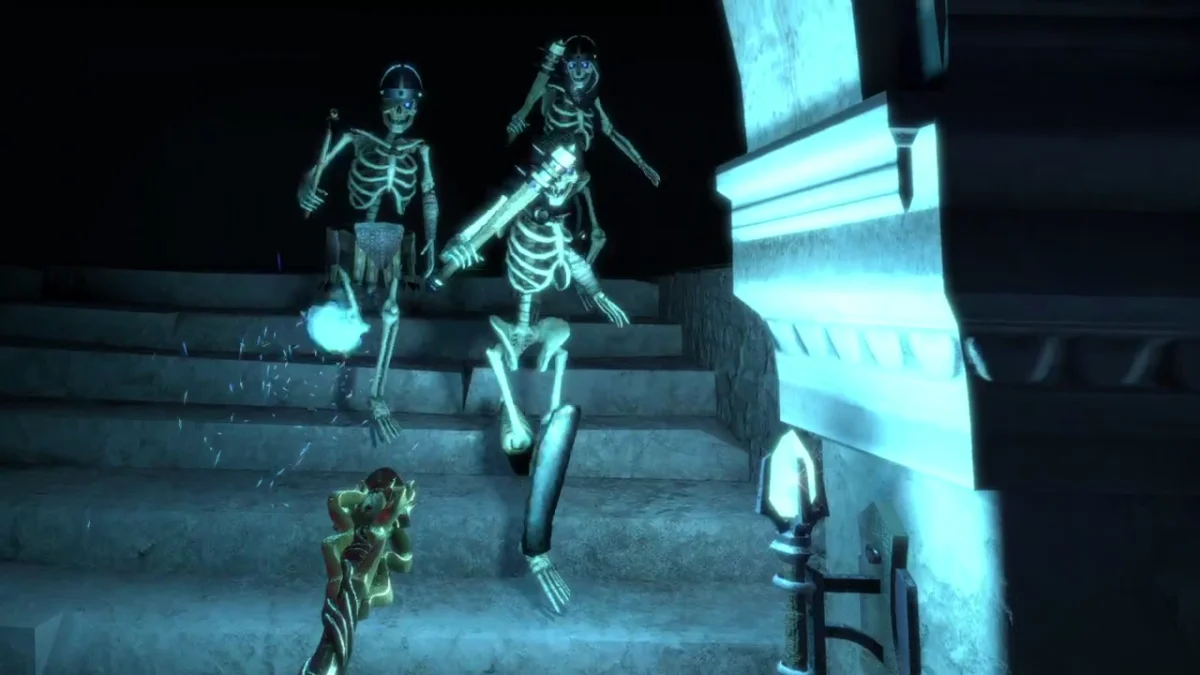
As developer Othergate’s celebrated VR action-RPG Dungeons of Eternity approaches its third anniversary on October 5, 2026, the game is receiving a much-needed injection of structural variety. For nearly three years, the title has relied on a reliable yet rigid triad of core activities: Soul Harvest (green dungeons for crafting potions), Crystal Hunt (blue dungeons for unlocking player perks), and Dungeon Raids (red dungeons for gathering weapons, armor, and cosmetics).
While Othergate continuously refreshed these experiences through environmental design variations, seasonal events, and outpost expansions, the foundational gameplay loops remained fundamentally untouched. Enter the Tomb Extraction update—a free expansion released on September 21, 2026, across Meta Quest and SteamVR platforms (tested on Steam via Meta Quest 3). By introducing player-driven procedural generation, high-stakes "naked" loadouts, and a completely fresh suite of gear, Tomb Extraction succeeds in upending the game’s comfortable routine, even if its current implementation exposes minor limitations in long-term solo viability.
Main Facts
- Update Tomb Extraction
- Game: Dungeons of Eternity
- Developer: Othergate
- Release Date: September 21, 2026 (Leading into the game’s third anniversary on October 5, 2026)
- Platforms: Meta Quest, SteamVR (Reviewed using Steam on Meta Quest 3)
- Pricing: The update is entirely free; the base game retails for $29.99.
- Core Additions: A new rune-based dungeon generation system, "naked run" mechanics stripped of persistent inventory, dynamic lighting challenges, two new hand-slot ring categories featuring over 30 unique perks, and the new Crypt Guard enemy type.
Chronology of the Update and Integration Loop
To understand how Tomb Extraction fits into the broader Dungeons of Eternity ecosystem, one must examine how Othergate engineered the progression loop. The update does not simply dump players into a new arena; it establishes an interconnected gameplay dependency that revitalizes older content.
Upon stepping into a newly renovated sector of the game’s central outpost, players are introduced to the rune system. Rather than selecting a pre-generated mission from a standard board, players input specific sequences of runes. This runic sequence acts as the blueprint for the upcoming run, directly determining the architectural layout, modifier difficulty tiers, and loot tables of the targeted tomb.
However, players cannot immediately access every configuration. While a starter set of runes is provided to everyone out of the box, expanding your repertoire requires a clever cross-play loop between the new mode and traditional content. To unlock advanced runes, players must dive back into traditional Dungeon Raids (the red dungeons) to hunt down four hidden runic blocks. Once secured, these blocks are placed into a specialized chest. Opening this chest yields a brand-new rune type alongside a specialized gem required to activate the extraction run.
While these activation gems can be purchased directly from the outpost vendor using in-game currency, the acquisition of novel runes remains strictly tied to running red dungeons. This bi-directional design prevents the community from abandoning legacy content, weaving the new extraction mechanics neatly into the pre-existing endgame progression.
Supporting Data and Gameplay Mechanics
The defining feature of Tomb Extraction is its radical departure from the game’s established economy of power. Historically, Dungeons of Eternity allowed players to march into dungeons heavily armed with their favorite upgraded loadouts, custom weapons, and carefully curated arsenals.
Tomb Extraction strips all of that away.
The "Naked Run" Paradigm
Upon loading into an extraction session, players enter an antechamber devoid of their personal inventory and weapon slots. Instead, they are presented with a restricted choice of five foundational items to choose from. This constraint forces players to completely rethink their tactical approach, balancing raw survival against utility.
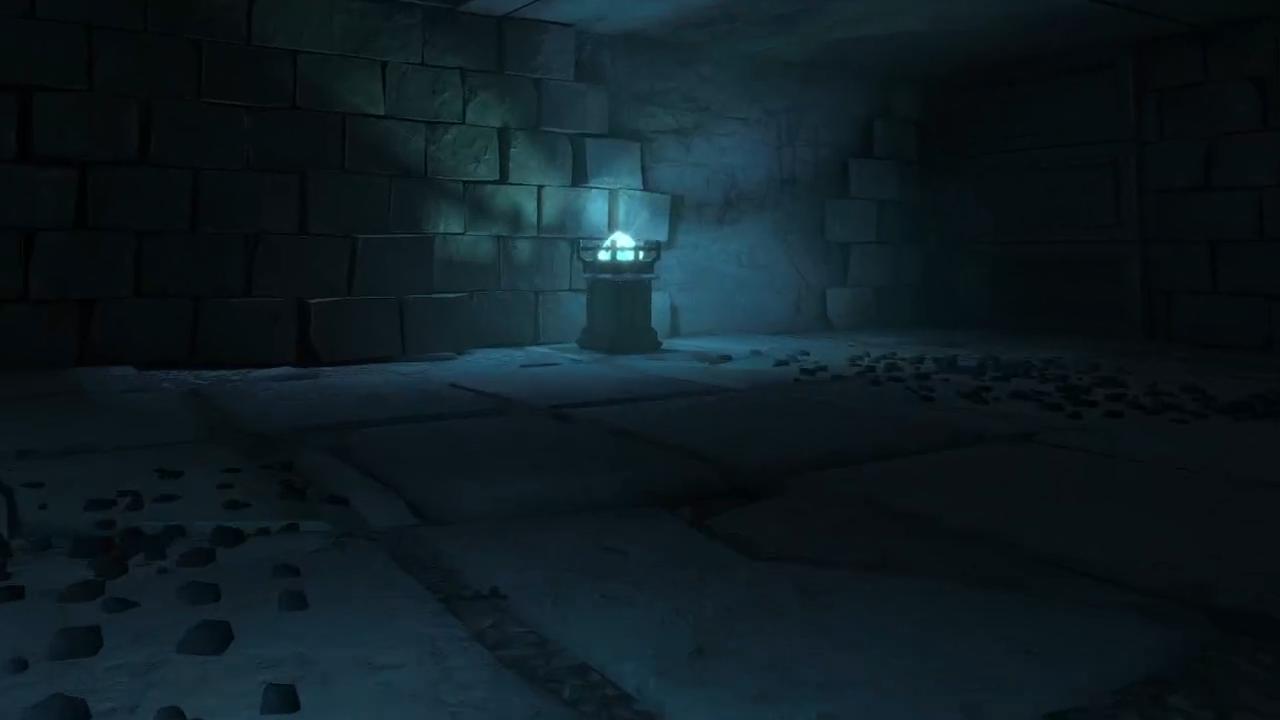
Chief among these strategic dilemmas is the issue of illumination. The tomb extraction maps are eerily, pitch-black affairs.
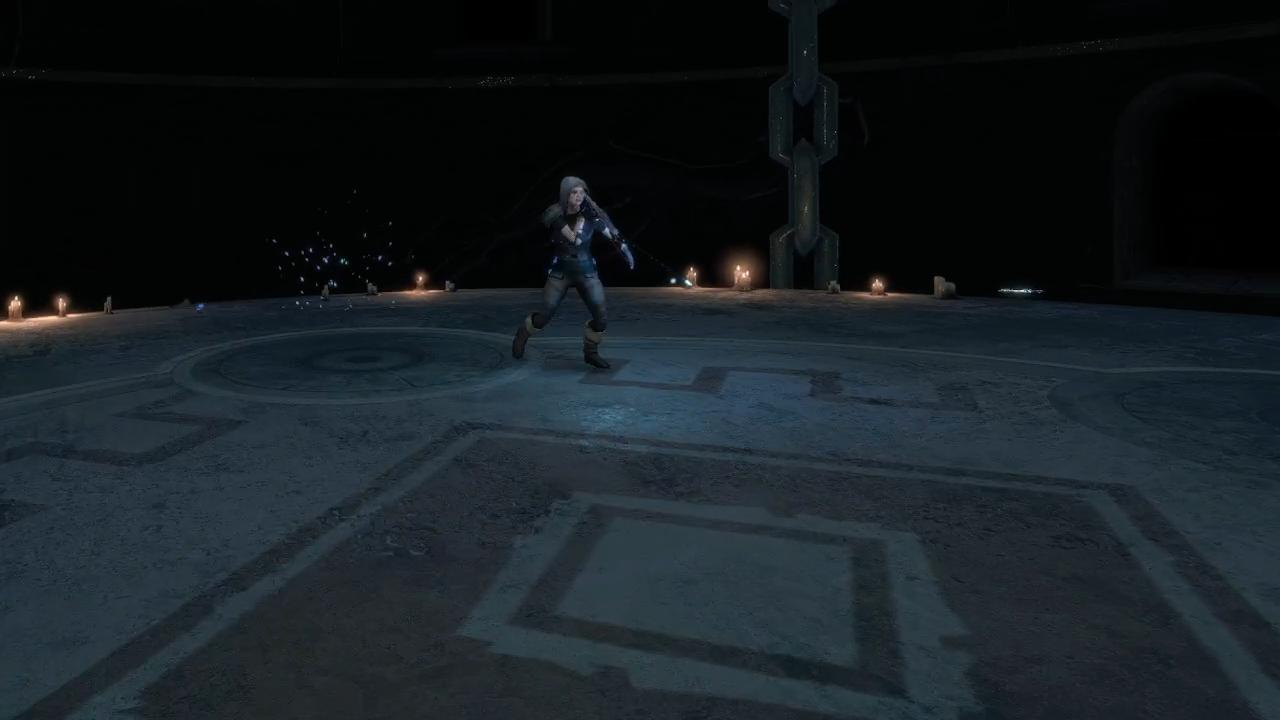
- Solo Play Impediments: Solo runners quickly discover that failing to select the bow or the magic staff leaves them stumbling blindly through absolute darkness. Yet, selecting a ranged or magical light source often forces players to sacrifice vital melee options. Furthermore, unless a player has unlocked advanced shoulder inventory slots or is willing to navigate in the dark without a weapon, they often lack the heavy hammer required to smash open sealed tombs—effectively locking them out of high-value regional loot.
- Co-op Synergies: These restrictions evaporate when playing with friends. In a cooperative party of two to four players, team composition can be balanced so that distinct members carry light sources, crowd-control staves, and tomb-busting hammers. Consequently, Tomb Extraction delivers its absolute best experience when tackled co-operatively, outshining standard dungeon types in fostering genuine team interdependence.
Combat and Encounter Design
While the atmosphere is thick and suspenseful, combat encounters can occasionally feel bottlenecked. The limited pool of five starting weapons means that specialized builds take a backseat to whatever is available on the stone slab at spawn. Spamming explosions with the orb staff remains a visual and kinetic treat, but after multiple consecutive runs, the reliance on basic daggers and hammers for melee can grow formulaic.
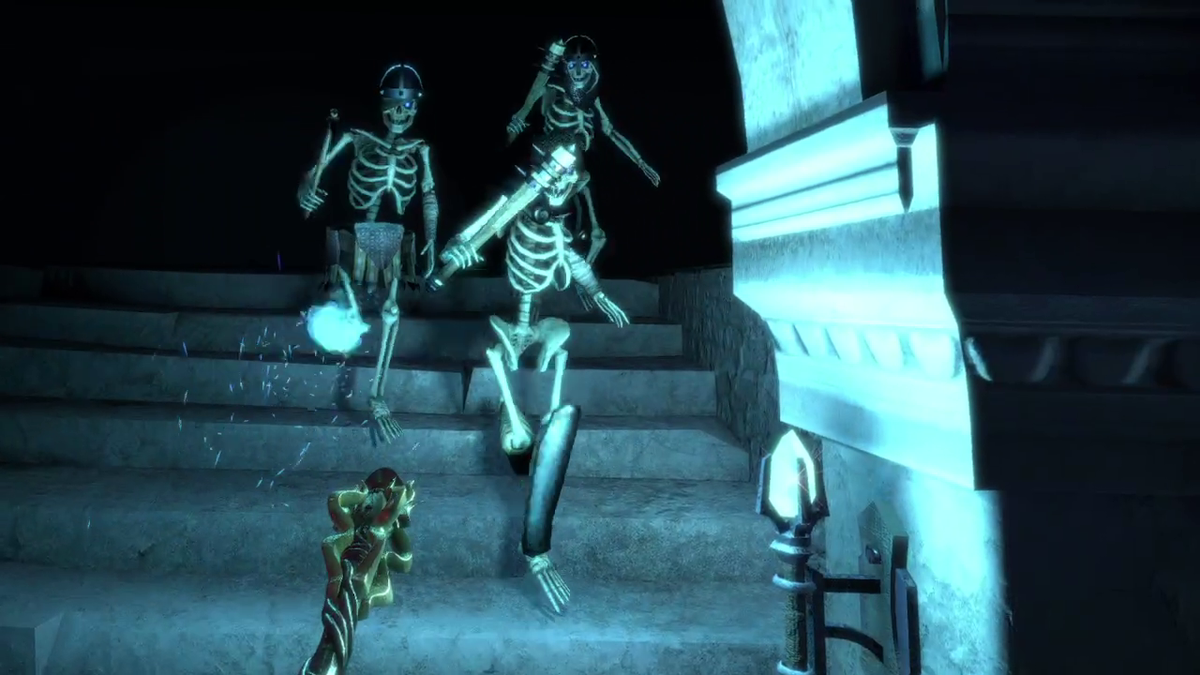
Enemy variety within the tombs is similarly focused. The corridors are populated primarily by skeletal variants alongside a single new foe: the Crypt Guard. While the Crypt Guard is not mechanically overwhelming—easily dispatched with well-timed hammer strikes or dagger slashes—it adds a distinct silhouette to the frontline ranks. Supported by the franchise’s signature punchy sound design, responsive haptics, and atmospheric musical scores, the core physical combat remains thoroughly enjoyable.
The Ring Economy and Loot Incentives
For veteran players who have long since capped out their progression trees, the ultimate draw of Tomb Extraction lies in its loot table. The update introduces two new gear slots—one ring for each hand.
More than thirty unique rings have been added to the game, each bestowing specialized passive perks that integrate directly into the broader character-building framework. Because these rings are exclusive drops within Tomb Extraction, they provide an immediate, compulsive grind for endgame players. Additionally, anecdotal observations from community runs suggest that extraction chests offer higher gold payouts than their traditional dungeon counterparts, accelerating wealth accumulation for those willing to brave the dark.
Official Responses and Developer Intentions
Othergate’s design philosophy behind the Tomb Extraction update centers on longevity and player agency. Speaking around the rollout of the three-year milestone, studio representatives noted that while adding weapons and enemies to existing modes provides short-term engagement, structural stagnation remains the primary threat to long-term VR retention.
By shifting the burden of dungeon creation onto the player via rune combinations, Othergate has successfully gamified map generation. The studio intentionally designed the update to feel less like a localized event and more like an evolutionary step for the franchise’s core loop. By forcing players to alternate between Dungeon Raids and Tomb Extractions, Othergate has avoided the common live-service pitfall of compartmentalizing new content, ensuring that the game’s entire ecosystem remains active.
Implications for the Industry and the Future of Dungeons of Eternity
The arrival of Tomb Extraction carries significant implications not only for Dungeons of Eternity but for the broader landscape of standalone VR action-RPGs.
- Combating Content Fatigue in Mature VR Titles: As VR platforms mature, developers face the challenge of keeping multi-year-old games relevant without fracturing their player bases through paid expansions. Othergate’s model—delivering a mechanically distinct, high-replayability mode as a free update tied to a legacy-progression loop—serves as a blueprint for sustainable live-service maintenance in virtual reality.
- The Evolution of Roguelite Mechanics in VR: By introducing "naked run" constraints and dynamic procedural modifiers, Dungeons of Eternity moves closer to traditional, hardcore extraction-genre tropes popularized on flat screens (such as Escape from Tarkov or Dark and Darker), while translating those tension-filled design philosophies into intuitive physical interactions for Meta Quest and SteamVR headsets.
- Player Retention and Re-entry: For lapsed players who drifted away from the game over the past year, Tomb Extraction provides a distinct, high-friction hook. The requirement to relearn combat under restrictive lighting and inventory rules disrupts muscle memory, making the game feel fresh even to veterans with hundreds of hours logged.
As Dungeons of Eternity officially crosses its three-year threshold, Tomb Extraction proves that Othergate is unafraid to tinker with the fundamental DNA of its creation. While solo runners may occasionally chafe at the strict inventory bottlenecks imposed by the dark corridors, the mode’s brilliant cooperative synergy, deep ring-crafting incentives, and clever integration with legacy Dungeon Raids make it an essential destination. For anyone who has set aside their virtual weapons, the crypts are open once more—and they are darker, deadlier, and more rewarding than ever.

