

By Global Gaming Desk
Updated for Industry Analysis & Comprehensive Review
Main Facts
The current state of Xbox presents a stark dichotomy: while Microsoft’s executive leadership publicly expresses absolute confidence in the brand’s trajectory, the ground-level reality for developers, studios, and long-standing industry personnel tells a story of profound turbulence.
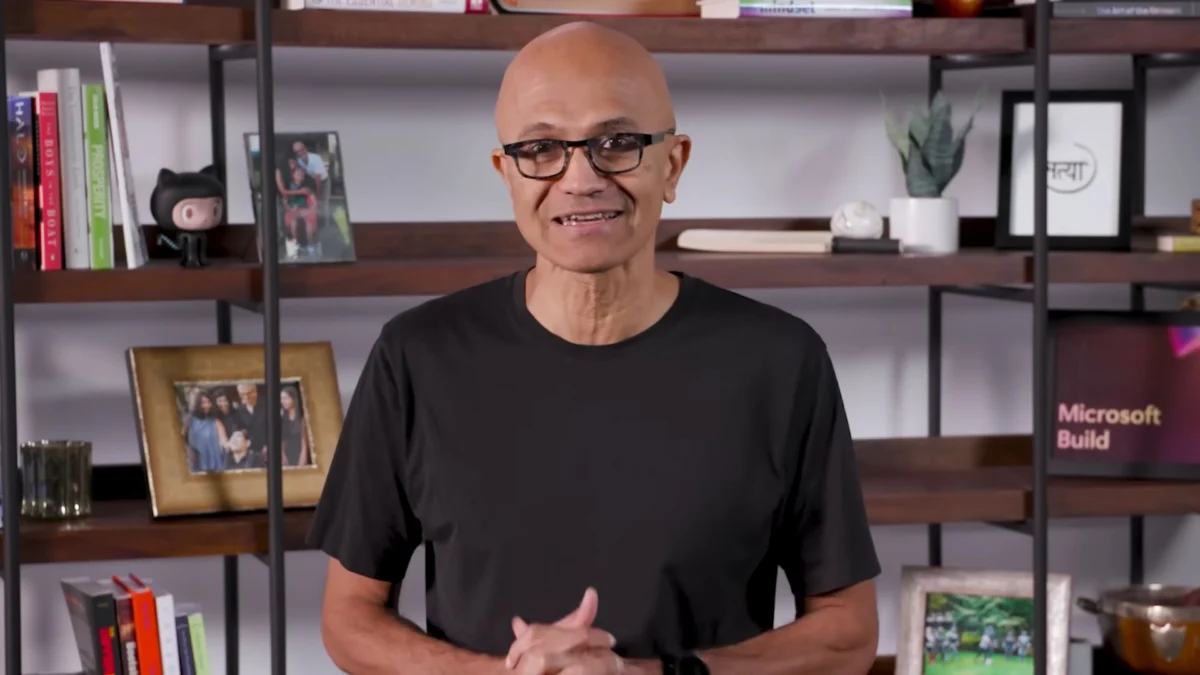
In a recent appearance on the Sources Podcast hosted by Alex Heath, Microsoft CEO Satya Nadella addressed the state and future of the Xbox brand. He praised the ongoing restructuring efforts—often referred to by leadership as "streamlining"—led by new Xbox CEO Asha Sharma. Nadella asserted that he feels "fantastic" about Microsoft’s intellectual property (IP) portfolio and its development studios.
However, this executive optimism starkly contrasts with the severe operational contraction occurring behind closed doors. Xbox is currently navigating the final phases of an aggressive, multi-year restructuring program. This overarching strategy has involved:
- Four major waves of mass layoffs over an 18-month period, resulting in thousands of job losses.
- The closure, downsizing, or severe uprooting of critically acclaimed and historic creative powerhouses, including studios like Arkane Austin and Tango Gameworks, alongside restructuring at Ninja Theory.
- The cancellation of several unannounced video game projects.
- A strategic pivot toward multi-platform game publishing, cloud integration, and a heavy corporate emphasis on generative AI capabilities.
While Nadella champions the brand’s robust library—bolstered by mega-acquisitions like Minecraft and the massive Activision Blizzard fleet—industry veterans, current employees, and external analysts argue that these optimistic executive soundbites gloss over the human and creative toll of an organization prioritizing short-term financial returns over stable game development.
Chronology: The Timeline of Xbox’s Structural Transformation
To understand how Microsoft’s gaming division arrived at its current crossroads, it is necessary to examine the chronological sequence of high-stakes corporate maneuvers and subsequent contractions that have defined the Xbox ecosystem over the past half-decade.
1. The Era of Aggressive Expansion (2018–2023)
- The Studio Spree: Fueled by Microsoft’s seemingly limitless capital, Xbox embarked on an unprecedented spending spree, acquiring major independent developers to bolster its first-party portfolio. This culminated in the acquisition of Bethesda’s parent company, ZeniMax Media, in 2021 ($7.5 billion), followed by the monumental $68.7 billion acquisition of Activision Blizzard, which officially closed in late 2023.
- Game Pass Ambitions: During this period, the strategic focus centered heavily on expanding the Xbox Game Pass subscription service, positioning it as the "Netflix of gaming" to drive hardware sales and recurring revenue.
2. The Turning Point and First Waves of Contraction (Late 2023–2024)
- The Reality of Integration: As the massive overhead of managing thousands of new employees collided with macroeconomic pressures and shifting consumer habits, Microsoft’s leadership shifted its primary metric of success from subscriber growth to immediate, high-margin profitability.
- Studio Closures and Layoffs: In early 2024, Microsoft shocked the industry by abruptly shuttering multiple Bethesda-owned studios, including Tango Gameworks (Hi-Fi Rush), despite critical acclaim. This was accompanied by successive rounds of layoffs impacting thousands of employees across Xbox, Zenimax, and Activision Blizzard divisions.
3. The Leadership Handover and Pivot to Multiplatform (Late 2024–Present)
- Asha Sharma Takes the Helm: Amid ongoing internal restructuring, leadership adjustments placed Asha Sharma in the role of Xbox CEO, tasked with guiding the brand back to financial growth.
- The "Project Helix" Era: Xbox began actively breaking down long-standing console exclusivity barriers, bringing major first-party titles (such as Sea of Thieves, Hi-Fi Rush, and Indiana Jones and the Great Circle) to rival platforms like PlayStation 5 and Nintendo Switch.
- Current Status: Xbox is now approximately 75% through its stated restructuring plan. While executive leadership insists the roadmap has never looked stronger, workforce morale remains deeply fractured as the organization searches for a sustainable business model in an evolving market.
Supporting Data and Financial Context
Evaluating the health of Xbox requires examining the financial metrics, market share data, and corporate reporting that underpin Microsoft’s gaming division.
- The Cost of Consolidation: The Activision Blizzard acquisition added approximately 10,000 employees to Microsoft’s gaming workforce, temporarily skyrocketing operational expenses. Integrating these massive studios while console hardware sales for the Xbox Series X/S stagnated relative to Sony’s PlayStation 5 created intense internal financial pressure.
- Hardware vs. Software Margins: Industry data consistently shows that traditional console hardware is sold at or near a loss, meaning platform holders rely heavily on software sales and platform commissions (the "tax" on third-party games sold on their storefronts). With Xbox hardware trailing behind competitors in current-generation sales, Microsoft’s pivot toward becoming a software publisher across all platforms—including PC and mobile—is a mathematical necessity for revenue diversification.
- Layoff Metrics: Over the past year and a half, Microsoft has enacted multiple rounds of workforce reductions in its gaming division, impacting well over 2,500 employees. These cuts have disproportionately affected quality assurance (QA) teams, administrative staff, and creative personnel within acquired studios.
- Game Pass Growth Plateaus: While Xbox Game Pass remains a core pillar of the brand, subscriber growth has plateaued compared to initial aggressive projections, forcing Microsoft to explore tier adjustments, day-one release evaluations, and multiplatform distribution to maximize returns on billion-dollar game budgets.
Official Responses and Executive Perspectives
The divergence in perspective between Microsoft’s C-suite executives and the developers creating the games highlights a fundamental communication gap within the corporate hierarchy.
Satya Nadella (Microsoft CEO)
In his interview on the Sources Podcast, Nadella defended the ongoing structural changes by framing them as a necessary evolution toward long-term sustainability:
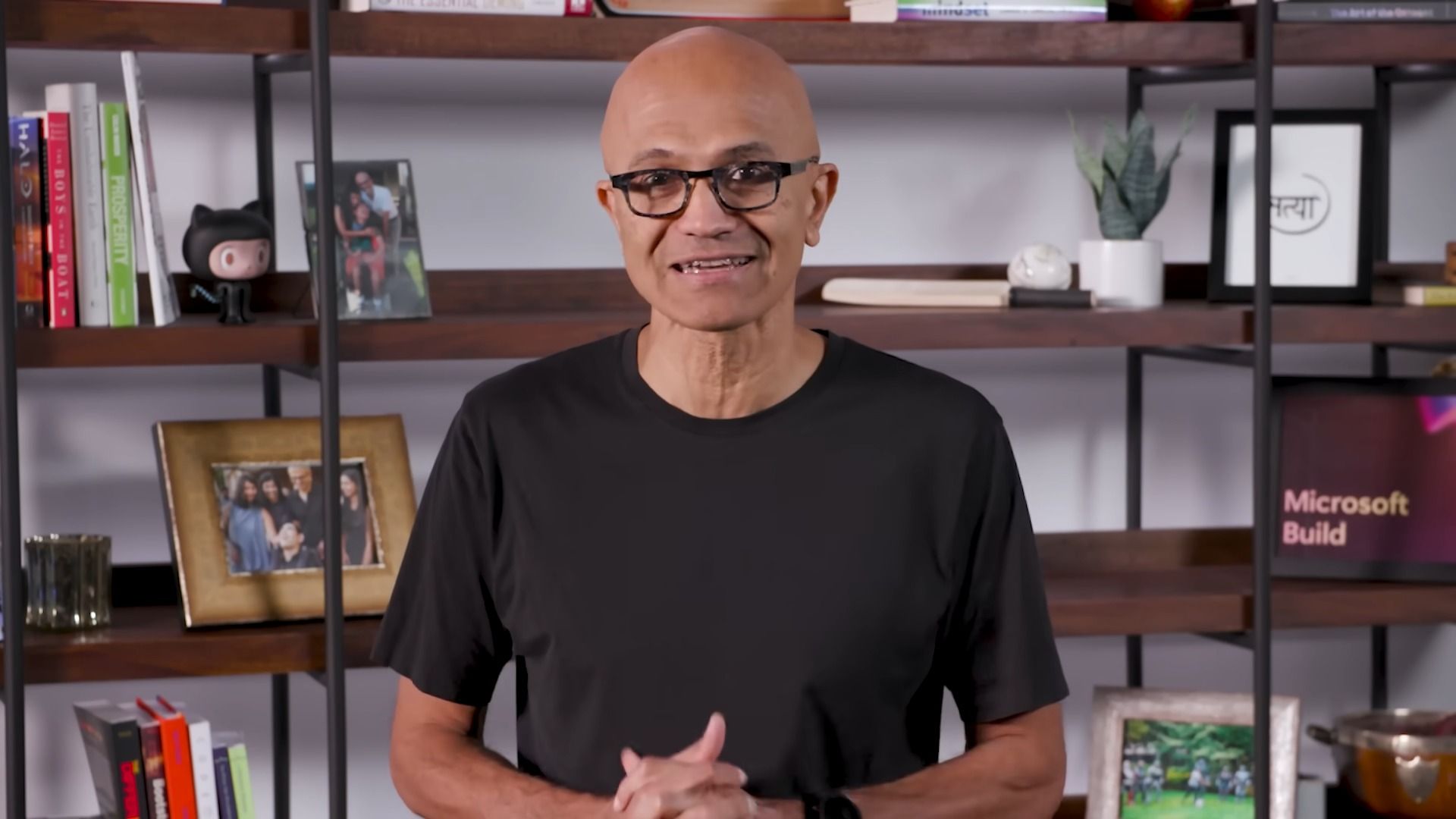
"I feel fantastic about the IP we have right now. If I look at the studios, the IP portfolio we have, and our ability to then take that and produce great games going forward, I feel fantastic… There’s some amount of streamlining the team is doing, and Asha is doing, which is great to see."
Nadella emphasized that the ultimate goal remains unchanged: establishing Xbox as both a premier publisher and a premier platform provider across PCs and consoles. He noted that the leadership team anticipates returning Xbox to financial growth in the upcoming fiscal year.
Phil Spencer (CEO of Microsoft Gaming)
In previous internal memos to staff addressing layoffs and restructuring, Phil Spencer has consistently maintained that the Xbox platform, hardware roadmap, and game catalog "have never looked stronger," even as he acknowledged the profound difficulty of executing large-scale workforce reductions. Spencer has championed the vision of a "screen-agnostic" Xbox, where players can access games regardless of whether they own a traditional console, a PC, a mobile device, or a smart TV.
The Ground-Level Perspective: Industry Veterans Speak Out
In stark contrast to executive optimism, voices from within the development community have raised alarms regarding the lack of clear strategic direction.
John Kimmich, a 16-year Microsoft veteran who was present at the inception of the Xbox brand, has offered sharp critiques of current leadership. According to Kimmich and other industry analysts, Microsoft’s attempt to simultaneously act as both a dominant hardware platform and an omnipresent third-party publisher creates a fundamental conflict of interest. As Kimmich noted, an Xbox whose primary utility is merely functioning as a launcher for rival ecosystems (such as Valve’s Steam) risks undermining its own hardware value proposition.
Furthermore, anonymous employees from studios like id Software have echoed sentiments that the primary—and often only—concrete directive communicated from upper management is a demand for immediate, heightened profitability, regardless of the cultural or creative cost to the development process.
Implications for the Future of Xbox and the Gaming Industry
The ongoing transformation of Xbox carries profound implications not only for Microsoft but for the broader interactive entertainment landscape.
1. The Death of the Console Wars as We Know It
Microsoft’s aggressive shift toward multiplatform publishing signals the definitive end of traditional, walled-garden console exclusivity strategies. By releasing major first-party games on competing hardware, Xbox is betting that the long-term value of software sales outweighs the short-term exclusivity incentives of selling dedicated hardware boxes. This could force Sony and Nintendo to reevaluate their own exclusivity models in the years to come.
2. Studio Autonomy Under Threat
The repeated dismantling and restructuring of historically independent studios (such as Rare, Arkane, Tango, and various Activision subsidiaries) warn of a homogenization of game development. When massive conglomerates absorb creative powerhouses, the corporate demand for predictable, high-margin blockbusters often stifles the experimental, mid-budget projects that previously drove industry innovation (such as Hi-Fi Rush).
3. The Shadow of Generative AI
As noted by industry observers, Satya Nadella’s overarching corporate strategy heavily emphasizes the integration of generative AI across all Microsoft products. Critics and industry co-founders have expressed concern that corporate leadership views creative divisions—including Xbox—through the lens of technological efficiency and automation, potentially undervaluing the human artistry required to build compelling video games.
4. Cultural Rebuilding and Talent Retention
Perhaps the most immediate challenge facing Xbox CEO Asha Sharma is the restoration of trust and morale among remaining developers. Continual waves of layoffs create a climate of fear and uncertainty, making it difficult for studios to attract and retain top-tier creative talent. If Xbox is to achieve its goal of returning to growth and producing critically acclaimed games next fiscal year, rebuilding a stable, supportive corporate culture will be just as critical as managing its IP portfolio.
As Xbox moves through the final 25% of its restructuring plan, the industry watches closely to see whether executive optimism will translate into a sustainable creative renaissance, or if the human cost of corporate streamlining will permanently alter the identity of one of gaming’s most influential brands.

