

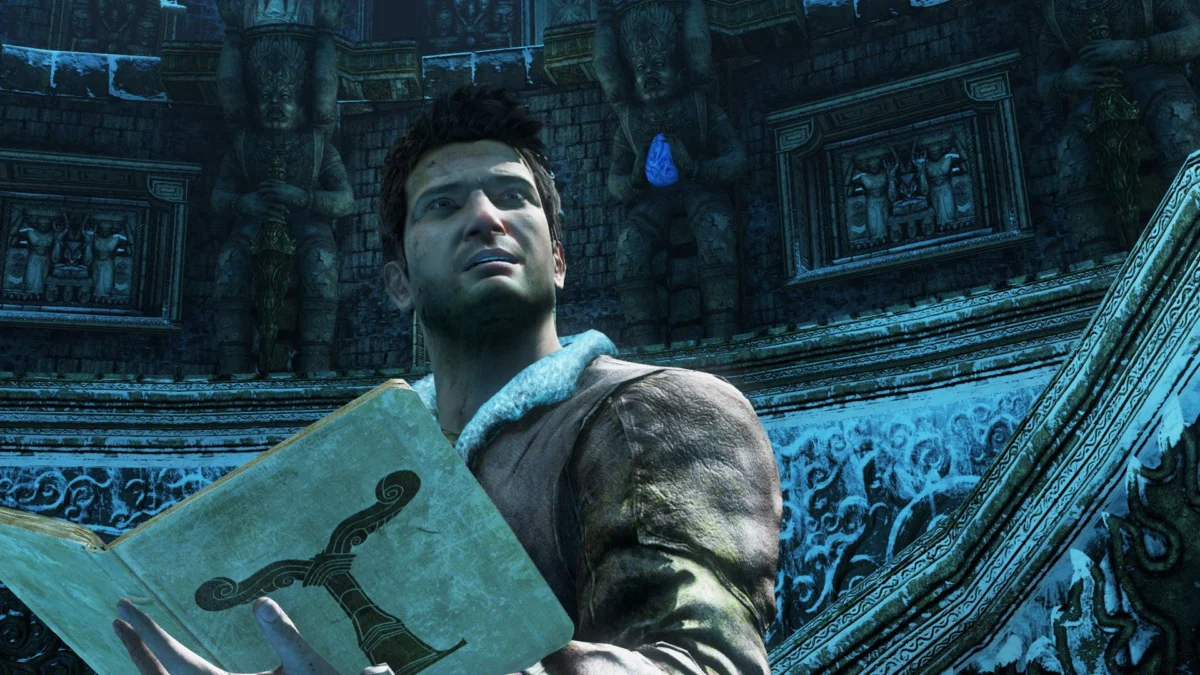
Originally published in issue 275 of Edge Magazine, this retrospective examines how Naughty Dog’s seminal PlayStation 3 title bridged the gap between interactive media and Hollywood blockbuster cinema, setting a gold standard for narrative-driven video games.
Main Facts
When discussing the defining legacy of the PlayStation 3 era, conversations inevitably circle back to the perfection of the tightly focused, 10-hour narrative campaign. If one had to crown a single title that epitomizes this generation of hardware, that title is undoubtedly Uncharted 2: Among Thieves.
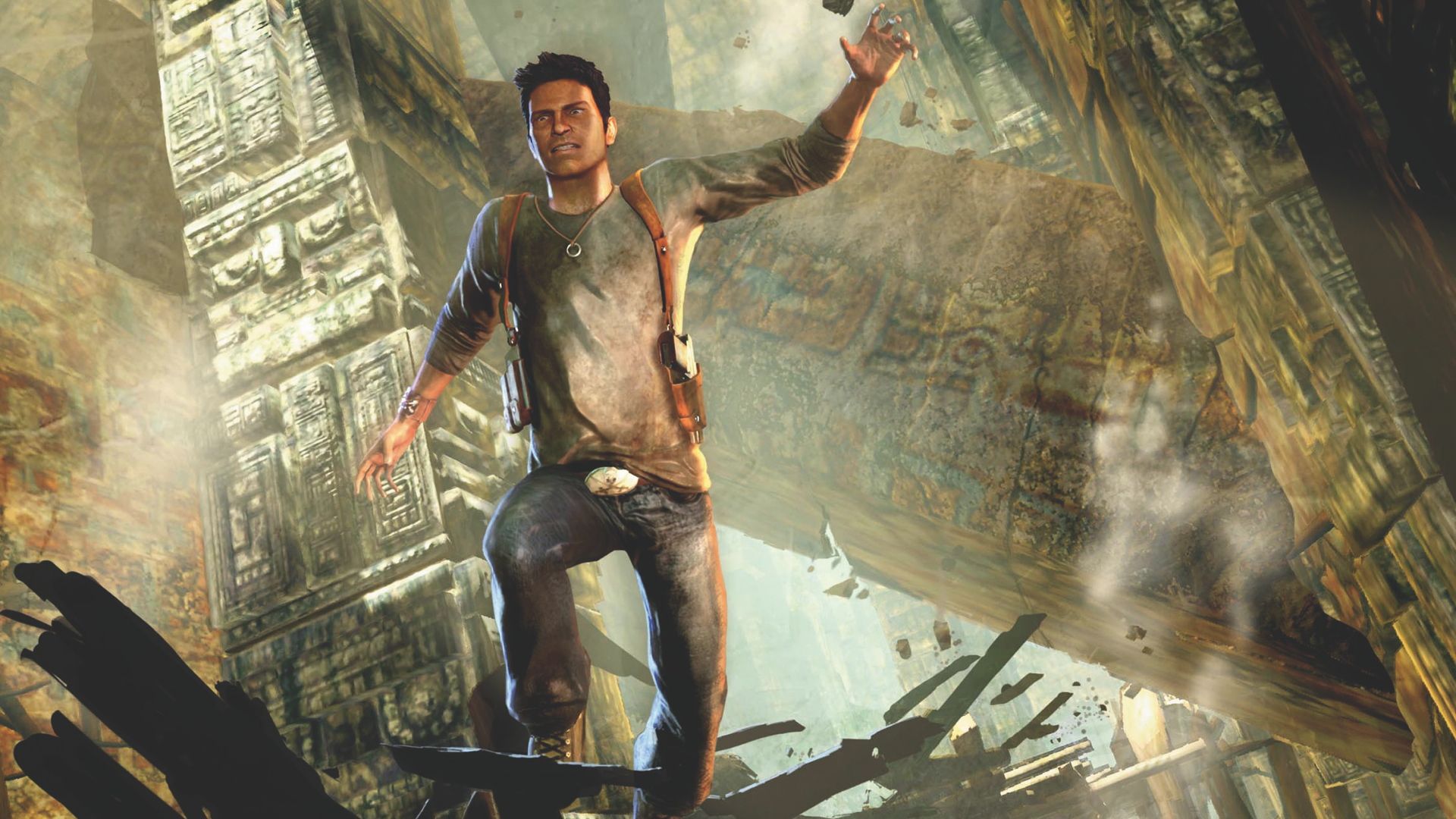
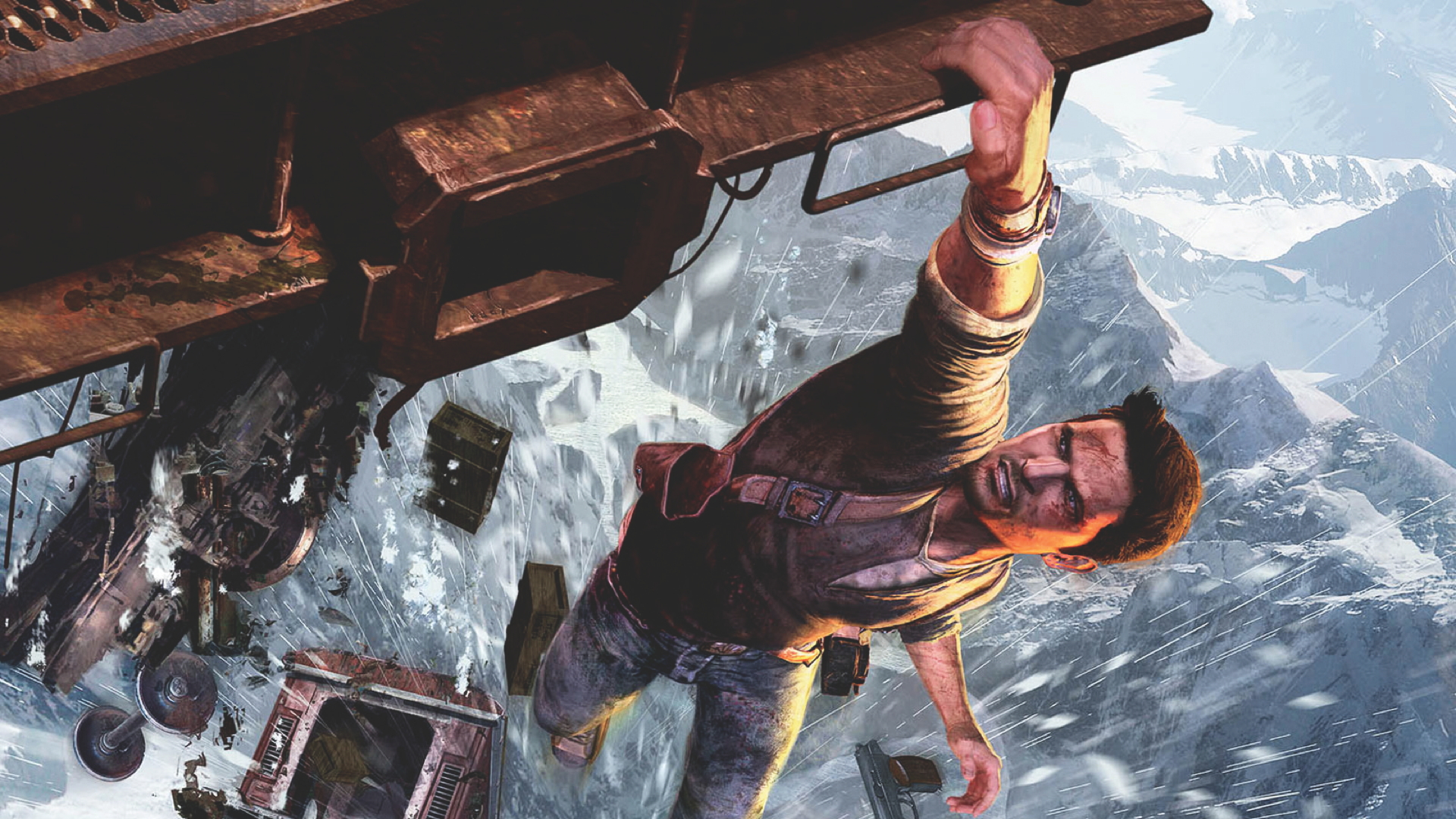
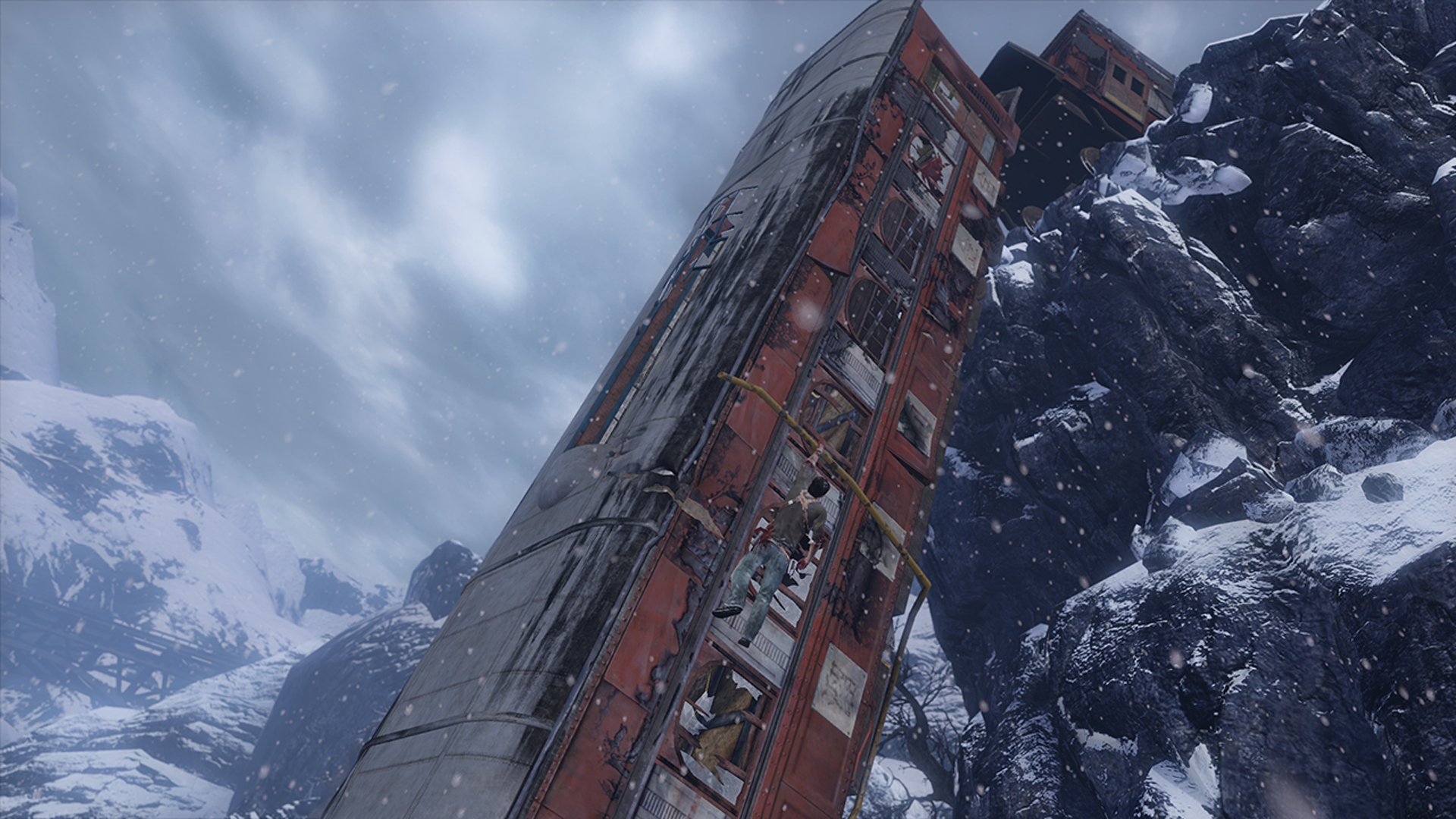
Developed by Naughty Dog, the game is not merely a technical showcase; it is a masterclass in pacing, character design, and cinematic convergence. Opening mid-story with a battered, bleeding Nathan Drake waking up upside down in a derailed train carriage suspended over a snowy precipice, the game instantly signals its confidence. It relies on monumental set-pieces, breathless platforming, and an unprecedented emotional depth that transformed standard third-person shooter mechanics into an unforgettable interactive matinée revival.
Chronology
To understand the rhythm of Uncharted 2, one must trace the meticulously structured beats of its narrative and production journey:
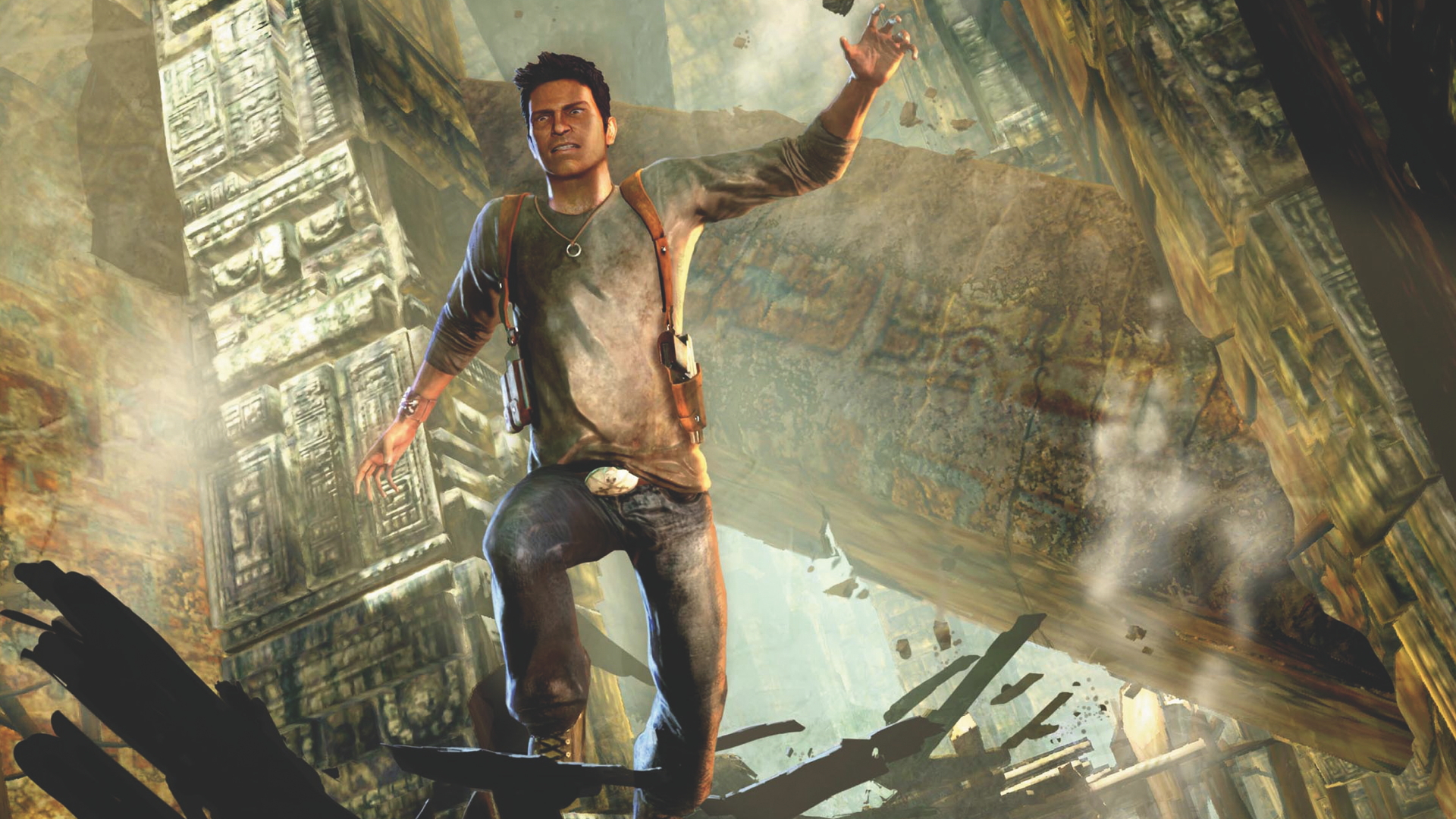
- Pre-Production and the Cinematic Shift: Following the relative success of the original Uncharted: Drake’s Fortune, Naughty Dog heavily invested in performance capture technology. The studio adopted Hollywood-style workshopping and digital soundstage rehearsals to bring organic chemistry to its cast.
- The In Media Res Opening: The game famously opens with Chapter 1 on a teetering train in the Himalayas, dropping players into a state of immediate panic before flashing back to explain how Nathan Drake ended up there.
- The Mid-Game Turn (The Train Sequence): Act Two reanimates the doomed train as a continuous, dynamic battleground, weaving player agency through a relentless gauntlet of collapsing environments and cross-carriage gunfights.
- The Himalayan Interlude: Following a devastating train derailment, Drake is rescued by Tenzin, a Tibetan Sherpa. This slower, wordless chapter shifts the focus from destruction to connection, heavily influencing Naughty Dog’s future design philosophy.
- The Climax and Release: The narrative culminates in a desperate race against rival mercenaries to uncover the mythical city of Shambhala, ending with a tender emotional resolution between Drake and Elena Fisher.
Supporting Data and Technical Milestones
Uncharted 2 pushed the boundaries of the PlayStation 3 hardware through a combination of cutting-edge technology and brilliant artistic direction:
- Hardware Utilization: Built exclusively for the PS3’s notoriously complex Cell Broadband Engine, the game achieved seamless transitions between pre-rendered cutscenes and real-time gameplay without loading screens.
- Cinematic Integration: Naughty Dog utilized dedicated motion-capture stages for actors like Nolan North (Nathan Drake), Emily Rose (Elena Fisher), and Claudia Black (Chloe Frazer), capturing subtle micro-expressions that elevated digital acting to cinematic standards.
- Combat Mechanics: Departing from the hyper-precise, static shooting galleries of contemporary cover-shooters, Uncharted 2 introduced an improvisational gunplay system. Drake’s reticle sways and swings loosely, encouraging frantic movement, blind firing, and fluid transitions into hand-to-hand combat.
- Reception: Upon its release, the game garnered critical acclaim across the industry, sweeping numerous Game of the Year awards and laying the technological and narrative foundation for subsequent Naughty Dog masterpieces, including The Last of Us.
Industry Perspectives and Creator Intentions
The convergence of video games and cinema has been a Hollywood talking point for decades, but Uncharted 2 represents one of the few instances where the marriage truly flourished.
Film editing theory heavily informed the game’s design. Just as Walter Murch—the legendary editor of Apocalypse Now—drew a parallel between the rhythmic "clickety-clack" of railway tracks and the progression of narrative perception, Naughty Dog structured Uncharted 2 as a physical and psychological voyage. The train is not merely an obstacle; it is a metaphor for the linear, high-velocity campaign style that defined the era.
Furthermore, the studio’s dedication to performance over pure pixel-pushing redefined character writing. In an industry where protagonists were frequently blank slates designed to minimize friction for the player, Naughty Dog leaned into personality. Nolan North’s vocal and physical performance injected a genuine, self-deprecating charm into Nathan Drake, making him a rare breed of video game protagonist who was genuinely liked by his audience.
Implications for the Gaming Industry
The legacy of Uncharted 2: Among Thieves extends far beyond its initial 10-hour run time. It fundamentally altered how developers approached storytelling, performance capture, and pacing in triple-A development.
- The Rise of Narrative-Driven Blockbusters: Uncharted 2 proved that cinematic presentation and high production values could coexist with engaging, accessible gameplay. It cleared a path for narrative-heavy cinematic experiences throughout the 2010s.
- Evolution of Companion AI: The relationship forged between Drake and Tenzin in the snowy caves of Tibet—and the emotional stakes introduced by threatening civilian characters—directly paved the way for the profound psychological depth seen later in The Last of Us.
- The Linear Debate: While celebrated for its breathtaking set-pieces (such as the Kathmandu helicopter chase and the mountain-top tank assault), the game also sparked industry-wide debates about player freedom. Its strictly linear design and reliance on invisible walls highlighted the tension between traditional game design and cinematic rail-roading—a debate that continues to influence game direction today.
Ultimately, Uncharted 2 remains a monumental achievement. While it grapples with the inherent ludonarrative dissonance of a charming hero who casually dispatches hundreds of enemies, it succeeds on the grounds of its humanity, spectacle, and unforgettable heart.

