

In the high-stakes world of modern sports entertainment, few entities have disrupted the traditional model as effectively as the Kings League. Conceived by former FC Barcelona captain Gerard Piqué, the league has effectively blurred the lines between elite-level athleticism and digital-first creator culture. Now, as the organization looks to solidify its presence in the world’s most passionate soccer market, it has turned to one of the industry’s most seasoned executives to steer the ship.
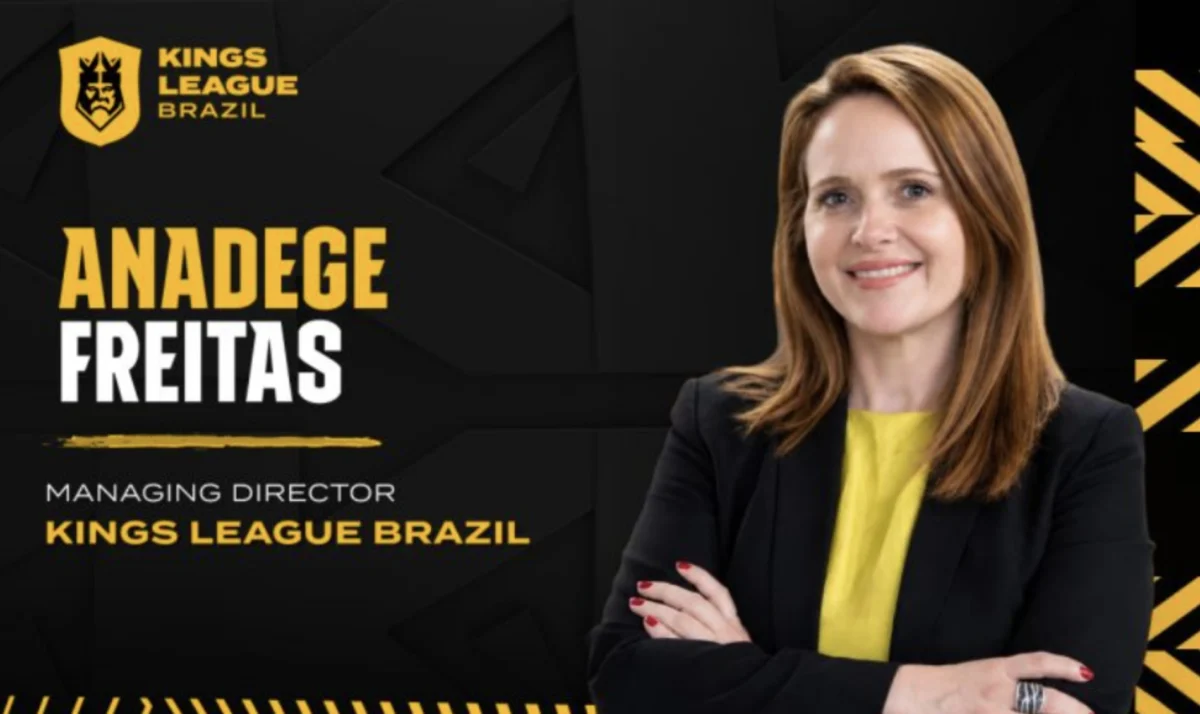
The Kings League has officially appointed Anadege Freitas, the former Director of Content and Partnerships at Twitch, as the new Managing Director for its Brazilian operations. This strategic hire signals a definitive shift from the league’s experimental origins toward a long-term, localized dominance in the South American landscape.
The Strategic Vision: Why Brazil?
Brazil represents the "Holy Grail" for any sports-media entity. With a population deeply embedded in the culture of "futebol" and an internet-savvy demographic that rivals any nation in terms of social media consumption, the country is the perfect incubator for the Kings League’s unique blend of seven-a-side soccer and unpredictable, rule-bending entertainment.
By bringing in Freitas, who brings a resume rich with experience at gaming powerhouses including Nintendo, Hasbro, and Activision Blizzard, the league is clearly prioritizing institutional knowledge. Her four-year tenure at Twitch is particularly vital; she understands not just the technical infrastructure of live streaming, but the cultural nuances of how audiences interact with creators in real-time.
"The goal is not just to broadcast matches," a league spokesperson suggested. "The goal is to integrate the Kings League into the daily digital diet of the Brazilian creator economy."
A Chronology of Disruption: From Barcelona to Brazil
To understand the magnitude of the Kings League’s expansion, one must look at the meteoric rise of the format since its inception in 2023.
- Early 2023: The Kings League launches in Spain. It is an immediate cultural phenomenon, co-founded by Piqué and spearheaded by the world’s most influential Spanish-speaking streamers, including Ibai Llanos and TheGrefg.
- March 2023: The "Big Bang" moment occurs. The league holds its inaugural season finale at the iconic Camp Nou stadium in Barcelona. The event sells out, drawing a crowd of 90,000, proving that the digital-first audience is eager for physical, live-stadium experiences.
- May 2023: Recognizing the untapped potential of women’s sports in the creator space, the league launches the "Queens League," successfully mirroring the men’s format and expanding its talent pool.
- 2025: The Kings League makes its official foray into Brazil. The launch is bolstered by high-profile local ambassadors, including legends like Neymar and Kaká, alongside top-tier local streamers such as Gaules and Nobru.
- 2026: The current era. Following the massive success of the 2026 World Cup, where creator-led broadcasts redefined sports media, the Kings League identifies the need for specialized leadership to scale its Brazilian operations, leading to the hiring of Anadege Freitas.
The "Banana Ball" Effect: What Defines the Kings League?
The Kings League is often described as the lovechild of the Savannah Bananas’ theatrical baseball model and the massive, record-breaking live events seen in influencer boxing, such as La Velada del Año.
The rules are designed for the "TikTok generation": shorter halves, rolling substitutions, and a deck of "secret weapons" that players can deploy to alter the game’s trajectory. This volatility keeps the audience engaged, shifting the focus from the rigid, defensive tactical play of traditional FIFA-regulated soccer toward a fast-paced, high-scoring, and intentionally chaotic spectacle.
For the Brazilian market, this is a natural evolution. Brazil has historically produced some of the world’s most creative and flair-based players, and the Kings League rewards exactly those traits.
Supporting Data: The Creator Economy in Brazil
The decision to double down on Brazil is backed by hard data. South America’s largest nation has become an exporter of global digital trends, ranging from the dominance of Roblox-based content to the rapid rise of niche music genres like "phonk."
During the 2026 World Cup, the traditional media landscape was challenged by the emergence of Casimiro Miguel’s CazéTV. By offering a conversational, influencer-driven alternative to traditional TV commentary, CazéTV shattered YouTube viewership records. This proved a vital point: the Brazilian audience no longer views sports as a solitary, passive experience. They want to be part of a community, chatting in real-time with creators they trust.
According to recent industry reports, viewership for soccer-related creator content in Brazil reached an all-time high in 2026, with engagement metrics showing that fans are 40% more likely to interact with a stream if it features a known personality rather than a generic, institutional broadcast. The Kings League, with its creator-owner structure, is perfectly positioned to capitalize on this behavioral shift.
Official Responses and Executive Outlook
The appointment of Anadege Freitas has been met with optimism by industry analysts. Her background in managing partnerships at Twitch suggests that the Kings League will focus heavily on building deep, long-term relationships with Brazilian streamers who can serve as both team owners and broadcast anchors.
"Freitas knows that the content is the product, but the community is the engine," says one sports marketing analyst. "By placing her at the helm, the Kings League is essentially saying they aren’t just here to play soccer—they are here to build a media ecosystem."
While the league has not yet released specific details on the next iteration of the Brazilian tournament, sources indicate that a local version of the "Queens League" is high on the priority list. This would provide the league with a 365-day content cycle, essential for maintaining relevance in a highly competitive digital attention economy.
Implications: The Future of Sports Media
The hiring of Freitas is not just a corporate move; it is a signal to traditional broadcasters that the center of gravity in sports media is moving. If the Kings League succeeds in Brazil, it provides a blueprint for a global, decentralized sports network that exists outside the confines of traditional sports federations.
The Key Challenges Ahead
- Monetization vs. Authenticity: Maintaining the "creator" feel while scaling for massive sponsorship deals is a difficult balancing act.
- Cultural Localization: While the core format is proven, the Brazilian market is fiercely protective of its own sports culture. The league must ensure it doesn’t feel like an "imported" product, but rather a Brazilian innovation.
- Logistical Complexity: Operating a league with hundreds of creators, players, and technical staff requires a level of operational maturity that the Kings League is only just beginning to develop.
Conclusion
The Kings League is effectively attempting to do for soccer what the UFC did for martial arts—streamline, gamify, and digitize a traditional sport for a modern audience. With Anadege Freitas leading the charge in Brazil, the organization is clearly moving past its "startup" phase and into a period of aggressive global expansion.
As the lines between fan, creator, and athlete continue to blur, the Kings League stands at the forefront of a movement that is as much about technology as it is about the beautiful game. For soccer fans in Brazil, the match has only just begun.

