

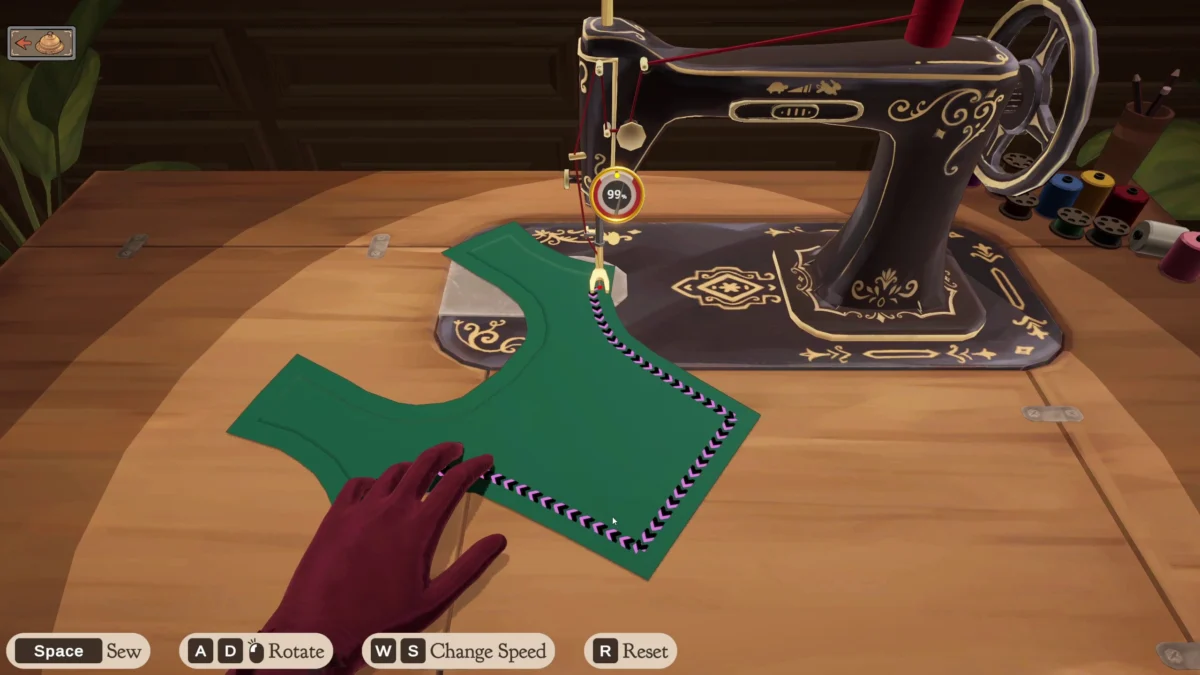
For many, the world of haute couture and home sewing is shrouded in mystery, perceived as a hobby requiring equal parts artistic vision, mathematical precision, and a level of patience that borderlines on the monastic. For the uninitiated, the leap from buying off-the-rack garments to pinning, cutting, and stitching one’s own wardrobe feels insurmountable. Enter Dressmaker, a newly released simulation title that manages to capture the authentic, often grueling reality of the trade while wrapping it in the warm, inviting aesthetic of a cozy management sim.
Whether you are a seasoned seamstress who has sacrificed fingers to the sewing machine gods or a complete novice who has never held a needle, Dressmaker offers a masterclass in the technicalities of the craft, stripped of the financial risk that typically accompanies learning to sew in the real world.
The Reality of the Craft: From Hubris to Hemming
The journey into sewing is rarely smooth. Many hobbyists begin with a sense of "youthful cockiness," often bypassing the traditional "pillowcase-and-curtain" phase to dive headfirst into complex cosplay or intricate Renaissance-period gowns. In reality, these early attempts are often structural disasters—garments that refuse to drape correctly or simply do not fit the human form.
This hubris is often inherited from watching family members make the process look effortless. The reality, however, involves a high degree of technical skill. Dressmaker acknowledges this by creating a simulation that respects the complexity of the craft. It provides a digital space where the consequences of poor design are immediate and educational, rather than a waste of expensive, hard-to-source fabric. By providing a virtual apprenticeship, the game serves as a bridge for those who are "mildly interested" in the trade but lack the confidence to start.
Chronology: Mastering the Professional Workflow
The game’s progression system mimics the professional life of a tailor. Players begin with guided commissions, learning the ropes of client interactions and the fundamental terminology of the industry.

Phase 1: The Measurement Foundation
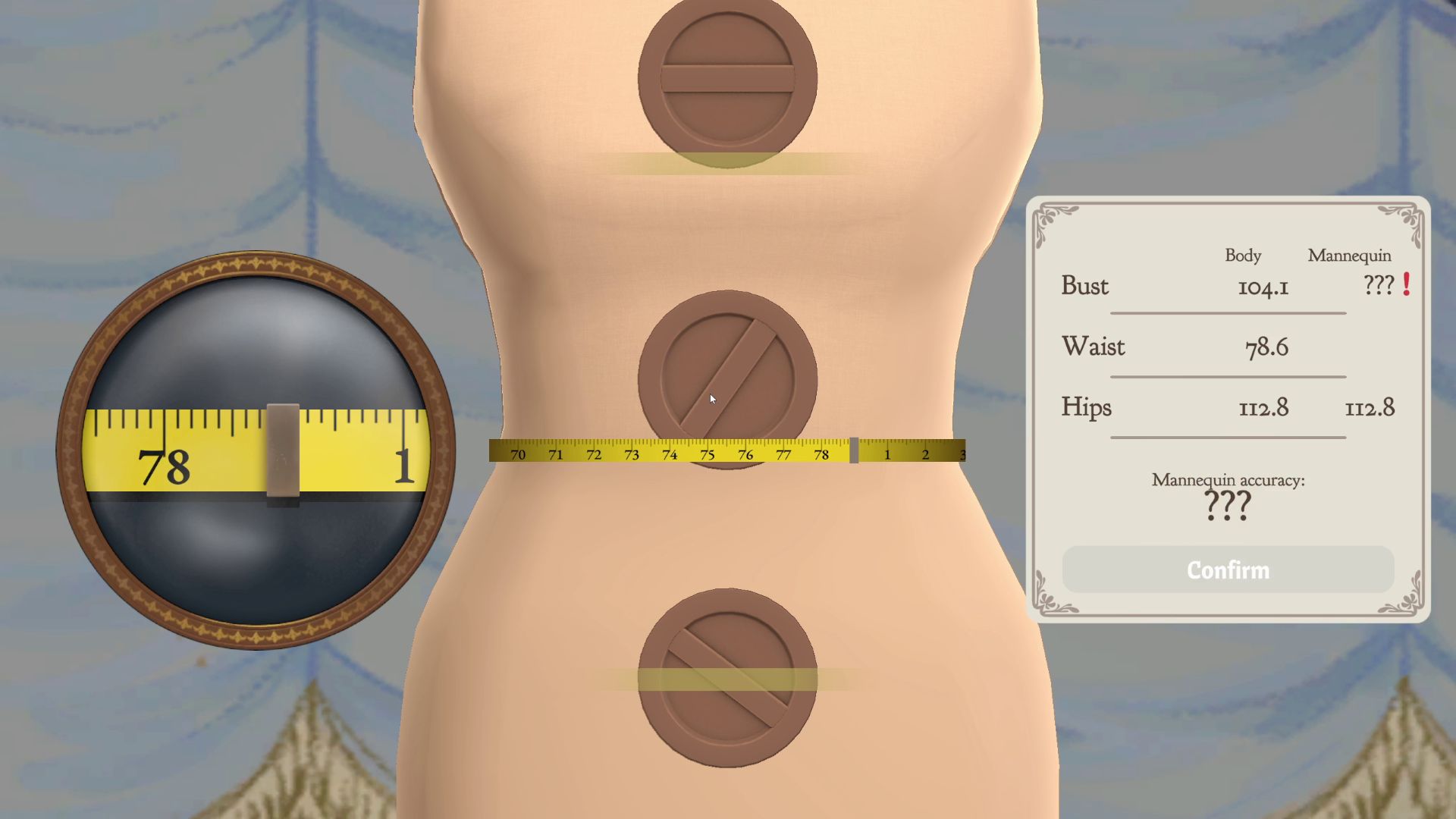
The game introduces a sophisticated multi-step measurement system. Unlike simpler simulators that might ask for a single "size" variable, Dressmaker requires players to take precise measurements of a client’s frame—chest, waist, and hips—and then translate those figures onto a dress form. This step is critical; if the dress form is not adjusted with clinical accuracy, the fabric will not hang properly, leading to a finished product that looks "off" even if the sewing is technically sound.
Phase 2: Pattern Placement and the Grainline
One of the most common pitfalls for novice sewers is ignoring the fabric grain. In Dressmaker, players must learn the importance of the bias—the diagonal direction of the fabric—and the grainline. The game enforces these rules strictly: throwing a pattern piece down on expensive taffeta or silk without considering the grain will result in a garment that is either too stiff or unnaturally stretchy. By forcing players to align their pieces according to strict professional standards, the game teaches the "why" behind tailoring rules, turning what could have been a tedious chore into a lesson in material science.
Phase 3: The "Fabric Calculus"
Sewing is, in many ways, an exercise in applied mathematics. From calculating yardage to accounting for seam allowances, the margin for error is razor-thin. Dressmaker simplifies the arithmetic but maintains the thrill of the budget. When a player receives a commission, they must determine how much fabric is required based on the pattern and the client’s size. The game allows for creative freedom here: players can stick to a single, budget-friendly cotton, or they can mix textures—perhaps splurging on a yard of silk for a delicate detail while opting for a more affordable weave elsewhere. It captures the specific, granular excitement of a trip to a fabric store, where one must balance aesthetic ambition with fiscal reality.
Supporting Data: Efficiency and Accessibility
Despite its commitment to "hardcore" mechanics, Dressmaker avoids the pitfalls of simulation tedium. The developers have implemented intuitive shortcuts that respect the player’s time.
- The Seam Ripper Mechanic: In real life, a sewing error can mean hours of painstaking work with a seam ripper. In the game, removing a mistake is a streamlined, user-friendly process, allowing the player to correct errors without the frustration of manual deconstruction.
- The "Self-Healing" Fabric: Perhaps the most "cozy" feature is the ability to undo patterning mistakes. This effectively removes the financial barrier to experimentation, allowing players to test bold, risky designs without fear of ruining a costly digital investment.
These features ensure that the game remains a relaxing experience rather than a stressful chore, maintaining the "cozy" label while still teaching the user about the gravity of their mistakes.

Official Perspectives: The Philosophy of the Sim
The design philosophy behind Dressmaker appears to be one of "accessible expertise." By automating the more tedious aspects of sewing—such as the physical labor of cutting or the tediousness of removing stitches—the game allows the player to focus on the high-level decision-making processes of a professional tailor.
This approach serves a dual purpose: it educates the player on the nuances of garment construction while providing an outlet for creative expression. Whether the user is fulfilling a specific client commission or designing their own "Victorian-era torture garment" from scratch, the game provides the tools to execute complex visions without the real-world requirement of a degree in fashion design or a massive studio space.
Implications for the Future of Craft Gaming
The success of Dressmaker signals a growing trend in the simulation genre: the "Hardcore-Cozy" crossover. Players are increasingly seeking games that don’t just simulate a theme, but simulate the processes associated with that theme.
Educational Value
For many, Dressmaker will serve as an introductory course in fashion. By exposing players to the importance of grainlines, the cost-benefit analysis of fabric selection, and the architectural nature of pattern-making, the game provides a foundation that is surprisingly transferable to real-world applications.
Economic and Creative Freedom
The game also highlights the importance of sandbox elements in management sims. While the story mode provides structure, the ability to transition into "off-the-rack" production allows for a level of creative agency that is often missing from more rigid games. The ability to build a virtual business, manage client relationships, and maintain a high-end workshop provides a sense of accomplishment that mimics the satisfaction of the real-world trade.
Conclusion: A Stitch in Time
Dressmaker is a rare achievement in game design. It successfully manages to satisfy the itch for a relaxing, low-stakes game while simultaneously challenging the player to learn a genuine, complex skill set. It respects the craft of the seamstress by refusing to oversimplify the mechanics of construction, yet it maintains its "cozy" status by ensuring that the player is never punished to the point of frustration.
For those who have ever looked at a complex garment and wondered, "How did they make that?" Dressmaker is the perfect entry point. It is a testament to the fact that with the right digital tools, even the most daunting of traditional crafts can be brought into the home, one virtual stitch at a time. Whether you are aiming to build a fashion empire or simply want to create a few digital dresses in the comfort of your home, this title offers a rich, rewarding experience that is as elegant as the garments it helps you create.

