

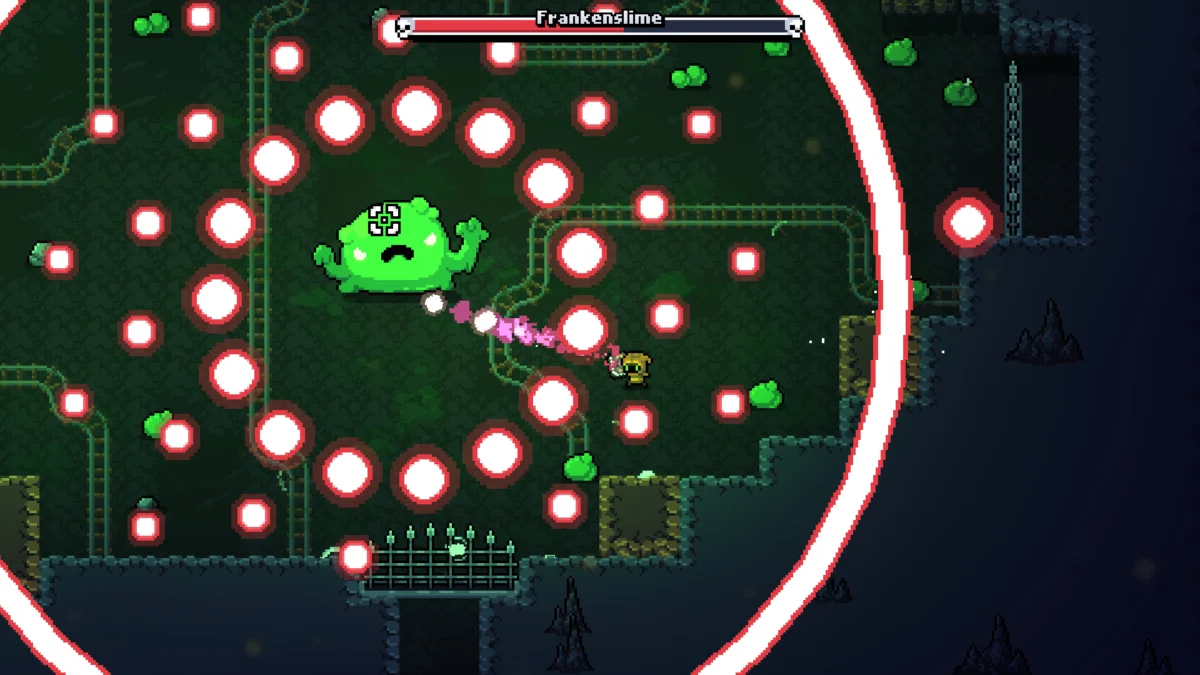
The landscape of independent gaming in 2021 was defined by a relentless parade of high-quality titles that pushed the boundaries of traditional design. From meditative puzzle games to high-octane action roguelikes, the year set a gold standard for creativity. Among the final arrivals of this banner year was Archvale, a project that dared to combine two genres rarely seen in tandem: the expansive, character-driven depth of an RPG and the punishing, rhythmic precision of bullet-hell combat. Developed with a keen eye for player agency and aesthetic charm, Archvale has solidified its place as a "must-play" title that serves as a fitting capstone to a year of indie excellence.
The Convergence of RPG Depth and Bullet-Hell Precision
At its core, Archvale is a bold experiment in gameplay synergy. Bullet-hell games (or danmaku) are typically defined by their linearity and high-difficulty patterns, while RPGs are generally associated with exploration, character building, and long-term narrative investment. Fusing these two creates a unique tension: the player is not just navigating a complex world; they are navigating that world while constantly under siege by projectiles.
The result is a combat system that feels both frantic and methodical. Players are tasked with managing their character’s "build"—selecting from a wide array of gear, weapons, and augmentations—while simultaneously executing the frame-perfect dodges required to survive the screen-filling patterns cast by enemies and bosses. The game manages this balance with surprising grace, proving that the frantic nature of bullet-hell mechanics does not have to sacrifice the strategic satisfaction of role-playing progression.
Narrative Framework: A Hero’s Journey to Reclaim the Land
The story of Archvale draws upon classic fantasy tropes, providing a familiar yet compelling foundation for the gameplay. The world of Archvale exists in the shadow of a fallen tyrant—a king whose reign left the realm fractured and desperate. Players step into the role of a hero, the only individual with the agency and potential to challenge this lingering dark legacy.
The primary objective is to traverse the world, uncovering the scattered pieces of the legendary "arch" that serves as the title’s namesake. This narrative structure acts as a tether, guiding the player through diverse biomes and challenging environments. What sets Archvale apart, however, is the freedom afforded to the player. The game adopts a non-linear approach to exploration; players are encouraged to chart their own course across the map, provided they possess the skill and the equipment to survive the specific challenges of each region. This freedom allows the player to tailor their journey, tackling difficult areas when they feel prepared or retreating to grind for better loot if a boss proves too formidable.
Supporting Data: Customization, Combat, and Character Progression
The longevity of Archvale is anchored by its robust customization engine. While the game features class-like archetypes, it eschews the rigidity of traditional RPG systems. Players are not locked into a single playstyle; rather, they are encouraged to experiment constantly.
The Badge System and Combat Versatility
Central to this flexibility is the "badge" system, which allows players to modify their stats and abilities on the fly. Whether a player wants to focus on raw damage output, defensive survivability, or mobility, the game provides the tools to refine these builds. This is essential for tackling the game’s boss encounters—some of the most challenging and visually striking sequences in the game. Each boss acts as a gatekeeper, requiring the player to master specific movement patterns and optimize their loadout to overcome the barrage of projectiles.
Loot and Progression
The game’s progression loop is driven by the hunt for better equipment. With a vast arsenal of weapons, ranging from standard projectile-based tools to more esoteric, magical armaments, players are constantly incentivized to explore every corner of the map. The joy of discovery is high; finding a new weapon that perfectly complements a current build is a recurring high point in the gameplay experience.

Chronology of Development and Release
The journey of Archvale from concept to storefront was marked by a quiet, steady development cycle typical of high-quality indie titles that prioritize polish over aggressive marketing.
- Mid-2021: Buzz begins to circulate within indie gaming circles about a new project blending RPG elements with bullet-hell mechanics. Early gameplay teasers highlight the vibrant pixel art and the sheer density of the bullet patterns.
- Late 2021 (Pre-Launch): The game is featured in various indie showcases, gaining traction for its accessible art style and the promise of a "fair" bullet-hell experience—a rarity in a genre known for being notoriously unforgiving.
- December 23, 2021: Archvale officially hits major storefronts. The release comes during a crowded holiday window, yet the game immediately finds its audience due to word-of-mouth recommendations and positive early critical reception.
- Post-Launch: The developer continues to monitor player feedback, ensuring that the difficulty curve remains satisfying rather than frustrating, and cementing the game’s reputation as a polished, complete experience from day one.
Official Perspectives and Community Reception
While the game is serious in its mechanical aspirations, it does not take itself too seriously. One of the most frequently cited elements of the game by both players and reviewers is the inclusion of a "frog chef." This minor character serves as a microcosm of the game’s overall design philosophy: it is an experience that values player enjoyment, humor, and charm just as much as it values tight, responsive controls.
Community discourse surrounding the game has focused heavily on the "learning curve." Many players initially intimidated by the bullet-hell aspects have noted that the game is remarkably adept at teaching the player how to improve. By providing clear telegraphs for enemy attacks and generous checkpoints, Archvale manages to remain challenging without becoming an exercise in frustration. The rewards for mastering the game’s rhythm are high, leading to a sense of accomplishment that is rare in shorter, indie-scale titles.
The Broader Implications for Indie Gaming
Archvale serves as a case study for the "indie-fusion" design movement. As the barrier to entry for game development has lowered, the market has become saturated with titles that try to emulate existing successes. Archvale avoids this pitfall by successfully marrying two disparate genres, creating a "best-of-both-worlds" scenario.
Why Genre-Blending Matters
The success of Archvale suggests that players are hungry for titles that challenge their expectations of genre. When a game offers the depth of an RPG (inventory management, world exploration, character growth) alongside the raw, kinetic energy of an arcade shooter, it appeals to two distinct player bases. This dual appeal effectively widens the potential audience, making it accessible to those who love RPGs but might be intimidated by pure action games, and vice versa.
Legacy and Future
Looking back at the end of 2021, Archvale stands as a testament to the fact that innovation does not always require massive budgets or AAA infrastructure. Sometimes, innovation is found in the simple, elegant combination of existing ideas. By prioritizing the "pure fun" factor and providing a deep, customizable experience, the developers have created a title that will likely remain a benchmark for developers looking to blend genres for years to come.
In conclusion, Archvale is not merely a game to be played; it is a game to be studied for its pacing, its balanced difficulty, and its willingness to embrace the absurd—frog chefs and all. For those who missed it during the year-end rush of 2021, it remains a vital addition to any library, offering a perfect blend of challenge, reward, and pure, unadulterated joy.

