

By PC Gamer Editorial Staff
Enriched & Expanded Report
Introduction: When Capitalism Meets Extraterrestrial Infancy
In the ever-expanding universe of independent video games, few creators possess the distinct, delightfully chaotic creative signature of Xalavier Nelson Jr. and the development studio Strange Scaffold. Known for subverting traditional genre boundaries, Nelson has previously pushed the boundaries of dark comedy and corporate satire with titles like An Airport for Aliens Currently Run by Dogs and the cult-hit Space Warlord Organ Trading Simulator.
Now, Strange Scaffold has returned to the cosmos with its latest provocative experiment: Space Warlord Baby Trading Simulator.
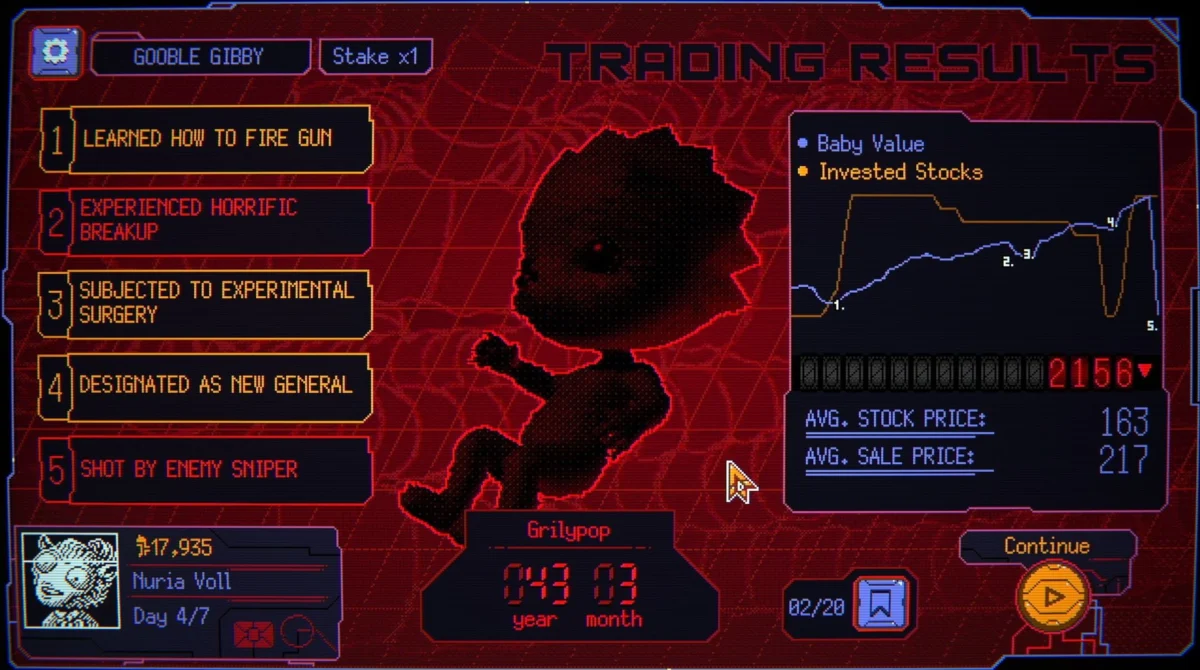
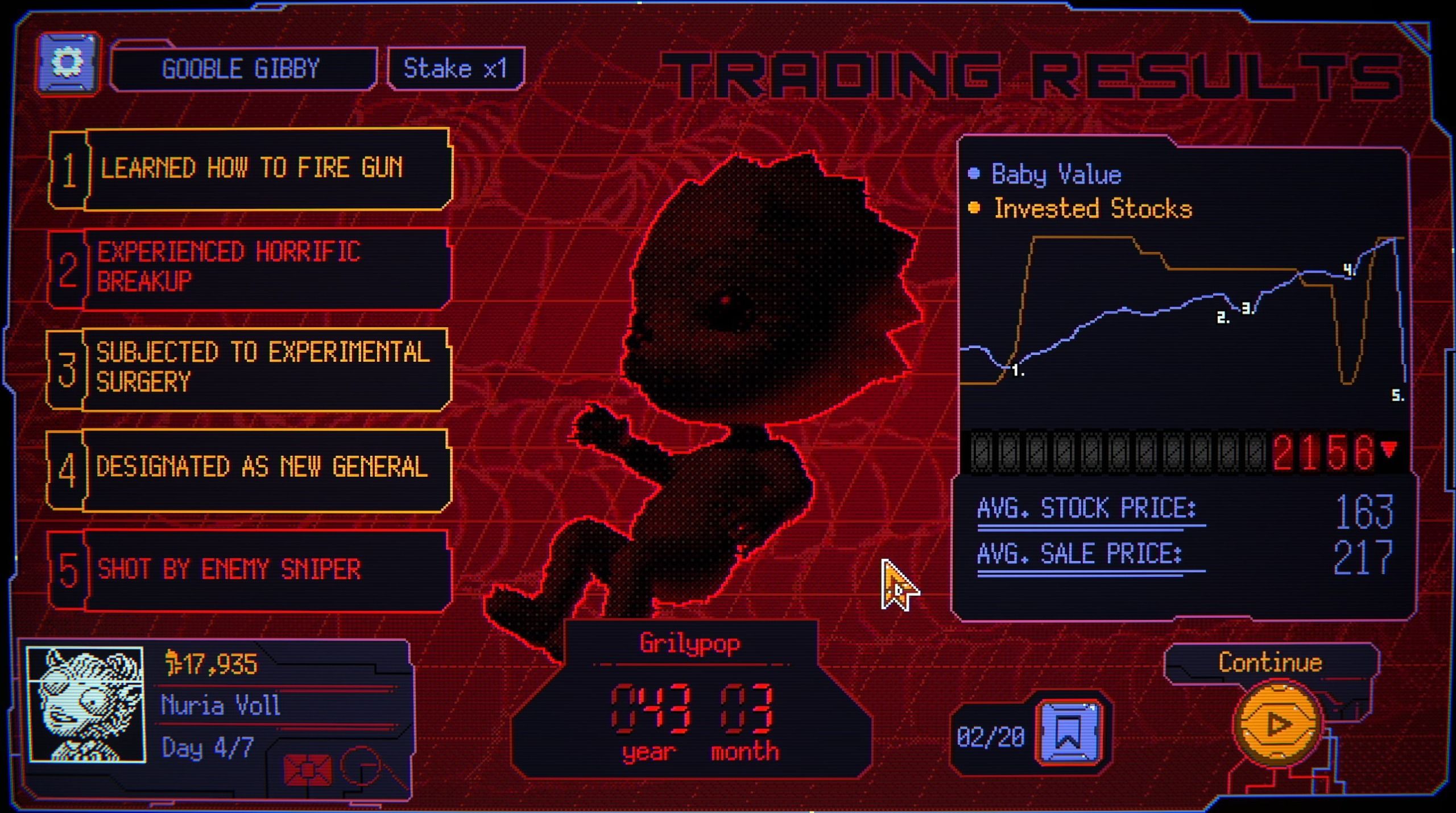
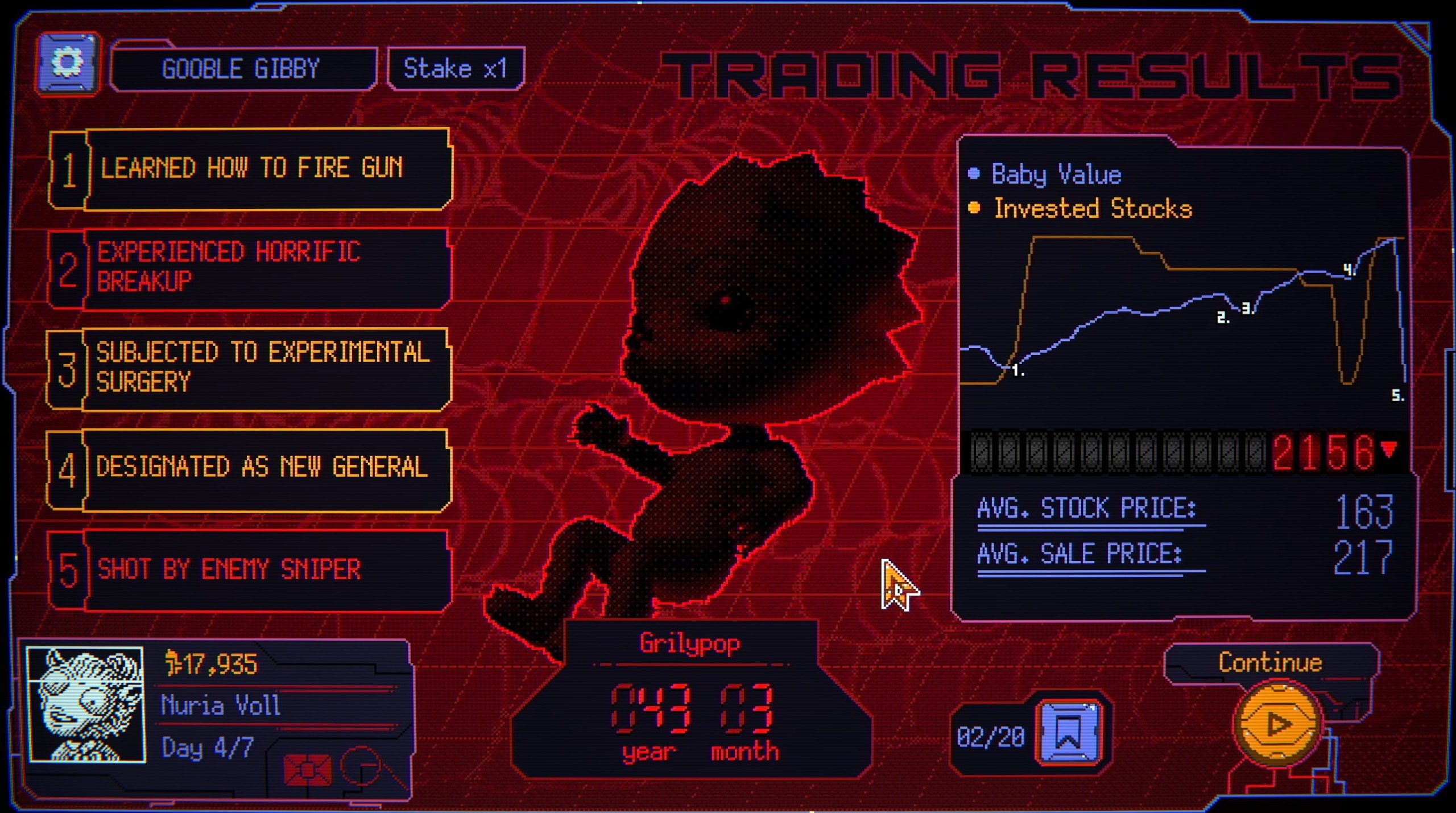
Featuring a playable demo that has already captured the collective imagination—and horror—of the PC gaming community, the title tasks players with buying, selling, and managing the precarious futures of alien infants on an interstellar stock market. But beneath the satirical veneer of neon tickers, high-stakes futures trading, and cosmic nursery rhymes lies a disturbingly recognizable simulation of modern existence. As PC Gamer’s Global Editor-in-Chief Evan Lahti recently observed, the game possesses an uncanny ability to distill the chaotic, cyclical misery of a veteran multiplayer gamer into a matter of mere minutes:
"I love it when Xalavier Nelson’s Space Warlord Baby Trading Simulator sims me a baby whose life is just the experience of the average 40-year-old Battlefield player: GET GUN, LOSE GIRLFRIEND, BE REVIVED THROUGH SCIENTIFICALLY QUESTIONABLE MEANS, PROMOTED TO GENERAL, GET HEADSHOTTED FROM RANGE."
Main Facts: What is Space Warlord Baby Trading Simulator?
At its core, Space Warlord Baby Trading Simulator is a management and speculative trading game set within a morally bankrupt, hyper-capitalist future. Expanding upon the mechanics of its predecessor—which allowed players to trade biological organs on a black-market exchange—this new iteration swaps lungs and livers for cribs and cosmic toddlers.
- Developer: Strange Scaffold, led by industry veteran Xalavier Nelson Jr.
- Core Gameplay Loop: Players monitor the life trajectories, socio-economic developments, health crises, and existential threats facing various alien infants. Based on these unpredictable life events, players buy and sell shares in the babies to maximize profit.
- The Tone: A pitch-black comedy blending corporate bureaucracy, emotional detachment, and cosmic absurdity.
- Accessibility: A public playable demo is currently available on digital storefronts, inviting players to test their stockbroking mettle against the brutal realities of interstellar infancy.
Chronology: The Evolution of Strange Scaffold’s Satirical Simulator Empire
To understand how the industry arrived at a game dedicated to trading alien infants on Wall Street-style exchanges, it is necessary to trace the trajectory of Strange Scaffold’s unique brand of design.
Phase 1: The Organ-Trading Predecessor
The conceptual seeds of the game were sown with Space Warlord Organ Trading Simulator. That title established the studio’s proficiency in turning visceral, grotesque concepts into engaging spreadsheet-style management games. Players acted as freelance organ brokers, responding to text-based contracts, managing market fluctuations, and ensuring that hearts, tentacles, and kidneys arrived fresh to clients across the galaxy.
Phase 2: Expanding the Cosmic Portfolio
Following the success and critical acclaim of their prior titles, Nelson and the team at Strange Scaffold sought to escalate the thematic stakes. Rather than focusing on harvested body parts already separated from their hosts, the studio pivoted to the entire life cycle of sentient beings. By targeting alien babies, the developers injected a potent layer of vulnerability, irony, and pitch-black humor into the economic simulation genre.
Phase 3: The Demo Release and Community Shockwaves
The release of the Space Warlord Baby Trading Simulator demo marked a turning point in the game’s public perception. What many anticipated to be a straightforward sequel packed with superficial re-skins instead revealed a deeply complex, procedural narrative engine. Within hours of the demo going live, players flooded social media with screenshots of their digital wards’ absurd, tragic, and hyper-accelerated life stories.
Supporting Data & Procedural Emergence: The Life of an Alien "Battlefield" Baby
What makes Space Warlord Baby Trading Simulator compelling from a systems-design perspective is its procedural text-generation engine. The game generates rapid-fire, micro-biographies for each infant traded on the exchange, dictating whether their stock value skyrockets or plummets.
As Evan Lahti’s viral anecdote highlights, the simulation possesses a dark sense of humor regarding the inevitability of digital warfare and mid-life attrition. Consider the typical trajectory of a simulated alien infant under a player’s portfolio watch:
- Acquisition: The player purchases shares in "Subject 404," a tentacled neon infant from the Outer Rim.
- Early Milestones: The baby rapidly acquires an interstellar firearm at an age when human children are typically learning object permanence.
- Interpersonal Conflict: Driven by the demands of a harsh cosmic environment, the infant promptly loses its romantic partner, tanking its short-term emotional stability index—and momentarily depressing its stock value.
- The Sci-Fi Miracle: Through "scientifically questionable means" (a staple event category in Strange Scaffold games), the infant is resurrected or cybernetically enhanced, instantly triggering a market rally.
- Corporate/Military Ascent: Capitalizing on its newfound resilience, the infant secures a promotion to General within an unnamed planetary defense force.
- The Inevitable End: True to the shared experience of millions of aging first-person shooter enthusiasts, the newly minted general is immediately neutralized by a long-range headshot from an unseen sniper, crashing the stock completely and leaving the player scrambling to short-sell before market close.
This rapid-fire distillation of triumph, tragedy, bureaucracy, and sudden death turns cold economic simulation into a narrative comedy factory.
Official Responses and Developer Insights
Xalavier Nelson Jr. has long been an outspoken advocate for narrative experimentation and creative risk-taking within the independent games sector. Speaking on the design philosophy behind Strange Scaffold’s portfolio, Nelson has consistently emphasized that video games are uniquely positioned to explore the absurdities of modern capitalism through play.
While traditional corporate statements regarding the game lean heavily into its satirical nature, the developer commentary surrounding the project highlights a desire to critique the commodification of human (and alien) life. By framing literal infants as financial assets, Strange Scaffold holds up a mirror to real-world economic systems that treat human labor, healthcare, and livelihood as mere data points on a ledger.
Furthermore, industry peers and critics have praised the studio for maintaining a relentless output of original intellectual properties. In an era dominated by risk-averse mega-sequels and live-service rehashes, Strange Scaffold continues to carve out a profitable, highly distinct niche by betting big on weird ideas.
Implications: What This Means for Simulation and Indie Games
The cultural resonance of Space Warlord Baby Trading Simulator points to several broader trends within the contemporary gaming landscape:
1. The Rise of "Spreadsheet Noir"
Players increasingly gravitate toward management games that wrap complex economic systems in absurd, high-concept narratives. Titles like Papers, Please, Frostpunk, and Strange Scaffold’s own catalog prove that gamers enjoy grappling with ethical dilemmas disguised as spreadsheet management.
2. Procedural Storytelling as Comedy
The game demonstrates the power of emergent, text-based procedural generation. By combining random life events with economic stakes, games can generate deeply personal, hilarious, and memorable emergent stories that rival handcrafted scripts.
3. Satire as a Mirror to Modern Anxiety
In a world shaped by gig economies, algorithmic trading, and constant exposure to global crises, the idea of trading futures on an alien baby’s survival doesn’t feel entirely detached from reality—it feels like the logical conclusion of late-stage digital capitalism. By leaning into this absurdity, Strange Scaffold offers players a healthy outlet to laugh at the bleakness of modern systemic pressures.
Conclusion
Space Warlord Baby Trading Simulator is more than just a bizarre title designed for shock value; it is a finely tuned engine of emergent comedy and economic satire. Whether you are playing as a cold-hearted cosmic capitalist looking to turn a quick profit on an interstellar toddler, or simply watching in amusement as your portfolio gets dismantled by a stray sniper rifle across the galaxy, Xalavier Nelson Jr. and Strange Scaffold have once again delivered an unforgettable gaming experience.
With the demo out now, the market is open—and the babies are waiting. Invest wisely.

