

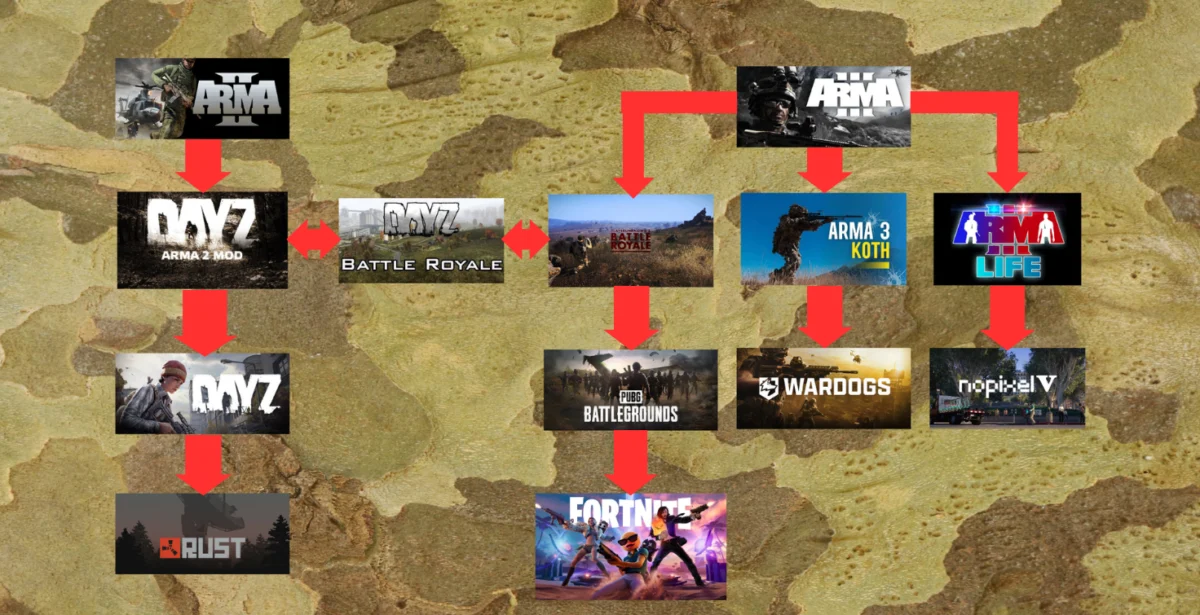
The landscape of modern PC gaming is dominated by genres that command millions of players and generate billions in revenue: Battle Royale, large-scale tactical survival, and immersive roleplay. To the casual observer, these genres appear to be disparate phenomena, birthed from the minds of independent developers or massive studios looking to capitalize on current trends. However, trace the lineage of these titles back to their source, and you arrive at a singular, unlikely origin point: the Arma series.
Developed by the Czech studio Bohemia Interactive, Arma began as a niche military simulation—a hyper-realistic, often unforgiving sandbox designed for military training and tactical enthusiasts. Yet, through an unwavering commitment to open-platform design, modding support, and a philosophy that treats the game as a blank canvas, Bohemia Interactive accidentally laid the blueprint for the most significant shifts in gaming culture over the last two decades.
A Legacy of Modding: The Arma Family Tree
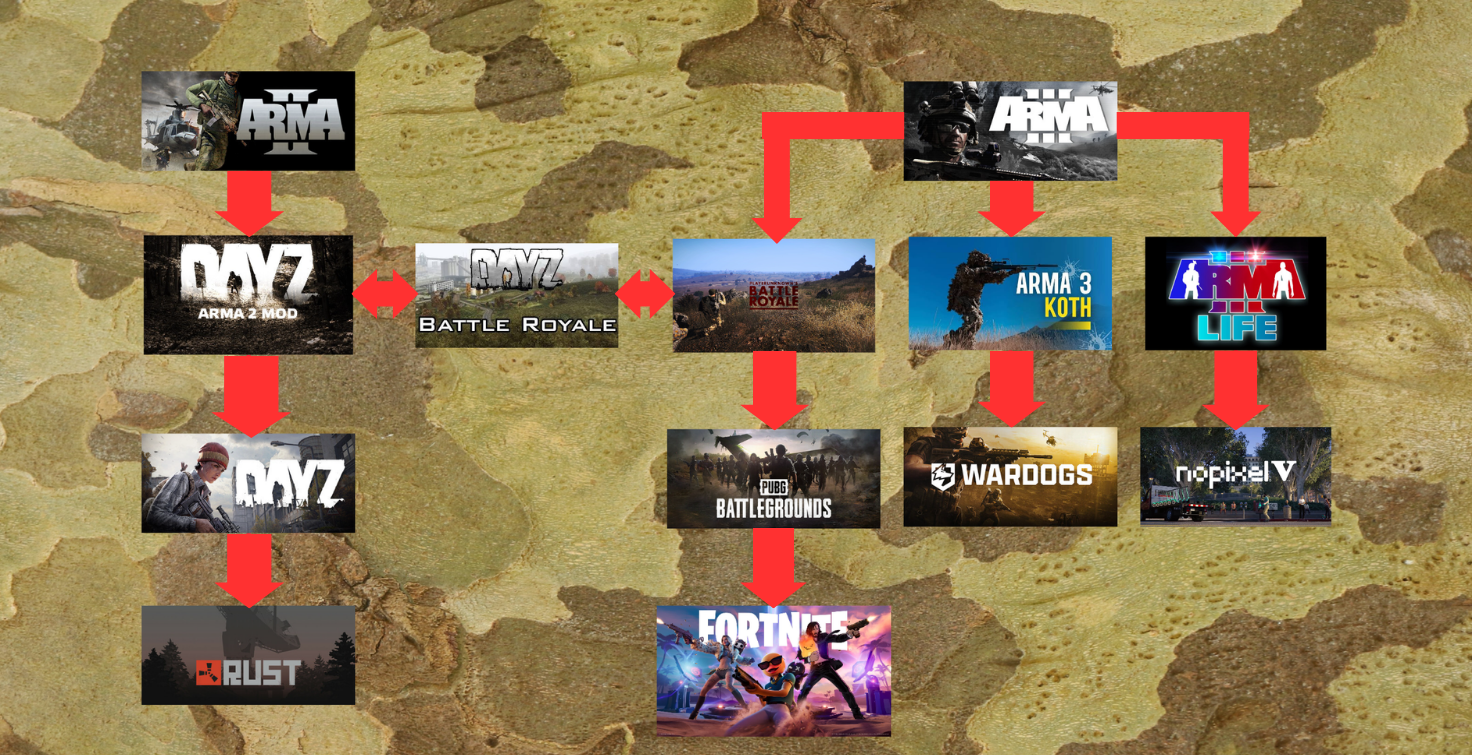
The Arma series is more than just a game; it is an ecosystem. Unlike many modern titles that lock their assets behind proprietary walls, Bohemia Interactive has consistently empowered its community to reshape the experience. This "sandbox first" philosophy has led to a sprawling family tree of games that have defined the current era of competitive and cooperative multiplayer.
The Survival Revolution: From Arma 2 to DayZ
In the early 2010s, the concept of "survival gaming" was largely confined to single-player experiences. That changed with the DayZ mod for Arma 2. Created by Dean Hall, DayZ introduced a persistent, multiplayer world where survival meant more than just health management—it meant social anxiety. The "PvPvE" dynamic—where players had to decide in a split second whether the stranger approaching them was a friend or a lethal threat—created a level of psychological tension that had never been seen in the medium before.
The success of the DayZ mod was so seismic that it forced the industry to take notice. Bohemia Interactive took the unprecedented step of partnering with Hall to develop a standalone version. This decision not only solidified the survival genre but paved the way for the massive popularity of titles like Rust and Ark: Survival Evolved, both of which inherited the core DNA of the DayZ experience.
The Genesis of Battle Royale: A Mod of a Mod
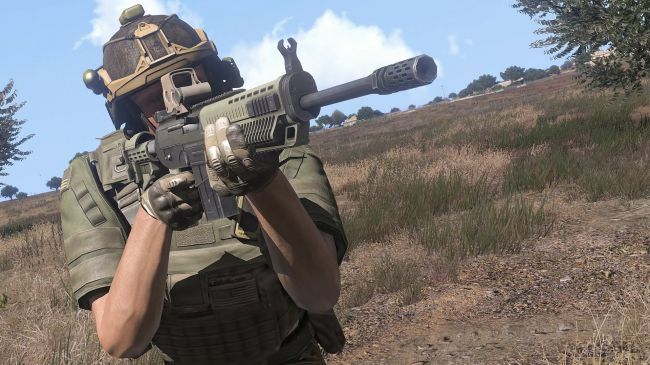
Perhaps the most famous offspring of the Arma ecosystem is the Battle Royale genre. Brendan "PlayerUnknown" Greene, the figurehead of the genre, did not begin his journey at a major publisher. He began by modding DayZ, creating a custom "Battle Royale" experience. He later ported this concept to Arma 3, refining the mechanics of shrinking play zones and weapon scarcity.
When this mod was released, it offered a level of tactical depth that set the stage for the massive, explosive popularity of PUBG: Battlegrounds. The ripple effects of this innovation were immediate: Fortnite, which initially launched as a cooperative base-defense game, pivoted to a Battle Royale model in 2017, directly modeling its success on the template Greene had perfected within the Arma 3 engine.
Chronology of Influence: How the Sandbox Evolved
The influence of Arma is not merely anecdotal; it is a documented historical progression of game design evolution.
- 2006: Arma: Armed Assault releases, setting the stage for advanced ballistics and large-scale, open-world combat.
- 2009: Arma 2 launches, featuring the "Operation Arrowhead" expansion, which provides the technical foundation for the modding community to explode.
- 2012: The DayZ mod for Arma 2 launches, effectively creating the survival-horror genre.
- 2013: Arma 3 enters development, offering even more robust scripting tools for modders.
- 2014: Brendan Greene releases "PlayerUnknown’s Battle Royale" as a mod for Arma 3, defining the competitive ruleset for the modern Battle Royale.
- 2015: The Altis Life mod gains massive popularity, showcasing the potential for persistent, economy-driven roleplay servers.
- 2017–Present: The mechanics developed in the Arma modding scene become the gold standard for AAA multiplayer titles, ranging from GTA 5 roleplay servers to modern tactical shooters like Wardogs.
Supporting Data: Why Arma Remains the Gold Standard
Bohemia Interactive’s success is rooted in their refusal to treat modding as an afterthought. By hosting the "Make Arma Not War" contest and providing extensive documentation, they have incentivized developers to view Arma as a professional-grade development platform.
Consider the case of Wardogs, the recent FPS sensation dominating Steam charts. The game’s core loop—three teams competing over a central objective with an in-game economy—is a direct evolution of the Arma 3: King of the Hill mod. By working with the original mod creators, the developers of Wardogs ensured that the "feel" of the combat, which was honed through years of Arma community testing, was preserved.
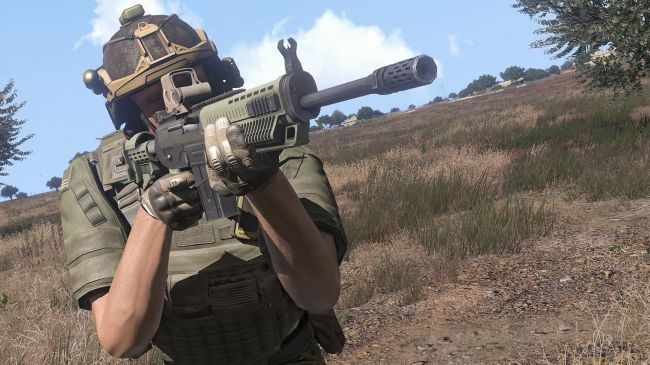
Similarly, the NoPixel community in Grand Theft Auto 5—the largest and most prominent roleplay server in the world—traces its conceptual roots back to Altis Life. The "life simulator" genre within Arma proved that players were hungry for emergent narratives where they could work, police, or crime-spree in a persistent world. NoPixel took these concepts and applied them to a more accessible urban setting, but the core design tenets remain identical to those pioneered in the Arma sandbox.
Official Responses and Developer Philosophy
Bohemia Interactive has consistently maintained a humble, observer-role stance toward its community. In recent interactions, including a viral TikTok by user Biffmatic that was officially reshared by the studio, Bohemia acknowledged that their primary goal was to provide the "engine" for creativity.
"We don’t build the games as much as we build the tools for our players to build their own dreams," a sentiment echoed in various developer interviews over the years. By removing the barriers to entry for creators, Bohemia transformed their studio from a niche developer into a silent architect of the global gaming industry. They do not view modders as competitors, but as the R&D wing of their business model.
Implications for the Future of the Industry
The primary implication of the Arma legacy is that the most innovative ideas in gaming are rarely born in boardroom meetings; they are born in the chaotic, collaborative environments of modding communities.
As we look toward the future, the "Arma model"—giving players the power to create, iterate, and monetize their own mods—is becoming the industry standard. Major publishers are increasingly looking at Roblox, Fortnite Creative, and Unreal Editor for Fortnite (UEFN) as the next frontier. They are attempting to formalize the very phenomenon that Arma pioneered organically over a decade ago.
However, there is a crucial difference. While modern "metaverses" are often constrained by the aesthetic or gameplay limitations of their parent platforms, Arma provided a gritty, realistic, and high-fidelity sandbox that allowed for unprecedented complexity.
The lasting impact of the Arma series is a reminder to the industry that developers do not need to invent every mechanic from scratch. By fostering a community where a modder can take a military simulation and turn it into a survival horror or a competitive battle royale, developers can tap into a wellspring of innovation that no internal team could ever replicate on their own.
In conclusion, Arma stands as the bedrock of modern PC gaming. From the high-stakes tension of the DayZ apocalypse to the fast-paced intensity of the Battle Royale circuit and the narrative depth of persistent roleplay, the influence of Bohemia Interactive is everywhere. As the industry continues to evolve, the "Arma DNA" will undoubtedly remain, a testament to the fact that when you give players the right tools, they will not just play the game—they will change the world of gaming forever.

