

Main Facts
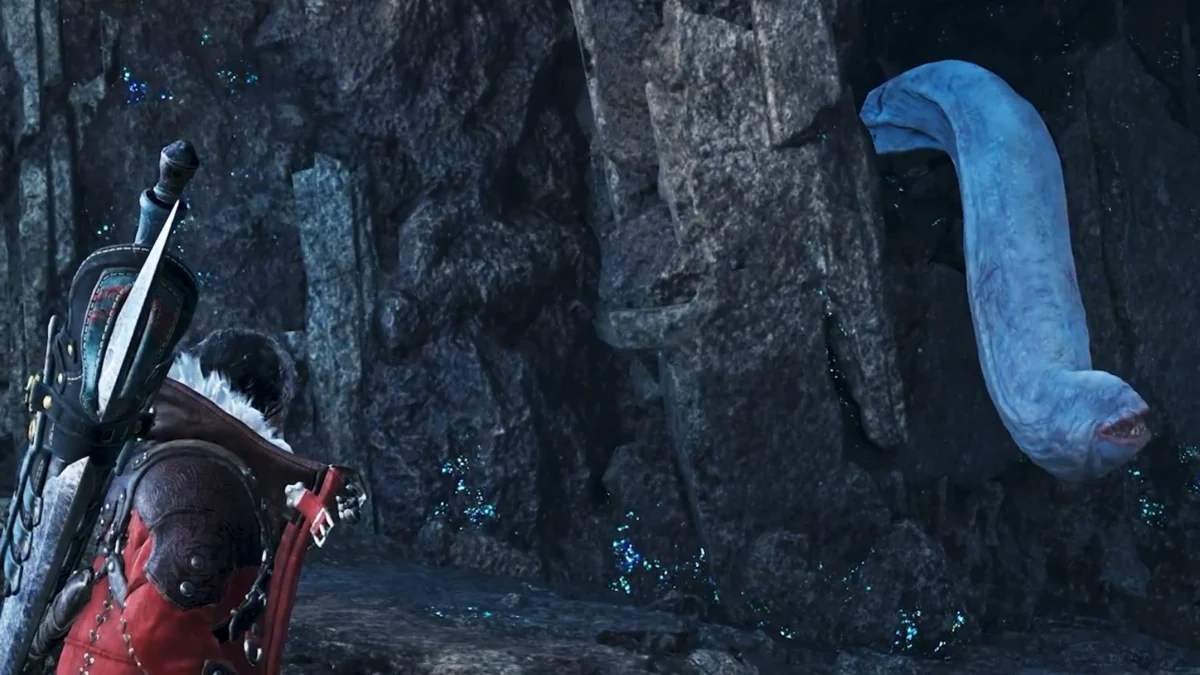
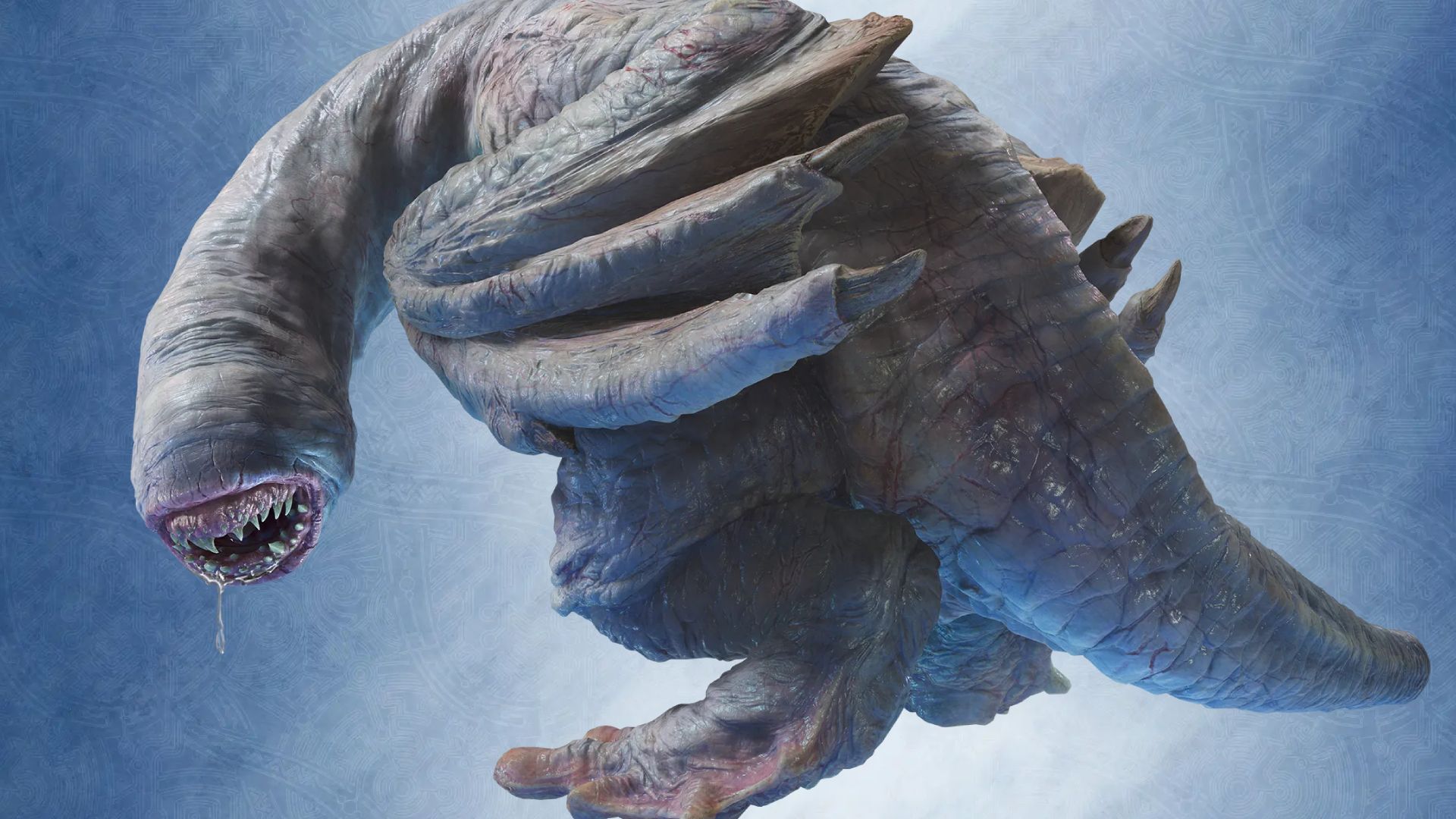
Capcom has officially confirmed that one of the most notoriously unsettling and polarizing creatures in video game history will make its triumphant—and skin-crawling—return in the upcoming expansion, Monster Hunter Wilds: Ascendance. The grotesque Flying Wyvern known as Khezu, infamous for its rubbery, pale hide, eyeless visage, and aggressively biological design, is slated to join the expanded roster when the title launches in 2027.
First introduced in the original Monster Hunter releases, Khezu has long been a subject of dark fascination and visceral repulsion among the global hunting community. Characterized by its pale, flaccid, and perpetually damp anatomy, the creature stands out in a franchise otherwise populated by majestic, scaled, and feathered beasts. Its return in Monster Hunter Wilds: Ascendance highlights Capcom’s ongoing commitment to balancing high-fantasy spectacle with grotesque, atmospheric horror, leveraging modern graphics hardware to render the monster’s uncomfortably realistic textures in unprecedented detail.
The announcement, made via official social media channels over the weekend, has instantly re-energized community discourse. While players debate the tactical strategies required to tackle its devastating electrical discharges and elastic neck attacks, Capcom’s motion-capture department has lightheartedly addressed the psychological toll of bringing such a creature to life.
Chronology of a Nightmare: Khezu’s Journey Through the Franchise
To understand the magnitude of Khezu’s inclusion in Monster Hunter Wilds: Ascendance, one must look back at the creature’s storied history across multiple console generations.
The Classic Era (2004–2009)
Khezu made its debut in the first-generation Monster Hunter titles on the PlayStation 2, quickly establishing itself as a wall-and-ceiling-crawling terror of dark caves. Without the benefit of modern high-definition graphics, its unsettling design was already a point of discussion, but hardware limitations spared players some of the more intensely organic details. By the time Monster Hunter Freedom Unite arrived on the PlayStation Portable, veteran hunters had learned to fear its echoing, blood-curdling roars down dim cavern corridors.
The Portable and High-Definition Transition (2010–2018)
As the series evolved through Monster Hunter 4 Ultimate and Monster Hunter Generations, Khezu’s presence became a franchise staple. It skipped the massive open-world shift of Monster Hunter: World, prompting a brief sigh of relief from players sensitive to its damp aesthetic, only to return in Monster Hunter Rise. With the Nintendo Switch’s improved hardware, the creature’s mucous-coated skin and pulsing veins became sharper and significantly more vivid, amplifying its reputation as a walking phallic nightmare.
The Modern Generation and Ascendance (2024–2027)
Following the announcement of Monster Hunter Wilds, fans eagerly dissected trailers for returning favorites. While initial reveals focused heavily on Elder Dragons and popular mainline beasts, a lingering sense of unease remained among veterans missing the game’s premier body-horror icon. Capcom finally rectified this oversight over the weekend, confirming Khezu’s inclusion in Monster Hunter Wilds: Ascendance. The sequel, currently slated for a 2027 release with wishlists already live on Steam, promises to utilize next-generation hardware to make Khezu more tactile, damp, and terrifying than ever before.
Supporting Data and Anatomical Breakdown
What makes Khezu such a persistent topic of conversation—and revulsion—is its hyper-specific, biologically grounded design. Capcom’s art and animation teams have consistently leaned into realism to make the wyvern’s uncanny features pop.
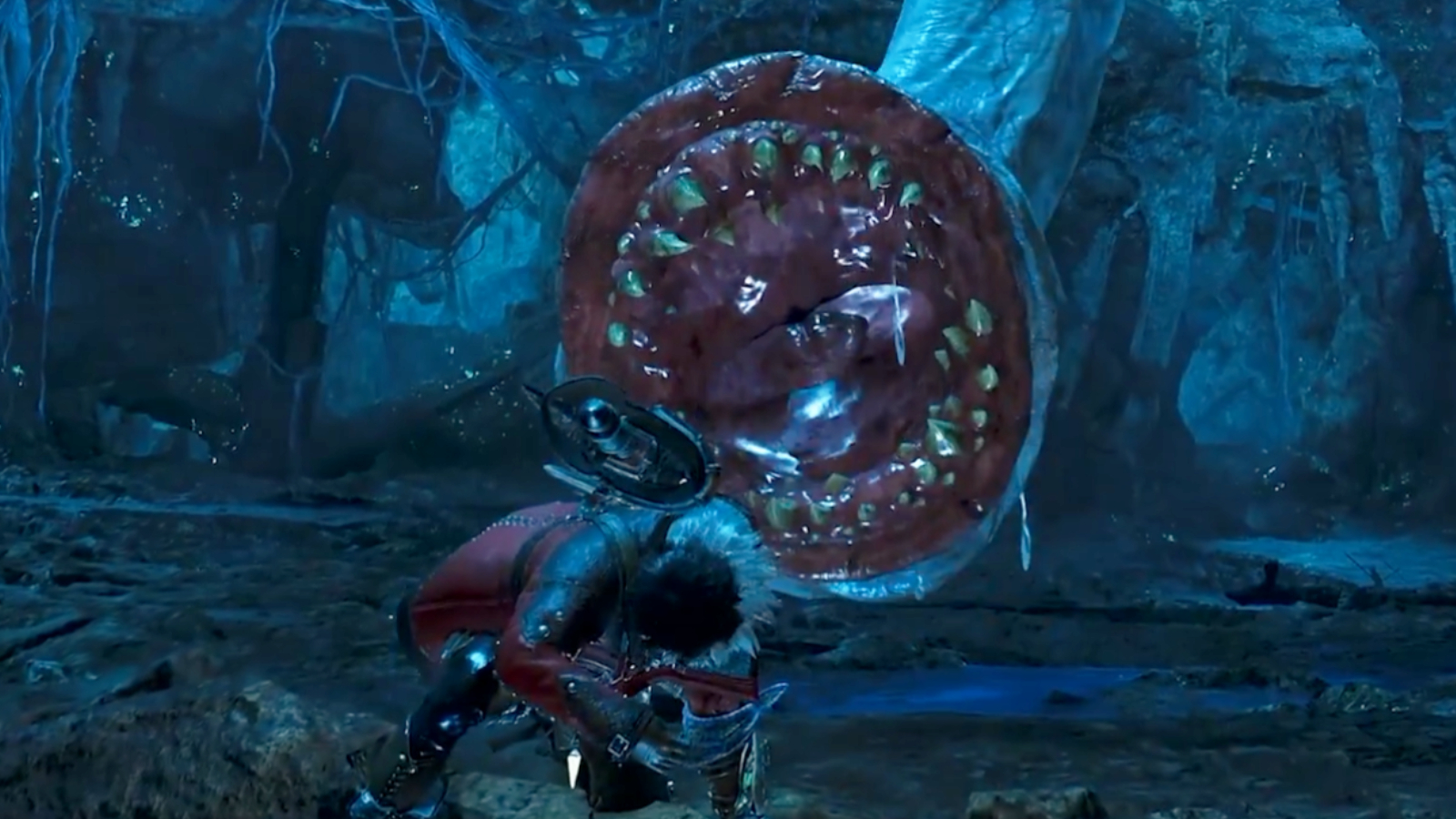
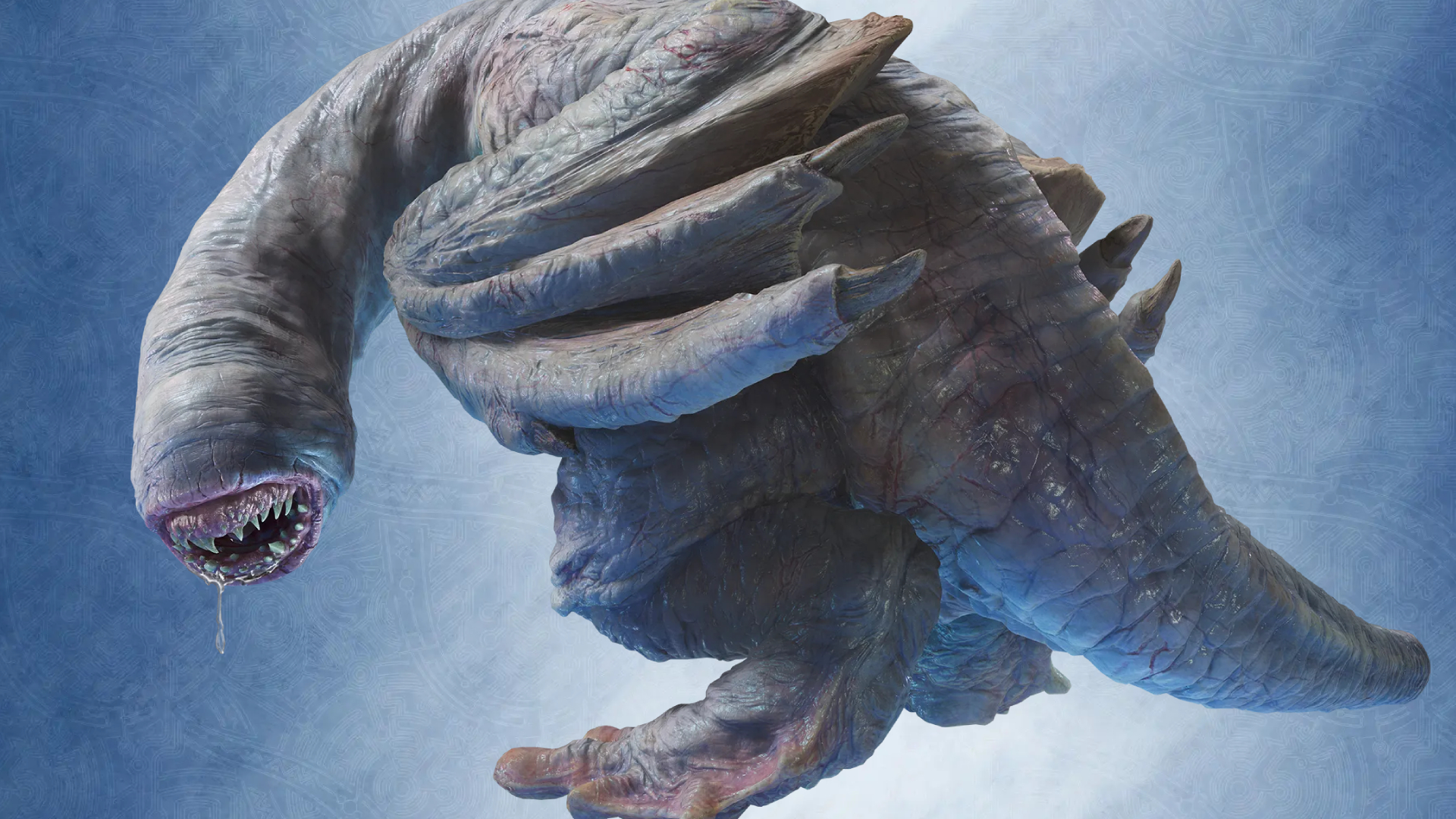
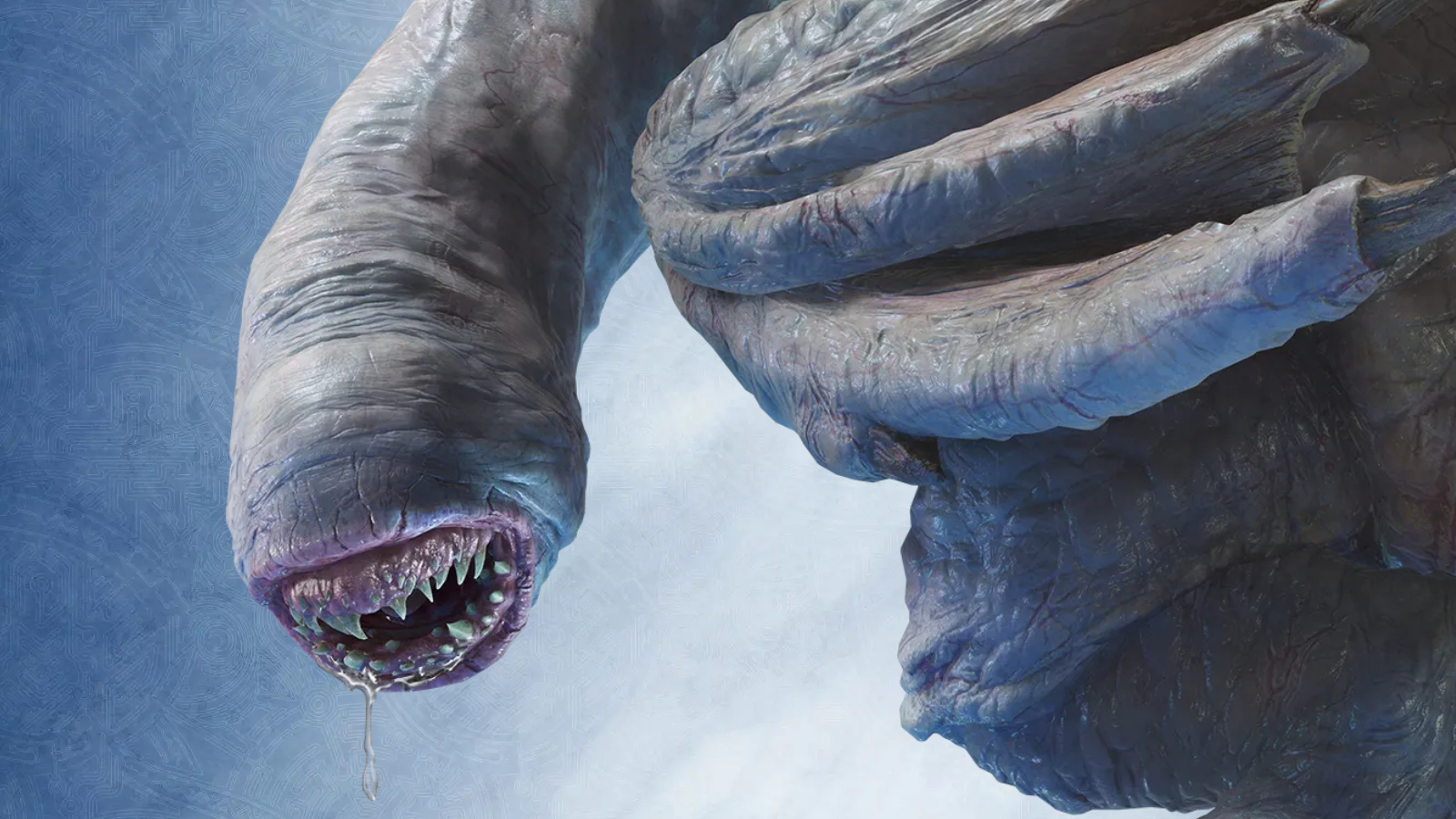
- The Damp Aesthetic: As graphics engines have advanced, Khezu has grown exponentially more moist. Its rubbery epidermis is permanently coated in a glistening, viscous layer of mucus, while its toothed orifice continuously drips a corrosive digestive fluid.
- Vascularity and Enraged States: When aggravated, the veins running along Khezu’s distended, gelatinous neck visibly throb, creating a pulsating visual rhythm that players frequently describe as deeply unsettling.
- Elongation Mechanics: Khezu possesses the disturbing ability to stretch its neck to extreme lengths, allowing it to snap at hunters from improbable distances or sweep across cavern floors with predatory precision.
- Electrical Combat Systems: Beyond its physical horrors, Khezu generates lethal bolts of electricity, releasing radial shockwaves and projectile orbs capable of inflicting the paralysis status ailment, leaving hunters completely defenseless against follow-up attacks.
- Reproductive Cycle: In a nod to grim ecological realism, adult Khezus inject paralyzed prey with larvae. These offspring feed internally on the living host as they mature, adding a layer of parasitic dread to the monster’s lore.
Official Responses and Behind-the-Scenes Insights
The reveal of Khezu for Monster Hunter Wilds: Ascendance has also brought lighthearted transparency regarding how the beast is brought to life behind closed doors.
During a developer preview event held at Capcom’s Osaka headquarters, members of the studio’s motion-capture department opened up about the physical and mental demands of portraying the studio’s most unconventional creatures. When asked whether motion actors are provided with specialized mental health counseling following intense Khezu mocap sessions—given the bizarre postures, spasms, and disturbing movements required—representatives offered reassurance. Capcom confirmed that all performance-capture staff have continuous access to comprehensive employee support and counseling resources, ensuring that the psychological scars of embodying a giant, glowing, electric leech-wyvern remain strictly professional.
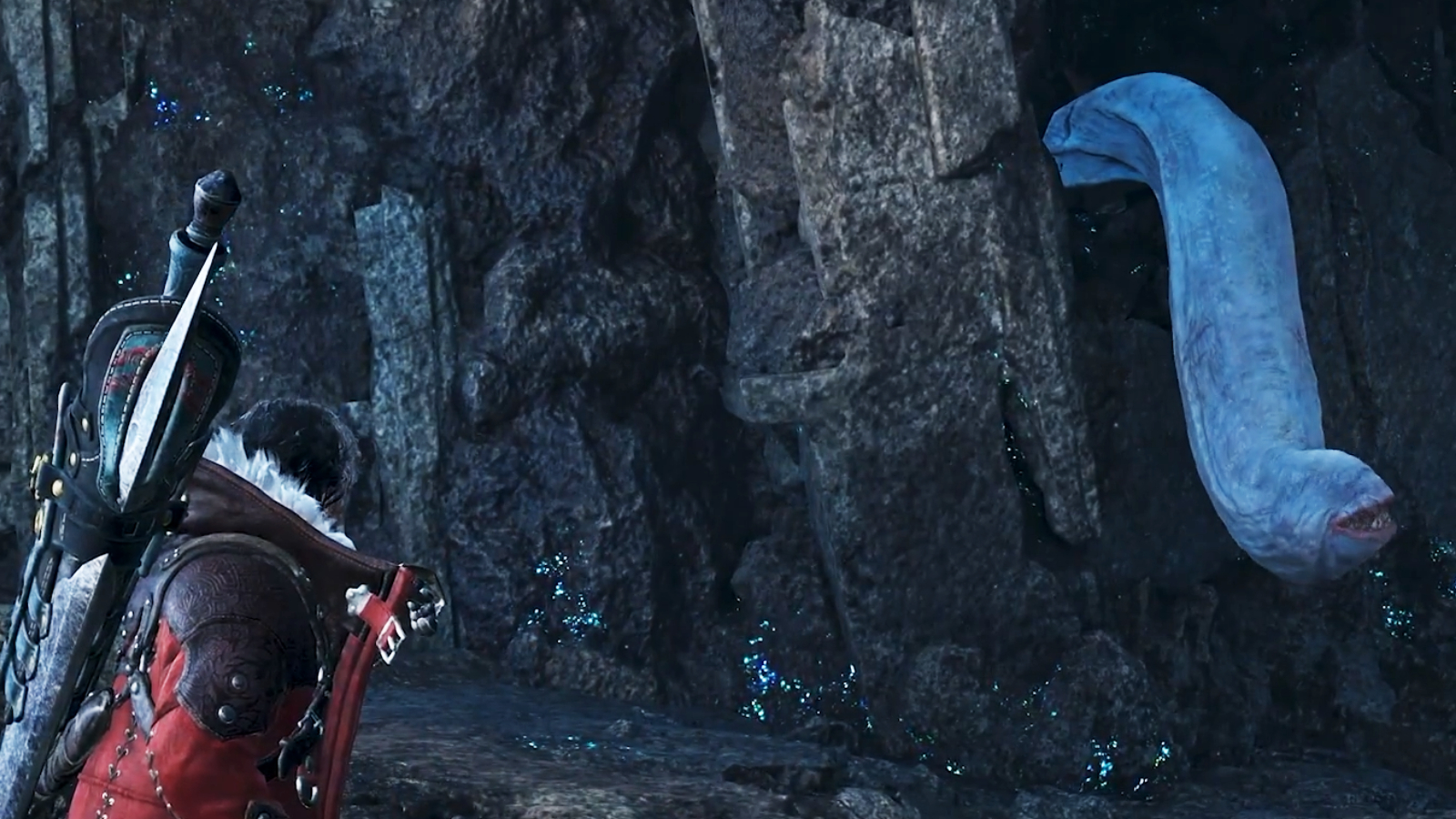
Furthermore, community managers have embraced the meme status of the monster. Rather than shying away from the widespread jokes regarding Khezu’s phallic silhouette and skin-like texture, Capcom’s official promotional material has leaned directly into the community’s shared trauma, welcoming the beast back with knowing winks.
Implications for Monster Hunter Wilds: Ascendance
The return of Khezu carries significant gameplay and atmospheric implications for Monster Hunter Wilds: Ascendance.
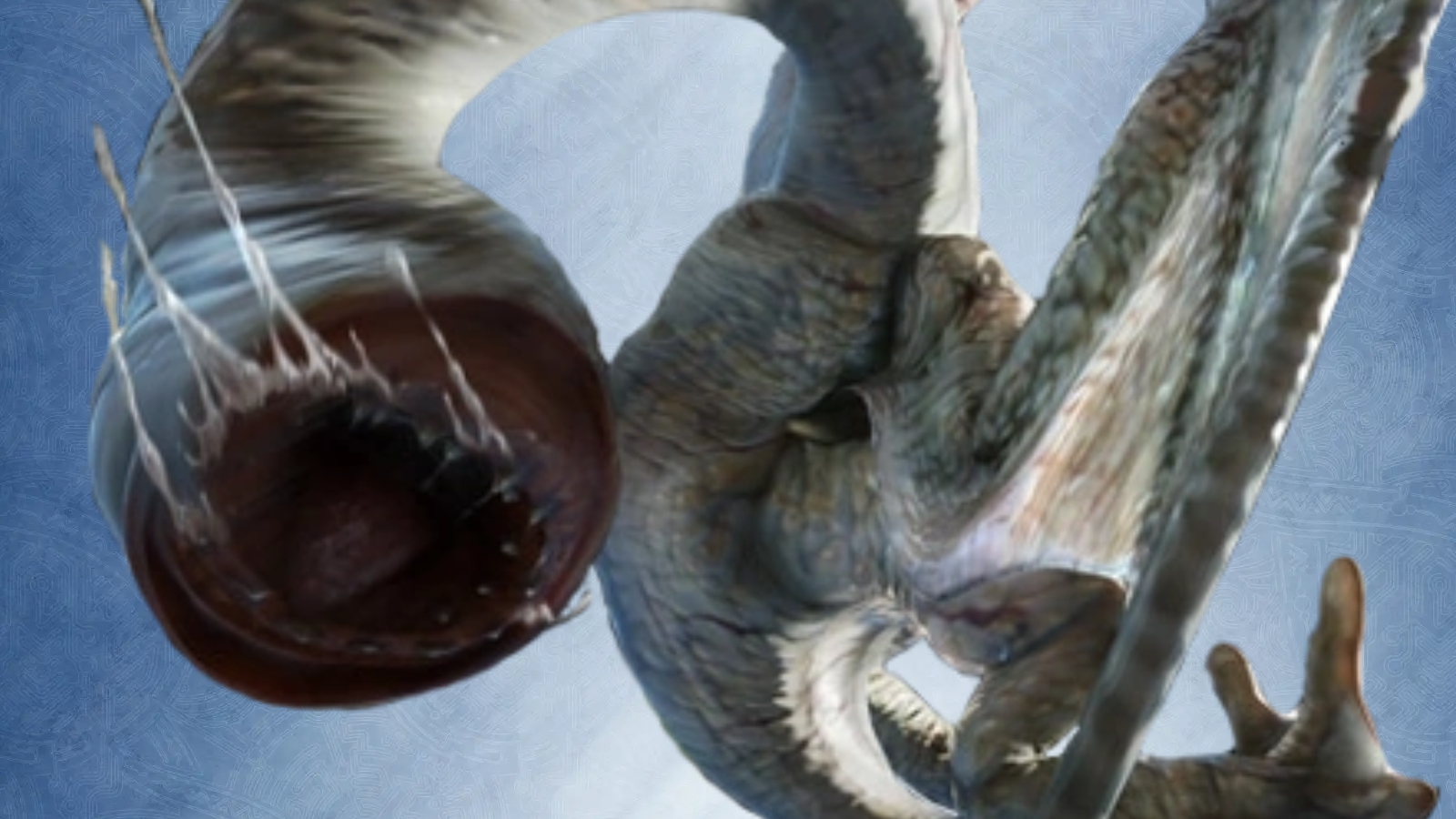
First, it signals Capcom’s dedication to variety in environmental storytelling and monster design. While apex predators and majestic Elder Dragons provide sweeping, cinematic showdowns, creatures like Khezu ground the ecosystem in a grittier, darker tone. Hunting in the deep, claustrophobic cave systems of Wilds will fundamentally change when players must contend with ceiling-crawling ambushes, pitch-black darkness, and the sudden, screeching roar of a blind wyvern tracking movement purely through sound and electrical signals.
Second, the combat loop will require tactical adjustments. Hunters specializing in melee weapons must manage Khezu’s frequent electrical auras—which act as a natural armor against close-range attacks—while ranged weapon users will need to watch out for its terrifyingly fast neck-extension lunges.
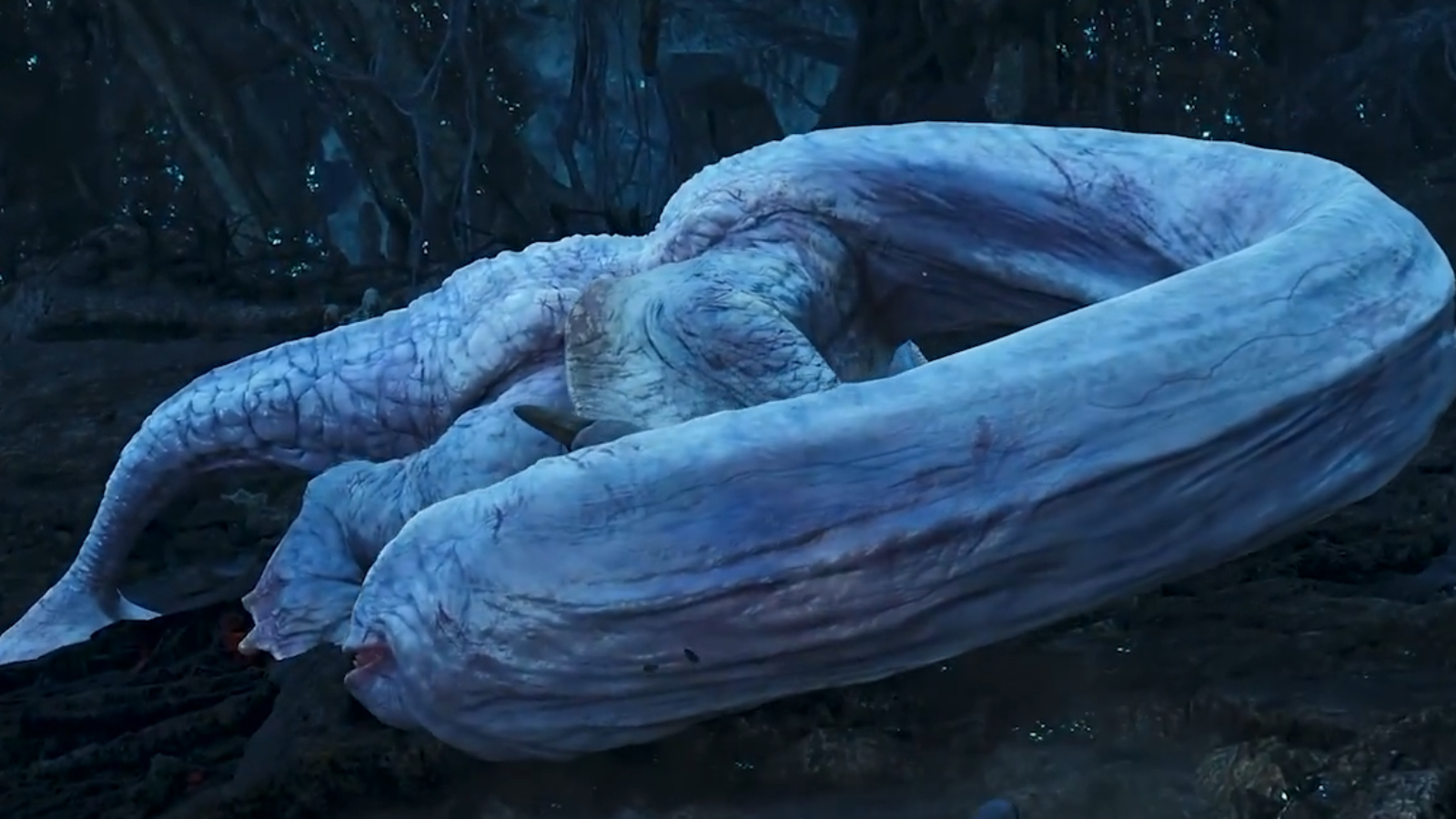
As the gaming community prepares for the release of Monster Hunter Wilds: Ascendance in 2027, the confirmation of Khezu ensures that the franchise’s unique blend of high-octane action and pure, unadulterated body horror remains alive and well. Whether players are thrilled to farm its armor set or deeply regret opening Steam to wishlist the game, one thing is certain: the hunt will be as damp, shocking, and uncomfortable as ever.

