

Main Facts: Unlocking the Secrets of the Danann Sea
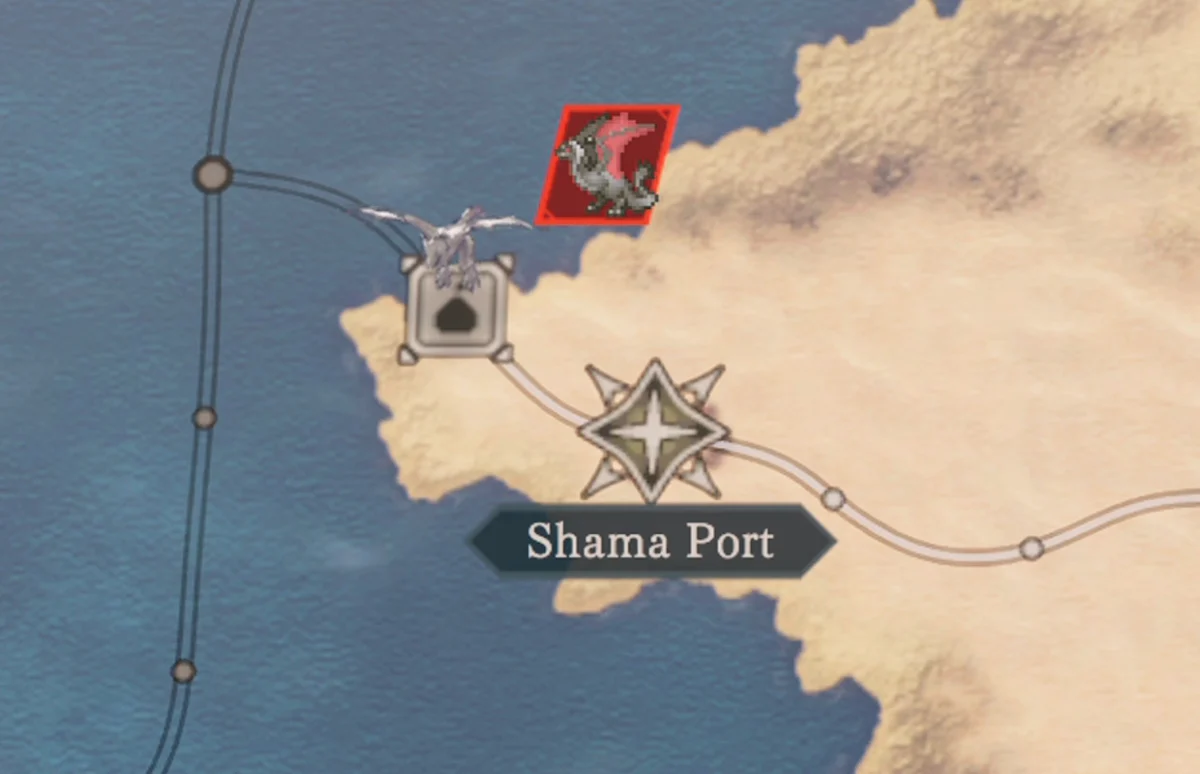
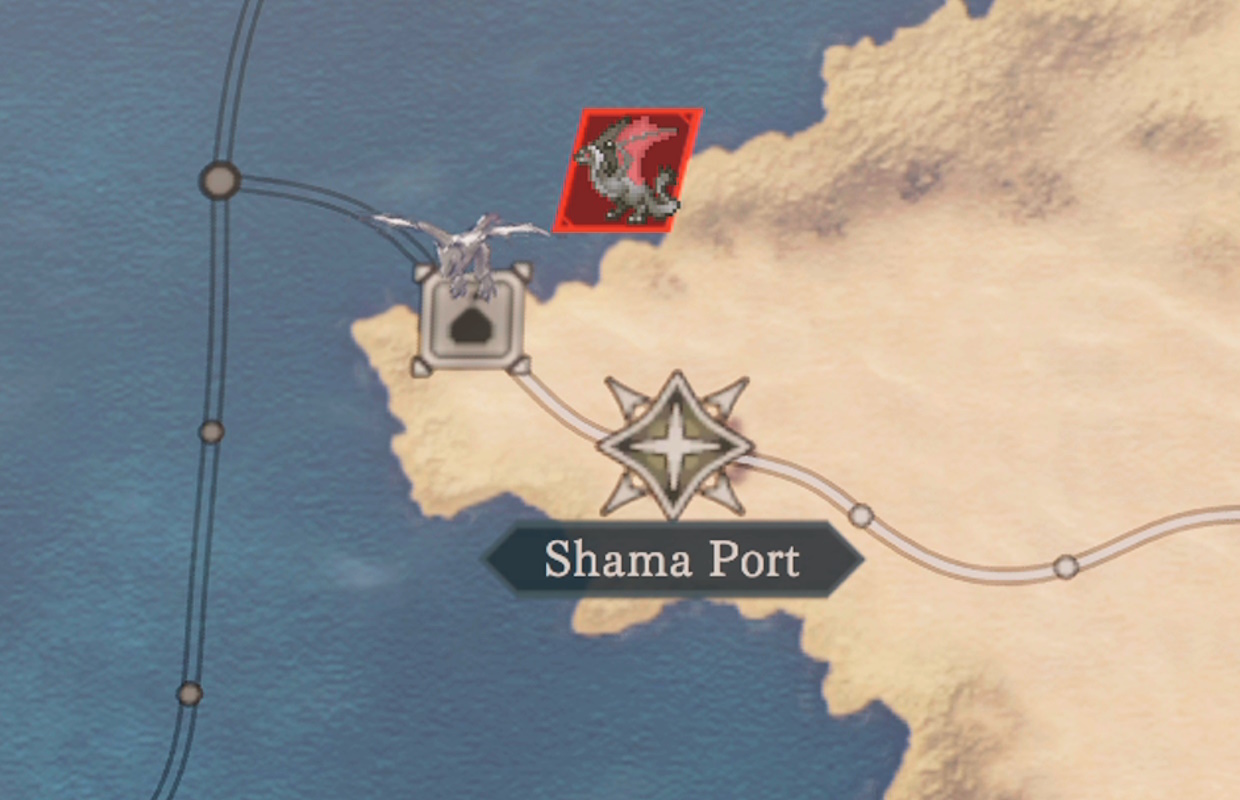
For tacticians traversing the sprawling eastern waters in Fire Emblem: Fortune’s Weave, the world map holds countless secrets. Among them, tucked away in the southeast corner of the Danann Sea, lies an uncharted, desert-like expanse known as the Solomon region. Sharing traversal properties with the infamous Nysiades desert on the Dagda mainland, this hidden geographic oddity presents a unique puzzle for players aiming for 100% completion.
However, reaching and exploring Solomon is far from straightforward. The area is exclusively accessible during Part I by Theodora, who commands the maritime vessel required to cross the eastern waves. Other protagonists in the campaign—Cai, Dietrich, and Leda—lack access to a ship at this stage of the narrative, locking them out of the region entirely until Part III rolls around.
For players guiding Theodora, efficient turn management is paramount. Because Solomon sits at a vast distance from any standard world map Carriage point, haphazard navigation will rapidly drain precious turns. To assist players in mapping this elusive territory without squandering resources, strategy experts have compiled comprehensive route diagrams, warning players to balance exploration with the strict turn limits imposed by Theodora’s uniquely abbreviated final chapters.
Chronology: When and How to Approach Solomon
Understanding the timeline of Fire Emblem: Fortune’s Weave is crucial for any completionist attempting to chart the southeastern seas. Because character paths diverge significantly in Part I, scheduling maritime detours requires careful forecasting.
Part I: Theodora’s Exclusive Window
During the early phases of the game, only Theodora possesses the naval assets necessary to breach the Danann Sea. Players should initiate their preparations to explore the Solomon region no earlier than Chapter 10 and no later than Chapter 11.
- The Chapter 12 Trap: A common pitfall for new players is attempting to delay the excursion until Chapter 12. However, veterans advise against this, as Theodora’s final chapter concludes much faster than those of her fellow protagonists. Waiting too long risks locking the player out of the region entirely before they can set foot on its shores.
- Turn Efficiency: Given the sheer distance from mainland infrastructure, players must calculate their movement costs carefully. Conserving turns ensures that the main campaign objectives are not compromised for the sake of optional exploration.
Part III: The Universal Return
For those playing as Cai, Dietrich, or Leda during Part I, do not despair. The Solomon region automatically opens up to all paths by the time the narrative reaches Part III. While this delayed access means missing out on potential early-game resources, it guarantees that no player is permanently locked out of mapping the entire world.
Supporting Data: Mechanics, Maps, and Terrain Properties
Navigating Solomon requires understanding its peculiar terrain mechanics, which mirror the harsh conditions of Dagda’s Nysiades desert.
One-Way Roads and Fading Paths
The most significant mechanical hurdle in Solomon is its pathing system. Unlike standard regions in Fire Emblem: Fortune’s Weave, where cleared roads remain permanently etched onto the world map as a visual ledger of your progress, Solomon’s paths are transient.
- Fading Routes: The red-lined paths in Solomon do not stay drawn once traversed. They vanish behind the player’s marching forces, turning exploration into a memory-and-planning challenge rather than a simple backtracking exercise.
- Strict Directional Flow: These paths can only be crossed in a single direction. As indicated by the directional arrows on tactical map diagrams, picking the wrong fork in the road can force a lengthy, costly detour.
The Question of Rewards
Perhaps the most surprising aspect of the Solomon region is its current lack of substantial, game-changing loot. Extensive community testing and datamining indicate that, aside from a handful of isolated Search Points, Solomon does not house legendary weapons, secret dungeons, or game-breaking treasures.
This scarcity has sparked considerable debate within the Fire Emblem community. With little material reward driving the arduous journey across the Danann Sea, many players wonder if Solomon is a narrative red herring, a piece of cut content left half-finished, or a deliberate setup for future downloadable content (DLC) expansions.

Official Responses and Developer Context
As Fire Emblem: Fortune’s Weave continues to captivate tactical RPG enthusiasts worldwide, developers have maintained a measured silence regarding specific map secrets like the Solomon region. In recent post-launch developer interviews, creative leads discussed the philosophy behind the game’s branching paths and regional design, shedding indirect light on why areas like Solomon exist.
According to the development team, the overarching goal of the multi-protagonist structure was to make the world feel "viscerally vast and occasionally untamed." By restricting naval exploration to Theodora in Part I, the team intended to emphasize the logistical hurdles of maritime travel compared to land-based carriage routes.
When pressed by community outlets regarding the apparent lack of hidden treasures in remote areas like Solomon and the Lir Sea, developers hinted that environmental storytelling is sometimes its own reward. They noted that not every corner of a continent needs to house a legendary relic to be worth visiting; sometimes, the sheer thrill of charting the unknown map is meant to satisfy the curious tactician. Furthermore, developers cryptically suggested that players keeping an eye on Part III content might find retroactive context for certain isolated regions across the world map.
Implications: What Solomon Means for the Future of Fortune’s Weave
The inclusion of enigmatic, low-reward zones like the Solomon region carries several implications for both gameplay strategy and the broader Fire Emblem meta-community.
Tactical Re-evaluations for Completionists
For the hardcore strategy community, Solomon represents a fascinating exercise in opportunity cost. In a genre where every single turn, action point, and movement tile can mean the difference between victory and defeat, spending precious endgame-adjacent turns to explore a barren desert island seems counterintuitive.
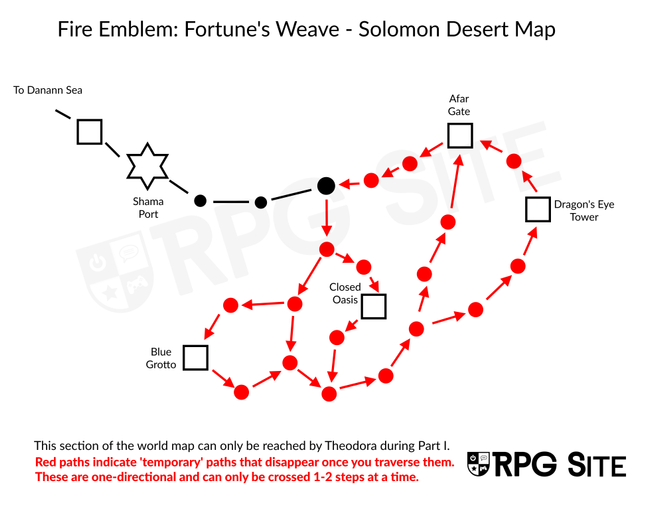
However, completionists operate under a different mandate. For these players, turning every gray space on the world map into vibrant color is a badge of honor. The discovery that Solomon’s paths are one-way and fleeting adds a welcome layer of tactical tension to what might otherwise be a routine cleanup phase. It forces players to treat the world map itself as a puzzle board, requiring the same meticulous calculation usually reserved for tactical combat maps.
Narrative Speculation and Community Lore
Beyond pure gameplay, Solomon’s mysterious nature has fueled rampant speculation across fan forums and wiki hubs. Why is the region named Solomon? Why does it share architectural and environmental traits with Nysiades despite being separated by miles of open ocean?
Some lore enthusiasts theorize that Solomon was once part of a larger continental landmass before a cataclysmic event fractured the eastern seas—a recurring theme in the history of the continent. Others suspect that the region was designed with future expansions in mind, serving as an empty canvas that subsequent updates or DLC story packs could easily populate with new narrative chapters, legendary beasts, or lost battalions.
Conclusion
Whether you view the Solomon region as an essential step toward 100% world domination or a whimsical detour for lore-hungry tacticians, navigating its shifting sands requires patience, precision, and careful timing. Armed with Theodora’s fleet and a reliable route map, players can conquer the Danann Sea’s greatest geographic enigma—proving once again that in Fire Emblem: Fortune’s Weave, no stone, and no sand dune, is left truly unturned.

