Main Facts
The video game development landscape is facing yet another devastating chapter as Build a Rocket Boy (BARB)—the studio behind the ambitious yet deeply troubled action-thriller MindsEye—appears to have reached the end of its operational life. Multiple employees, including senior development staff and human resources personnel, have taken to professional networks to announce that the studio is undergoing a terminal round of layoffs, effectively shuttering its doors.
What began as a promising studio helmed by industry veterans has unraveled over the past year in a cascade of commercial failure, bizarre public controversies, publisher fallout, and serious legal accusations. While Build a Rocket Boy has yet to issue an official, formalized press statement regarding the complete cessation of its operations, statements from outgoing staff members paint an unmistakable picture: the remaining workforce is being let go, and the studio is wrapping up its final administrative duties.
The collapse marks a dramatic and tragic conclusion for a company that once commanded significant industry attention, fueled by high-profile leadership and grand ambitions to challenge established giants in the open-world action genre. Instead, BARB will be remembered for one of the most chaotic project launches and subsequent downfalls in recent gaming history.
Chronology of a Collapse: From Anticipation to Ruin
The Genesis and the Promise
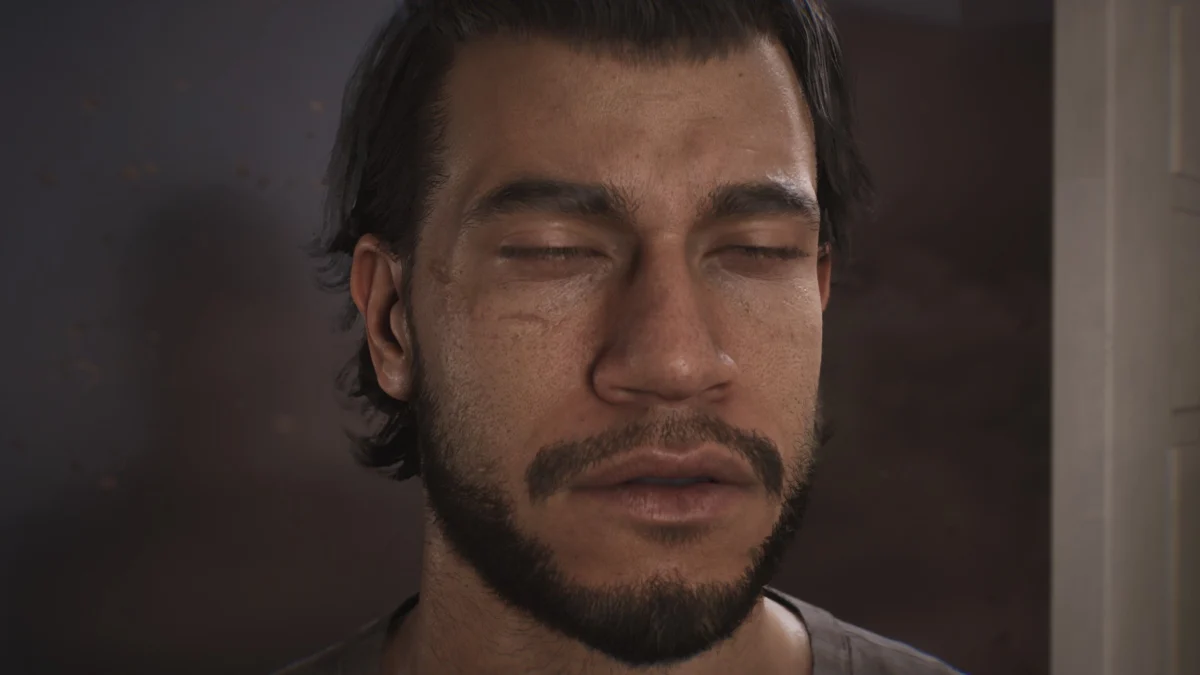
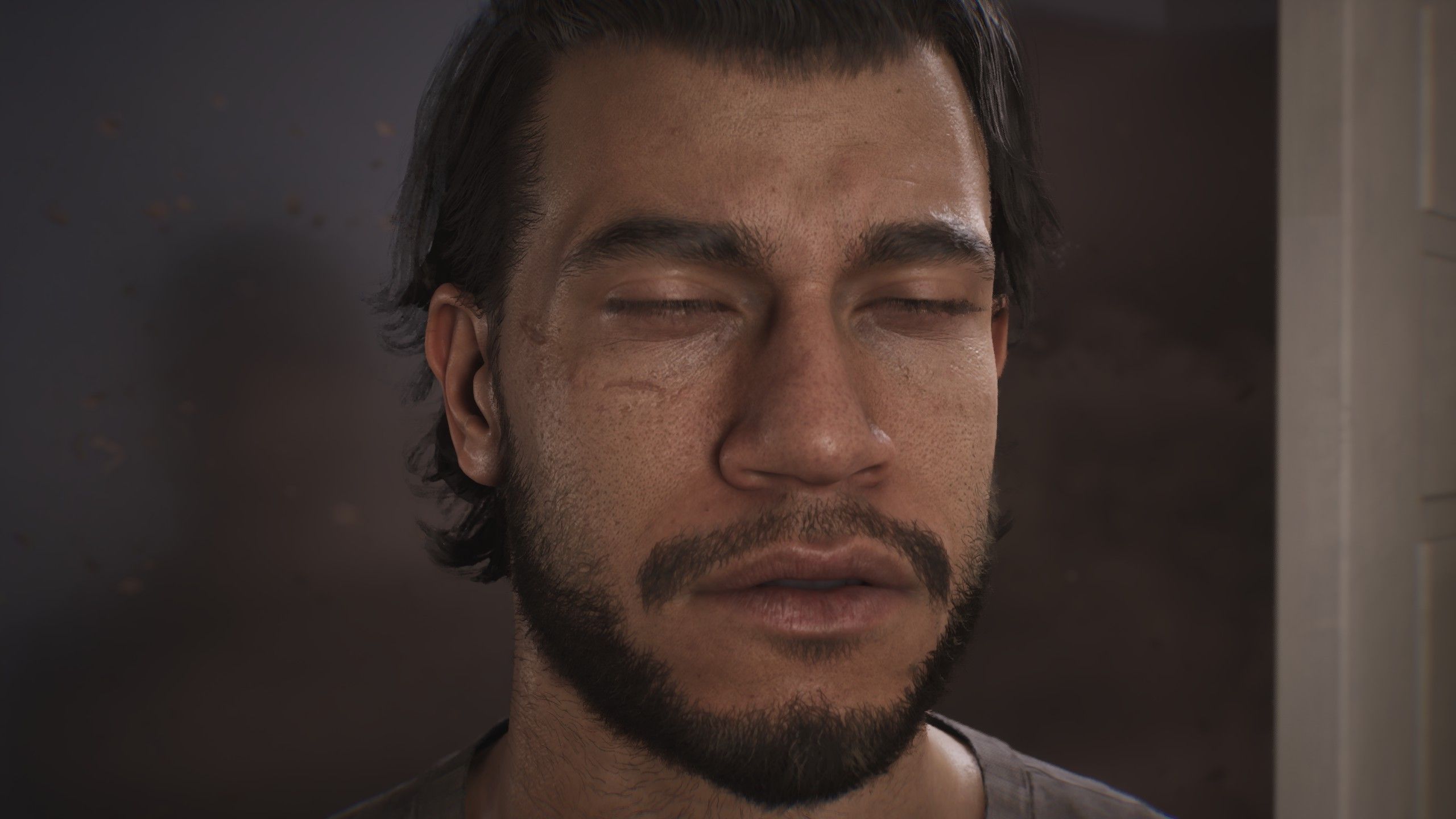
Build a Rocket Boy was founded with considerable pedigree, positioned as an exciting new creative powerhouse in the AAA development space. Expectations were exceptionally high, particularly given the studio’s ambitious vision for its flagship intellectual property, MindsEye. Billed as a cinematic, high-octane action-thriller, the game aimed to blend intricate narrative depth with explosive third-person gameplay.
The 2025 Launch and Immediate Backlash
The downward spiral accelerated dramatically following the release of MindsEye in 2025. Upon arrival, the title was widely panned by critics and players alike, characterized as a glitchy, incoherent mess. While a niche group of players found its chaotic state strangely entertaining, the overwhelming consensus was that the game had failed to meet even baseline technical and narrative standards.
Rather than addressing the development shortcomings transparently, studio leadership famously blamed the game’s dismal reception on an alleged external "sabotage campaign." This narrative drove an immediate wedge between BARB and its publisher at the time, IO Interactive. Sensing a reputational and commercial liability, IO Interactive swiftly severed ties with the developer, officially ending their publishing agreement and canceling a planned Hitman crossover event that had previously been teased to the public.
Escalating Controversies and Desperate Updates
Despite the crumbling foundation, BARB attempted to salvage the project. Updates continued to roll out, culminating in a poorly received expansion that promised—yet utterly failed to provide—concrete "evidence" of the purported saboteurs who supposedly ruined the base game.
Behind closed doors, the situation was far more sinister. Axed staff members came forward with allegations of severe crunch culture, pervasive mismanagement, and a total lack of creative direction. Reports surfaced indicating that studio leadership had repeatedly shifted the vision of the game without clear resolution. Furthermore, the studio faced intense legal scrutiny when a workers’ union alleged that BARB had deployed unauthorized employee surveillance software capable of recording staff members within their own homes without explicit consent.
The Final Blow
By late 2025 and into early 2026, the cumulative weight of failed releases, lost publishing partnerships, legal battles, and mounting operational costs made a corporate collapse all but inevitable. That inevitability has now materialized.
Supporting Data and Employee Testimonies
The confirmation of the studio’s closure comes directly from the affected workforce, who have turned to professional platforms like LinkedIn to announce their redundancies and begin the arduous task of finding new employment.
- Adam Ridsdale (Lead Weapon and Prop Artist): Publicly confirmed his redundancy alongside his colleagues, writing, "Unfortunately, along with the rest of my colleagues at Build a Rocket Boy, I am facing redundancy and now looking for a new opportunity."
- Dan Hawkins (Principal Talent Acquisition Partner): Provided perhaps the most telling confirmation of the studio’s final days. Hawkins noted that he was raising his "green banner" while committing to "seeing BARB through till the very end, helping wrap things up here in the HR department," signaling that the human resources infrastructure is actively processing the total shutdown of the company.
- Jason Waller (Senior VFX Artist): Directly corroborated the studio closure narrative, stating, "Along with everybody else left at Barb my role is being made redundant."
- Stuart Ross (Head of Audio): The Rockstar Games veteran and senior audio leader also confirmed his departure from the studio as part of the sweeping cuts, though he left his specific comments brief regarding the broader corporate outcome.
These personal accounts underscore a grim reality: an entire studio of creative talent, engineers, artists, and support staff has been left adrift due to executive missteps and project mismanagement.
Official Responses and Industry Silence
As of the time of reporting, Build a Rocket Boy has maintained total silence regarding the reported shutdown. Corporate channels have not released a formal post-mortem on the MindsEye failure, nor have they addressed the widespread staff announcements circulating online. Industry journalists and media outlets, including representatives from major gaming publications, have reached out to BARB’s executive leadership and public relations contacts for comment, but have yet to receive a substantive reply.
The absence of an official corporate statement is characteristic of a studio in freefall, where remaining administrative personnel are likely focused entirely on legal liquidation, asset management, and winding down operations rather than public relations management.
Broader Implications for the Gaming Industry
The demise of Build a Rocket Boy serves as a cautionary tale with far-reaching implications for the contemporary video game industry, particularly within the mid-to-large-scale independent and AAA development sectors.
1. The Perils of Vision Drift and Mismanagement
The post-mortem of BARB will undoubtedly center on the dangers of unfocused leadership. Reports from former staff highlighting a "total lack of direction" and a CEO who struggled to finalize a cohesive vision for MindsEye demonstrate how toxic development loops can drain millions of dollars and exhaust human capital. Without firm, decisive creative direction, even the most talented teams can be ground down by endless iteration and shifting priorities.
2. The Danger of Conspiracy Narratives in Corporate Crisis Management
BARB’s public insistence that MindsEye failed due to "saboteurs" rather than inherent design and technical flaws represents a textbook case of poor crisis management. In the modern era of transparent digital media, attempting to gaslight consumers and publishing partners isolates a studio from the very industry ecosystem it relies upon for survival. When IO Interactive pulled out, it signaled to the rest of the market that BARB was no longer a viable or trustworthy commercial partner.
3. Worker Welfare and Accountability
Perhaps the most crucial takeaway from the BARB collapse is the human cost. The allegations of intrusive in-home surveillance software, forced crunch, and sudden, unceremonious mass redundancies highlight the ongoing vulnerability of game developers. As the industry continues to experience widespread contraction and layoffs, the case of Build a Rocket Boy underscores the urgent need for stronger labor protections, unionization efforts, and ethical corporate governance to protect workers from the fallout of executive failures.
Ultimately, Build a Rocket Boy joins the growing graveyard of studios destroyed not by a lack of talent or passion among its developers, but by structural dysfunction, misplaced blame, and leadership that lost its way long before the final code was ever compiled.

