

Release Date: September 17, 2026
Platform: Nintendo Switch 2
Developer: Intelligent Systems
Publisher: Nintendo
Reviewer: Alan Wen (Tested over 85 hours via a Nintendo Switch 2 publisher code)
Main Facts: An Unprecedented Leap for Intelligent Systems
For decades, the Fire Emblem franchise has been synonymous with sweeping tactical role-playing narratives, branching timelines, and high-stakes permadeath. Yet, developer Intelligent Systems has continually grappled with the structural challenges of multi-path storytelling. While Fire Emblem: Three Houses captivated players with its four parallel routes, its narrative execution felt fractured. Meanwhile, Fire Emblem Fates drew heavy criticism for locking its true path behind additional paywalls.
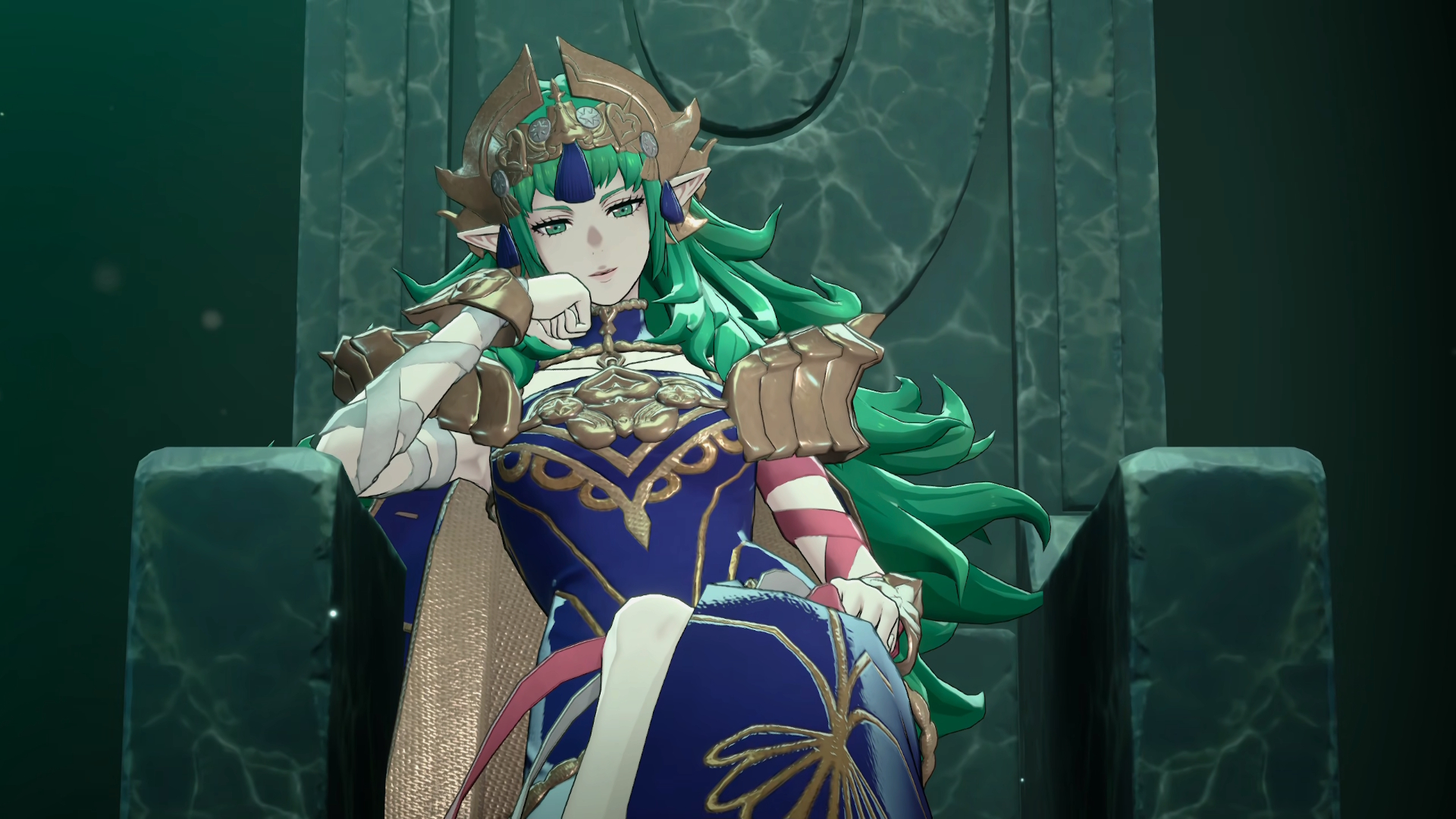
Enter Fire Emblem: Fortune’s Weave, an epic release for the Nintendo Switch 2 that attempts to reconcile these historical hurdles. Dropping players directly into a bleak, apocalyptic endgame where the world has already succumbed to dark undead forces and the imminent return of the demon god Balor, the game utilizes a bird’s-eye narrative approach.
In the opening prologue, your custom protagonist—canonically named Eshmel—witnesses the tragic downfall of the game’s four central heroes: Cai, Dietrich, Theodora, and Leda. Aided by Fortuna, the goddess of fate, Eshmel travels back in time five years to the Rome-inspired city of Dagsion in the year 1449. Here, the four heroes participate in the prestigious Heroic Games for individual wishes, unaware that their survival is essential to averting total global annihilation.
Despite its brilliance on the battlefield and a sweeping, cinematic narrative, Fortune’s Weave walks a precarious tightrope. It delivers some of the best grid-based tactical combat in the franchise’s history, but burdens its momentum with an exhaustive, resource-heavy web of busywork.
Chronology and Structure: Weaving the Threads of Fate
The chronology of Fortune’s Weave begins at the very end. By showing the catastrophic defeat of Cai, Dietrich, Theodora, and Leda up front, Intelligent Systems establishes immediate, high-stakes motivation.
Transported to Dagsion five years prior, Eshmel adopts the guise of a "Pale Raven," acting as a distant observer rather than a traditional, overly central avatar. This design choice prevents the narrative from awkwardly revolving entirely around a mute protagonist, allowing players to genuinely invest in the distinct personal journeys of the four heroes:
- Cai: The youngest protagonist, entering the Heroic Games to rescue his imprisoned father from execution while seeking mentorship from seasoned allies.
- Dietrich: A battle-hungry warrior hailing from Three Houses‘ continent of Fódlan, boasting high-mobility warp strikes that decimate enemy lines.
- Theodora: The warrior queen of the Kingdom of Samaris, whose backstory features political assassinations and betrayals reminiscent of Game of Thrones.
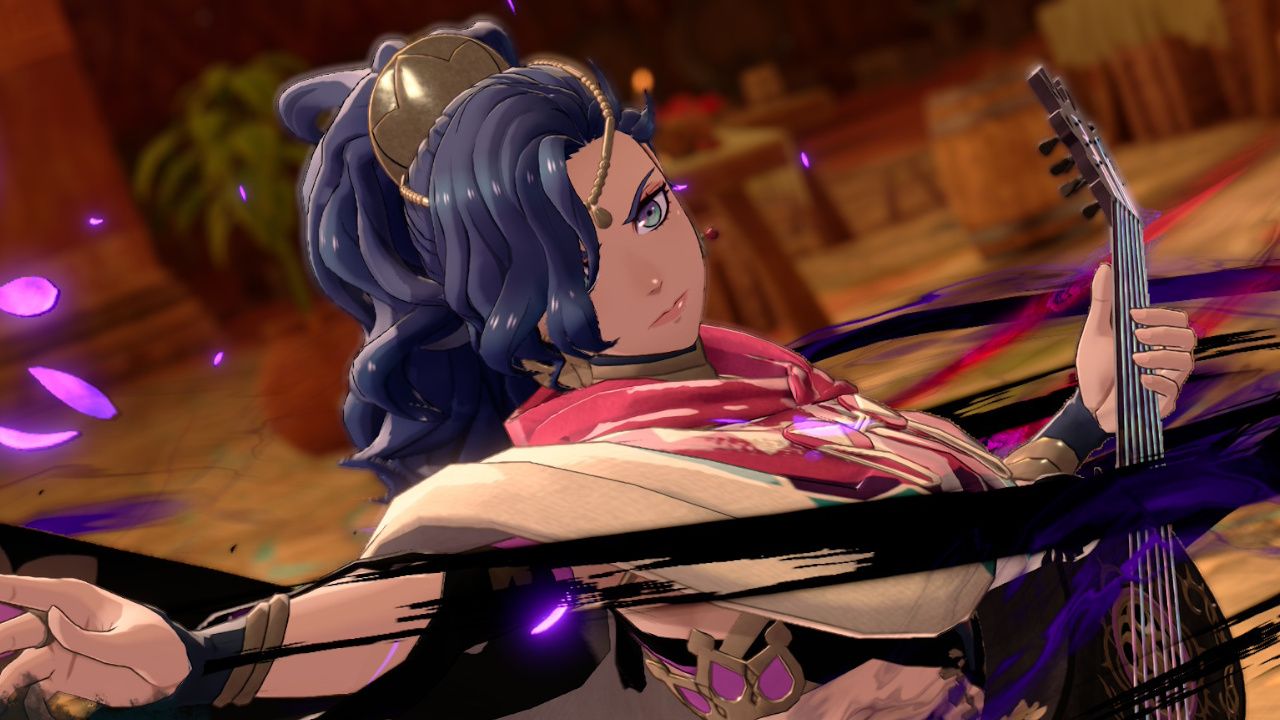
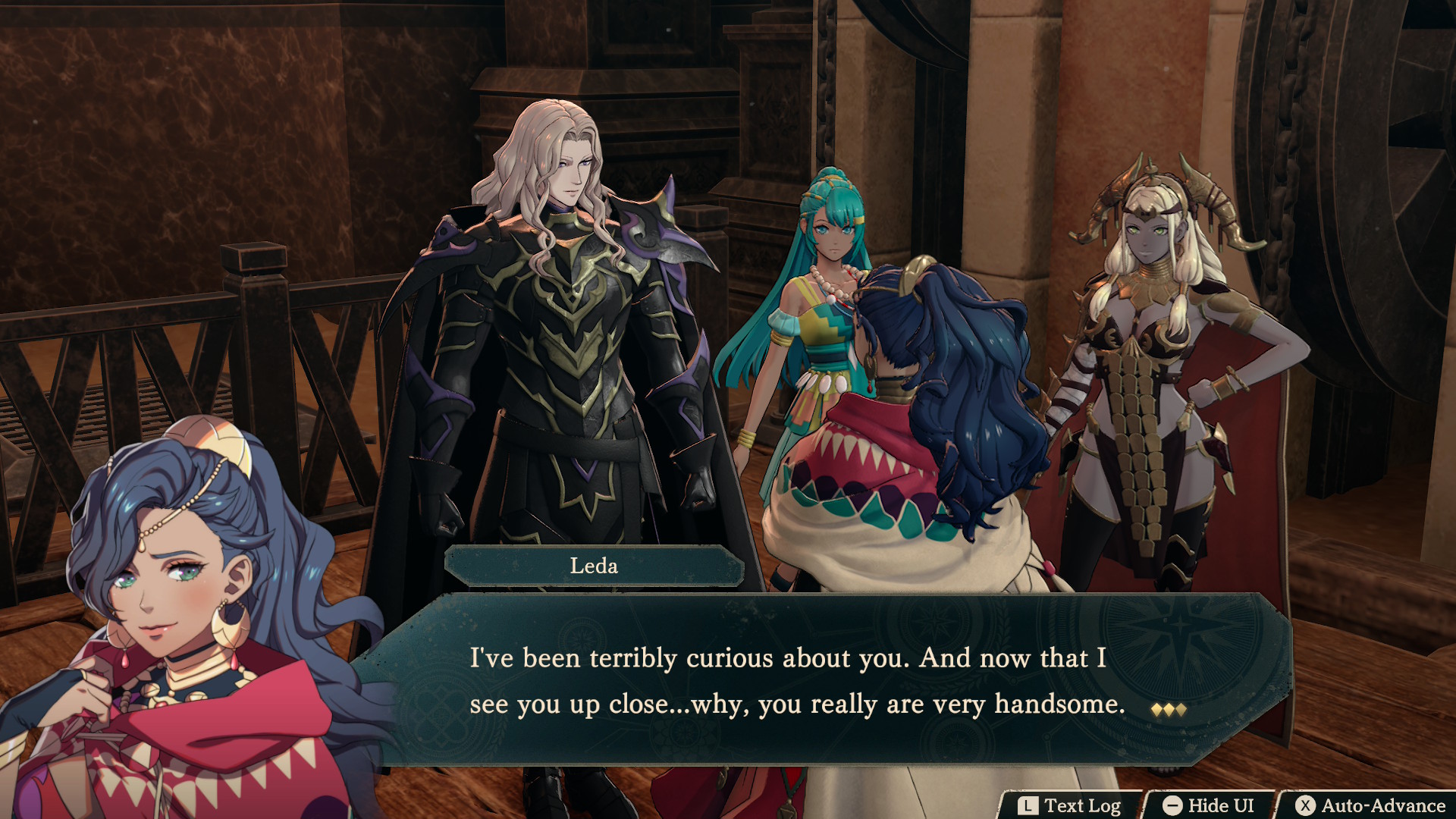
- Leda: A musical performer driven by an obsessive, revenge-fueled crusade to track down the murderers of her father and the destroyers of her homeland.
Unlike previous entries that force players to commit to a single route from the outset, Fortune’s Weave allows for unprecedented structural freedom. Through the Obelisk Chamber in the game’s present timeline, players can jump freely between campaigns, experiencing the heroes’ intersecting destinies in parallel. One moment, teams might cooperate seamlessly in a skirmox; the next, they may find themselves pitted against each other in the arena.
However, this structural ambition introduces a double-edged sword. Rotating between paths in the early chapters subjects players to repetitive onboarding quests and duplicate cinematics—such as watching each individual hero enter Dagsion for the very first time. Consequently, many players will likely find themselves gravitating toward a single favorite path, such as Leda’s crusade, to preserve narrative momentum.
Supporting Data and Gameplay Mechanics: Tactical Triumph Meets Pacing Friction
When it comes down to brass tacks, Fortune’s Weave retains the gold standard of grid-based tactical strategy that fans expect, while introducing meaningful evolutions suited for Nintendo Switch 2 hardware.
Combat and Exploration
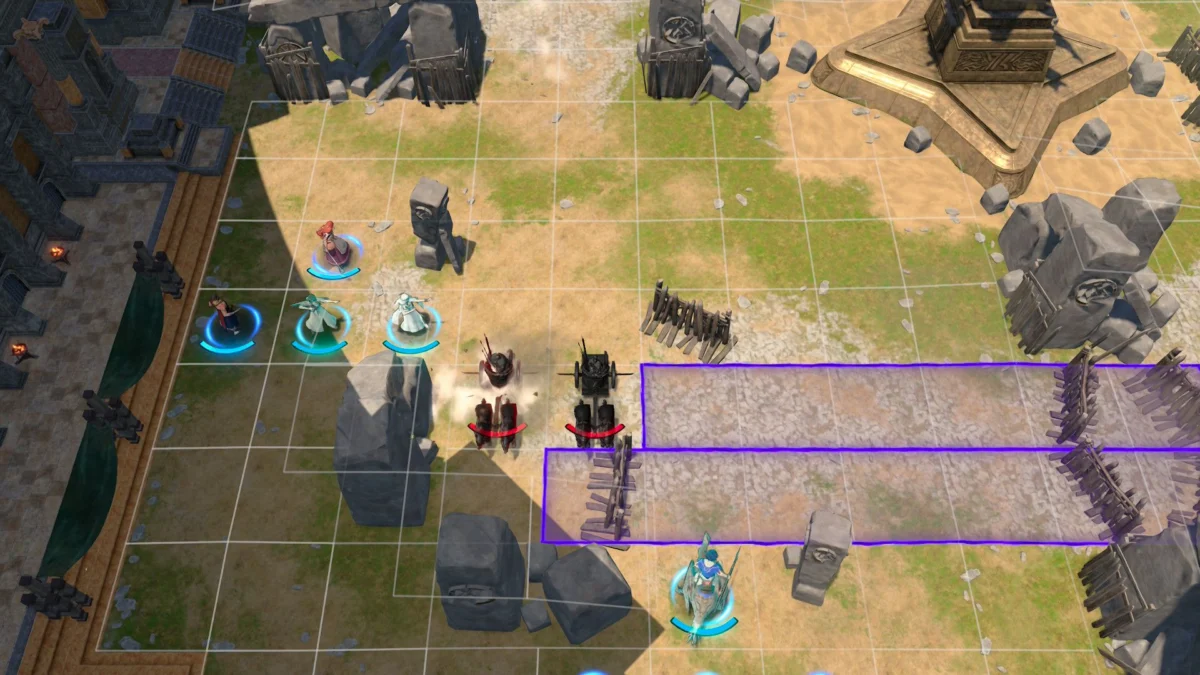
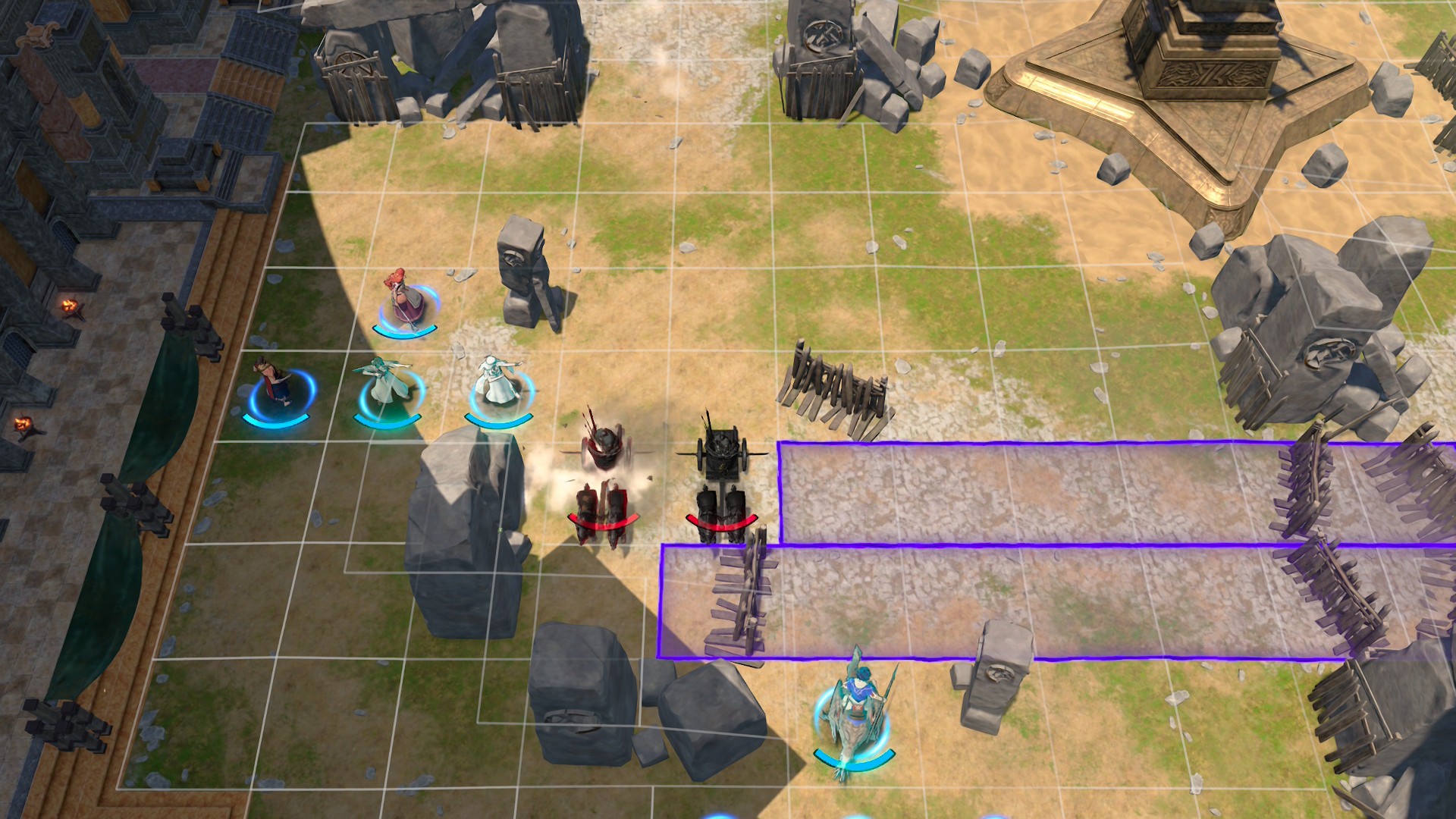
The tactical loop benefits from refined mechanics. Environmental advantages bait enemies effectively, while subtle HD rumble cues warn players if flying cavalry units are drifting into the fatal range of enemy archers. Combat arts return with weapon durability trade-offs, joined by powerful, bespoke Blaze arts that sacrifice the user’s HP in exchange for devastating area-of-effect damage—a true risk-and-reward mechanic.
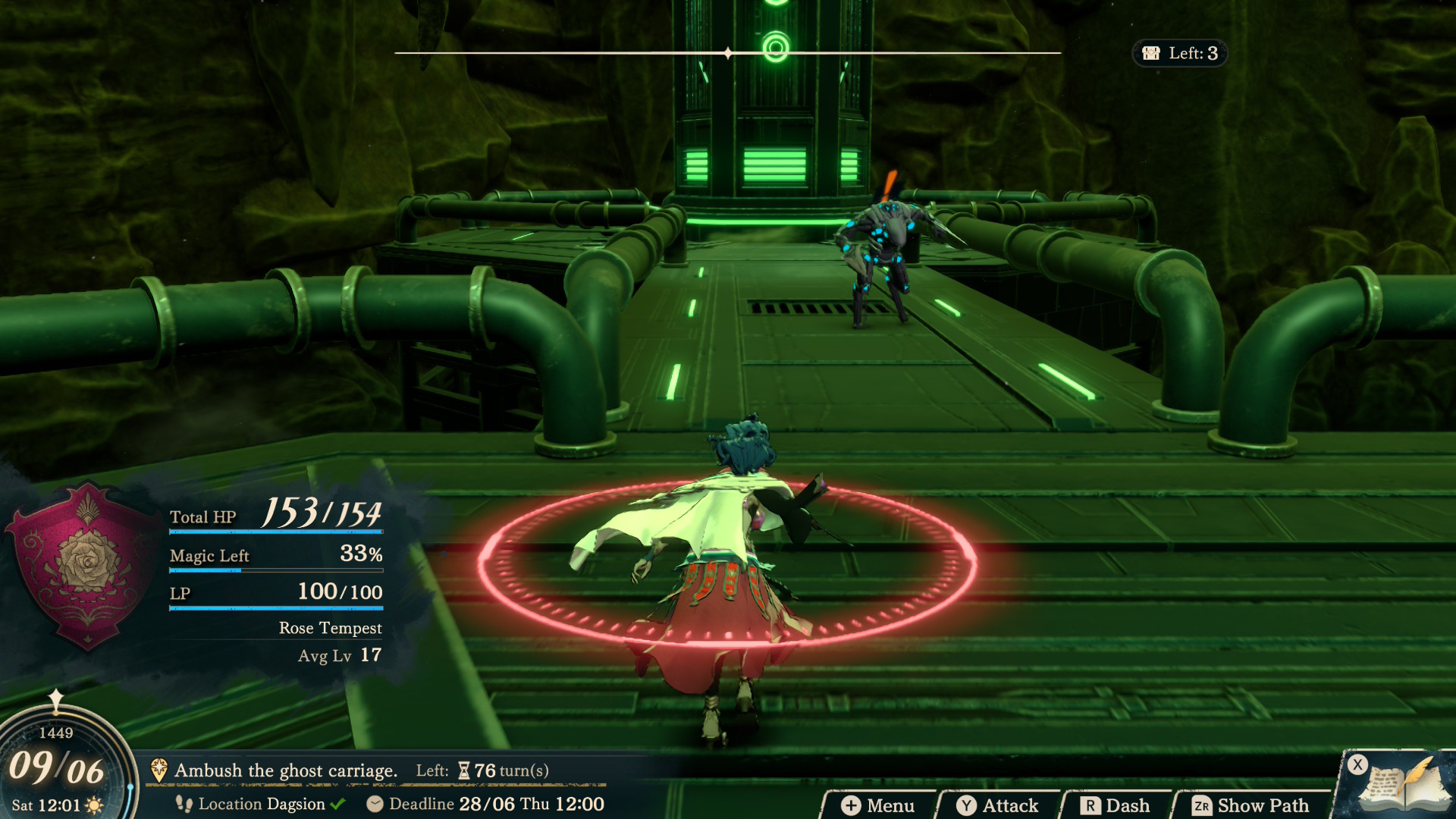
Exploration loops extend beyond Dagsion’s walls into the broader Dagdan Empire, featuring third-person mini-dungeons reminiscent of Fire Emblem: Shadows of Valentia. Unfortunately, these excursions deploy a simplified, turn-based command combat system that lacks the strategic depth of contemporaries like Metaphor: ReFantazio or Final Fantasy. Because players can opt to auto-resolve these minor skirmishes for quick experience points, many will quickly default to skipping them entirely.
The Resource Web
The game’s most glaring friction points stem from its overstuffed downtime systems. Inspired by Persona, players manage free time, share meals, and train weapon skills. However, the management layer quickly becomes exhausting:
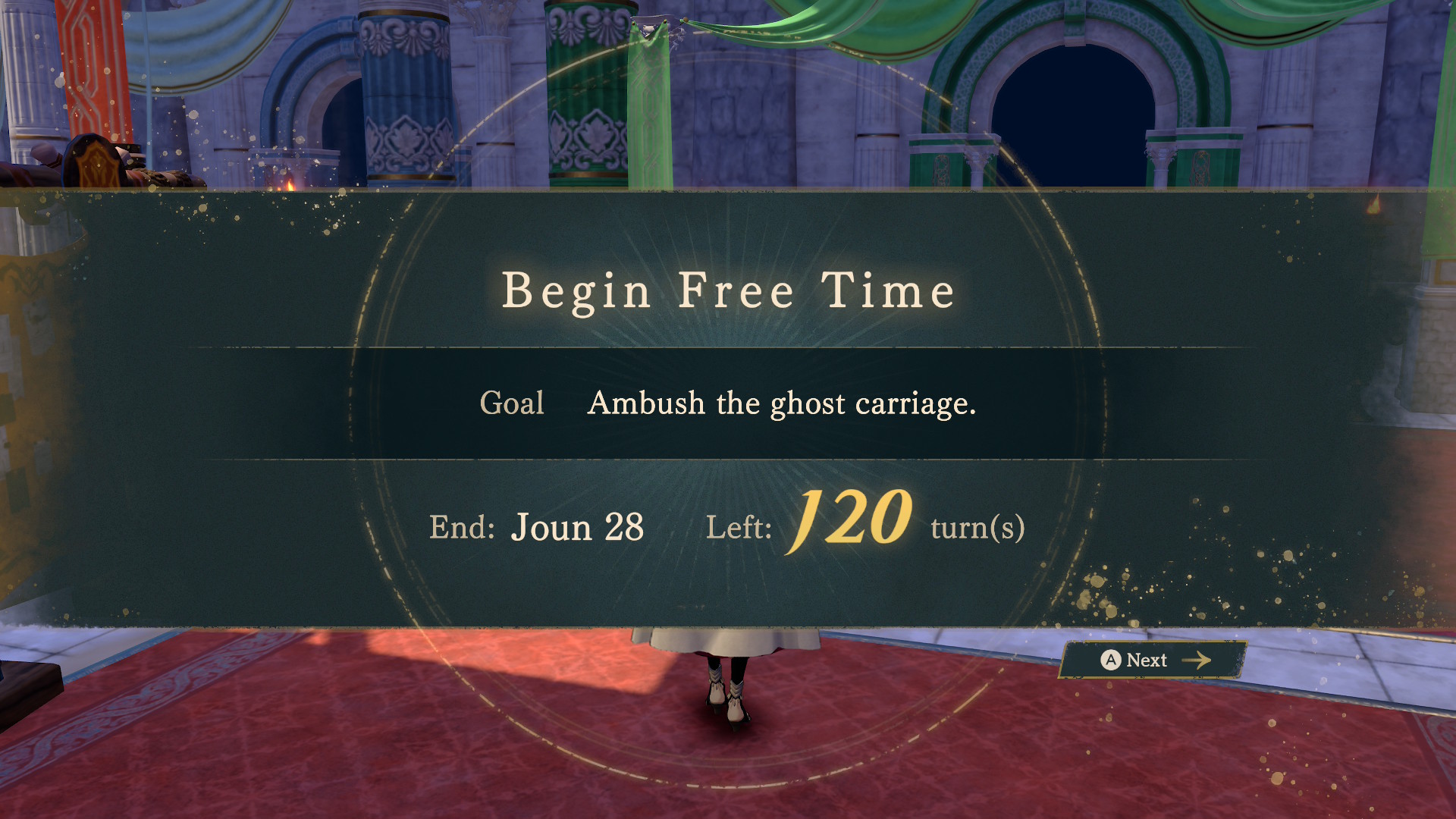
- Free time is measured in inconsistent turns on the world map rather than clean calendar days.
- Traveling across regions can consume multiple turns, yet the game forces players to advance one turn at a time rather than allowing bulk travel.
- Activities inside Dagsion consume party member motivations (a separate resource), while weekly calendar resets limit bonding opportunities and exploration reach.
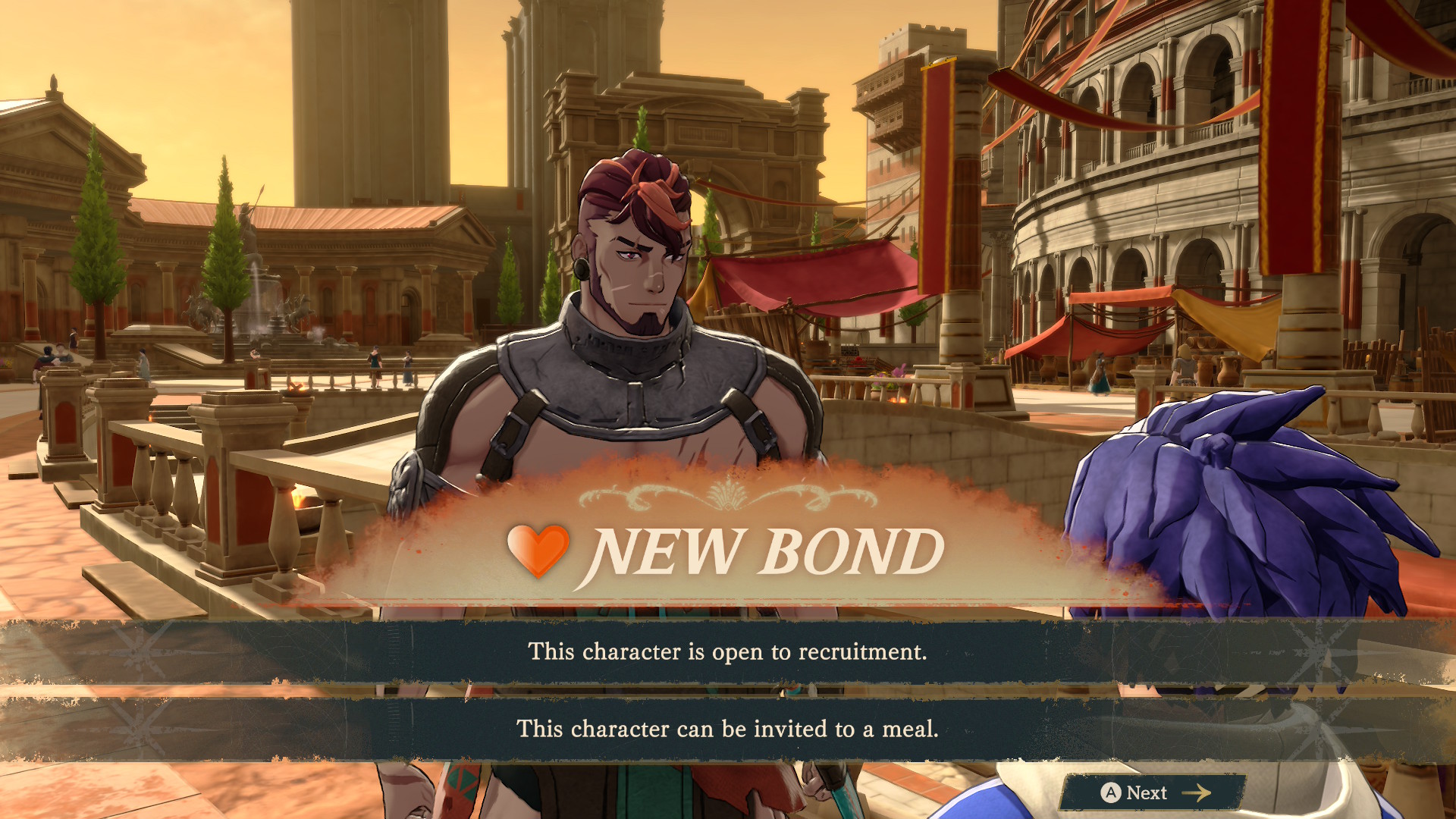
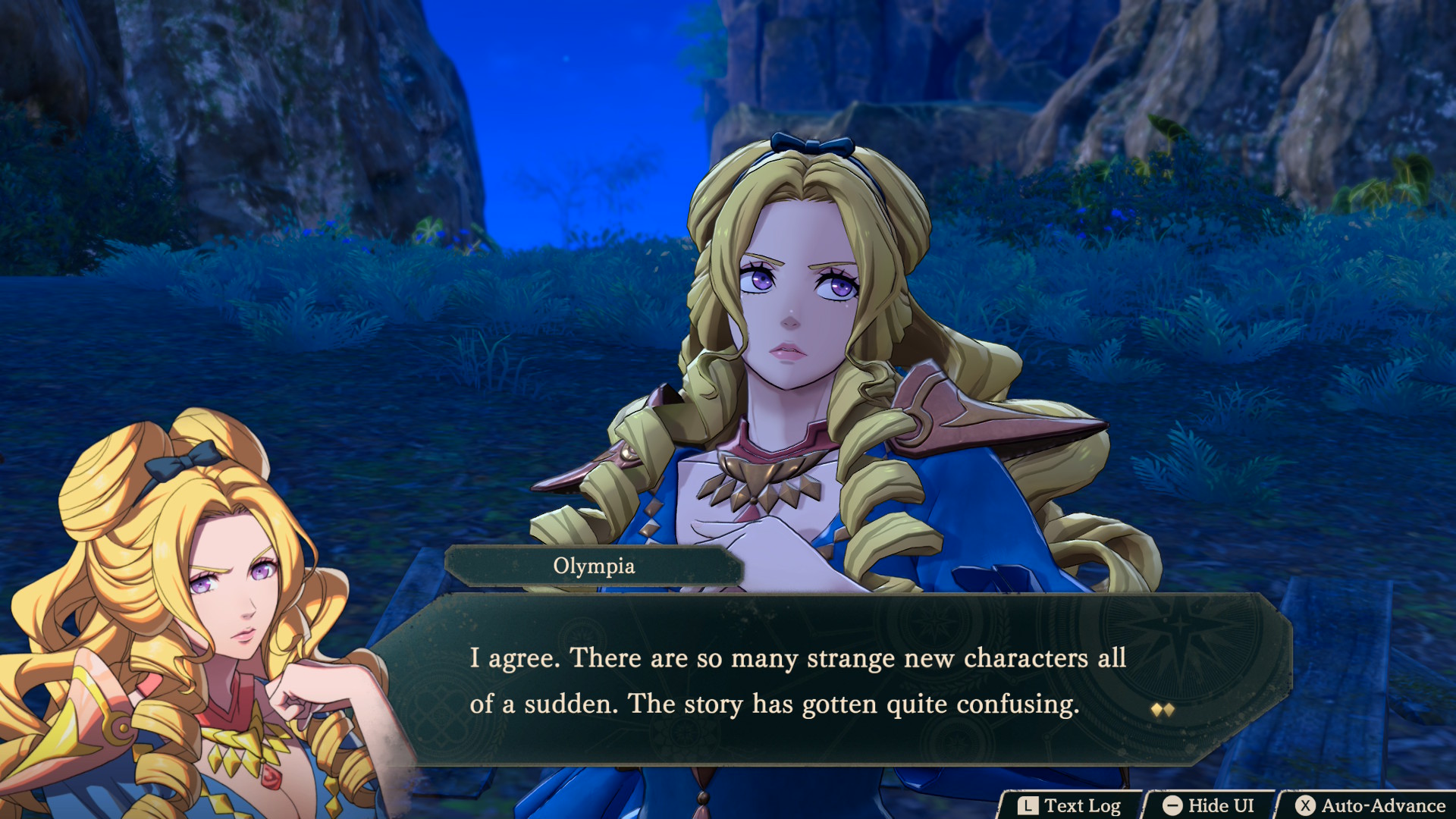
Recruiting allies also introduces arbitrary gatekeeping. Potential party members often demand exorbitant Renown levels or require players to shower them with redundant gifts before raising bond levels. Furthermore, support conversations between party members feel sparse compared to past entries, reducing emotional attachment to secondary recruits.
Official Responses and Critical Reception
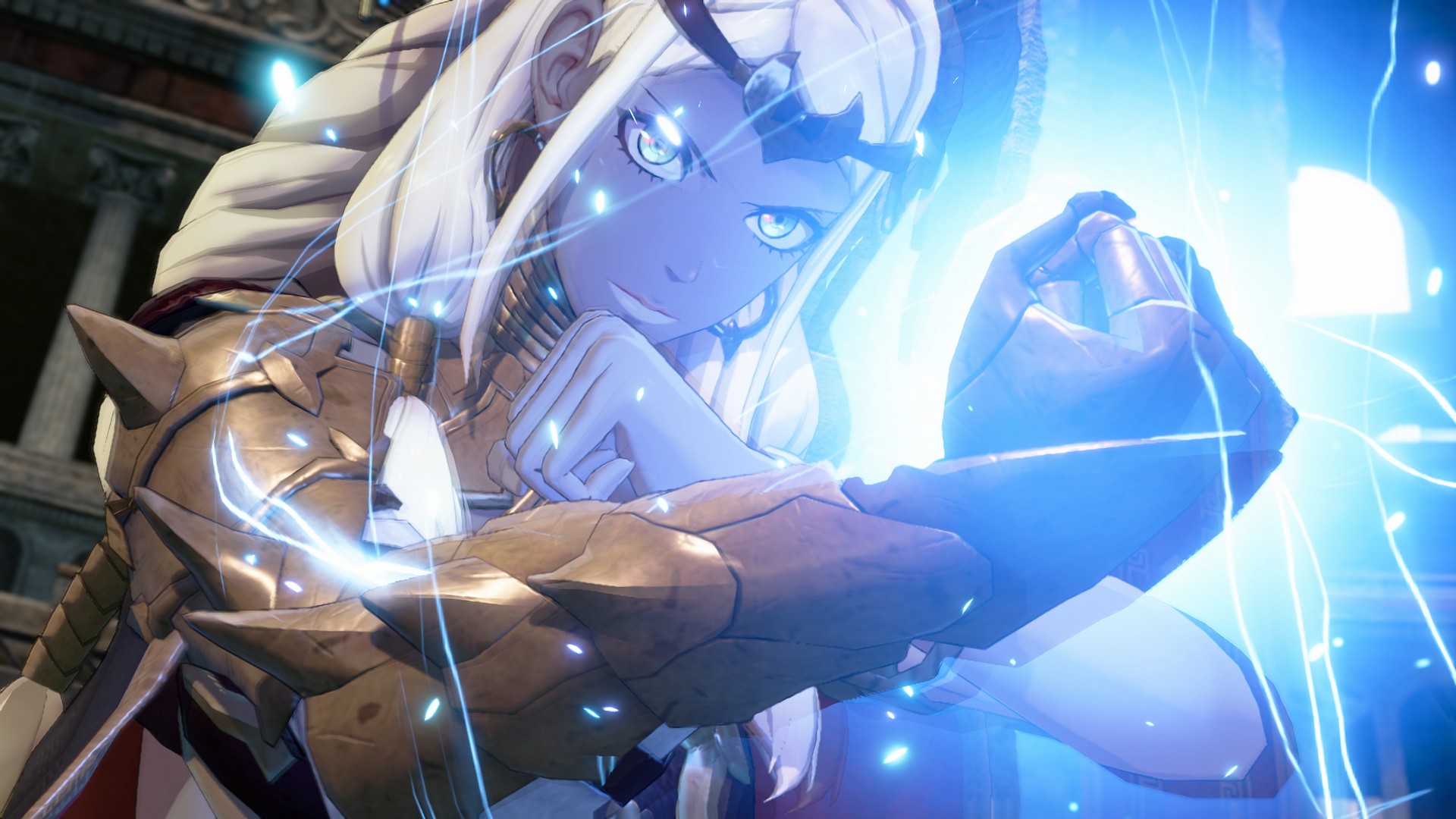
Early critical consensus highlights a profound dichotomy in Fire Emblem: Fortune’s Weave. Publishers and developers at Intelligent Systems and Nintendo have championed the project as the ultimate evolution of the series’ multi-path philosophy, praising its cinematic presentation, grand orchestral score, and high-end Nintendo Switch 2 visual fidelity.
Reviewers universally praise the game’s mid-to-late game acts, where certain optional mid-sections can be bypassed entirely to focus on unadulterated, sweeping drama. During these segments, the game introduces relentless tactical pressures—such as multi-health-bar bosses, regenerating shields, and aggressive enemy reinforcements reminiscent of XCOM—that push even seasoned tactical purists to utilize the game’s unlimited rewinds and divine blessings.
Implications for the Franchise and the Nintendo Switch 2
Fire Emblem: Fortune’s Weave sets a new technical and structural benchmark for Nintendo’s flagship tactical RPG franchise, serving as a robust showcase for the hardware capabilities of the Nintendo Switch 2.
The game proves that Intelligent Systems is willing to take bold creative risks, moving away from insular, avatar-centric writing toward grander, interconnected geopolitical narratives. However, the title also serves as a cautionary tale about feature creep. By bogging down an otherwise gripping, 85-hour epic with granular busywork, arbitrary gating, and an exhausting web of overlapping resource meters, Fortune’s Weave occasionally trips over its own ambitions.
Ultimately, Fire Emblem: Fortune’s Weave is a triumph of tactical design marred by pacing friction. For players willing to wade through the bureaucratic red tape of its support systems, it offers a rich, rewarding tactical tapestry that rewards patience, strategic foresight, and plenty of spare time.

