

Main Facts
- Game I Am Your Beast VR
- Release Date: September 17, 2026
- Platforms: Steam (Reviewed using a Meta Quest 3 via Virtual Desktop on Godlike settings, powered by an AMD Ryzen 7 9850X3D, 32GB DDR5 RAM, and an RTX 5070 Ti GPU)
- Developer: Flat2VR Spark and Strange Scaffold
- Publisher: Impact Inked
- Price: $22.99
- Genre: Short-form revenge thriller, time-limited first-person shooter (FPS) micro-sandbox combat.
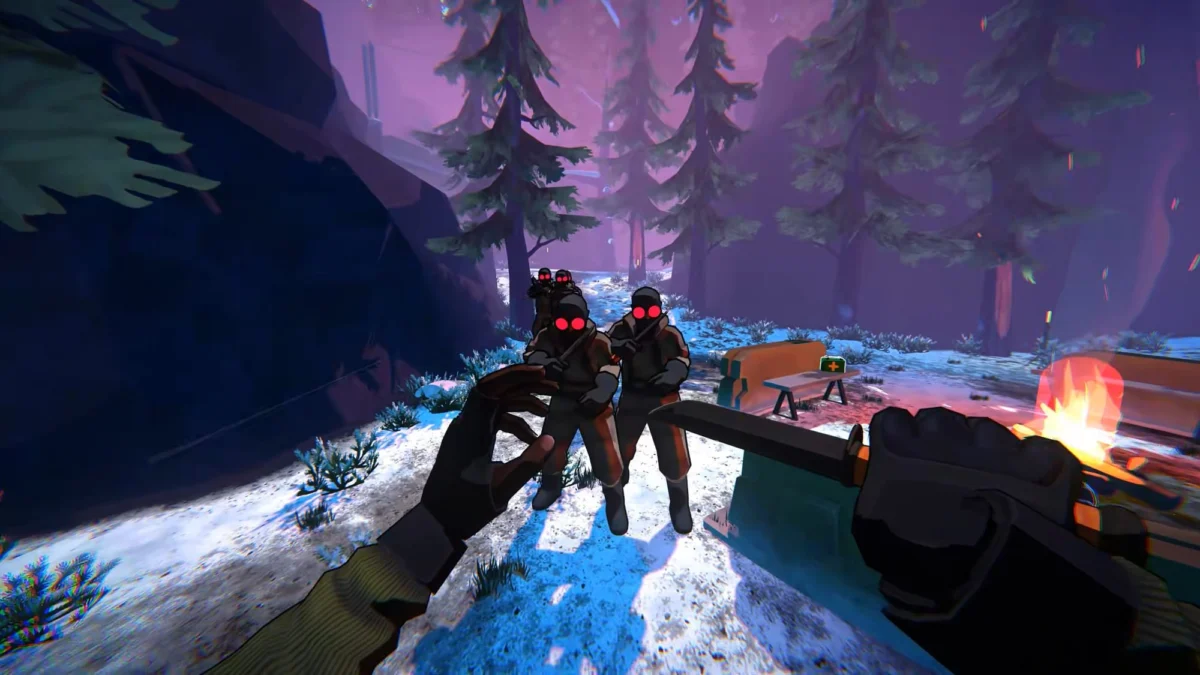
I Am Your Beast VR arrives as the second official release under the Flat2VR Spark program, following FlatOut 4: Total Insanity VR. The Spark initiative is designed to bridge the gap between flat-screen indie gems and virtual reality by officially pairing experienced VR modders with original developers—in this instance, teaming up with Strange Scaffold. Based on early impressions, the collaborative initiative is continuing to hit the mark, translating high-speed, stylistic flatscreen action into a completely new immersive medium.
However, translating a lightning-fast, time-trial shooter from monitors to headsets comes with distinct design choices. While it delivers an adrenaline-fueled combat loop that rewards optimization, reflex, and route planning, it also leans into specific VR design compromises that may challenge purists who prefer hyper-tactile, physics-driven interactions.
Chronology: From Flat-Screen Success to Immersive VR Port
The journey of I Am Your Beast began in the flat-screen ecosystem, where its unique brand of tactical, speedrun-focused action carved out a dedicated following. Recognizing its potential for physical translation, the Flat2VR Spark initiative targeted the title for an official virtual reality port.
When the game officially launched on Steam on September 17, 2026, players stepped back into the shoes of Alphonse Harding. The narrative framework remains untouched from the original release: Harding, a retired secret agent, is approached by his former employer—the Covert Operations Initiative (COI)—to take on "one last job." Harding immediately pushes back against the cliché, dryly pointing out that he has already executed several "final" jobs for them over the years.
When his handler attempts to guilt-trip him with corporate loyalty arguments familiar to anyone who has spent time in customer service or high-stress operational fields, Harding rejects the offer outright. In response, the COI dispatches a death squad to permanently silence him, setting the stage for over twenty fast-paced, high-stakes missions.
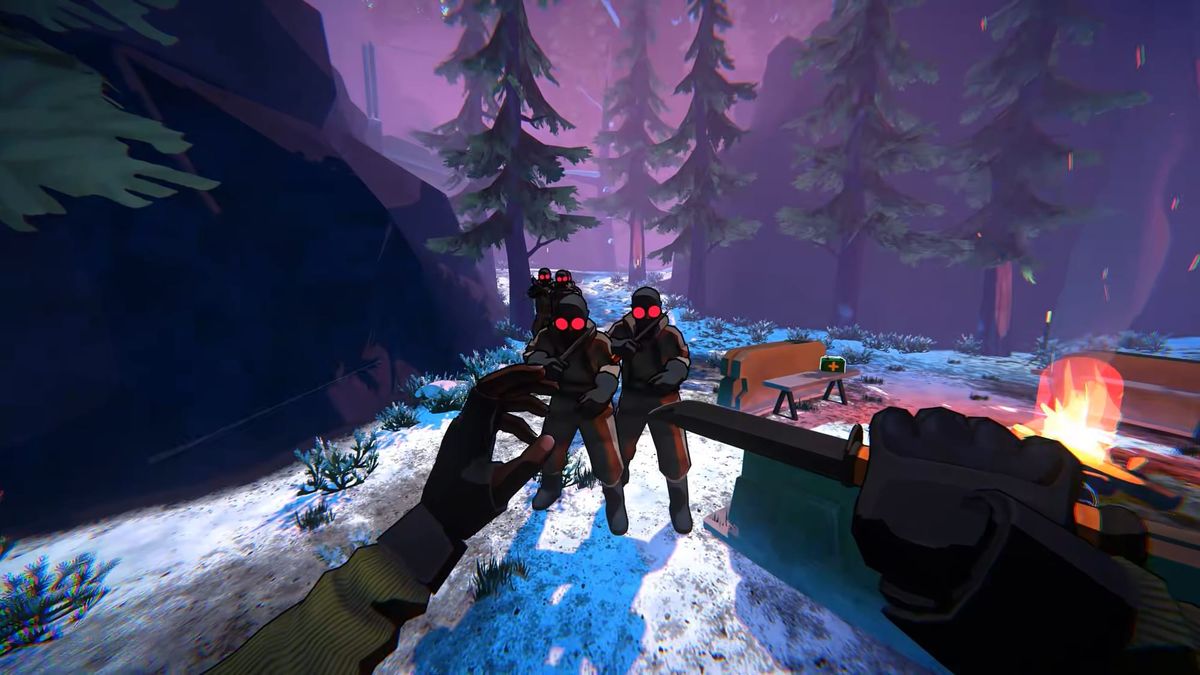
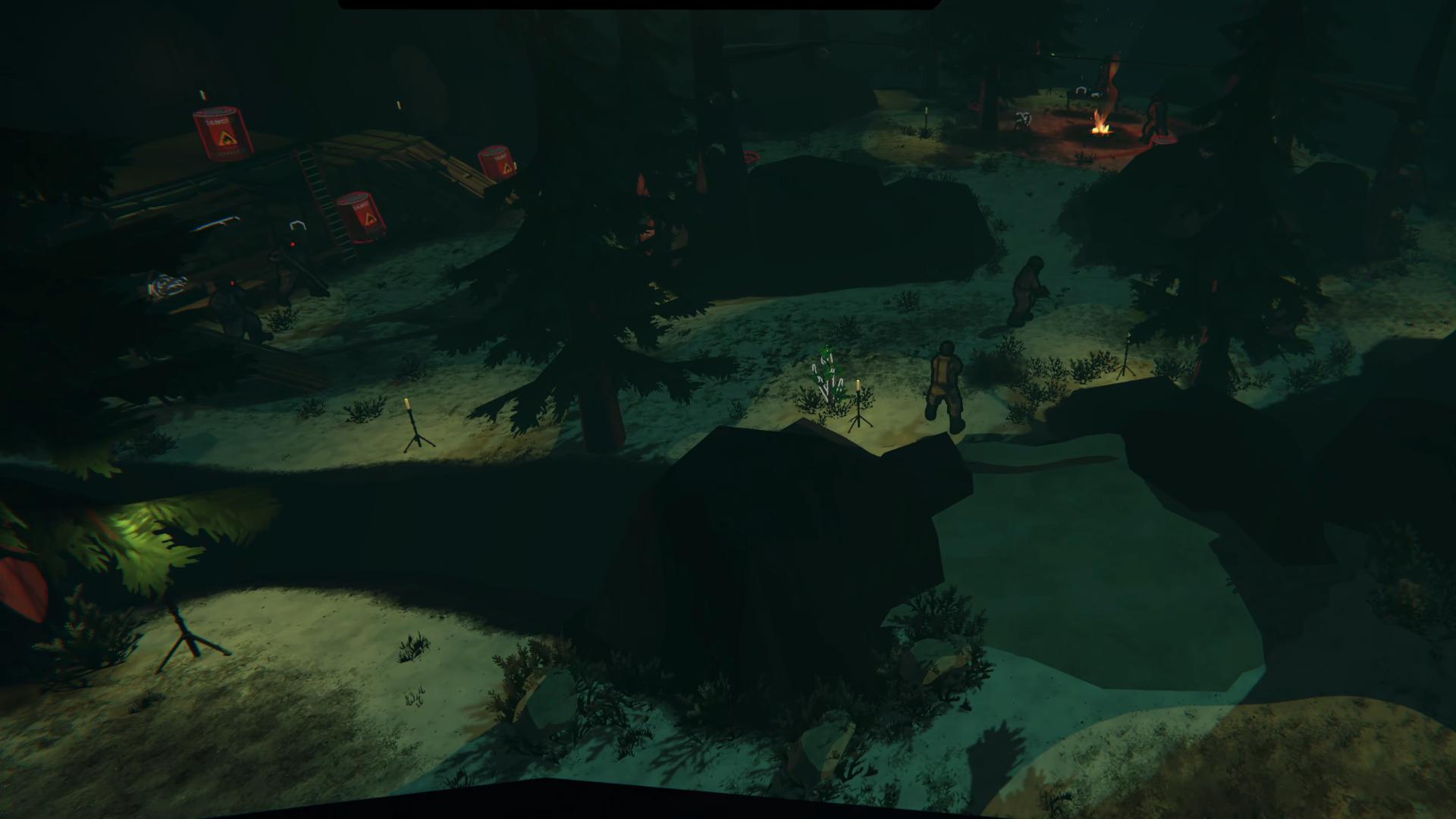
The campaign unfolds across a series of contained, objective-focused micro-sandboxes. Players must navigate wilderness environments, eliminate designated targets, destroy infrastructure like satellites, and fight their way to an escape hatch before a strict countdown reaches zero. Each mission is meticulously graded on a D to S-rank scale, heavily influenced by completion time, headshots, and optional objectives.
Between these explosive encounters, players return to Harding’s woodland bunker. Here, story progression is delivered via recorded audio conversations accompanied by subtitles projected over a video of the surrounding wilderness. While the flat-screen version utilized a similar presentation, the VR port places the player physically inside the bunker space. While an improvement over a black void, this specific interlude layout highlights the limitations of adapting flat-screen cutscenes directly into a medium capable of deep interactivity.
Supporting Data: Mechanics, Performance, and Design Choices
I Am Your Beast VR prioritizes speed and efficiency over complex physics simulations. This design philosophy defines almost every mechanical interaction in the game:
- The Combat Loop: There is no manual reloading. When a weapon’s magazine runs dry, the player simply chucks the empty firearm at an incoming enemy to stagger them, plucks a dropped weapon from their foe, and keeps moving.
- Tactile Interactions & Movement: Movement is built for velocity. Climbing rock faces and trees does not require physical grabbing mechanics; instead, players press up on the analog stick while looking at designated anchor points. Interacting with environmental objects like health pickups or laptops happens automatically upon contact when hitting the grab button.
- Accessibility and Comfort: The game supports snap-turn with adjustable degree settings but entirely omits teleportation movement. Because the gameplay loop mandates rapid, uninterrupted transit across arenas, it is classified as intense and may induce motion sickness for newer VR users.
- Progression System: Players can toggle a "no-fail" assist mode if mission timers prove too punishing. However, utilizing assists docks points from the final grade. Progression is gated by performance; unlocking later missions requires achieving specific letter ranks (such as a B-rank or higher) on earlier stages.
- Audiovisual Presentation: The title utilizes a striking cel-shaded art style. While this art direction sacrifices hyper-detailed environmental foliage and weapon textures, it ensures exceptional performance in headsets. The visual style is anchored by a pulse-pounding musical score that directly dictates the rhythm of the combat encounters.
Official Responses and Industry Context
The Flat2VR Spark program has steadily shifted from an experimental community-driven initiative into a legitimate pipeline for bringing acclaimed indie flat-screen titles into virtual reality. By pairing studios like Strange Scaffold with technical modding talent, the initiative aims to solve the historical drought of native, high-content VR games by fast-tracking conversions of critically adored PC and console titles.
Developers involved in the Spark program have frequently emphasized that porting games to VR is not a one-size-fits-all endeavor. Compromises must often be made to preserve the soul of the original game’s pacing. In the case of I Am Your Beast, the decision to strip away complex physics interactions was a deliberate choice to prevent technical jank from slowing down the frantic time-trial gameplay loop.
Implications for the VR Ecosystem
The release and early reception of I Am Your Beast VR carry several important implications for the broader virtual reality landscape:
1. The Debate Over Flat-Screen Ports vs. Native VR Design
The game reignites discussions among VR enthusiasts regarding structural compromises. Purists who champion deep, physics-driven interactions—such as manually grabbing ledges, physically pulling magazines from vests, and managing inventory weight—may find the game’s abstraction jarring. The lack of tactile climbing and the minimalist interlude scenes demonstrate the friction of retrofitting a non-VR game design into a spatial computing environment.
2. Prioritizing Flow State Over Simulative Realism
Conversely, the game proves that strict adherence to physical realism can sometimes ruin a game designed purely for speed and arcade pacing. By sacrificing manual reloading and physics-based climbing, Strange Scaffold and Flat2VR ensured that the player’s momentum is never artificially hindered. For action junkies who care more about clean lines, efficient routing, and adrenaline-pumping speedruns than opening drawers or inspecting inventory items, this trade-off is entirely justified.
3. Proving the Viability of the Spark Initiative
With FlatOut 4 and now I Am Your Beast, the Spark initiative is successfully establishing a reliable blueprint for bringing curated indie experiences to VR storefronts. If subsequent ports maintain this level of polish and precise capture of the source material’s identity, the program could serve as a vital lifeline for growing the SteamVR library with robust, highly replayable titles without requiring millions of dollars in native VR development budgets.
Current Verdict
I Am Your Beast VR delivers gleefully entertaining, high-velocity action that successfully translates its distinct revenge-thriller vibe into virtual reality through sharp art direction, driving music, and tight level design. While it wears its flat-screen heritage on its sleeve—resulting in moments that feel more like a high-end VR mod than a ground-up spatial game—its relentless pacing easily wins over players willing to trade deep tactile physics for pure, unadulterated adrenaline.
UploadVR utilizes a 5-Star rating system for game reviews. As this is currently a review-in-progress, a final score will be withheld until the campaign is completed at full release.

