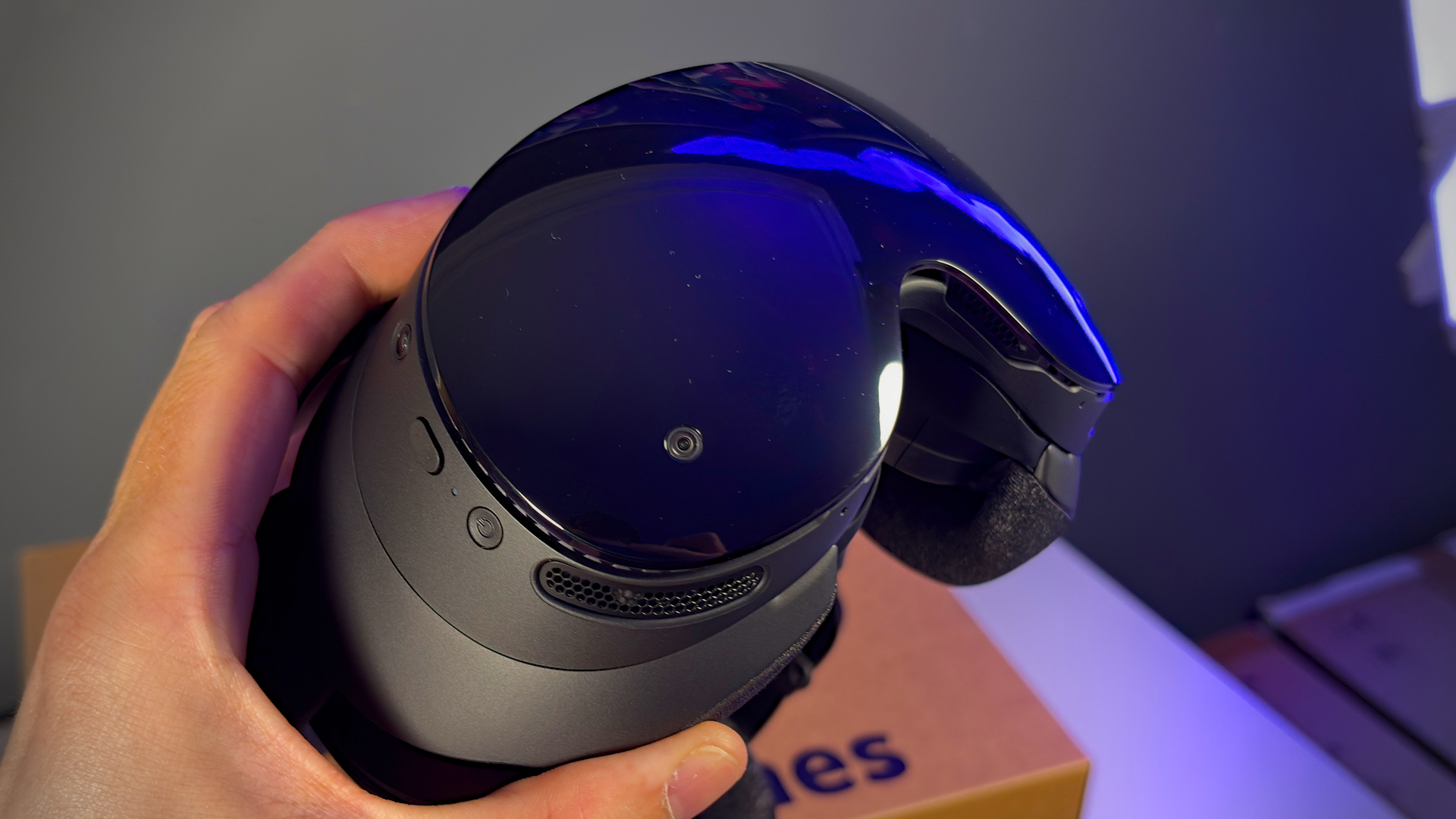
After years of rampant speculation, feverish Reddit countdowns, and a series of frustratingly quiet development cycles, Valve’s next big leap into virtual reality is finally here. The Steam Frame has officially broken cover, bringing with it a confirmed price tag and immediate shipping dates for eager consumers around the globe.
Yet, the journey to launch has been anything but straightforward. While the enthusiast community is understandably ecstatic to get their hands on Valve’s latest piece of hardware, the reality of its final retail pricing reflects a turbulent global electronics market. Caught in the crossfire of component shortages and rising manufacturing costs, the Steam Frame enters a VR landscape fundamentally changed from when the project first was conceived.
Main Facts: What We Know About the Steam Frame Launch
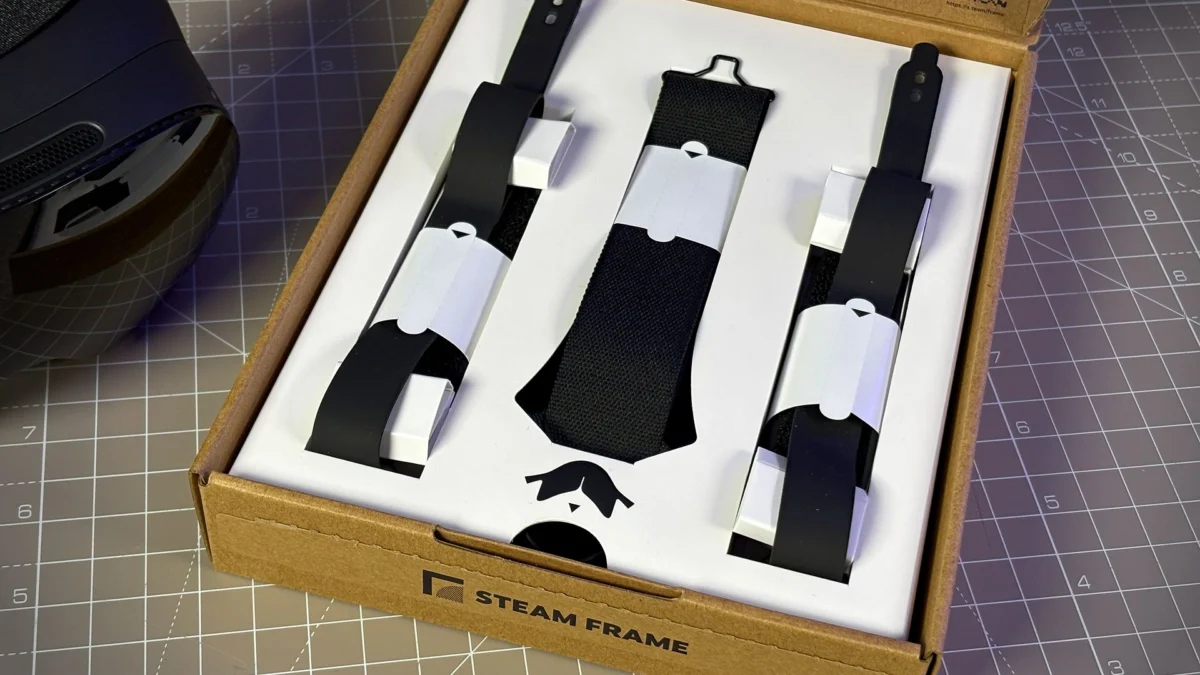
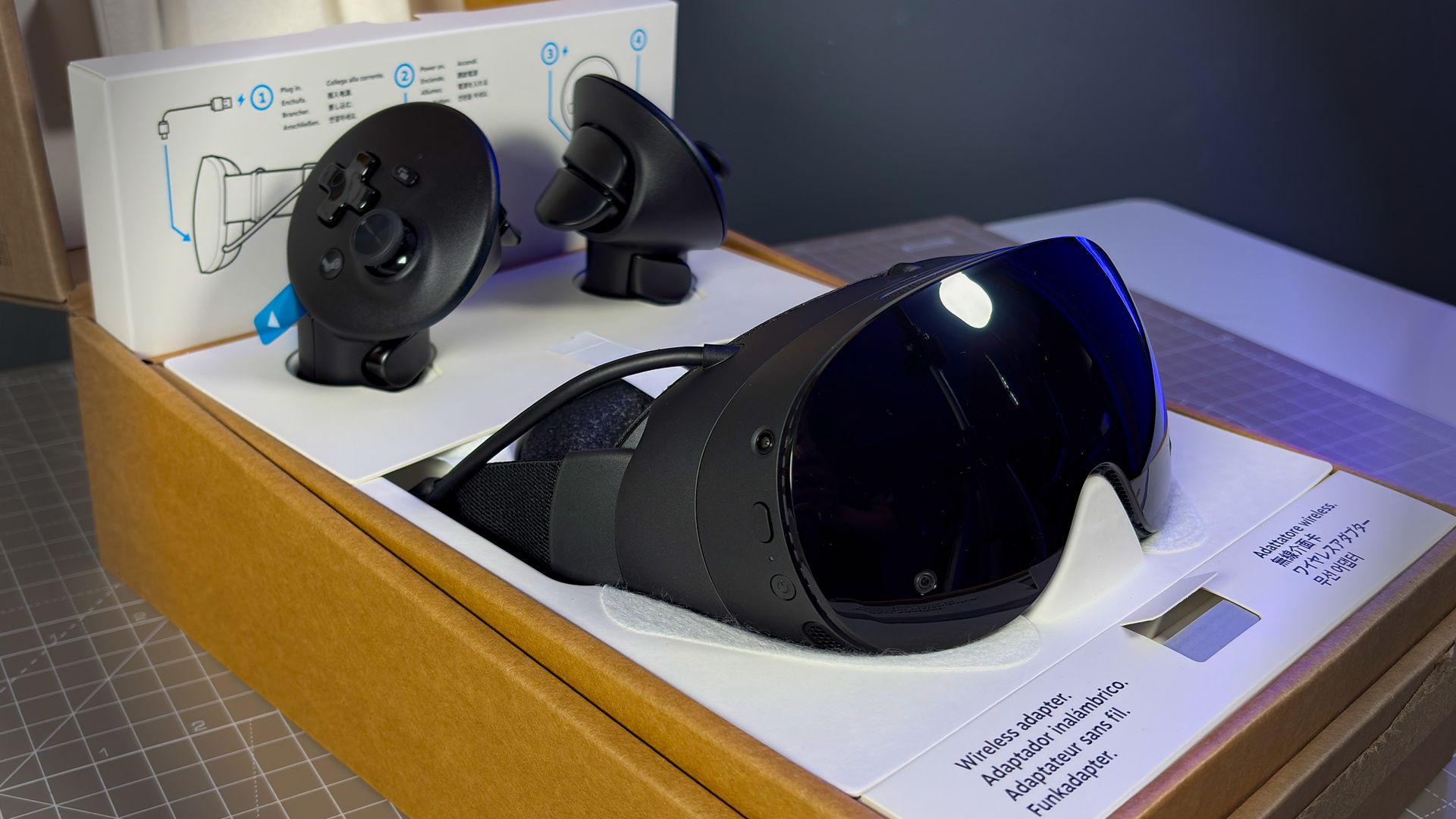
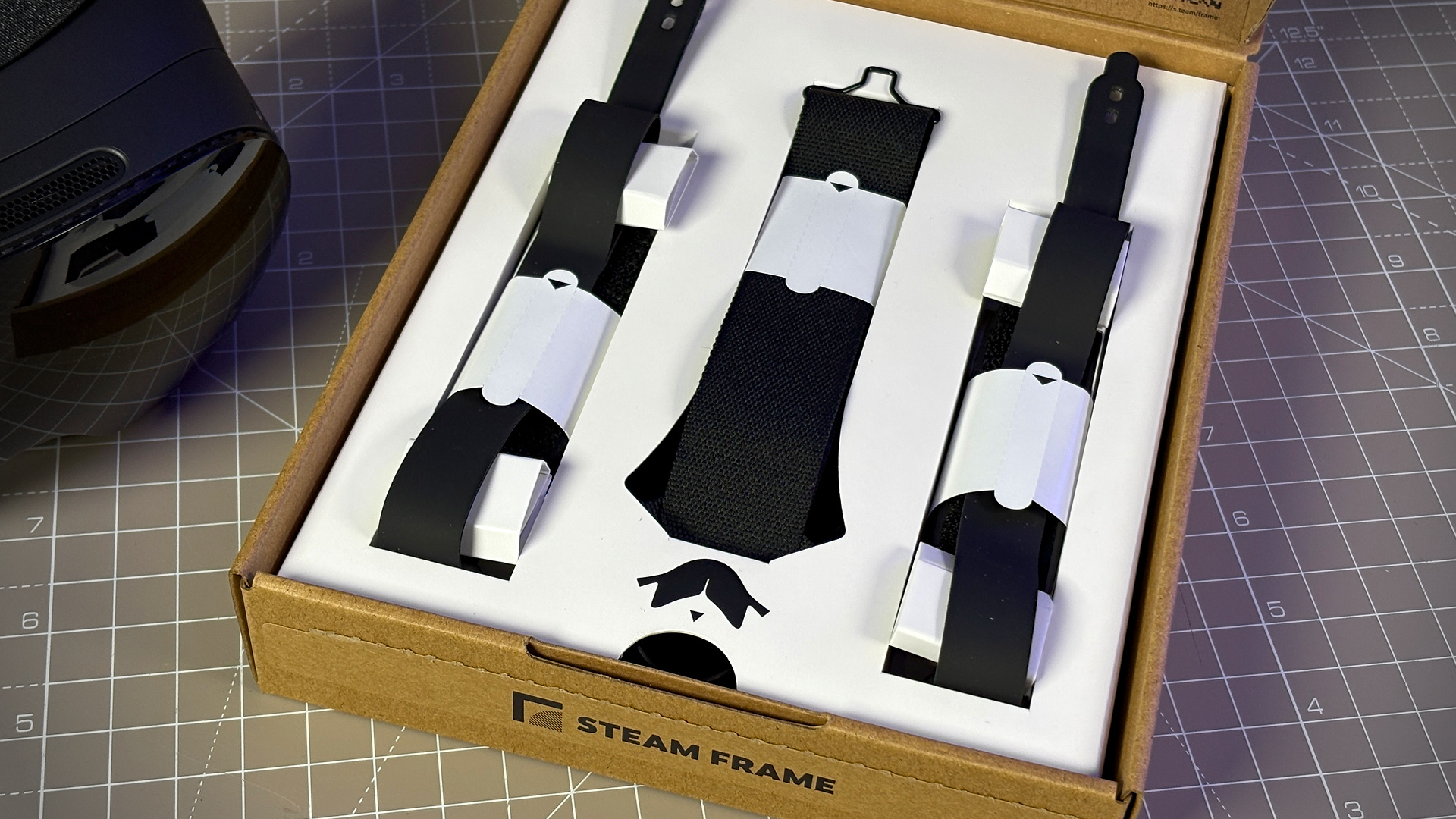
The Steam Frame is shipping imminently to customers who have tracked the headset’s development through every rumor and delay. Positioned as a flagship all-in-one virtual reality device, Valve is offering the base hardware alongside an optional Ergonomic Accessories Kit.
While the core hardware package includes everything needed out of the box to jump into VR, the launch price has ignited substantial debate across hardware forums. Valve intended for a much lower baseline cost, but macroeconomic pressures forced a recalibration of what the final consumer must pay.
Chronology: From Concept to Consumer Release
To understand how the Steam Frame arrived at its current price point, it helps to trace the timeline of its development and the broader industry hurdles that plagued its rollout:
Late 2025 (Valve HQ): Select members of the tech press—including PC Gamer—get their first hands-on experience with the Steam Frame behind closed doors. At this stage, developers and engineers like Jeremy Selan guide reviewers through the headset’s capabilities, aiming for an aggressive, highly competitive consumer price point.
Early 2026: The broader PC hardware ecosystem reels from severe component shortages, particularly affecting memory pricing. Industry analysts coin the term "RAMpocalypse" to describe the crippling cost inflation of LPDDR memory chips. This crisis severely impacts other Valve hardware initiatives, notably casting a dark shadow over the recently released Steam Machine.
Weeks Prior to Launch: Valve engineers Joy Lyons and Jeremy Selan open up about the brutal mathematical realities of modern hardware forecasting. They confirm that global memory market shifts forced the company to pivot away from its original pricing targets.
Today: The Steam Frame officially launches. Orders are processing, boxes are shipping, and early adopters are left weighing the steep investment against the promised performance.
Supporting Data: Under the Hood and Market Realities
When evaluating why the Steam Frame commands the price it does, the hardware specifications tell a significant part of the story.
Unlike mainstream competitors that lean toward cost-cutting compromises, Valve doubled down on performance longevity. The Steam Frame packs 16 GB of lightning-fast LPDDR5X RAM.
Compare this directly to Meta’s primary mainstream offering, the Meta Quest 3, which ships with 8 GB of LPDDR5 memory. We questioned Valve engineers Joy Lyons and Selan about whether trimming down the memory footprint to 8 GB was ever seriously considered as a way to lower the barrier to entry.
Selan noted that while trade-offs looked different earlier in development, sticking with 16 GB was crucial for software compatibility. A lower memory ceiling would have artificially choked off a massive fraction of the software catalog—essentially severing the device’s hardware parity with ecosystems like the Steam Deck.
"We can access this huge fraction of the same catalog [as the Steam Deck], or we can slice a major component off it and make sure that’ll never run… having a single target where we know what this generation will be capable of running is great, and we’re very happy with that." — Jeremy Selan, Software Engineer
Despite these architectural triumphs, the bill of materials tells a stark story when matched against retail realities.
Official Responses: Valve Engineers on the Cost Reality
Speaking candidly with PC Gamer just a week before the official launch, Valve hardware engineer Joy Lyons and software engineer Jeremy Selan shed light on the difficult decisions that went into the Steam Frame’s final pricing structure.
According to Lyons, forecasting component costs in the current economic climate is an ongoing, high-stakes battle:
"We set out to design this hardware with one particular price in mind, but we’ve made choices to make sure that we’re making a product that is choiceful, that people can purchase, they can upgrade with different features later. But we wanted to make sure we had a base product with really great performance. Then that price target shifted due to the ongoing RAM crisis around the world."
Lyons noted that while monitoring global supply chains remains a priority, predicting the exact trajectory of specialized silicon costs is nearly impossible. Despite the frustration over inflated retail costs, Lyons remains optimistic about the product’s place in the market:
"We think it’s a great, compelling product, and we are still happy to have it out there. We’re happy to have our customers be able to have hardware during this RAM crisis, and we think it’s important to launch new hardware out there and have new experiences available. But, yeah, I think everyone’s disappointed by the RAM crisis."
Jeremy Selan echoed these sentiments, expressing clear dismay over how external market forces altered their launch strategy:
"I wish we could have shipped it at the price that we were at last year. It’s still awesome today. It is amazing, but we were targeting a lower price, and I wish we could have done that."
Implications: The Battle Against Meta and the Future of PC VR
The launch of the Steam Frame establishes a fascinating economic battleground in the standalone and PC VR markets, primarily due to how Valve operates compared to its biggest competitor, Meta.
The Meta Factor and Corporate Subsidies
Meta continues to pump astronomical sums of capital into its Reality Labs division—effectively burning through billions of dollars every quarter on projects ranging from Quest headsets to cutting-edge Orion smart glasses. While Valve is a massively successful, privately held company with robust cash flow, very few entities on Earth possess the financial resilience to absorb ongoing multi-billion-dollar losses in the XR (Extended Reality) space without flinching.
This corporate structural difference impacts the consumer directly. Even after accounting for Meta’s own recent price adjustments—which Meta similarly attributed to surging global memory costs—a Meta Quest 3 can still be acquired for around $600.
The Consumer Dilemma
For most buyers, the math is brutal. Veteran hardware reviewers and enthusiasts generally agree that the Steam Frame is a superior, more robust all-round device than the Quest 3, offering incredible fidelity and seamless ecosystem integration. However, the significantly higher price point of the Frame leaves the Quest 3 largely unchallenged in the mass-market arena, especially when many casual consumers view their graphical output as roughly comparable.
Early adopters now face a formidable dilemma: is Valve’s hardware ecosystem, robust 16 GB LPDDR5X architecture, and open-platform philosophy worth a massive cash premium over competing hardware?
The Steam Frame is finally out in the wild, its performance is proven, and its engineering is top-tier. But as the tech world navigates the lingering wreckage of the RAMpocalypse, wallets everywhere are going to feel the sting of Valve’s long-awaited arrival.