

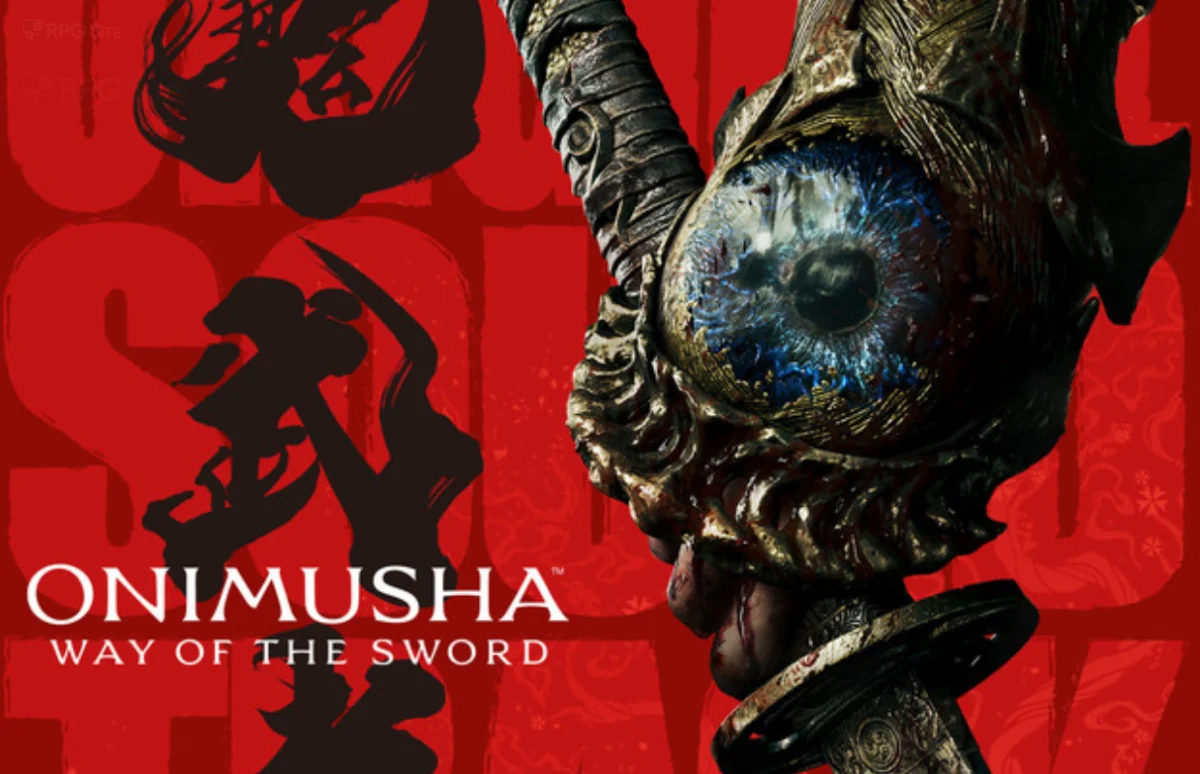
GLOBAL — Following the blockbuster launch of Onimusha: Way of the Sword earlier this month, publisher and developer Capcom has officially released the game’s sweeping original soundtrack across major digital streaming platforms, including Spotify and Apple Music. The sprawling audio collection, which treats fans to a staggering 82 tracks and over four hours of immersive musical composition, captures the atmospheric tension, feudal dread, and high-octane swordplay that define the latest chapter in Capcom’s iconic samurai-action franchise.
The release allows players and video game music enthusiasts alike to experience the auditory landscape of the game outside of the interactive experience. Available globally as of today, the soundtrack bridges the gap between traditional Japanese instrumentation and cinematic orchestral arrangements, reinforcing the game’s cultural roots and dark fantasy aesthetic.
Main Facts: What You Need to Know
The arrival of the Onimusha: Way of the Sword Original Soundtrack brings a massive amount of supplementary content to a fanbase that has waited years for a true resurgence of the franchise.
- Platform Availability: The soundtrack is now fully accessible for streaming and digital library addition on Spotify and Apple Music.
- Scale and Scope: The audio package boasts an impressive 82 distinct tracks yielding a total runtime of over four hours, making it one of Capcom’s most comprehensive video game score releases in recent memory.
- Game Availability: The parent title, Onimusha: Way of the Sword, launched earlier this month to strong critical and commercial reception, currently available across a broad spectrum of modern hardware including the PlayStation 5, Xbox Series X|S, PC (via Steam and the Epic Games Store), and notably, the Nintendo Switch 2.
- Musical Direction: The score mirrors the game’s thematic focus on feudal Japan, demon-slaying action, and atmospheric exploration, blending authentic historical instruments like the shakuhachi and taiko drums with modern, aggressive orchestral swells.
Chronology: From Series Hiatus to Global Musical Release
To fully appreciate the significance of this soundtrack release, it is essential to trace the journey of both the Onimusha franchise and the rollout of Way of the Sword:
1. The Long Dormancy (2006–2024)
Following the release of Onimusha: Dawn of Dreams in 2006, Capcom’s once-prominent sword-fighting franchise entered a prolonged hiatus. While a high-definition remaster of the original Onimusha: Warlords launched in 2019 to gauge renewed consumer interest, fans spent nearly two decades hoping for a definitive continuation or reboot of the series.
2. Announcement and Technical Showcases (Late 2024–Early 2025)
Capcom formally unveiled Onimusha: Way of the Sword during a major digital showcase, confirming that the franchise was returning with cutting-edge visual fidelity and modernized gameplay mechanics. Early technical previews highlighted the game’s performance on next-generation hardware, including early hands-on impressions praising its integration into the newly emergent hardware ecosystem of the Nintendo Switch 2.
3. Launch of Onimusha: Way of the Sword (Earlier This Month)
The game officially debuted on PlayStation 5, Xbox Series X|S, Nintendo Switch 2, and PC platforms. It received praise for successfully modernizing the fixed-camera, puzzle-solving, and soul-absorbing mechanics of the PS2 era while introducing fluid, responsive combat tailored for modern action gamers.
4. Global Soundtrack Deployment (Today)
Capitalizing on the positive momentum of the game’s launch, Capcom deployed the full 82-track, four-hour original soundtrack to Spotify and Apple Music. This move aligns with modern gaming industry standards, where accompanying media—particularly high-budget musical scores—are utilized to maintain consumer engagement long after the credits roll.
Supporting Data: Dissecting the Audio Package
Video game music has evolved from simple 8-bit chiptunes into fully realized cinematic art forms capable of competing with Hollywood blockbuster scores. The Onimusha: Way of the Sword OST is a prime example of this evolution.
Tracklist Distribution and Composition Style
Spread across 82 tracks, the score is engineered to accompany every facet of the player’s journey through war-torn, demon-infested provinces of feudal Japan:
- Exploration and Atmosphere: Ambient tracks utilize sparse string arrangements and haunting wind instruments to evoke a sense of isolation, dread, and creeping supernatural corruption.
- Combat and Boss Encounters: High-tempo percussion pieces integrate traditional Japanese taiko drumming with aggressive heavy metal and orchestral elements, heightening the adrenaline during fast-paced tactical sword duels.
- Emotional Beats: Soaring violin and piano melodies anchor the narrative stakes, underscoring moments of sacrifice, honor, and tragedy among the game’s cast of historical and fictionalized warriors.
Accessibility and Cross-Platform Reach
By launching simultaneously on Spotify and Apple Music, Capcom ensures maximum accessibility. Fans can stream the music seamlessly whether they are working, studying, or working out. Furthermore, the inclusion of direct platform links allows users to immediately save the album to their personal libraries.
- Spotify Streaming Link: Listen to the Onimusha: Way of the Sword OST on Spotify
- Apple Music Streaming Link: Stream the album via Apple Music
Official Responses and Critical Reception
The reception to both the game and its musical accompaniment has been overwhelmingly positive among critics and fans alike.
Industry analysts and reviewers have pointed out that the audio design plays a critical role in elevating Way of the Sword above a standard hack-and-slash action title. Reviewers noted that the soundscape successfully honors the legacy of Mamoru Samurouchi and other legendary composers who worked on early entries in the franchise, while pushing the sonic boundaries for contemporary hardware.
Moreover, early technical and platform-specific evaluations—such as assessments of the game’s performance on the Nintendo Switch 2—have highlighted how seamlessly the audio transitions between docked home-console setups and portable play, ensuring that the intricate layering of the soundtrack is never lost regardless of how the user experiences the game.
Implications: What This Means for Capcom and the Franchise
The release of a massive four-hour soundtrack carries several broader implications for Capcom’s ongoing software strategy and the future of the Onimusha intellectual property:
1. Sustained Post-Launch Engagement
In the modern gaming landscape, day-one sales are only part of the equation. By releasing extensive auxiliary content like a massive original soundtrack shortly after launch, Capcom successfully maintains public mindshare, encouraging players who have finished the game—or those on the fence—to dive deeper into the franchise’s universe.
2. Validation of Platform Diversity
The simultaneous availability of Way of the Sword across PlayStation 5, Xbox Series X|S, PC, and the Nintendo Switch 2 demonstrates Capcom’s confidence in reaching a diverse consumer base. The accompanying soundtrack release provides a unified cultural touchstone that connects players across all of these disparate hardware ecosystems.
3. A Promising Future for Onimusha
The enthusiast community has treated the return of Onimusha as a watershed moment. The high production values evident in both the game’s development and its sweeping, multi-disc musical score suggest that Capcom views this release not as a one-off nostalgia play, but as a genuine revitalization of a beloved tier-one franchise. If Way of the Sword continues to perform well commercially and critically, fans can likely look forward to future expansions, DLC, and perhaps even further installments in the demon-slaying samurai saga.
For those looking to dive deeper into the critical consensus surrounding Capcom’s latest release, full evaluations and platform performance breakdowns—including deep dives into how the title runs on next-generation and portable hardware—are available through leading gaming publications and enthusiast networks.

