

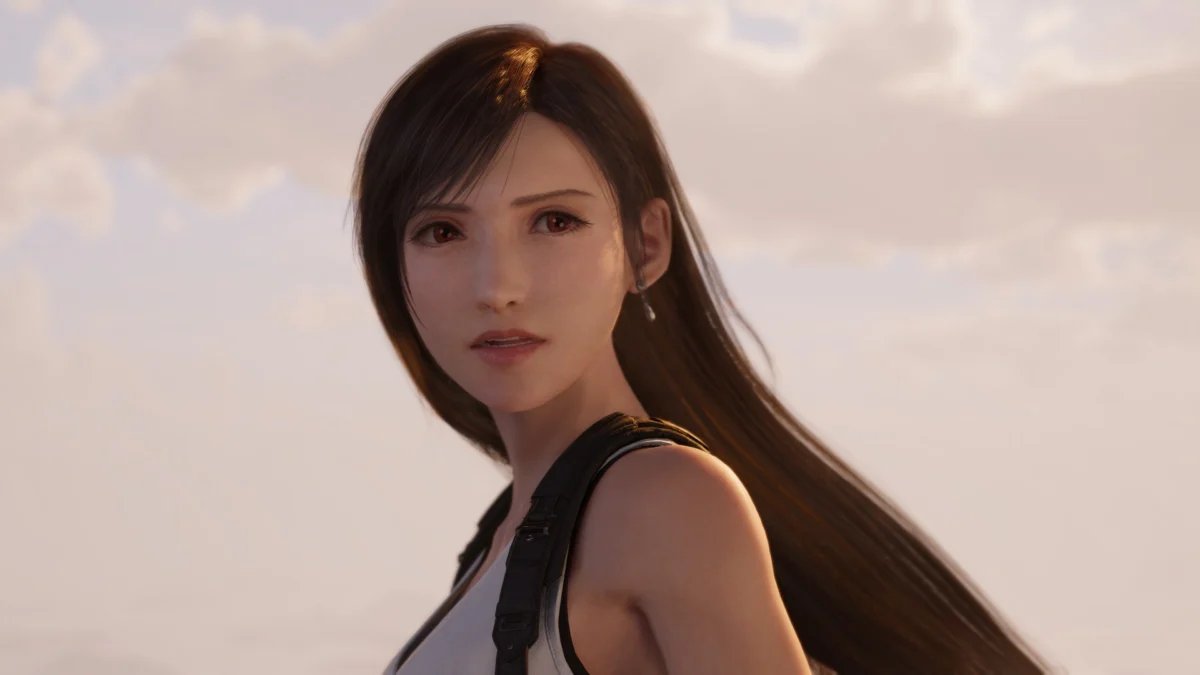
The Final Fantasy 7 remake trilogy has consistently sought to balance the weight of 1997’s original PlayStation masterpiece with the demands of modern, immersive gaming. As the trilogy approaches its conclusion with the highly anticipated Final Fantasy 7 Revelation, director Naoki Hamaguchi and his team at Square Enix have been forced to modernize one of the RPG genre’s most iconic tropes: the airship.
In a revelation that has finally silenced months of internet speculation and meme-fueled discourse, Hamaguchi has confirmed that the game’s dramatic "drop-in" mechanic—where Cloud and his party skydive from the Highwind—was indeed partially inspired by the cultural phenomenon that is Fortnite.
The Evolution of the Highwind: From Menus to Momentum
In the original 1997 Final Fantasy 7, the Highwind was a triumph of world design, but it functioned within the limitations of its era. Players would fly over the world map and land on designated grassy patches or specific landing zones, often triggering a transition screen that saw the party simply appear on the ground.
In the remake trilogy, however, the "era of realism" has rendered such abstraction obsolete. Modern players expect seamless transitions and a sense of physical space. For Revelation, the developers needed a way to bridge the gap between high-altitude travel and on-the-ground exploration without resorting to loading screens or jarring cinematic cutaways.
The solution? Launching the party directly from the deck of the airship. When the developers first showcased this mechanic, the gaming community immediately drew parallels to the "Battle Bus" mechanic in Fortnite, where players jump from a flying vehicle to descend onto the map. The imagery of Cloud Strife, Tifa, and Barrett free-falling into the wilds of Gaia became an instant meme, with fans jokingly asking "where we droppin’, boys?" across social media platforms.
Official Confirmation: The Developer Perspective
Following a recent hands-on preview event for Final Fantasy 7 Revelation, GamesRadar’s James Daly put the question directly to director Naoki Hamaguchi. Addressing the elephant in the room, Hamaguchi offered a candid response: "We did get a bit of inspiration from Fortnite, [we] won’t lie about that."
This admission highlights a rare moment of transparency in AAA game development. Often, studios are hesitant to acknowledge external influences, particularly when those influences come from a genre as different as the battle royale. However, for Hamaguchi, the logic was purely functional. The goal was to maintain the player’s agency. By allowing the player to pilot the Highwind and decide exactly where to disembark, the team preserved the "free-roaming" spirit of the original game while utilizing modern traversal mechanics to make the descent feel cinematic and exhilarating.
The Irony of Inspiration: A Competitive Landscape
The irony of Final Fantasy 7 taking inspiration from Fortnite is not lost on industry observers. Final Fantasy 7 remains one of the few massive global intellectual properties that has not yet engaged in a full-scale crossover event with Epic Games’ Fortnite.
Consider the current state of the gaming industry:
- Apex Legends: This title featured a robust Final Fantasy 7 crossover event, complete with Buster Sword mechanics and iconic character skins.
- Final Fantasy 7: The First Soldier: Square Enix previously dipped its toes into the battle royale genre with this now-defunct mobile title, which focused heavily on the mechanics of landing, looting, and surviving in the world of Gaia.
- Industry Trends: The "drop-in" mechanic has become a shorthand for "open-world freedom" in modern gaming. While Fortnite popularized the aesthetic, the mechanic itself represents a fundamental shift in how developers handle map entry.
By adopting a mechanic popularized by Fortnite, Square Enix is essentially "reclaiming" the gameplay loop for a JRPG audience, signaling that the franchise is no longer confined to the rigid, turn-based traditions of the 90s, but is willing to borrow from the best of modern live-service design to enhance player experience.
The Broader Implications for the Remake Trilogy
The decision to adopt a skydiving mechanic is not just about fun; it is a symptom of the broader design philosophy driving Final Fantasy 7 Revelation. The final entry in this trilogy is under immense pressure to deliver a satisfying conclusion to one of the most storied narrative arcs in video game history.
Maintaining Immersive Continuity
The transition from Rebirth to Revelation is expected to be the most technically demanding portion of the project. If the developers can make the Highwind feel like a living, breathing part of the world—rather than a glorified menu system—it reinforces the sense of scale that the original game pioneered. The skydiving animation is the "connective tissue" between the sky and the land, preventing the world of Gaia from feeling fragmented.
Narrative Stakes and Emotional Weight
While the mechanics are becoming more arcade-like, the story remains deeply emotional. As Hamaguchi and his team have teased, Revelation will deal with the aftermath of the events in Rebirth. The director has even gone on record apologizing for the tragic fate of Aerith, while simultaneously suggesting that players’ perspectives might shift by the time the credits roll on the final installment. Balancing this level of narrative heaviness with a gameplay mechanic that feels like a high-octane action sequence is the tightrope Square Enix is currently walking.
The Future of the Highwind: What to Expect
As fans look forward to the release of Revelation, the focus will remain on how much of the original 1997 experience is being preserved versus transformed. The Highwind serves as a perfect microcosm for this conflict:
- Exploration: The airship allows for non-linear exploration, a staple of the original game’s late-stage progression.
- Scale: By physically skydiving into locations, players get a better sense of the map’s geography and the sheer size of the world.
- Modernization: It proves that the team is not afraid to iterate on "sacred" mechanics to better suit contemporary playstyles.
Conclusion: A Blend of Old and New
The confirmation that Final Fantasy 7 Revelation took inspiration from Fortnite is less about a creative deficit and more about the evolution of game design. In an era where players have been trained by battle royale titles to appreciate the freedom of a high-altitude jump, it makes perfect sense for a flagship RPG to adopt those same mechanics to facilitate exploration.
Square Enix is essentially telling us that the Final Fantasy 7 of 2025 is not looking backward at the limitations of the PlayStation 1, but forward at how to make the world of Midgar and beyond feel as expansive and liberated as possible. Whether or not players find the "Fortnite-style" drop jarring, it is a testament to the developers’ commitment to blending the nostalgia of the past with the fluidity of the present.
As we wait for the final chapter of the trilogy, one thing is certain: when the Highwind finally takes flight in Revelation, the players won’t just be visiting the world—they will be diving into it.

