

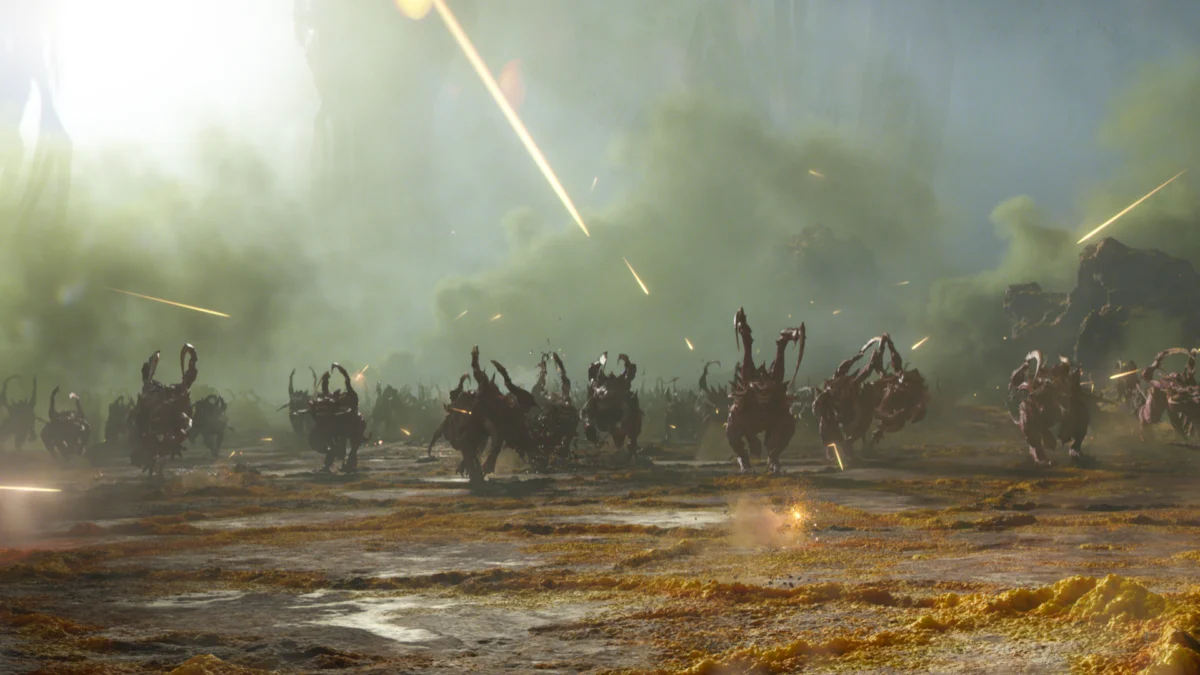
After more than a decade of silence, the StarCraft universe is finally expanding again. During the high-octane spectacle of BlizzCon 2026, Blizzard Entertainment shocked the gaming world by pulling the curtain back on a brand-new, AAA project. Moving away from the high-stakes real-time strategy (RTS) roots that defined the franchise for thirty years, this new iteration is a bold, story-driven, open-world shooter. Set seventy years after the conclusion of StarCraft II: Legacy of the Void, this project marks the most significant shift in direction for one of PC gaming’s most storied IPs.
The Paradigm Shift: From Strategy to Survival
For generations, the name StarCraft was synonymous with the "gold standard" of real-time strategy. Players learned to balance economy, unit production, and macro-management across three iconic factions: the Terrans, the Zerg, and the Protoss. By pivoting to an open-world, story-driven shooter, Blizzard is signaling a desire to bring the player down to the front lines.
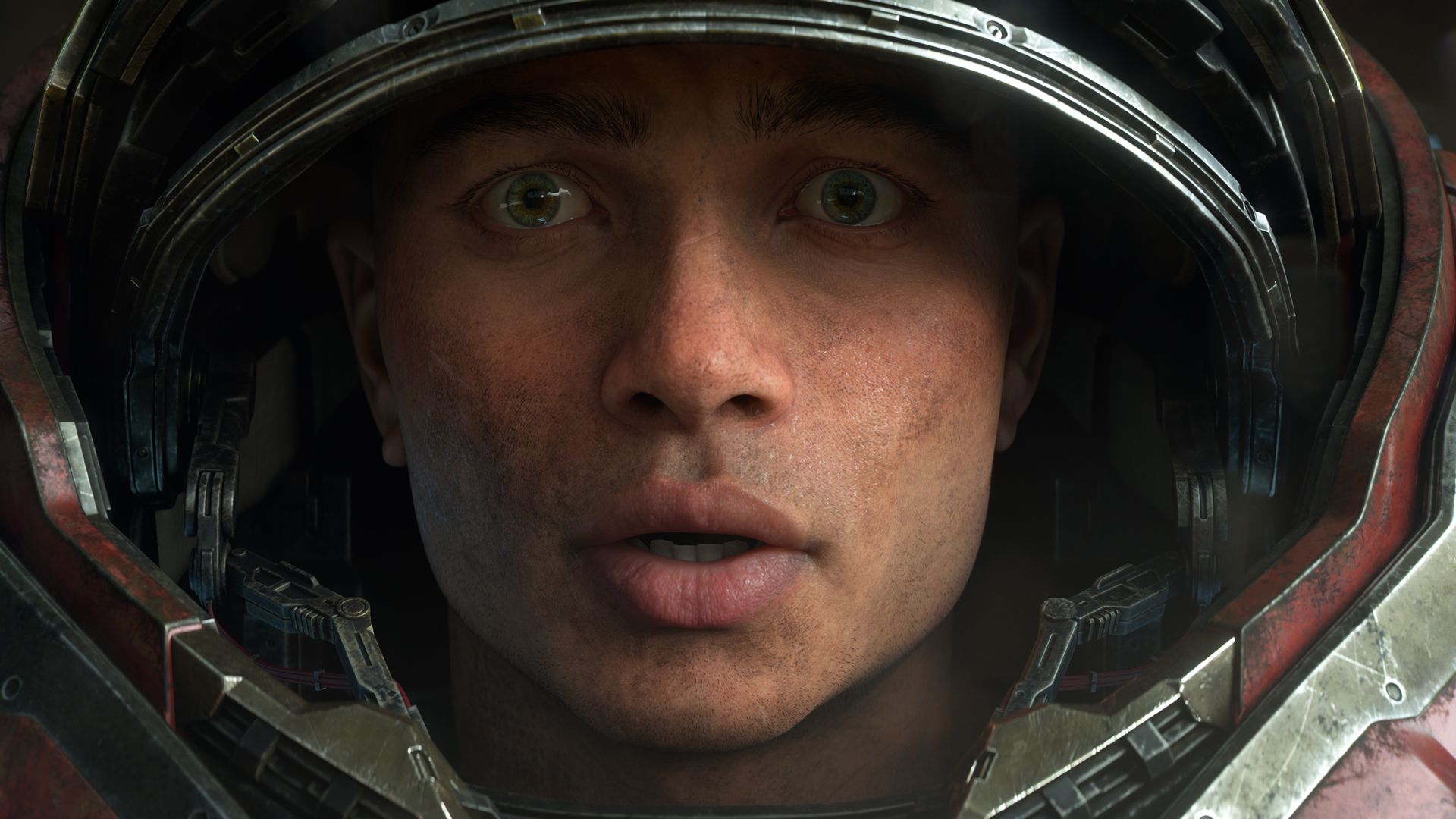
This transition is being spearheaded by industry veteran Dan Hay, the creative director widely recognized for his work on Far Cry 5. Under Hay’s leadership, the development team is aiming to translate the massive, chaotic scale of galactic warfare into an intimate, high-fidelity personal experience. Rather than viewing the battlefield from a bird’s-eye perspective, players will navigate the harsh environments of the Koprulu Sector from the ground, facing the visceral reality of a universe still reeling from the events of the Great War and the subsequent conflicts of the Void.
A Chronology of the StarCraft Universe
To understand the weight of this announcement, one must look at the timeline of the StarCraft franchise. The series debuted in 1998, quickly becoming a cultural phenomenon.
- 1998: The original StarCraft and its expansion, Brood War, set the stage for galactic dominance.
- 2010: After years of anticipation, StarCraft II: Wings of Liberty launched, reigniting the competitive scene and pushing the genre forward.
- 2013-2015: The release of Heart of the Swarm and Legacy of the Void rounded out the epic trilogy, effectively concluding the central arc of Kerrigan, Raynor, and Artanis.
- 2019: Reports circulated regarding the cancellation of a project codenamed "Ares," a rumored shooter that was shelved to consolidate resources for Diablo IV and Overwatch.
- 2026: The official announcement of the new, untitled StarCraft shooter at BlizzCon, confirming the franchise’s return to active development.
The seventy-year time jump is particularly significant. It moves the narrative away from the familiar faces of the past, allowing the developers to build a "living universe" where the geopolitical landscape of the Koprulu Sector has fundamentally changed. The Dominion, once the undisputed hegemon of the Terran space, is now struggling to maintain its foothold against new threats and a resurgent, evolved Zerg Swarm.
The Legacy of Failed Attempts
The road to a StarCraft shooter has been paved with heartbreak. In the early 2000s, Blizzard famously unveiled StarCraft: Ghost, a tactical, third-person stealth-action game featuring the iconic Ghost operative Nova Terra. Despite massive hype and playable demos at trade shows, the game was indefinitely shelved and eventually canceled.
The ghost of Ghost—and the later cancellation of the "Ares" project—has made the gaming community deeply skeptical of StarCraft spin-offs. However, the current management at Blizzard seems determined to break this cycle. By appointing a proven leader like Dan Hay and positioning this as a AAA, flagship title, the studio is signaling that this is not merely an experiment, but a cornerstone of their future development strategy.
Official Stance and Development Goals
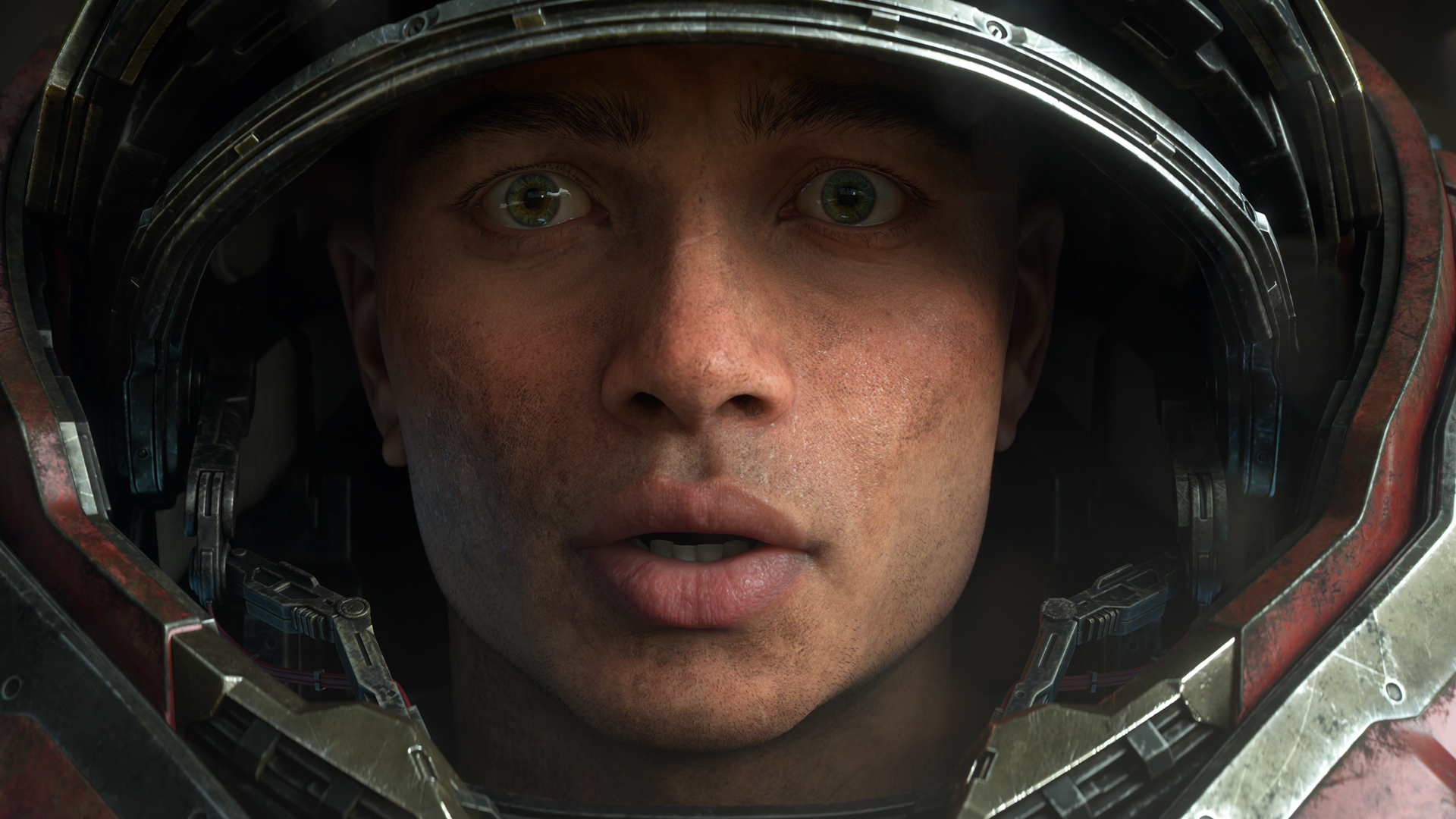
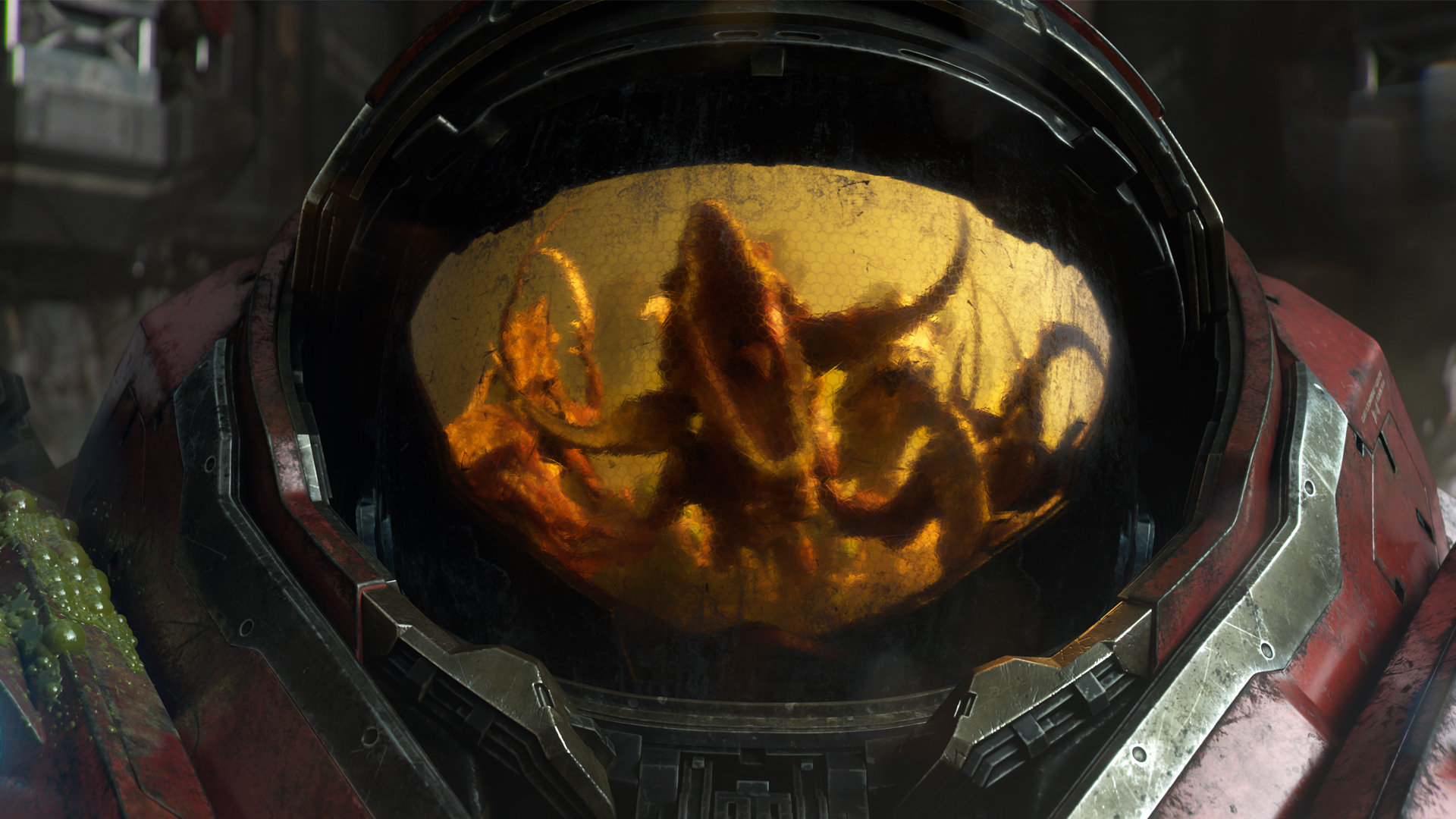
While Blizzard remains tight-lipped regarding specific mechanics, the cinematic reveal trailer provided a distinct tone. The footage focused on a gritty, desperate struggle for survival. There were no bright, colorful skirmishes; instead, the trailer depicted a dark, industrial aesthetic, emphasizing the isolation of a soldier fighting in the shadow of massive alien structures.
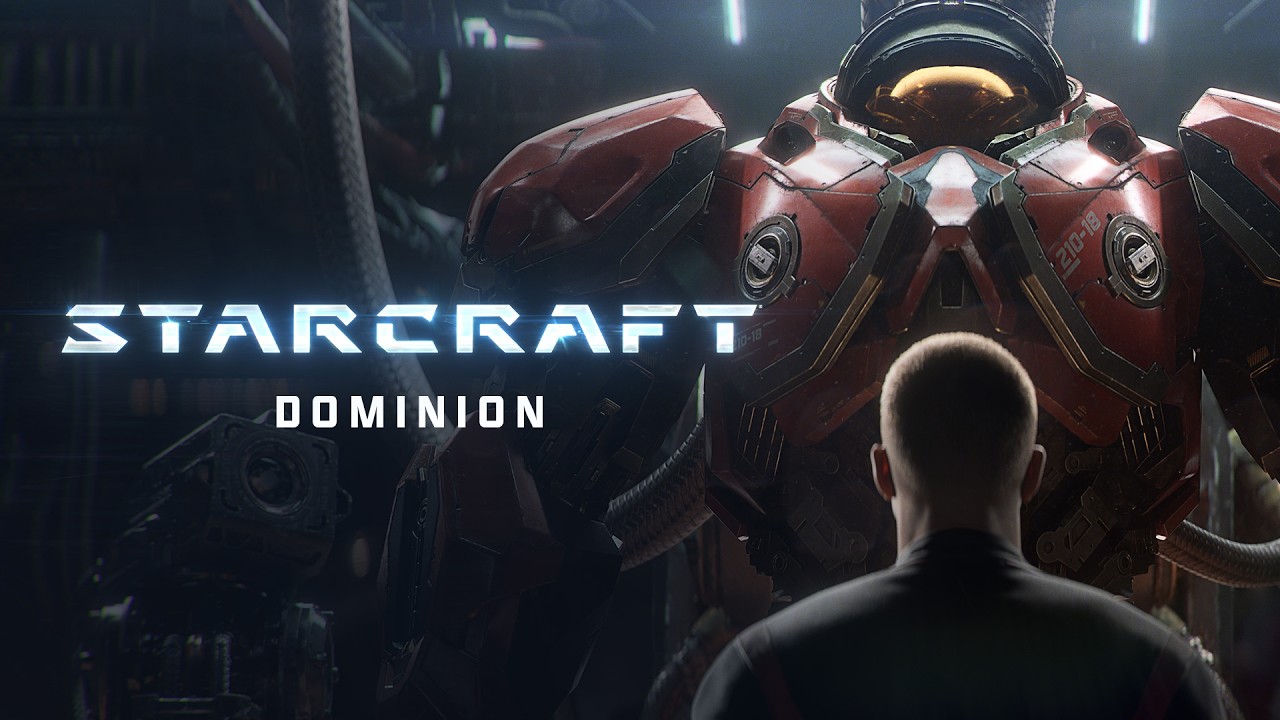
Regarding platforms, Blizzard has not provided a definitive list, though industry analysts expect a launch on PC and Xbox Series X/S. The company’s recent strategic shift toward console-first integration and the "Xbox Reset" implies that this title will likely leverage the full ecosystem of Microsoft’s gaming hardware. Whether the game will see a PlayStation release remains a point of intense speculation, given the current trend of first-party exclusivity.
Implications for the Industry
The decision to abandon the RTS genre for an open-world shooter is a double-edged sword. On one hand, it alienates a segment of the core audience that has spent decades perfecting their build orders. On the other hand, it opens the StarCraft IP to a massive, modern market that favors deep, narrative-driven experiences.
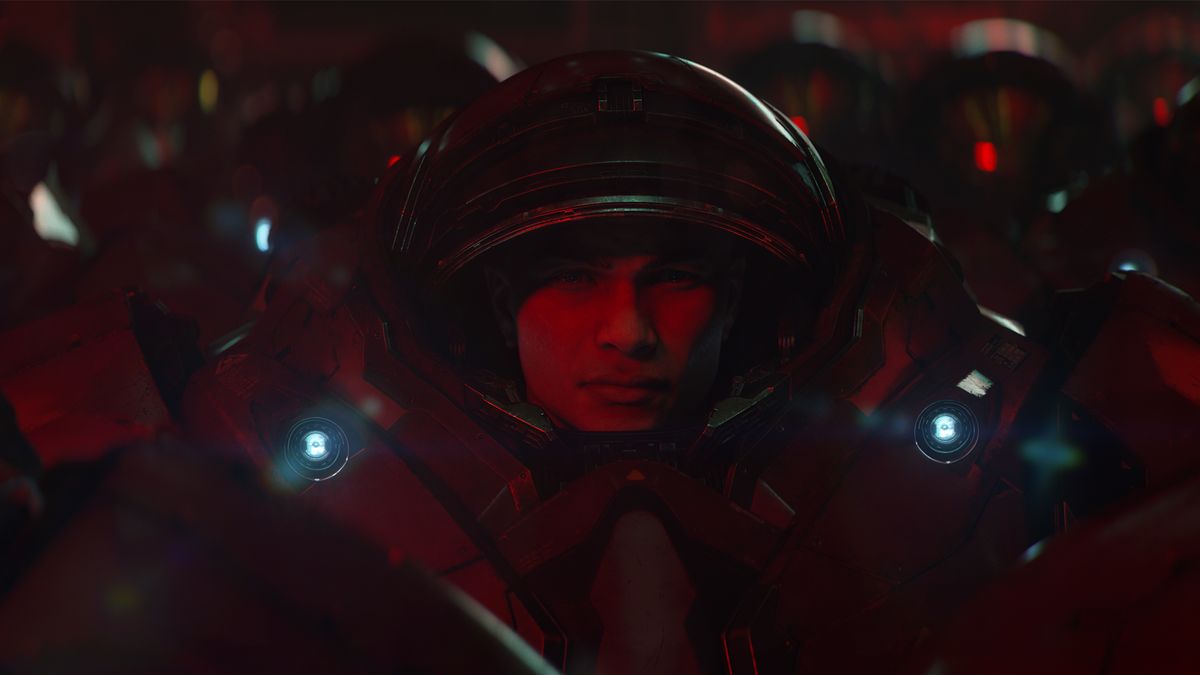
If successful, this game could redefine the "sci-fi shooter" landscape in the same way the original StarCraft defined the RTS. The open-world format suggests a move toward emergent gameplay—where players can scavenge resources, upgrade their equipment, and navigate the complex politics of the Koprulu Sector. The sheer scale of the StarCraft lore provides a foundation that few other franchises can match. From the derelict husks of Protoss ships to the radioactive ruins of Terran colonies, the environmental storytelling potential is immense.
Technical Ambitions and Expectations
The 2030 release window provides the development team with ample time to leverage cutting-edge engine technology. With the current trajectory of photogrammetry and real-time ray tracing, the "gritty aesthetic" promised by the trailer will likely be rendered with unprecedented detail. The challenge for the team will be maintaining the "feel" of the StarCraft universe—the distinct sounds of a Siege Tank firing, the terrifying chittering of a Zergling horde, and the ethereal energy of Protoss technology—within a format that demands a more grounded, immersive perspective.
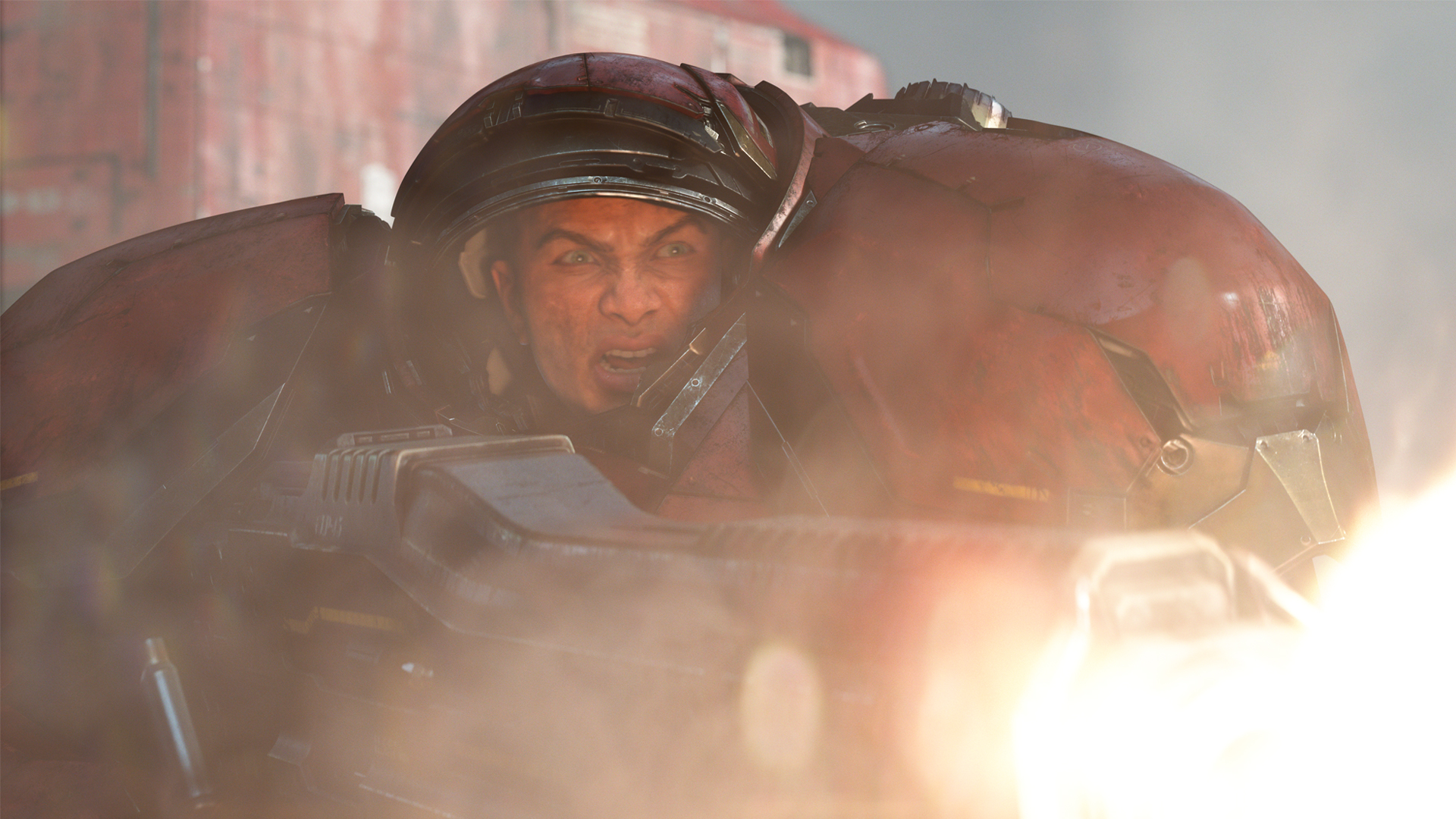
Furthermore, the game’s success will likely hinge on its AI. In an RTS, the player controls the army. In a shooter, the player is the target. Creating a swarm of Zerg that feels intelligent and threatening in an open-world environment will require a massive leap forward in procedural animation and combat logic.
Looking Ahead
As we look toward 2030, the hype cycle is only beginning. For the fans who have kept the servers of StarCraft II alive through sheer dedication, this represents a new chapter. It is a acknowledgment that, despite the passage of time, the Koprulu Sector still has stories to tell.
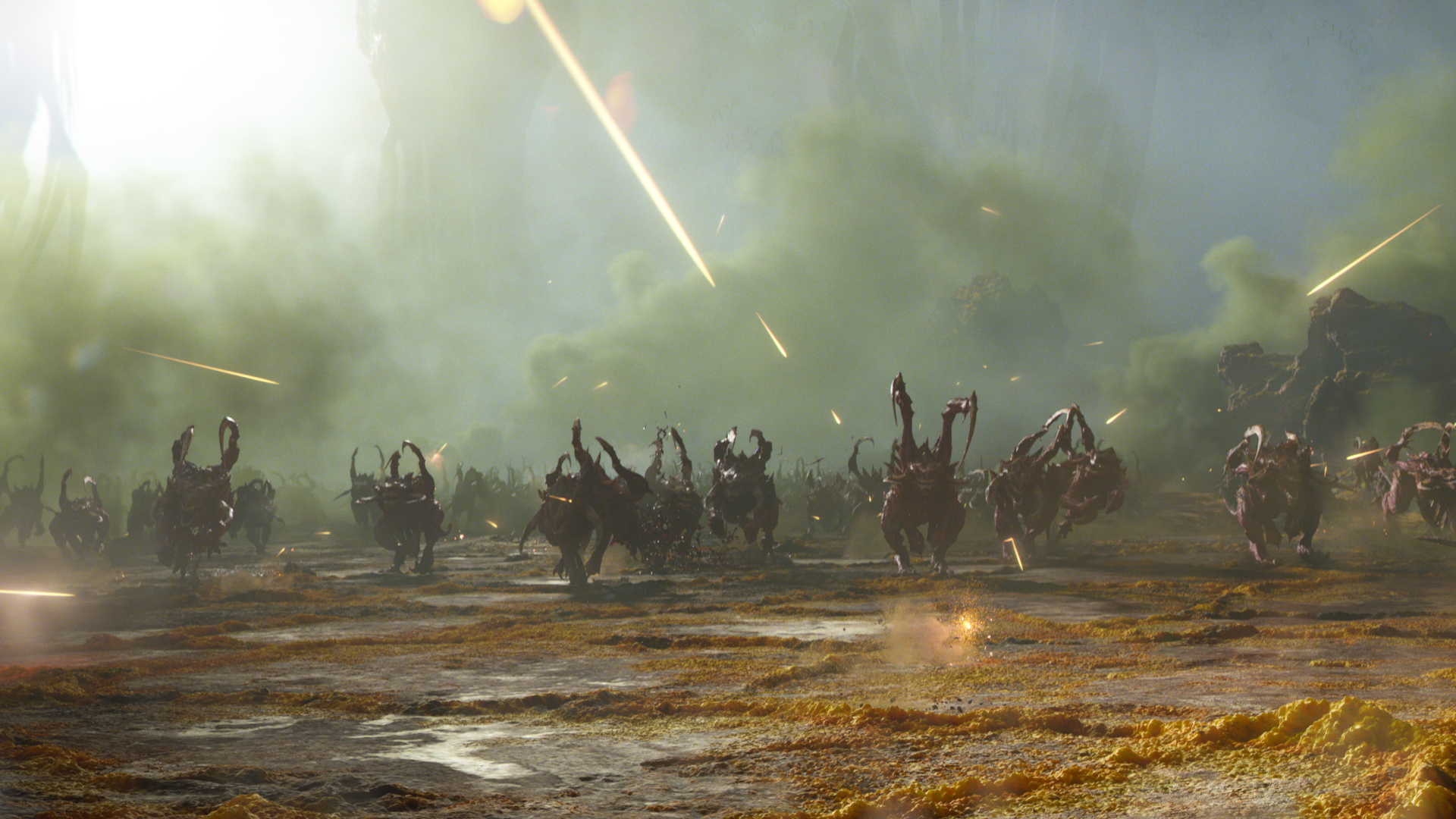
The coming years will undoubtedly see a drip-feed of information—concept art, character reveals, and gameplay showcases. Blizzard has taken a massive gamble by evolving a franchise known for its strategy into a genre dominated by titans like Halo and Destiny. Yet, the StarCraft name carries a weight that few can ignore. Whether it becomes a definitive action experience or a cautionary tale, the gaming world will be watching.
For now, we have only the cinematic trailer and the promise of a future where we can finally walk the surface of a world once governed by the click of a mouse. The war for the sector has changed, and for the first time in a long time, the future of the StarCraft universe feels wide open.

