

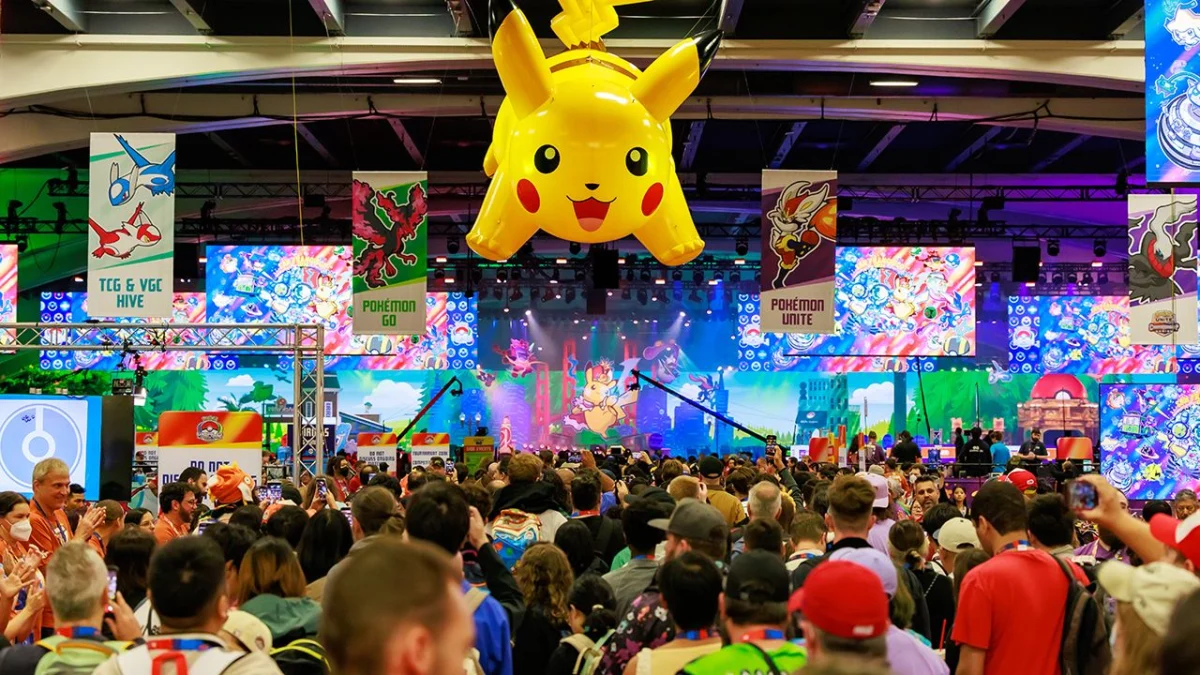
SAN FRANCISCO — That is certainly not the way to "catch ’em all."
What was meant to be a celebratory weekend for the global Pokémon community quickly devolved into a logistical nightmare. Over the final weekend of August 2026, tens of thousands of Pokémon enthusiasts descended upon the Moscone Center in San Francisco, California, for the highly anticipated Pokémon World Championships. However, the multi-day event—which featured high-stakes Pokémon Trading Card Game (TCG) tournaments, exclusive first-look opportunities, and massive retail activations—was marred almost immediately by severe overcrowding, grueling queues, and organizational missteps.
The trouble arriving at the venue unfolded against a backdrop of months of persistent retail shortages that have plagued official Pokémon merchandise. With shelves nationwide sitting empty, fans viewed the World Championships as a prime opportunity to secure coveted items. Instead, they walked into a pressure cooker that ultimately drew the attention of local safety officials and triggered widespread outrage online.
Main Facts: The Anatomy of a Convention Crisis
The 2026 Pokémon World Championships brought an estimated 50,000 attendees to downtown San Francisco, pushing the Moscone Center’s infrastructure to its absolute limits. While the core competitive tournaments for the TCG and video games proceeded largely as planned, the convention’s interactive fan experiences—specifically the heavily promoted Pin Rally—turned into flashpoints for safety violations and crowd-control failures.
The Pin Rally tasked attendees with visiting 12 distinct stations scattered throughout the convention center to collect exclusive, limited-edition pins. The sheer discrepancy between supply and demand set the stage for disaster: organizers prepared only 8,000 exclusive pins per day to be distributed among a crowd numbering in the tens of thousands.
As a result, bottlenecks formed instantly. Hallways designed for standard convention foot traffic became impassable human gridlocks, sparking safety concerns that prompted intervention from the San Francisco Fire Department (SFFD) and leaving attendees—many of whom had traveled internationally—feeling unsafe, neglected, and deeply frustrated.
Chronology: A Weekend of Escalating Disasters
Friday, August 28: Early Closures and Rising Tensions
Trouble began almost immediately on the opening morning of the convention. By 11:00 a.m. on Friday—just hours after doors opened—at least half of the designated pin stations had already shuttered their windows. The reason? Unmanageable crowds had formed so rapidly that staff could no longer safely process the influx of people.
Attendees who attempted to approach the booths were met with disorganized directives from convention staff, who alternated between telling fans not to loiter and attempting to disperse mobs that had nowhere else to go.
Saturday, August 29: The Breaking Point and SFFD Intervention
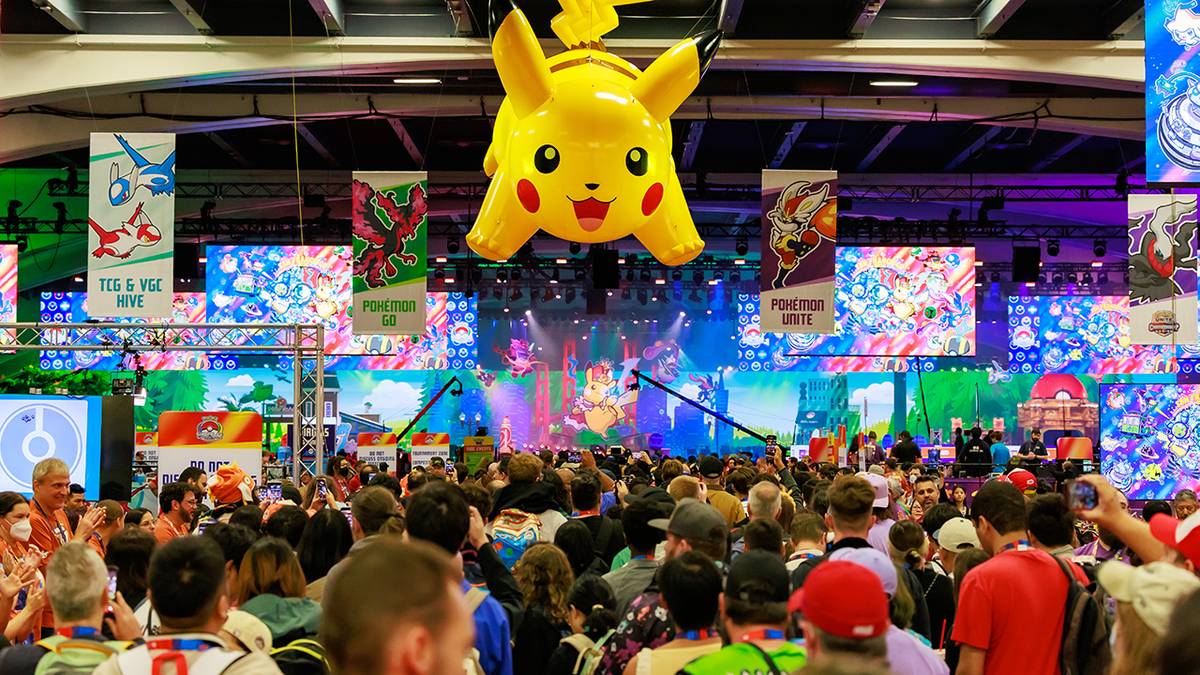
Desperate to secure the scarce merchandise, attendees began lining up outside the Moscone Center as early as 6:00 a.m. on Saturday. Within hours, the queues had spilled out of the venue and directly onto the surrounding San Francisco streets.
The density of the crowds and the blockage of critical egress paths caught the attention of local authorities. Crew members from the San Francisco Fire Department’s fire prevention team arrived on-site to assess the situation. They engaged in urgent consultations with event organizers regarding life-safety hazards and egress compliance.
While internet rumors quickly circulated claiming the SFFD forcefully shut down the event, a department spokesperson clarified the reality of the intervention to reporters.
"After discussing suggestions with the fire prevention team, the event organizers decided to shut down the pin giveaway after consulting with local fire officials," the SFFD said in a formal statement.
In response to the mounting pressure and safety assessments, event staff began shutting down individual pin stations early on Saturday afternoon before pulling the plug on the entire activation. Late Saturday night, a broadcast notification was sent to attendees’ phones:
"Hello Trainer, Pin Rally is canceled for Sunday, August 30, 2026. Please check the schedule for other activities to enjoy!"
Sunday, August 30: Damage Control
The final day of the convention was marked by a noticeably altered atmosphere. With the Pin Rally completely canceled, thousands of disappointed fans found themselves pivoting to alternative convention programming, while security maintained a heavy presence around remaining retail and tournament zones to prevent further clustering.
Supporting Data and Attendee Testimonies
Social media platforms, particularly X (formerly Twitter), became an outlet for unvarnished consumer fury. Longtime convention-goers did not mince words regarding the execution of the event.
User @justintelmo posted on X, summarizing the sentiment of many:
"Pokémon XP Pin Rally is probably the worst con experience I have ever had, and I’ve been attending cons since 2006."
Beyond the sheer frustration of missing out on merchandise, structural accessibility failures deeply harmed vulnerable attendees. Hayley, an attendee who posts under the handle @bugcatcherhay, spoke candidly about her experience trying to navigate the convention floors with a mental disability.
"The ADA at Pokémon Worlds is essentially nonexistent," Hayley shared online, recounting how she suffered multiple panic attacks when trapped in the chaotic Espeon pin line. When she sought help from convention staff, she was repeatedly told to "sorry please move along."
Elaborating on the incident to reporters, Hayley described the atmosphere around the Umbreon booth as a "mob."
"When we did come back to the Umbreon booth, there was what I can only describe as a mob on all sides of the queue, waiting for it to open. Staff was again urging everyone to disperse, but in this case, no one was listening and even if they wanted to, there weren’t many places to go without being met with more people waiting or bumping into other event spaces," she explained.

When the queue finally surged forward, physical pushing ensued.
"This was the point where I froze. I was so anxious, confused, and stressed that my body wouldn’t move," Hayley recalled. "A member of my group eventually walked back over to grab me because I texted them that my fight, flight, fawn or freeze took over, and I didn’t think I could leave. As soon as I left the line, I started crying due to being overwhelmed."
When she tried to seek a legitimate accommodation from a staff member, she was met with institutional unpreparedness.
"After telling him I have a mental disability that makes situations like this hard for me and wondering what can be done for me, his answer was essentially, ‘we don’t have anything in place for that.’ He ended up ushering me back into the line in what I genuinely think was an attempt to help me," she said. "As we walked along, following this movement, I realized this isn’t actually an accommodation that is going to help me, and it shouldn’t be possible for them to not have had ADA policies that avoid this in place."
Other attendees corroborated these systemic failures, noting that elevator access was arbitrarily restricted, ADA-accessible queues lacked clear signage, and floor staff were frequently untrained or uninformed regarding disability accommodations.
Official Responses and Corporate Silence
As the public relations fallout widened, eyes turned toward the event’s corporate masterminds.
The Pokémon Company has maintained a strict silence regarding the logistical failures in San Francisco. Multiple requests for comment sent by media outlets, including detailed inquiries concerning crowd capacities, pin inventory metrics, and ADA compliance breakdowns, went unanswered by company representatives.
The local fire department, however, remains firm on its mandate. While city officials did not execute a punitive shutdown order, their active intervention forced corporate planners to re-evaluate how they manage crowd volume in public spaces.
Implications: What This Means for Future Pokémon Events
The disastrous execution of the 2026 Pokémon World Championships raises profound questions about the scalability of modern pop-culture conventions, particularly those centered around hyper-scarce collectibles.
- The Scarcity Trap: By manufacturing artificial scarcity through ultra-limited merchandise drops (such as offering a mere 8,000 pins for 50,000 attendees), organizers inadvertently incentivized aggressive camping, line-cutting, and dangerous mob mentalities.
- ADA Compliance as an Afterthought: The testimony of attendees like Hayley highlights a systemic failure across the live-events industry: the treating of accessibility guidelines as a checklist item rather than a foundational human right. Failing to train staff on disability accommodations during high-stress, high-density situations exposes convention organizers to severe legal and ethical liabilities.
- Venue Capacities and Local Relations: Hosting massive international events requires seamless coordination with municipal infrastructure. When corporate event planners fail to anticipate crowd behavior, they burden local emergency services—such as the San Francisco Fire Department—forcing public servants to divert resources to manage private corporate gatherings.
As the Pokémon brand continues to expand its global footprint and command unprecedented commercial demand, future World Championships will need to fundamentally overhaul their ticketing, queuing, and merchandise distribution models. If organizers cannot learn from the chaotic lessons of the Moscone Center, the brand risks alienating the very fan base that built its empire—turning what should be a celebration of community into a cautionary tale of corporate oversight.

