

By Editorial Staff
December 20, 2021
In the rapidly shifting landscape of digital media, the closure of a specialized publication often marks the end of an era for the niche communities it served. On December 20, 2021, The Indie Game Website (IGW) officially announced that it would be entering a hiatus, marking a significant transition for one of the few media outlets dedicated exclusively to the burgeoning world of independent game development. While the site’s archives will remain accessible—preserving a repository of tips, reviews, and features—the cessation of new content marks a poignant moment for both the contributors who honed their craft there and the developers who found a rare spotlight for their passion projects.
The Core Facts: A Pillar of Indie Coverage Steps Back
The Indie Game Website has long held a unique position in the gaming journalism ecosystem. As an outlet recognized by Metacritic, it served as a vital gatekeeper and amplifier for indie titles that often struggled to gain traction in the shadow of AAA blockbusters. The announcement, delivered by the site’s editorial lead, confirmed that while the platform is pausing operations, its parent company, Game If You Are, intends to carry the site’s ethos forward through new, yet-to-be-announced initiatives in the coming year.
The decision to pause is not framed as a failure, but rather as a conclusion to a specific chapter. The site’s contribution to the industry was twofold: providing high-quality, specialized coverage for niche gaming experiences and serving as a launchpad for emerging voices in the journalism field. By focusing on titles that many larger outlets deemed "too small" or "too niche," IGW carved out a vital space for the creative fringe of the interactive entertainment industry.
Chronology of Influence: From Inception to Hiatus
To understand the weight of this closure, one must look at the trajectory of the site over the past several years.
- January 2020: A new editorial direction was implemented, emphasizing mentorship and the development of freelance talent. The goal was to transform the site into a nurturing ground for writers who were looking to break into the competitive world of games journalism.
- 2020–2021: Throughout the height of the global pandemic, when indie gaming saw a massive surge in both development and consumption, IGW became a primary source for coverage on roguelikes, card games, and experimental titles. The site’s "Daily Dose" columns became staples for readers looking to discover hidden gems.
- December 20, 2021: The final announcement was published, signaling the indefinite pause of new editorial output. The site, however, remains live as a permanent archive of the work contributed by dozens of writers.
Throughout this period, the site maintained a consistent editorial policy: if a game was interesting, it deserved a spotlight, regardless of its budget or marketing reach. This philosophy allowed the site to capture the pulse of the indie scene in a way that generalized gaming outlets often could not.
Supporting Data: The Impact of Niche Journalism
The importance of The Indie Game Website can be quantified by its role in the industry’s metadata and its commitment to talent development.
The Metacritic Factor
As a site indexed by Metacritic, IGW was a critical contributor to the "Metascore" of countless indie developers. For an indie studio, a review on a site with recognized critical weight can be the difference between financial sustainability and obscurity. By dedicating its resources to titles that larger, mainstream outlets might overlook, IGW ensured that small-scale developers received the professional critique necessary to gain visibility on storefronts like Steam, itch.io, and console digital shops.
The Human Element: Cultivating Talent
Perhaps the most enduring legacy of the site is its impact on the journalists who passed through its virtual doors. Under the editorial leadership that began in early 2020, the publication functioned as a mentorship hub. Editors actively encouraged writers to pitch their more ambitious, "unmarketable" ideas to IGW, while simultaneously coaching them to pitch their stronger, more commercial ideas to larger outlets. This "pay it forward" mentality created a supportive ecosystem that arguably improved the overall quality of games journalism across the wider industry.
Official Perspectives: Reflections on a Mission
In the wake of the closure, the sentiment expressed by the editorial leadership is one of gratitude and pride. The outgoing editor noted that the site’s greatest accomplishment was not just the volume of coverage, but the type of coverage.
"My aim was to have the features on the website be the ones that nobody else would buy," the editor remarked. "Not because they were bad, but because the game was too small, or the idea was too niche."
This philosophy underscores a critical realization: indie gaming thrives on the "niche." When a publication commits to covering the fringes, it validates the efforts of developers who are pushing the boundaries of the medium. The leadership also expressed a deep sense of optimism for the future, noting that while the site itself is resting, the parent company, Game If You Are, is poised to evolve. The promise of new initiatives in the coming year suggests that the ethos—the belief that indie games are worthy of rigorous, heartfelt, and sustained critique—will survive, even if the current vessel is being retired.
The Implications for the Future of Indie Coverage
The closure of The Indie Game Website serves as a stark reminder of the precarity of independent journalism. As the industry moves toward consolidation, the voices that speak for the smallest creators are often the most vulnerable to shifting business models and market fatigue.
The "Discoverability" Crisis
For indie developers, the loss of any dedicated media outlet exacerbates the ongoing "discoverability" crisis. With thousands of games launching on digital storefronts every year, the role of the curator—the critic who can sift through the noise to find the next Slay the Spire or Hades—is more important than ever. When a site like IGW steps away, the burden of discovery falls even more heavily on algorithmic recommendations, which often fail to capture the nuance and cultural context that human journalists provide.
The Call to Action for Readers
The editorial team’s final plea to the audience was simple: "Make sure to support indie coverage wherever else you find it." This is not merely a polite sign-off; it is a vital directive. The survival of quality independent journalism is contingent upon audience engagement. If readers want to ensure that niche games continue to receive professional coverage, they must actively seek out, subscribe to, and share the work of independent publications, Substack newsletters, and freelance critics who remain in the trenches.
A Lasting Archive
While the news of the closure is bittersweet, there is a silver lining: the work remains. The site’s archives, including their comprehensive Satisfactory guides and extensive deep-dives into the roguelike genre, will persist as a resource for the community. These articles serve as a time capsule of a specific moment in gaming history, documenting the rise of creators who may now be household names but were once just developers with a dream and a small, niche project.
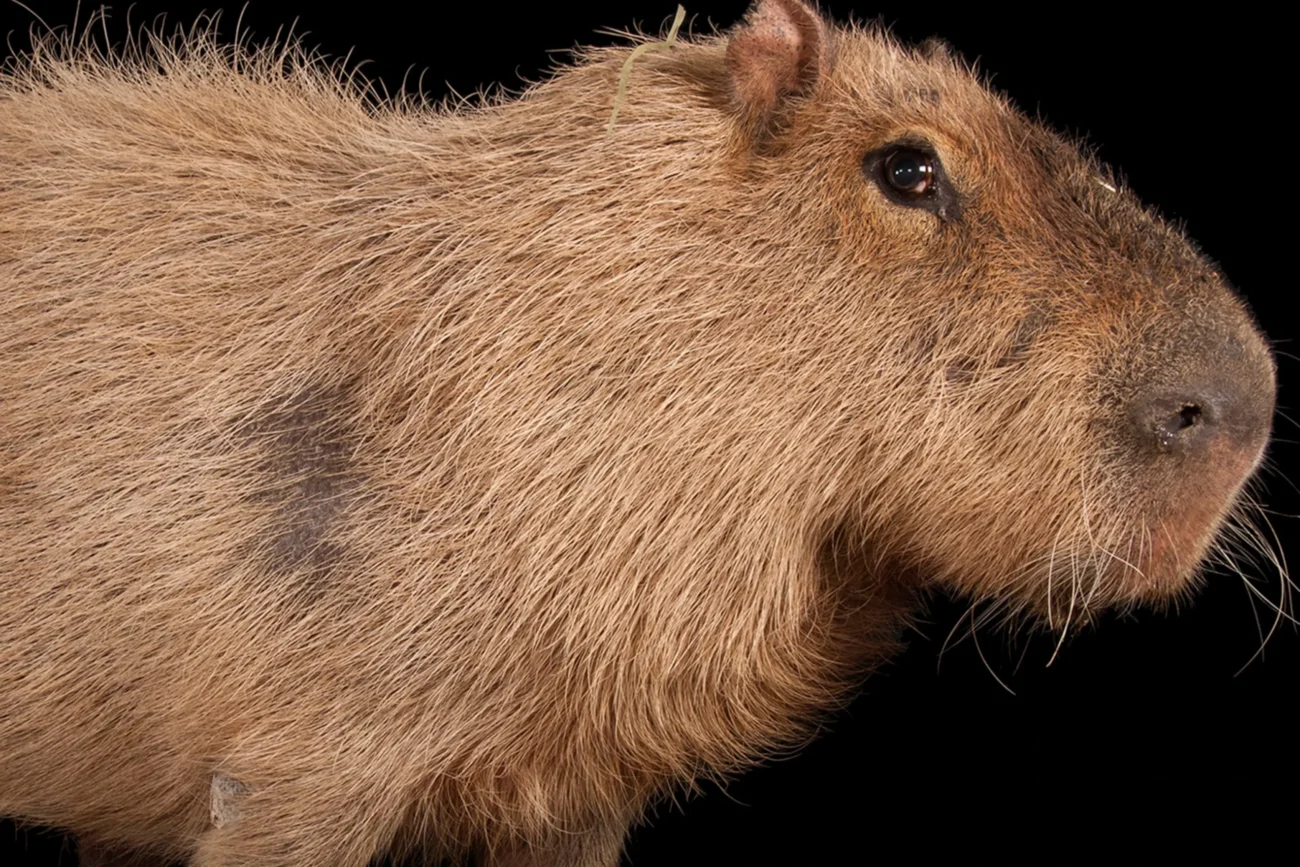
As the industry moves into 2022 and beyond, the legacy of The Indie Game Website will be felt in the writers who continue to pursue the truth, the developers who keep taking risks, and the readers who understand that the most important stories in gaming are often the ones told by the smallest teams. The capybara that graced the site’s final announcement—a mascot of calm and resilience—is perhaps the perfect symbol for how the community should view this transition: with quiet appreciation for what was, and steady anticipation for what comes next.

