

As players dive headfirst into the expansive and perilous realms of Valheim 1.0—whether starting fresh with a brand-new character and world or returning to the tenth Norse realm for the ultimate survival challenge—survivalists are quickly encountering a mystifying new class of items. Scattered across the game’s diverse biomes, players are unearthing strange, material-specific statues known as Battle Idols and Protection Idols.
Crafted from humble wood, sturdy bronze, unforgiving iron, and other rare substances, these mysterious artifacts initially seem to serve no immediate purpose. However, veterans and newcomers alike are advised to hold onto every single Idol they stumble across. When brought to a specific, highly dangerous endgame crafting station, these relics unlock the key to pushing your weapons and armor past their traditional limits.
Main Facts: What Are Valheim Idols and the Forge of Potential?
The introduction of Idols and the Forge of Potential in Valheim 1.0 represents a major shift in how players approach equipment progression in the survival-crafting genre.
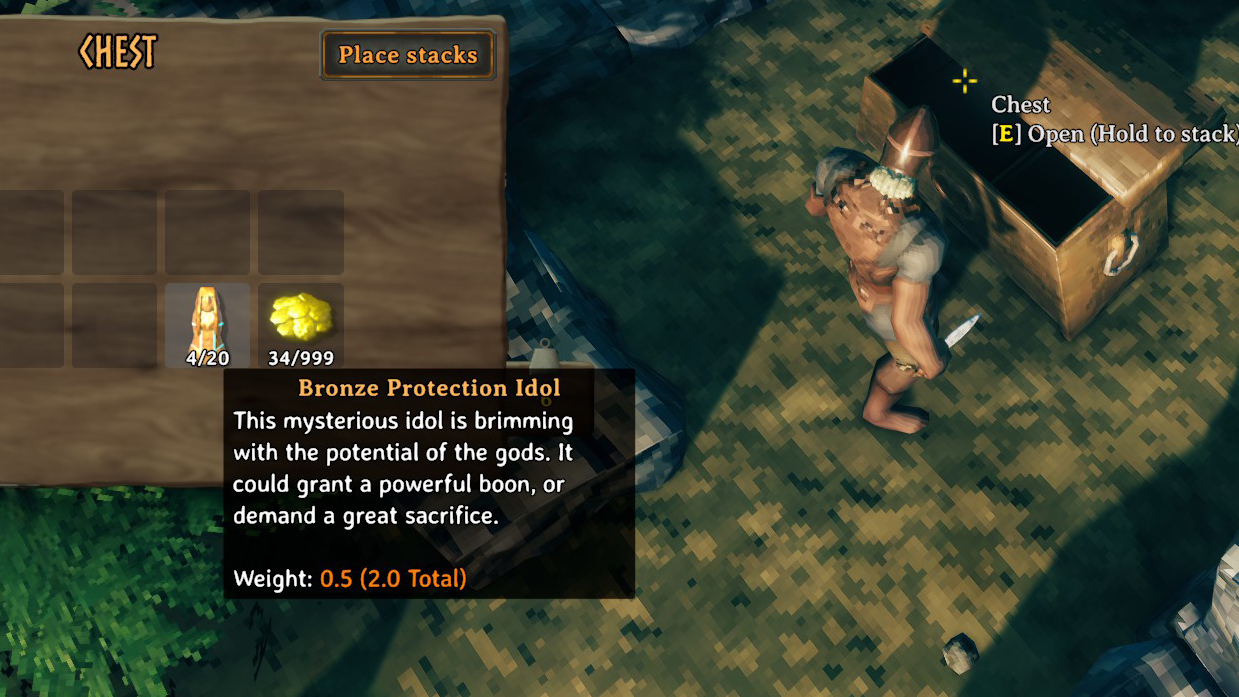
- The Artifacts: Players can collect Battle Idols (used exclusively for upgrading offensive gear, such as swords, axes, and bows) and Protection Idols (used for defensive gear, including chest pieces, helmets, and legwear).
- Material Tiers: Idols mirror the material progression of the game, appearing as wood, bronze, iron, and other tiers corresponding to the various biomes.
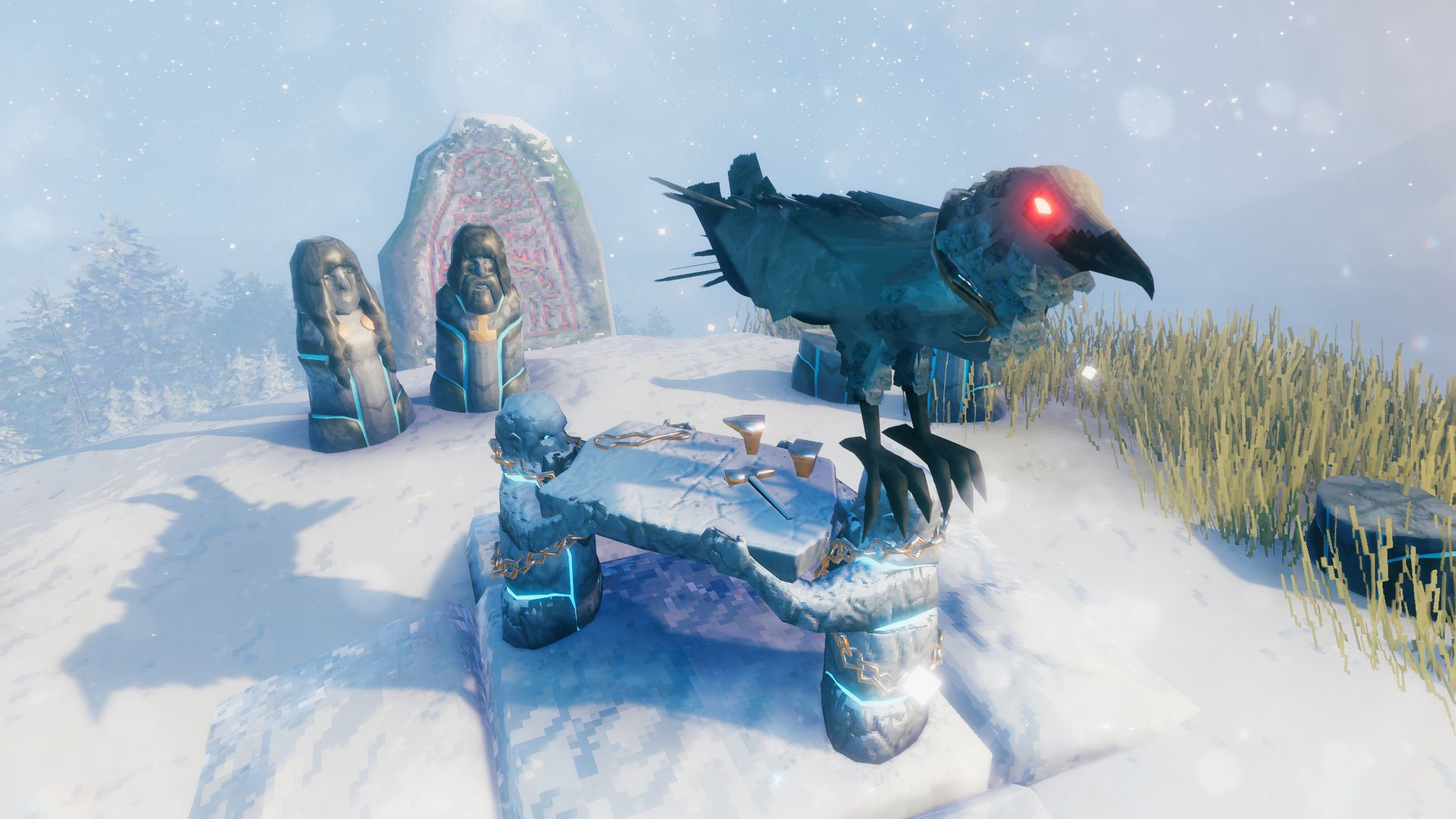
- The Destination: These items cannot be used at a standard workbench or forge. They are strictly tethered to a singular, highly elusive crafting structure: The Forge of Potential.
- The High-Stakes Risk: Upgrading gear using Idols is not a guaranteed success. The process carries a distinct chance of failure, resulting in the destruction of the gear piece (though crafting materials are refunded) and direct damage to the player.
Chronology: From Discovery to Dangerous Refinement
Understanding how to progress from finding your first random wooden or bronze artifact to successfully enhancing your gear at the Forge of Potential requires a deliberate, step-by-step approach.
Phase 1: Looting the Biomes
Your journey with Idols begins the moment you start exploring the world. Idols are generated randomly as loot within chests. These chests are not confined to a single location; they spawn organically across various points of interest in every biome. Keep a sharp eye out when exploring:
- Abandoned wooden shacks and homesteads
- Dark and claustrophobic burial chambers
- Crumbling stone watchtowers and ruined structures
- Coastal shipwrecks left by unfortunate mariners
- Spooky Viking graveyards scattered throughout the meadows and black forests
The type of Idol you discover is directly tied to the difficulty and tier of the biome you are looting. Lower-level biomes yield basic materials, while harsher environments yield advanced metallic variants.
Phase 2: Braving the Mountains to Find the Forge of Potential
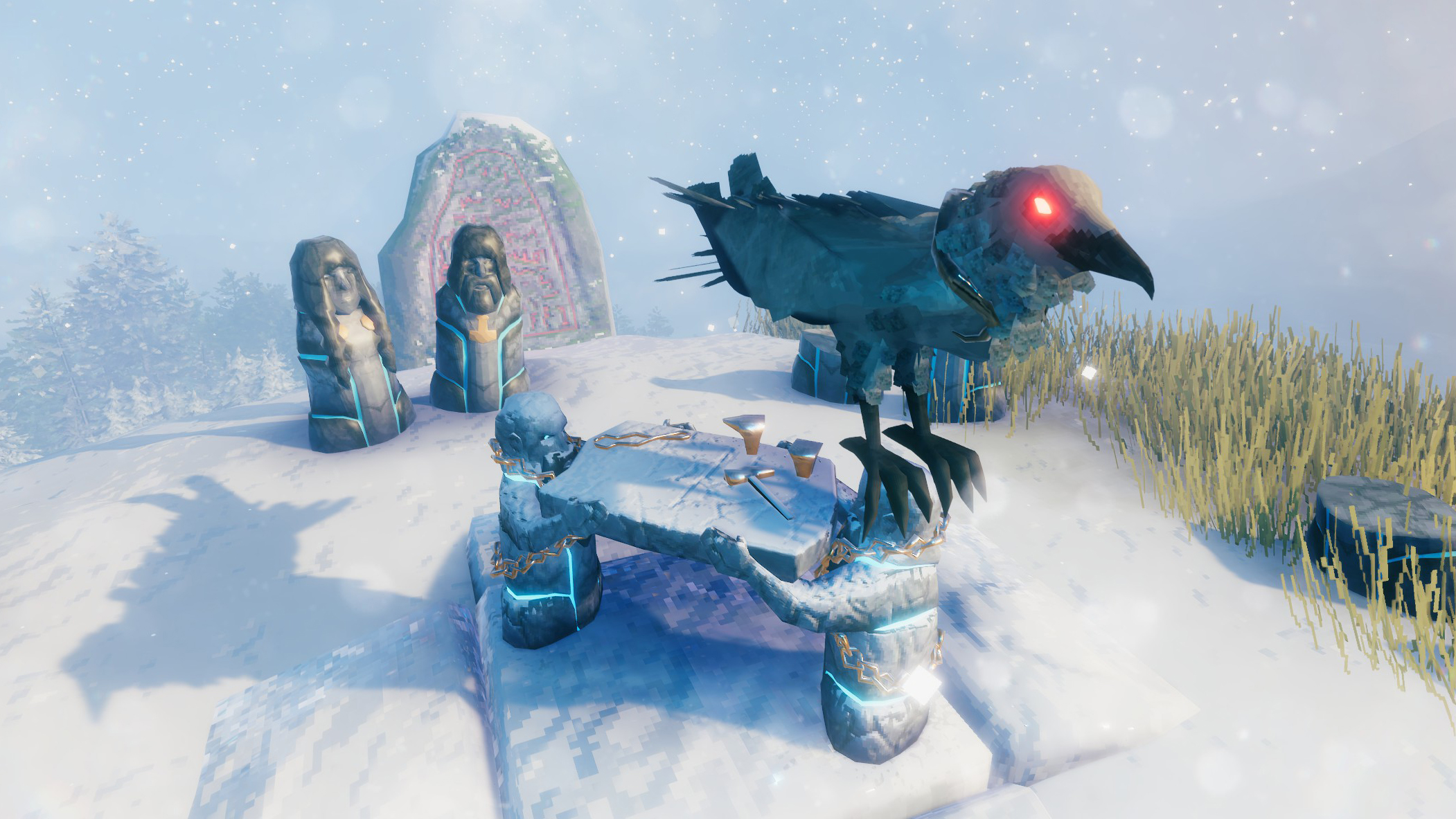
Once your inventory begins filling up with Battle and Protection Idols, you must seek out the Forge of Potential.
To locate this structure, you must venture into the treacherous Mountains biome. Because the Mountain is one of Valheim‘s most inhospitable environments, preparation is paramount. Players must equip proper cold-resistance gear—such as a wolf fur cape or a wolf fur armor chestpiece—or consume frost-resistance mead to stave off the lethal freezing debuff.
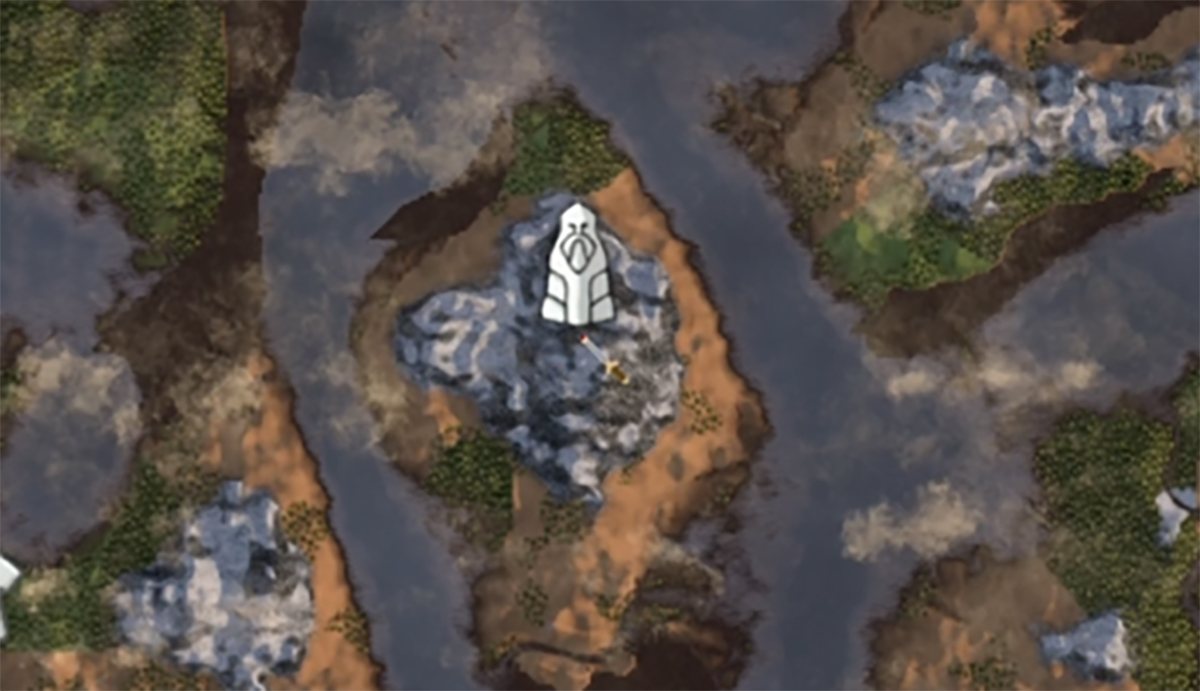
As you ascend the frozen peaks, keep an eye on your map. Once you draw close enough to the Forge of Potential, a distinct map icon resembling an Idol will automatically appear, guiding you to its exact location. While procedural generation dictates map layouts, early reports indicate that the Forge of Potential frequently spawns near the summit of tall peaks, often alarmingly close to the dragon boss Moder’s summoning altar. Whether this proximity is a guaranteed spawn rule or a byproduct of high-elevation world-gen algorithms remains a subject of ongoing investigation among the community.
Phase 3: The Refinement Process
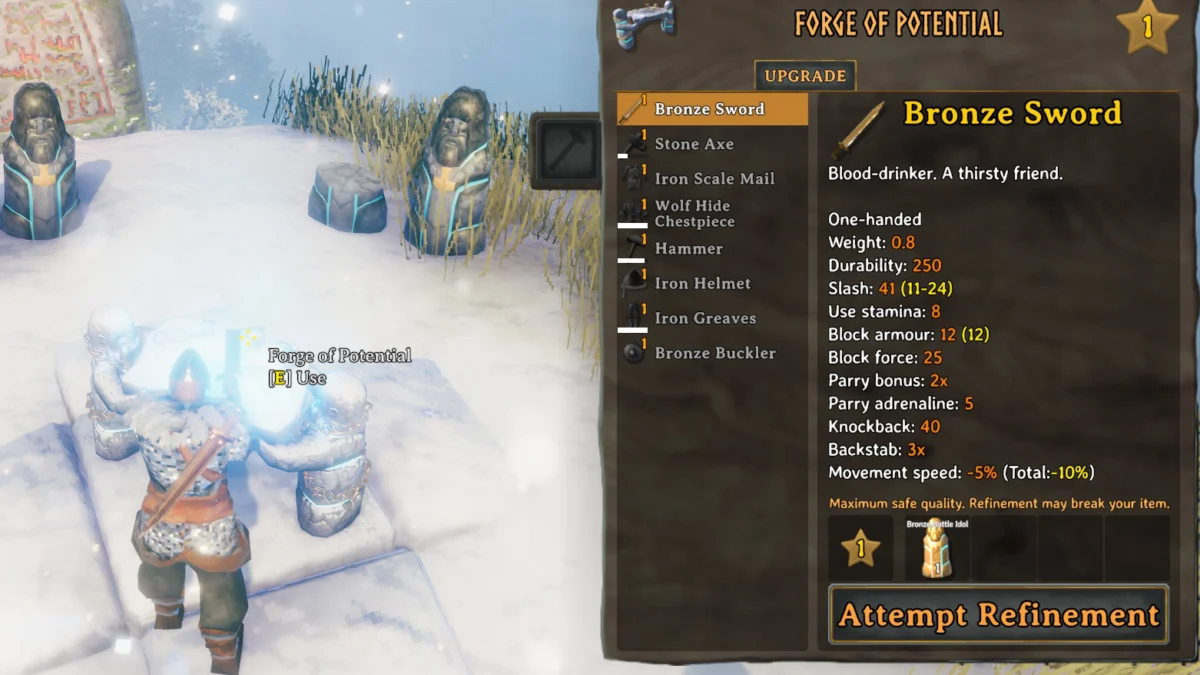
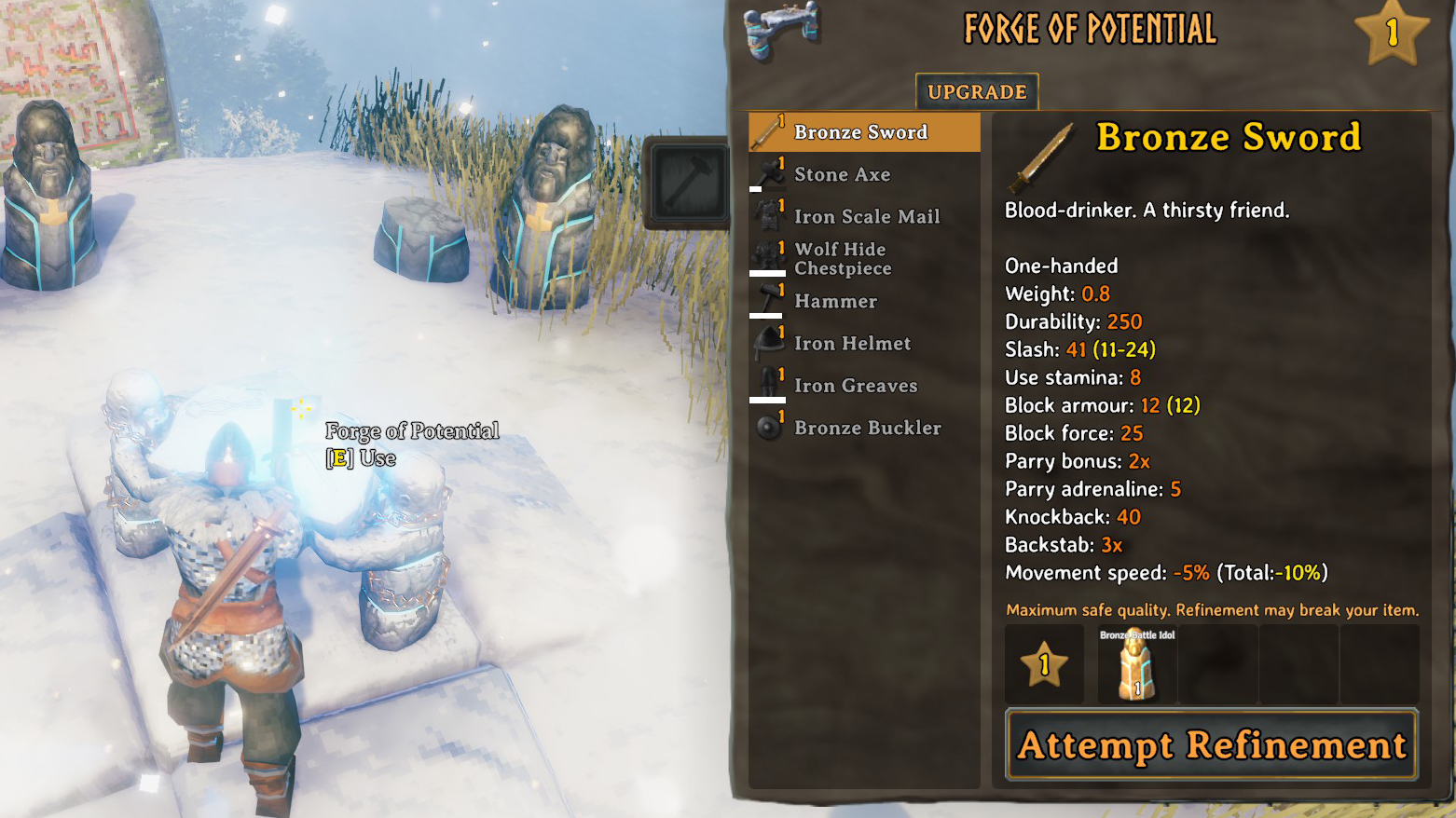
With your Idols and matching gear pieces in hand, interacting with the Forge of Potential opens a specialized upgrade menu. To initiate the enhancement, players must select their target gear and click the "Attempt Refinement" button.
However, this is where caution must rule over ambition. The Forge of Potential is capricious. If the refinement fails, the item you are attempting to upgrade is instantly vaporized. While the game mercifully refunds the raw crafting materials required to build the item from scratch, the Forge of Potential cannot be used to recraft destroyed items—it serves exclusively as a high-risk upgrade station. Furthermore, a failed attempt triggers a concussive shockwave that deals direct damage to the player, making it vital to enter every upgrade session at absolute maximum health.
Supporting Data: Is the Risk Worth the Reward?
With the threat of permanent item destruction and bodily harm hanging over every upgrade attempt, rational players are naturally asking: Are the stat boosts genuinely worth the risk?
To answer this, we can examine a concrete case study involving a standard Bronze Sword upgraded at the Forge of Potential:
| Stat | Base Bronze Sword | Upgraded Bronze Sword | Net Change |
|---|---|---|---|
| Durability | Standard | +50 Points | Significant increase in field longevity |
| Slash Damage | 41 (Range: 11–24) | 47 (Range: 13–27) | Noticeable bump in baseline and peak damage output |
| Block Force | 25 | 30 | Enhanced staggering capability against enemies |
| Other Stats | Unchanged | Unchanged | Weight, requirements, and secondary effects remain stable |
While the statistical gains—such as a 6-point increase in slash damage and an extra 50 points of durability—may seem modest on paper, in Valheim‘s punishing combat ecosystem, even minor margins can mean the difference between surviving a grueling boss fight or respawning empty-handed back at your base.
Official Responses and Developer Intent
Coffee Stain Publishing and Iron Gate Studio have steadily rolled out updates leading up to Valheim 1.0, aiming to address community feedback regarding late-game progression loops.
While the developers have not explicitly detailed the exact math behind the Forge of Potential’s failure rates, interviews and patch notes indicate that the inclusion of high-risk crafting mechanics was intentional. The design philosophy behind Valheim 1.0 leans heavily into forcing players to make hard choices. Rather than offering a linear, risk-free treadmill of power scaling, the implementation of Idols and the Forge of Potential injects a sense of genuine peril into the crafting loop, encouraging players to weigh the psychological and material cost of pushing their favorite weapons and armor to absolute perfection.
Implications for the Valheim Community
The addition of Battle Idols, Protection Idols, and the Forge of Potential fundamentally alters the meta of Valheim 1.0.
- Re-evaluating Exploration: Exploration is no longer just about gathering resources for base building or unlocking the next tier of armor; every chest in every abandoned tower now holds potential currency for endgame min-maxing.
- Resource Economy Shifts: Because failed refinements destroy the gear piece while returning raw materials, players will likely stockpile duplicate weapons and armor sets, turning blacksmithing into a much more industrious and repetitive gameplay loop.
- Co-op Strategy: In multiplayer servers, groups will likely designate a specific "sacrificial" player or pool resources together to absorb the risks of the Forge of Potential, ensuring that the clan’s best gear is optimized without leaving everyone vulnerable to sudden failures.
As the Valheim 1.0 community continues to map out the exact mechanics, drop rates, and hidden synergies of the Forge of Potential, one thing is certain: survival in the tenth realm just got a lot more tactical—and a lot more dangerous.

