

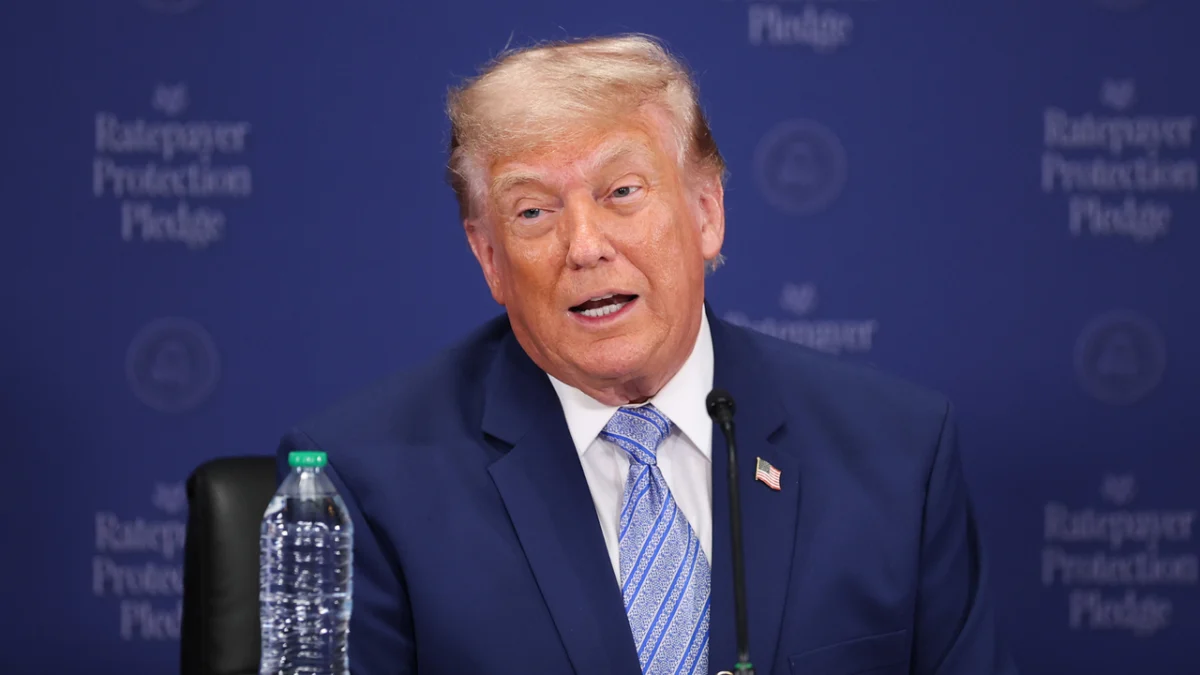
The rapid ascent of Artificial Intelligence (AI) is reshaping industries, economies, and even geopolitical landscapes. Yet, beneath the veneer of technological marvel lies a colossal and escalating challenge: the immense energy demands of AI data centers. These digital behemoths, powered by dense clusters of high-performance GPUs, are consuming electricity at an unprecedented rate, threatening to destabilize national power grids and drive up utility costs for ordinary citizens. In response to this burgeoning crisis, former President Donald Trump launched the "ratepayer protection pledge," an initiative designed to curb spiraling electricity costs by compelling major energy consumers, particularly AI data centers, to shoulder more of their own power burden.
The Core Challenge: AI’s Voracious Appetite for Power
The deployment of AI technologies, from large language models to complex machine learning algorithms, relies heavily on data centers equipped with specialized hardware. These facilities operate 24/7, demanding continuous, high-volume electricity to power thousands of servers, intricate cooling systems, and backup infrastructure. Unlike traditional data centers, AI-focused facilities often house graphics processing units (GPUs) that, while incredibly efficient for parallel processing, consume significantly more power per square foot than conventional CPUs. This intense power density strains local grids, necessitating substantial and costly upgrades to transmission lines, substations, and generation capacity.
The sheer scale of this demand is staggering. Industry experts project that by the end of the decade, data centers could account for a substantial portion of global electricity consumption, with AI applications being a primary driver. This surge in demand directly translates into higher operational costs for utility companies, which are often passed on to consumers through increased electricity rates. This economic pressure point has become a significant concern for policymakers and the public alike, prompting a search for solutions that balance technological advancement with energy affordability and grid stability.
The Genesis of the Pledge: A Federal Response
President Donald Trump first unveiled his "ratepayer protection pledge" in late February during a prominent address, signaling a federal recognition of the escalating energy crisis fueled by AI. The initiative, framed as Washington’s attempt to control spiraling electricity costs, aimed to shift the financial responsibility for power consumption and infrastructure upgrades more directly onto the shoulders of the tech giants driving the demand.
A week later, the White House convened a critical meeting with some of the biggest AI hyperscalers, including representatives from Meta, Amazon, and OpenAI. During this summit, Trump reportedly pressured these tech titans to invest in generating their own power or to negotiate discrete payment structures for their colossal electricity usage, rather than allowing the costs to be diffused across the general ratepayer base.
The administration’s rationale was articulated by Energy Secretary Christ Wright in March, who stated that the pledge "will deliver more affordable, reliable, and secure energy for the American people." President Trump himself reiterated this optimistic outlook, promising that "Electricity bills for American families will actually come down. They’re going to have a lot of electricity left over, and they’ll put that into the grid." This promise painted a picture of a future where technological growth and consumer protection could coexist, with the tech industry’s massive investments ultimately benefiting the broader populace.
The pledge has garnered significant support, with 23 state governors and an impressive 187 utility companies and data center developers formally signing on. Notable signatories from the utility sector include industry giants such as NextEra Energy, Duke Energy, American Electric Power, Southern Co., and Pacific Gas & Electric. On the data center development side, key players like Equinix, Digital Realty, and Prologis have also committed, indicating a broad industry acknowledgment of the issue and a willingness, at least on paper, to engage with the federal initiative.
The Unseen Costs: Data Centers and Grid Strain
Despite the optimistic pronouncements and the widespread signing of the pledge, the immediate impact on electricity rates across the country has been largely negligible, and in some cases, even adverse for ratepayers. The reality on the ground paints a stark contrast to the White House’s initial promises.
A prime example of this disconnect is the situation in Maryland, which was "slapped with a $2-billion bill" for upgrading its power grid. This monumental cost, according to reports, was incurred to accommodate the massive power demands of out-of-state AI data centers. This burden, placed directly on Maryland citizens, stands in direct opposition to the spirit of the ratepayer protection pledge.
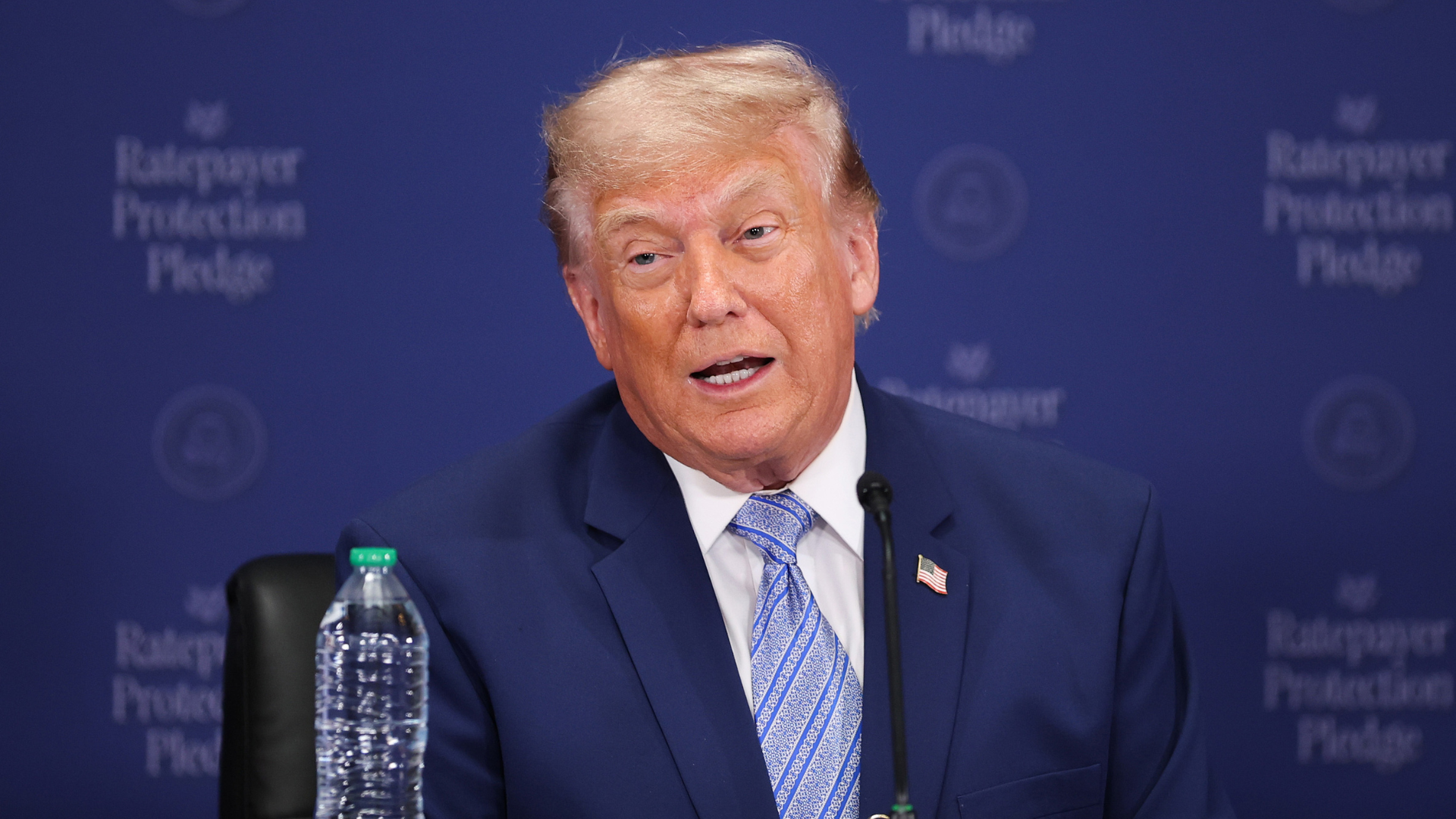
Further corroborating the severe impact of AI data centers, Monitoring Analytics, an independent watchdog overseeing PJM Interconnection – the nation’s largest power grid operator serving 13 states and the District of Columbia – issued a damning report. The watchdog concluded that a staggering "75.5% increase in power costs" within this vast region has been "directly caused by data centers." This data underscores the profound and rapid shift in energy consumption patterns driven by the AI boom, revealing a significant and immediate financial consequence for millions of Americans.
The implications extend beyond just increased bills. The existing grid infrastructure, much of which dates back decades, was not designed to handle the concentrated and immense power draw of modern hyperscale data centers. Upgrading this infrastructure requires not only significant financial investment but also extensive planning, permitting, and construction, often taking years. The rapid build-out of AI data centers is outpacing the grid’s ability to adapt, leading to bottlenecks, reliability concerns, and the need for expedited, often more expensive, solutions. This creates a vicious cycle where the demand for AI drives up the need for grid upgrades, which in turn increases costs for everyone connected to the grid.
Official Stances and Federal Directives
The administration remains steadfast in its dual objectives: accelerating the adoption of AI tools to maintain global technological supremacy and simultaneously mitigating the domestic impact on ratepayers. President Trump has consistently "pushing for the acceleration of the adoption of AI tools" and the necessary infrastructure, driven by the belief that winning the "AI race" against rivals like China is paramount for U.S. global leadership.
To facilitate this rapid expansion, the U.S. energy regulator has reportedly "ordered grid operators to expedite AI data center applications." This directive underscores the federal government’s commitment to prioritizing AI infrastructure development, potentially streamlining the process for data center connection to the grid. However, this acceleration comes with a caveat: the order also suggests that these projects "should bring their own power or cut usage during high demand," echoing the core tenet of the ratepayer protection pledge. This reflects an attempt to balance the urgent need for AI infrastructure with the critical need for grid stability and affordability.
Utility companies, as signatories to the pledge, find themselves in a complex position. On one hand, they are critical partners in delivering power to these new data centers and stand to benefit from the increased demand, albeit with significant investment requirements. On the other hand, they are regulated entities with an obligation to provide reliable and affordable power to all ratepayers. The pledge asks them to play an active role in differentiating costs for large consumers, a task that can be politically and economically challenging. Data center developers, having signed the pledge, are under pressure to demonstrate their commitment, potentially through investments in on-site generation, energy storage, or more efficient cooling technologies. Their continued growth depends on access to reliable power, and a proactive approach to energy management could alleviate regulatory and public scrutiny.
Public Resistance and Local Moratoriums
Despite the federal push for AI development, the American public has begun to "pushing back" against the unchecked expansion of data centers. Local communities, increasingly aware of the significant environmental and economic impacts, are raising their voices in protest. Reports indicate a growing wave of dissent, with "142 AI data center protests staged in 42 states." Organizers of these protests have branded "unaccountable buildouts as an unacceptable infringement on our liberty," highlighting a deep-seated frustration with the perceived lack of transparency and community input in these large-scale infrastructure projects.
The concerns articulated by the public are multifaceted, extending beyond just electricity costs. Water quality and availability are major issues, as many data centers rely on vast quantities of water for cooling. Noise pollution from cooling towers and generators can significantly degrade the quality of life in surrounding residential areas. Furthermore, the sheer physical footprint of these massive facilities raises questions about land use, zoning, and the character of local communities.
This mounting public opposition has translated into concrete policy actions at the local and state levels. A significant development is the growing number of jurisdictions that have "applied temporary bans on data center developments." Currently, "69 jurisdictions" have implemented such moratoriums, with four noted as permanent. Prominent examples include Seattle, a tech hub home to giants like Amazon and Microsoft, which is poised to pass a one-year AI data center moratorium to study the community impact of AI buildouts. Similarly, the state of New York has enacted a one-year data center ban on projects larger than 50 megawatts, making it the first U.S. state to implement such a widespread moratorium. New York is also exploring repealing tax exemptions that have historically incentivized data center development, signaling a significant shift in regulatory approach.
These local and state-level actions pose a direct challenge to the federal government’s AI policy, which has been actively working to "expedite AI data center applications." The tension between national strategic goals and localized community concerns highlights a fundamental conflict that will likely intensify as the AI industry continues its rapid expansion.

The Pledge Under Fire: Enforceability and Alternatives
The "ratepayer protection pledge" is lauded by its proponents as a crucial step towards sustainable AI development, allowing the U.S. to advance its technological agenda "without punishing the common American with excessive electricity cost increases." However, critics are quick to point out a significant flaw: its non-binding nature. Many argue that it is "just a promise and cannot be legally enforced," rendering it an aspirational agreement rather than a robust regulatory mechanism. Without legal teeth, the effectiveness of the pledge hinges entirely on the goodwill and voluntary compliance of its signatories, which can be inconsistent in the face of competitive pressures and profit motives.
This criticism has spurred legislative efforts to provide a more concrete framework. "The Associated Press says that California is trying to pass legislation that will codify these promises into law," indicating a recognition that voluntary pledges may not suffice to protect ratepayers. If successful, California’s approach could set a precedent for other states seeking to ensure accountability from energy-intensive industries.
A notable example of proactive legislation comes from Oregon, which has already established a legal precedent for addressing the energy demands of large consumers. Oregon is currently "the only state at the moment to have passed a law that forces developments that use more than 20 megawatts of power to pay their fair share." This legislation, known as the POWER Act, was passed in April 2025 – almost a full year before Trump announced his federal pledge. The POWER Act mandates that the power bills of large electricity consumers must "reflect the true costs of their electric service."
The impact of Oregon’s POWER Act has been immediate and tangible. Portland General Electric (PGE), the state’s largest power supplier, has reported a "30% increase" in data center power bills. Crucially, this increase in industrial rates allowed PGE to simultaneously "cutting residential costs by 1.3%." This outcome directly demonstrates how legally mandated cost adjustments for large consumers can directly benefit ordinary ratepayers, offering a clear model for other states grappling with similar challenges. The POWER Act shifts the burden of infrastructure costs and increased demand away from residential consumers and onto the entities driving that demand, embodying the very principle the federal pledge aims to achieve, but with the force of law.
The Path Forward: A National Dilemma
The future trajectory of the ratepayer protection pledge and the broader issue of AI data center energy consumption remains uncertain. It is unclear if any of the states that have signed the federal pledge have similar legislation to Oregon’s POWER Act currently underway, or what concrete steps the data center developers will take to genuinely follow through on their promises in the absence of legally binding mandates. The success of the pledge will ultimately be measured by its ability to translate voluntary commitments into measurable reductions in residential electricity costs and sustainable grid development.
Despite the mounting challenges and public backlash, the U.S. government, under President Trump’s direction, remains "adamant that states should support data center development within their borders." Trump’s message to state and local leaders is pragmatic, if stark: "You have to convince your community. You can’t fight it. You have to go with it." He further underscored the economic imperative, stating, "If you don’t take all that money, somebody else is going to take it. You might as well do it yourselves." This sentiment reflects a national strategic calculus that views AI infrastructure as a critical economic and geopolitical asset, too important to be stalled by local opposition.
The dilemma facing the nation is profound: how to reconcile the undeniable economic opportunities and strategic imperatives of the AI revolution with the equally undeniable environmental, social, and economic costs borne by local communities and individual ratepayers. The current landscape is a complex interplay of federal directives, state-level initiatives, utility company responsibilities, and grassroots activism.
The long-term sustainability of the current AI build-out strategy is increasingly being questioned. Without a comprehensive and legally enforceable framework, the promises embedded in pledges may fall short, leaving ratepayers to bear the brunt of an energy-intensive future. Oregon’s POWER Act provides a compelling case study for how legislative action can effectively rebalance the energy cost burden. As the "AI race" continues to accelerate, the need for transparent, equitable, and sustainable energy policies will only grow more urgent, shaping not only the technological future but also the economic well-being of American households. The unfolding debate over AI’s energy footprint will be a defining challenge for policymakers and industry leaders in the years to come.

