

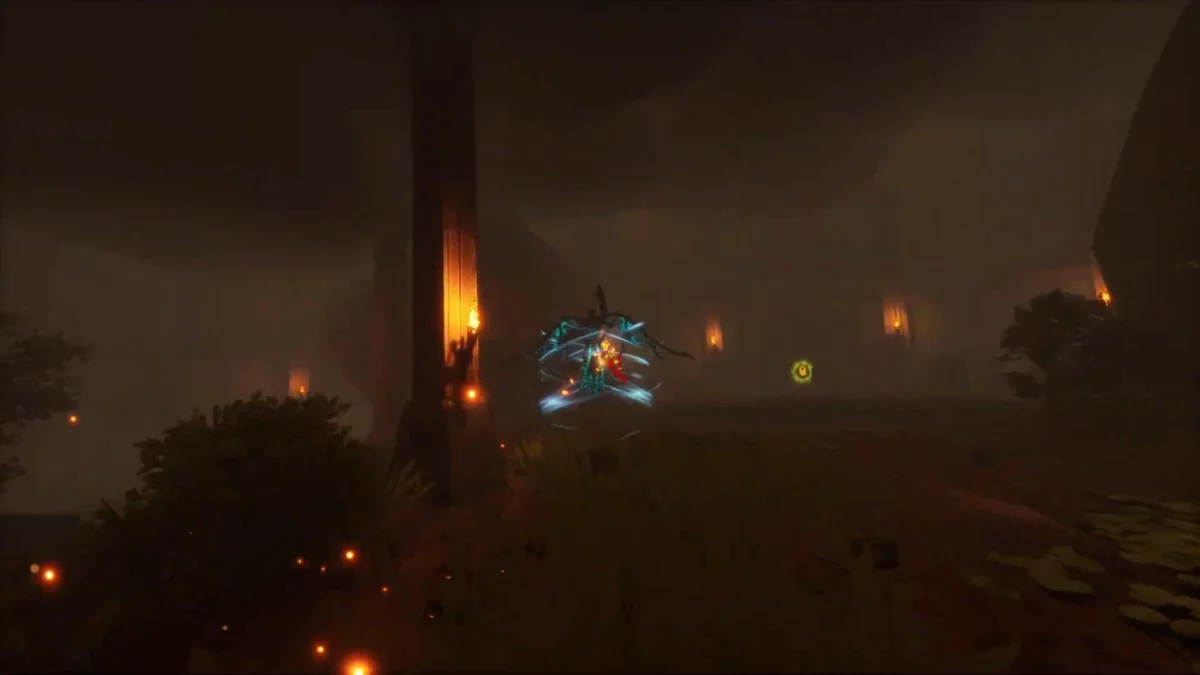
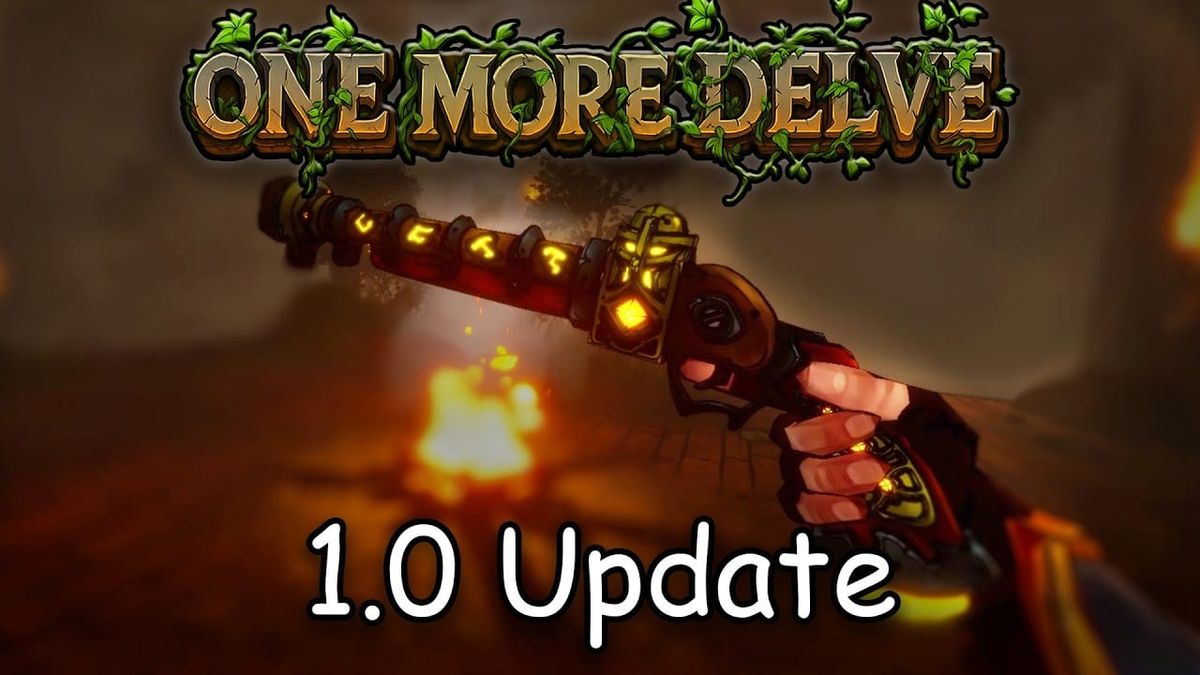
After a period of iterative refinement and community-driven development, the physics-based dungeon crawler One More Delve has officially transitioned from Early Access to a full 1.0 release. Available today on both SteamVR and Meta Quest, the title marks a significant milestone for developers looking to blend tactical, weight-based combat with the camaraderie of cooperative multiplayer. Originally thrust into the spotlight during March’s VR Games Showcase, the game has spent the last few months aggressively expanding its content library, culminating in today’s comprehensive launch update.
The Core Experience: What Is One More Delve?
At its heart, One More Delve is designed for those who find traditional "button-mashing" RPGs stale. It leans heavily into physics-based interaction, meaning that every swing of a sword, parry of a shield, or draw of a bow requires intentional physical movement. The game supports up to three players, encouraging squads to coordinate their loadouts and tactics as they navigate procedurally influenced, trap-laden dungeons.
The appeal of the title lies in its tactile feedback. In the VR space, immersion is often broken by "weightless" combat, where weapons pass through enemies without resistance. One More Delve attempts to bridge this gap by prioritizing the kinetic feel of every encounter. As players descend into the dark, the game forces them to manage their stamina, aim, and spatial awareness—a necessity when you are backed into a corner by a skeleton horde.
A Chronology of Development: From Early Access to 1.0
The trajectory of One More Delve serves as a textbook example of modern, transparent game development. Since its initial debut on April 27, the development team has maintained a rapid update cadence, keeping the community engaged through a constant stream of new assets and mechanical tweaks.
The Foundation (April 2025)
Upon its initial Early Access launch, the game offered three distinct dungeons. Even at this nascent stage, the core loop was solid. Players were immediately struck by the potential of the physics engine, though critics—ourselves included—noted that the game felt like a "diamond in the rough." Early reviews highlighted minor collision detection issues and occasional visual artifacts that hindered the otherwise immersive experience.
The Mid-Term Expansion (May 2025)
Just weeks after the initial release, the developers deployed a major content drop. This update introduced the fourth dungeon, significantly increasing the variety of the gameplay loop. Beyond the map, the May patch integrated a suite of new bosses, regular enemy types, and a wider array of weapons and armor. This update was critical, as it demonstrated that the developers were not merely fixing bugs but actively building out the world’s verticality and challenge.
The 1.0 Milestone (July 2026)
Today’s 1.0 release is the culmination of these efforts. It rounds out the experience by introducing the fifth dungeon, which brings with it a refined difficulty scaling system. This allows both casual explorers and hardcore dungeon-delvers to find a setting that matches their skill level. Additionally, the inclusion of Flintlock pistols provides a new tactical dimension to combat, forcing players to manage ammunition and reload times in the heat of battle. A fresh array of cosmetic clothes and updated weapon models rounds out the release, signaling that the game is now considered a "finished" product by the studio.
Technical Deep Dive: Combat and Mechanics
The introduction of the Flintlock pistol is perhaps the most significant change to the combat meta. In a game that has historically favored melee combat, the addition of ranged firepower introduces a "glass cannon" dynamic. Players can now engage threats from a distance, but the slow reload time of the Flintlock means that missing a shot or failing to clear space can lead to a quick death.
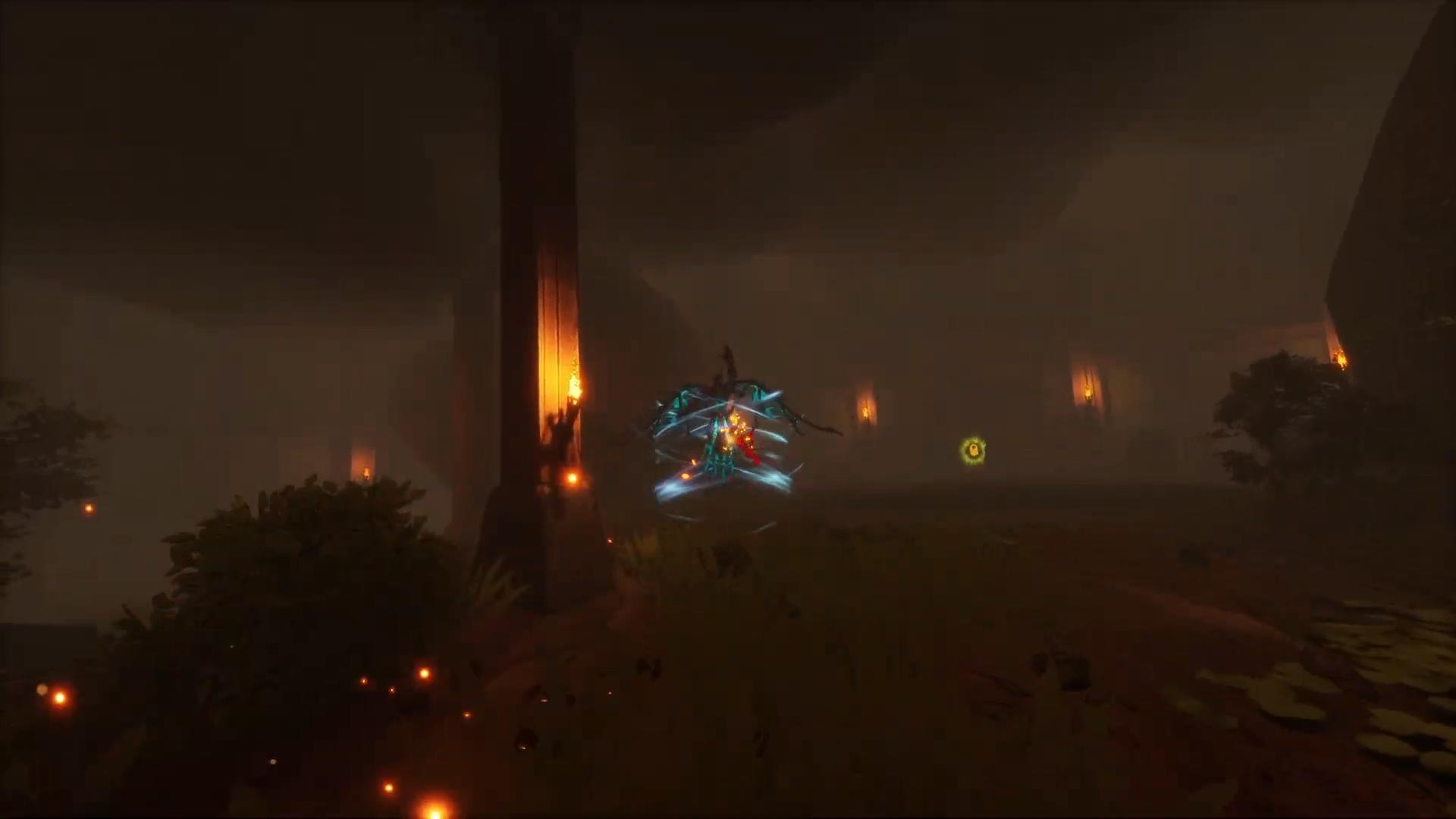
This update also brings a necessary polish to the game’s collision system. The early reports of "clunky" physics have been largely addressed through a series of under-the-hood engine optimizations. Weapons now exhibit better tracking and collision consistency, ensuring that when a player swings, the hit registers exactly where intended. This refinement is essential for a game that relies so heavily on physical immersion; when the bridge between the player’s real-world hand and the virtual avatar’s sword is tightened, the quality of life improves exponentially.
Supporting Data: Why Co-op VR Is Thriving
One More Delve sits at the intersection of two booming trends in the VR sector: the popularity of "rogue-lite" dungeon crawlers and the rise of social, cooperative gaming. According to recent market analysis, VR users are increasingly gravitating toward titles that offer "repeatable value." While narrative-driven, linear VR experiences are often completed once and shelved, dungeon crawlers with procedural elements offer a high replayability factor.
Data from the Steam storefront suggests that titles featuring co-op multiplayer see a 40% higher retention rate than their single-player counterparts in the VR space. The ability to hop into a dungeon with two friends, crack jokes over voice chat, and navigate traps creates a "living room" social dynamic that single-player games struggle to replicate. By leaning into this, One More Delve has positioned itself to maintain a healthy concurrent player base long after the initial launch hype fades.
Implications for the VR Industry
The success—and the maturation—of One More Delve has several implications for the broader VR market:

- The Viability of Early Access: The game’s journey proves that Early Access is a vital tool for smaller indie studios. By getting the game into the hands of the community early, the developers were able to identify "pain points" in the collision and visual design that might have otherwise marred a full release.
- Physics as a Pillar: As hardware like the Quest 3 continues to improve in tracking precision, physics-based combat is becoming the expected standard. One More Delve proves that you don’t need a massive AAA budget to deliver a satisfying, weight-based combat system; you simply need a clear design philosophy.
- The "Live Service" Indie Model: The move from three dungeons to five in just a few months shows a shift in how indie devs handle "full releases." Players no longer expect a game to be perfect at launch; they expect a developer to listen, iterate, and communicate.
Official Perspectives and Future Outlook
While the developers have not officially teased a "Year Two" roadmap, the 1.0 release is rarely the end of the road in the modern gaming landscape. Given the modular nature of the dungeon system, it is highly likely that we will see DLC or free seasonal updates in the future. The inclusion of new weapon models and clothing options suggests that the team is interested in long-term player progression and customization.
For those who were hesitant to dive in during the Early Access period due to the noted "rough edges," the 1.0 version is the ideal entry point. The game has transitioned from a promising prototype to a polished, feature-rich experience. Whether you are a fan of Dungeons & Dragons-style exploration or you simply enjoy the visceral satisfaction of a well-timed VR parry, One More Delve offers a robust sandbox that rewards skill and coordination.
Availability
One More Delve is currently available for purchase on the Steam store for PCVR users and via the Meta Quest Store for standalone users. The transition to 1.0 includes all previous updates, the new fifth dungeon, the Flintlock weapons, and the expanded customization options. As the VR market continues to mature, titles like One More Delve will serve as the foundation for the next generation of cooperative, physics-driven experiences. The dungeon doors are open—it is time to see if you have what it takes to survive one more delve.

