

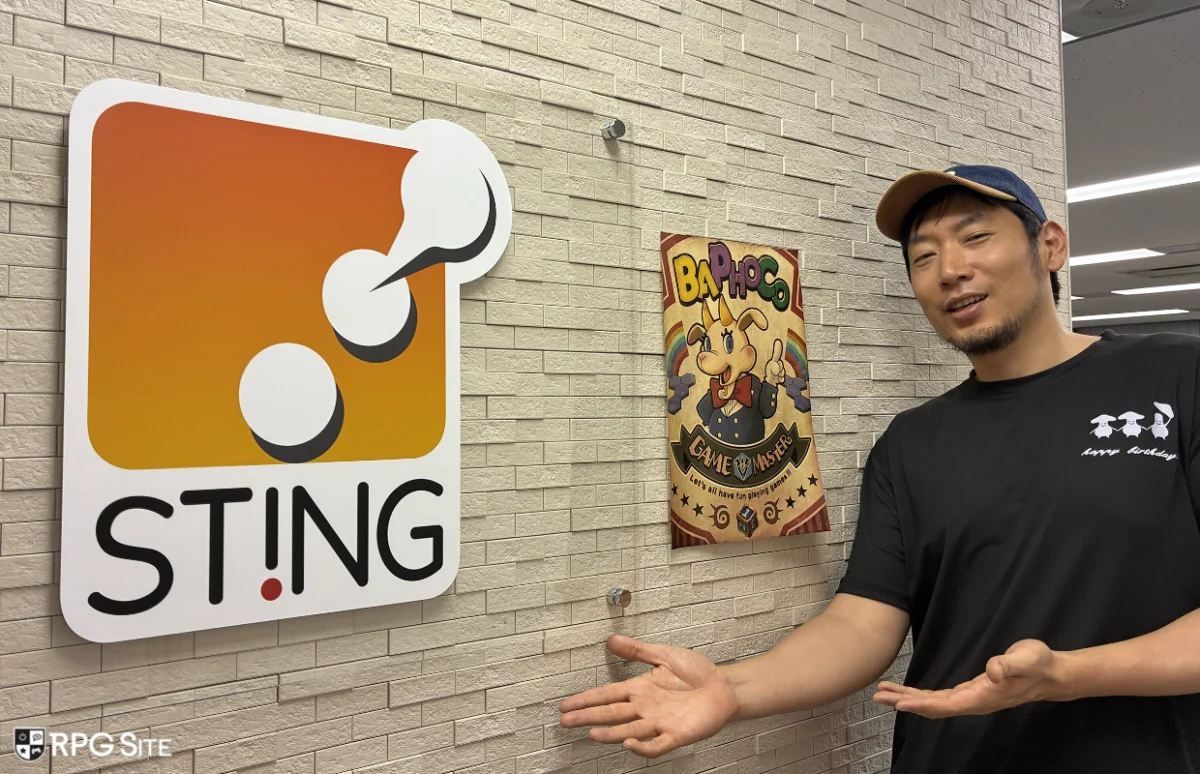
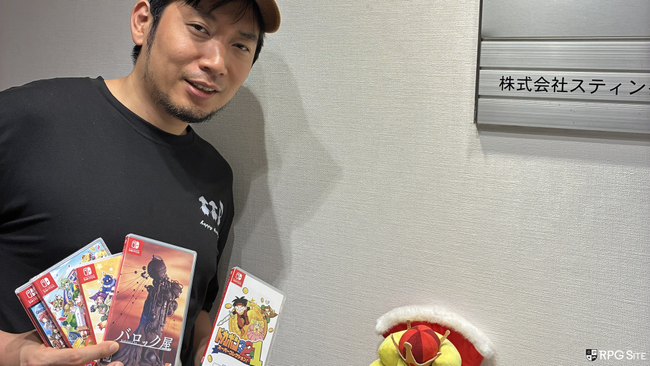
For over three decades, the Japanese developer Sting has occupied a unique niche in the gaming landscape. Known for cult classics that defy traditional genre constraints, the studio has transitioned from a behind-the-scenes developer for industry giants to an agile, self-publishing powerhouse. With the recent launch of Viractal: Will You Trust Your Party? on Steam and upcoming console ports, the studio is signaling a new era of growth. In an exclusive interview, we sat down with Watanabe, a veteran of Sting for 18 years, to discuss the company’s evolution, the shift toward global self-publishing, and the future of their beloved IPs.
The Journey from Back-Office Developer to Global Publisher
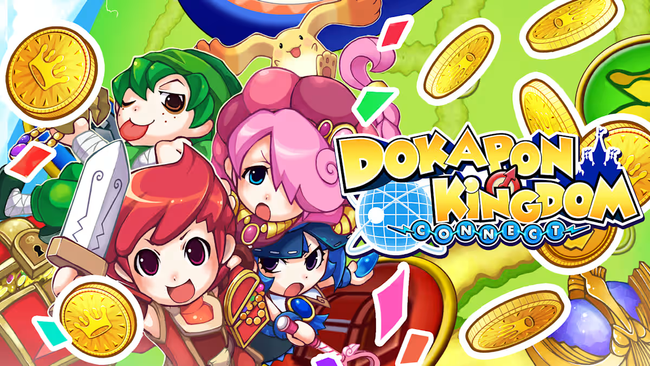
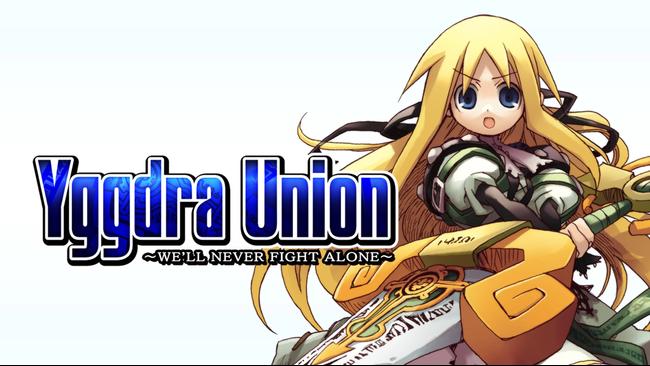
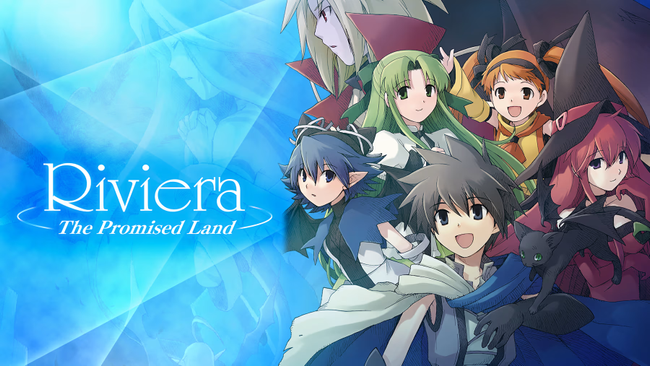
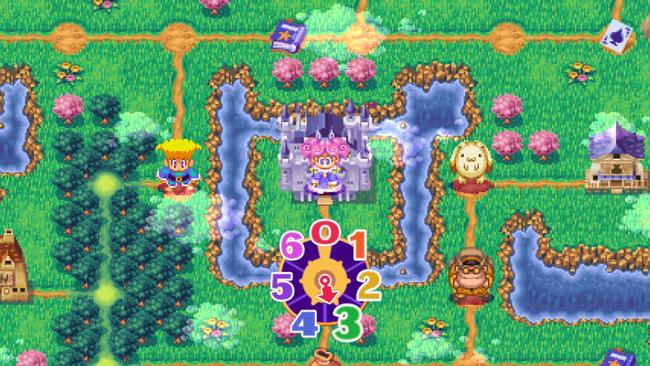
Sting’s history is defined by its adaptability. Celebrating its 37th anniversary this year, the company has pivoted multiple times, moving from shooters and RPGs to the strategy and board game hybrids that cemented their reputation. Titles like Yggdra Union: We’ll Never Fight Alone, Riviera: The Promised Land, and the infamous friendship-tester Dokapon Kingdom remain cornerstones of their portfolio.
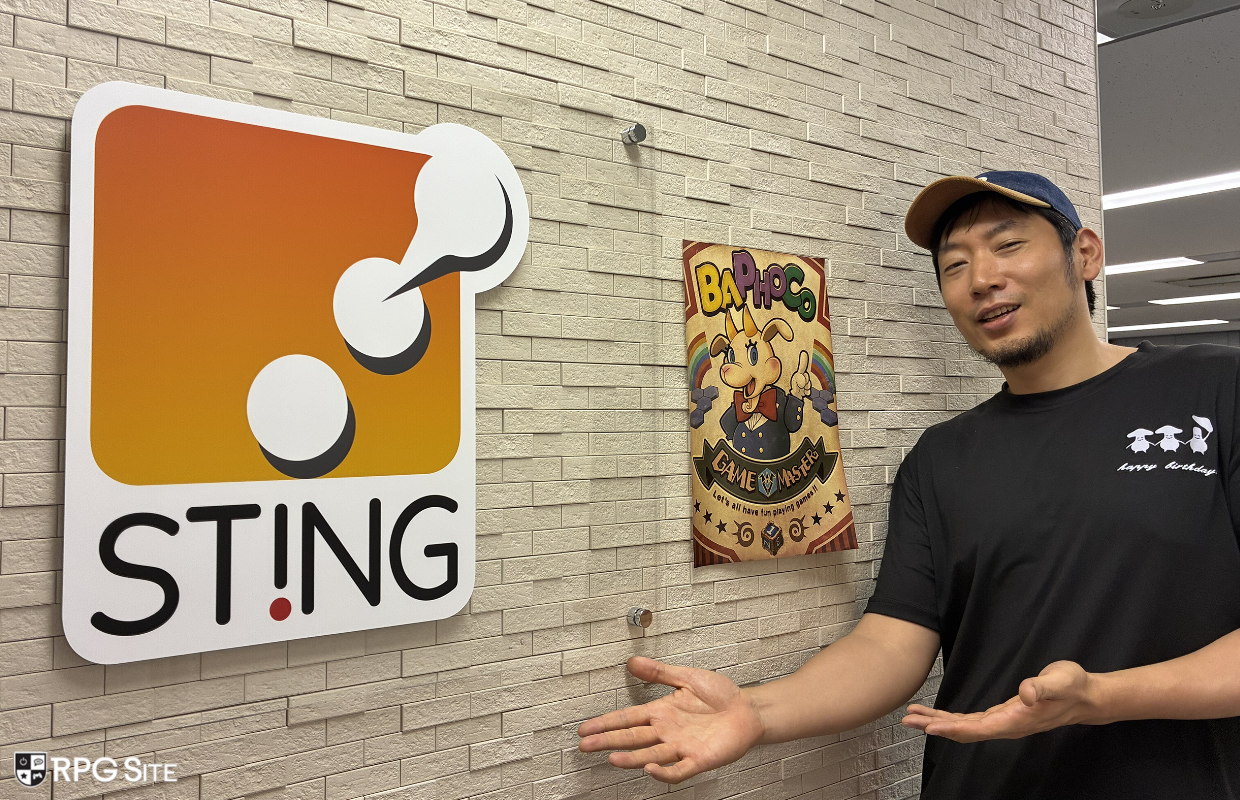
However, the path to the present was not linear. Watanabe notes that during the rapid expansion of the social gaming market, Sting temporarily shifted its focus toward smartphone titles. This period, while productive, kept them somewhat removed from the core console community. "When the console market expanded, particularly with the success of the Nintendo Switch, we decided to refocus," Watanabe explains. "We began by bringing some of our classic titles back to modern platforms and gradually increased the number of games we both developed and published ourselves."
This strategic pivot was initially cautious. Steam, in particular, was treated as an experimental frontier. Today, it stands as a cornerstone of the company’s worldwide strategy, proving that there is a massive, underserved appetite for Sting’s specific brand of "hidden masterpieces."
A Chronology of Growth: From Early Access to Global Reach
Sting’s entry into the PC market was marked by a steep learning curve. When the team first brought Yggdra Union to Steam, they opted for an Early Access model—a decision born out of necessity rather than mere strategy.
"At the time, we were entering Steam with very little knowledge of what was required," Watanabe admits. "We also didn’t have a solid understanding of the wide variety of PC hardware and software environments. We decided to release in Early Access to improve the game based on player feedback."
The results were transformative. The team received reports on everything from game-launch failures to audio glitches, providing a crash course in the nuances of PC architecture. Yet, the most striking takeaway for the team was the direct line of communication with the community. This feedback loop, which differs significantly from the older, more isolated model of releasing games on physical media, has become a core component of how Sting operates today.
Following the success of Yggdra Union, the company shifted its perspective on the global PC audience. While the Steam release arrived later than the console versions, its performance was a revelation. It moved the needle, transforming the PC gaming audience from an afterthought into a central pillar of Sting’s long-term development roadmap.
Supporting Data and The Reality of Modern Publishing
The transition to digital distribution has fundamentally changed the studio’s workflow. In the era of physical cartridges and discs, feedback came in the form of physical survey postcards, which were often months out of date by the time they reached the developers.
"Today, we can respond directly to player feedback by releasing bug fixes and gameplay adjustments in a relatively short amount of time," Watanabe says. "From a development perspective, it really feels like we’re living in a great era for making games."

However, this efficiency comes with a trade-off. The industry’s demand for speed has increased, placing immense pressure on smaller teams. Sting now faces the constant challenge of balancing their limited staff and development time against the requirement for rapid, high-quality updates.
Regarding regional pricing, Sting takes a meticulous approach. They use the Japanese retail price as a baseline and adjust according to currency fluctuations and Steam’s regional recommendations. Crucially, they remain open to player feedback. If the community signals that a price point is prohibitive in a specific market, the team reviews those comments and considers adjustments, reflecting a commitment to global accessibility that was rarely seen in the 1990s.
Official Perspectives: The Philosophy Behind the "Friendship Destroyers"
A recurring theme in Sting’s output is the "friendship-destroying" nature of their board game RPGs, particularly the Dokapon series. When asked if the studio views this reputation as a liability, Watanabe laughs, noting that it is part of the charm.
"People often describe it as a ‘friendship-destroying game,’ but the game itself never forces players to fight each other," he explains. "How you choose to play is entirely up to you. Whether those actions are good or evil, whether you reveal your true nature in front of your friends or keep it hidden—I think that’s one of Dokapon’s greatest charms."
Watanabe argues that the game isn’t just about destroying bonds; it’s about testing them. He posits that just as muscles grow stronger after the stress of exercise, a friendship that survives a heated round of Dokapon may actually emerge more resilient.
Implications for the Future: Switch 2, Localizations, and Beyond
As the industry looks toward the next generation of hardware, Sting is already contemplating the future. While they remain tight-lipped on specifics, Watanabe confirmed that the studio is interested in bringing their catalog to the rumored Nintendo Switch 2.
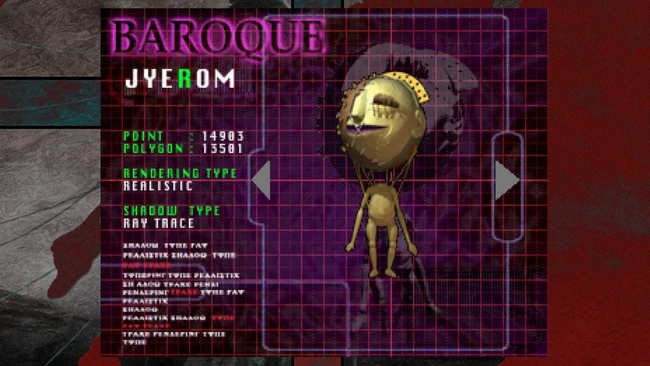
Furthermore, the studio is acutely aware of the demand for English-language versions of titles like Baroque Syndrome. While there is no concrete timeline, the team is actively monitoring fan interest, using it as a barometer for which projects to prioritize.
The question of physical releases in the West remains a point of contention for many collectors. Watanabe was clear: Sting has not received any concrete proposals from Western publishers for physical runs of their self-published titles. He issued an open invitation: "If there are any publishers out there who would be interested in making that happen, we’d love to hear from you!"
Conclusion: The "User Simulator" Mindset
Perhaps the most revealing aspect of our conversation was Watanabe’s description of his development process for Viractal. He described a constant "user simulator" running in his mind, testing every design decision against the potential reactions of the player. Having rewritten the game’s design documents over twenty times, the eventual release was less of a victory lap and more of a profound sense of relief.
In a crowded market where players have limited time and money, Sting is acutely aware that they are no longer just competing for shelf space—they are competing for the player’s emotional investment. As they continue to navigate this landscape, their focus remains on creating unique experiences that leave players feeling that their time was well spent.
For a studio that has seen the industry transition from 16-bit cartridges to global digital storefronts, Sting’s survival and recent expansion are a testament to their philosophy: listen to the fans, respect the hardware, and never stop questioning whether the game you are building is truly fun.

