

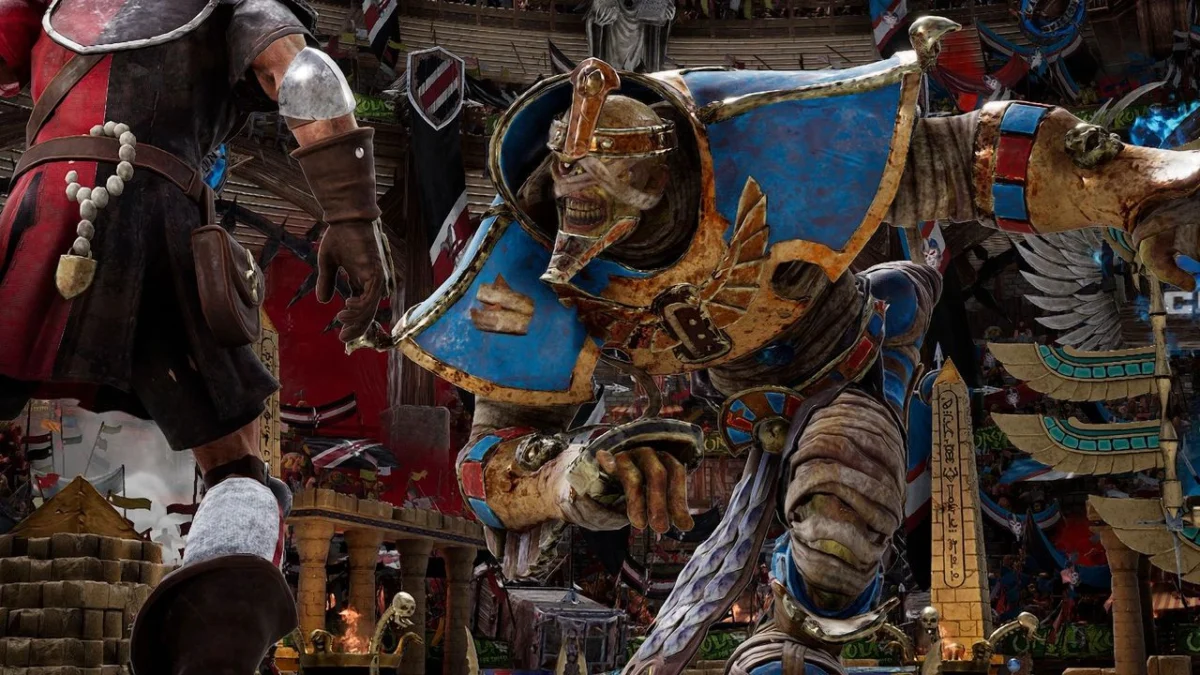
For decades, the digital adaptation of Games Workshop’s Blood Bowl has been a turbulent saga of technical ambition colliding with frustrating monetization. The series, a beloved yet punishingly complex fusion of tactical turn-based strategy and American football, has struggled to find a home that balances the depth of the tabletop original with the accessibility expected of a modern video game. Now, in a major shift for the franchise, the mantle has passed to Slitherine, a strategy powerhouse, with a pledge to transform the struggling Blood Bowl 3 into a definitive, long-term experience.
The Rocky Road: A Chronology of Digital Blood Bowl
The history of Blood Bowl on the digital pitch is one of "what could have been." The journey began in the 1990s with MicroLeague’s infamous adaptation—a title so hollowed out and lacking in substance that critics at the time noted calling it "barebones" was an insult to skeletons. It was a bleak start that left many fans skeptical of whether the frantic, violent spirit of the tabletop game could ever be successfully digitized.
The license eventually migrated to Cyanide, which managed to stabilize the series. Their efforts resulted in two adaptations that, while not without their flaws, brought the core gameplay loop to life. However, as the industry shifted toward "Games as a Service" (GaaS) models, the franchise faltered. Blood Bowl 3, published by Nacon, arrived as a contentious title. It was widely criticized for its reliance on seasonal microtransactions and a live-service framework that many felt fundamentally betrayed the spirit of the franchise. It became a poster child for the "look how they massacred my boy" school of community criticism, struggling with technical issues and a perceived lack of polish that alienated long-time veterans of the tabletop game.
The landscape changed dramatically when Nacon, the game’s publisher, filed for insolvency. This corporate pivot provided the opening for Slitherine to step in, effectively taking over the publishing duties. While Cyanide remains on board as the primary developer, the shift in leadership suggests a change in philosophy regarding the title’s long-term health.
The Strategy Specialist: Slitherine’s Vision
Slitherine is no stranger to the Warhammer universe. With successful titles like Warhammer 40,000: Battlesector and Warhammer 40,000: Gladius under their belt, they have built a reputation for supporting niche, deep-strategy games with long-term updates and meaningful content expansions.
Marco Alessandro Minoli, the Director of Publishing at Slitherine, has been vocal about the company’s intent to pivot away from the contentious live-service model of the past. "Our goal with Warhammer Blood Bowl is simple: we want this to become the definitive Blood Bowl videogame—not just at launch, but for years to come," Minoli stated. "Our vision is to support and expand it over time, turning it into a living, constantly evolving experience, just as we’ve successfully done with other Warhammer titles."
This suggests a move toward the "live game" model in the traditional sense—frequent updates, balance patches, and content drops—rather than the predatory microtransaction-heavy environment that defined the launch of Blood Bowl 3.
Technical Evolution and The "Third Season" Update
Rather than scrapping the current engine and starting from scratch, Warhammer Blood Bowl will act as a massive overhaul and re-branding of the existing Blood Bowl 3 client. This update aims to bring the digital experience into perfect alignment with the current "third season" edition of the tabletop game.
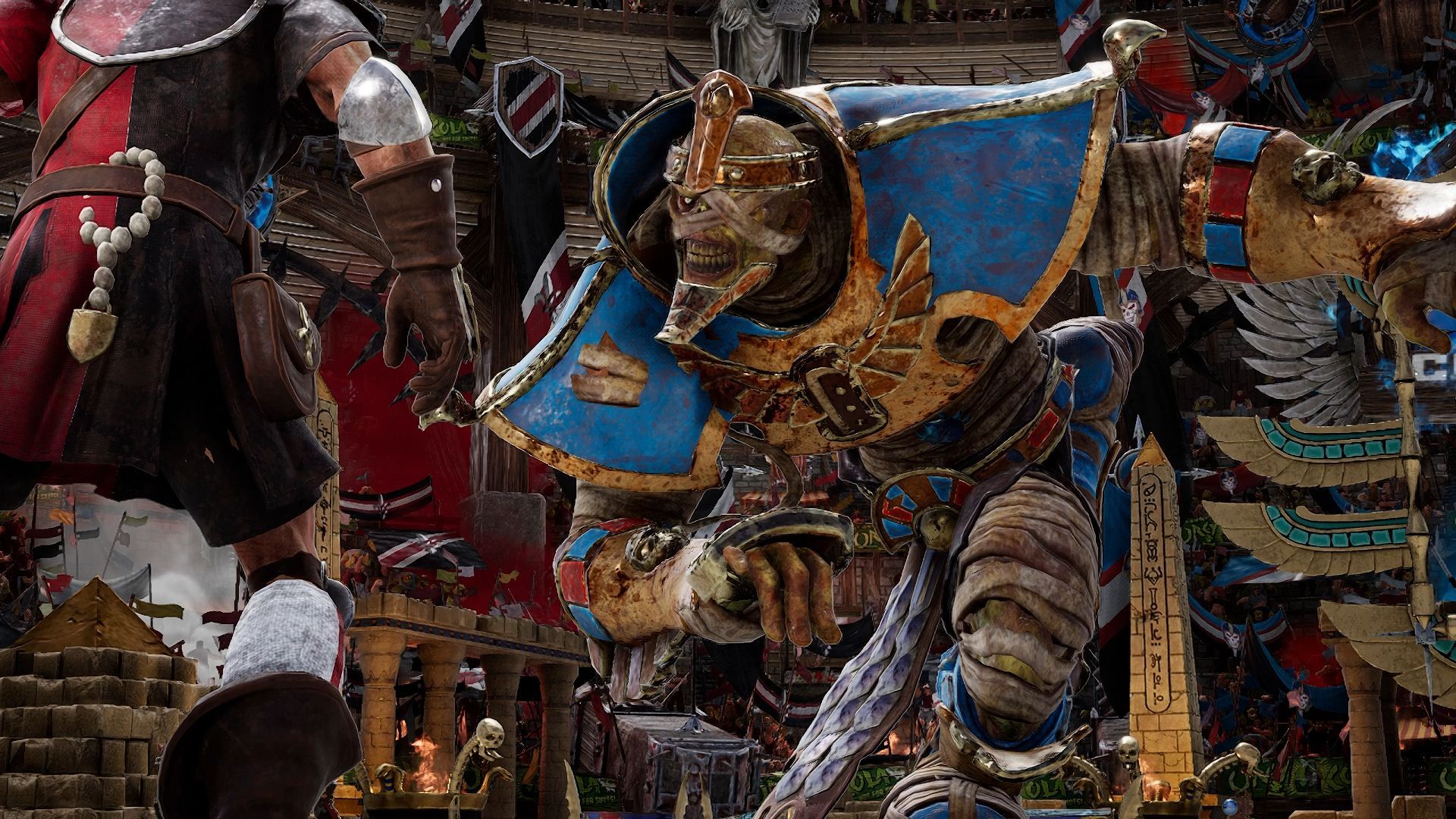
Key Features of the Upcoming Overhaul:
- New Team Additions: The update introduces two fan-favorite teams to the roster: the Tomb Kings (undead Egyptians known for their durability and lack of agility) and the Bretonnians (an ensemble of knights and peasants reminiscent of Monty Python’s French caricature).
- Rumble Mode: Perhaps the most intriguing addition is "Rumble Mode," a faster-paced, seven-a-side variation of the game. Designed to mitigate the long match times that often discourage casual play, this mode focuses on rapid scoring and chaotic physicality, making it more accessible for shorter gaming sessions.
- Community Testing: Slitherine has committed to a public demo scheduled for the end of the summer, allowing players to test the mechanics of Rumble Mode and verify the stability of the new build before the full transition occurs.
The Economic Model: Carry-overs and Continuity
Perhaps the most pressing concern for current owners of Blood Bowl 3 is the fate of their digital assets. Slitherine has confirmed that the transition will be free for existing owners of Blood Bowl 3. Crucially, any teams previously purchased and any cosmetics acquired to distinguish individual players will carry over into the new version.
However, this continuity also suggests that the core monetization strategy—purchasing individual teams as DLC—is likely to remain. For the community, this is a bittersweet reality. While the prospect of a more stable, better-supported game is enticing, the persistent need to buy additional teams and customization packs remains a point of friction. As the old saying goes in the world of tabletop gaming: "If it didn’t find a way to hurt us, it wouldn’t be Blood Bowl."
The challenge for Slitherine will be proving that these purchases are supporting a game that is actually growing and improving, rather than merely paying for access to basic functionality.
Implications for the Warhammer Community
The move by Slitherine represents a broader trend in the industry where specialized publishers are rescuing troubled IPs from larger, generalist publishers who may not understand the specific needs of the niche community.
For the Blood Bowl community, the implication is one of cautious optimism. The transition from Nacon to Slitherine is not just a change of logos on the splash screen; it is a change in the management of the title’s ecosystem. If Slitherine can successfully integrate the tabletop’s "third season" ruleset and maintain a consistent update cadence, they may succeed where others have failed.
Furthermore, the focus on the "definitive" experience suggests that the team is looking to solidify a platform that will last for years, rather than aiming for a sequel every few years. This long-term support model is essential for a game like Blood Bowl, which relies heavily on community-run leagues and persistent tournament structures.
Final Outlook
As the release window for the full transition approaches this fall, all eyes will be on the end-of-summer demo. If the "Rumble Mode" proves to be the breath of fresh air the franchise needs, and if the technical performance improvements match the promises made by the developers, Warhammer Blood Bowl could finally become the game that fans have been waiting for since the early 2000s.
It is a tall order to fix a game that carries as much baggage as Blood Bowl 3, but with Slitherine’s track record in the strategy genre, there is finally a tangible reason to believe that the gridiron of the Old World is heading toward a more stable, competitive, and enjoyable future. For now, players will have to wait for the demo to see if the game has truly turned a corner, or if it remains the same punishing, masochistic experience that has defined the series for so long.

