

When Anno 117: Pax Romana launched in 2025, the reception was, to put it mildly, polarized. For a franchise that had reached the zenith of the city-building genre with the sprawling, infinitely complex Anno 1800, the transition to the Roman era felt to many players like a step backward. Critics and long-time fans took to Steam and Reddit in droves, labeling the title "hollow," "lacking in depth," and "a shadow of its predecessor."
However, beneath the negative consensus lies a title that has quietly been building a foundation for something significant. With the arrival of its first major expansion, Prophecies of Ash, developer Ubisoft Mainz has finally begun to address these structural complaints. Far from being the disaster that initial "mostly negative" review scores might suggest, this DLC introduces a layer of volatile, high-stakes management that forces players to adapt, improvise, and—for the first time—truly fear the environment they inhabit.
The State of the Empire: Main Facts and Context
Anno 117 centers on the logistical orchestration of the Roman Empire, tasking players with managing supply chains across the Mediterranean. The core loop involves upgrading population tiers—from humble settlers to the affluent Equites and beyond—while navigating the increasingly complex demands of a growing metropolis.
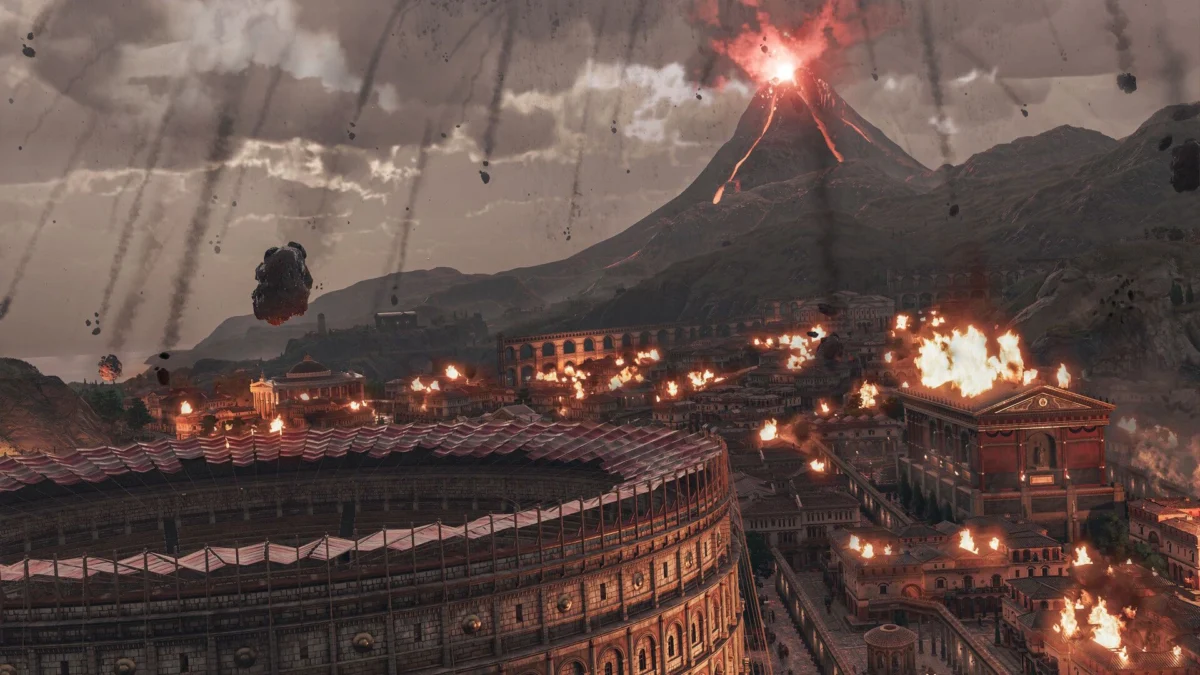
The primary criticism leveled against the base game was its predictability. Once a player optimized their trade routes and production chains, the "mid-game" felt like a slow, repetitive slog toward the late-game Patrician tier. Prophecies of Ash disrupts this status quo by introducing a natural disaster of cataclysmic proportions: the awakening of a dormant volcano.
This is not merely a cosmetic event. It acts as a mechanical catalyst, forcing players to stockpile resources, manage volcanic winters, and interact with new, esoteric factions. The expansion effectively turns the game’s primary weakness—a lack of mid-game pressure—into its greatest strength.

A Chronology of Chaos: The Volcanic Lifecycle
To understand why Prophecies of Ash changes the gameplay loop so fundamentally, one must look at how the volcano dictates the player’s schedule.
The Buildup
The volcanic activity remains dormant until the player reaches a specific threshold: the cultivation of 500 Equites. This design choice is critical; it grants the player agency, allowing them to build their empire at their own pace. Once this population milestone is hit, the player is gently nudged into the DLC’s core loop: preparation. The game introduces new quests requiring the hoarding of food and the strategic restriction of luxury goods.
The Eruption (Occasus)
When the volcano, dubbed "Occasus," finally erupts, the game shifts from a city-builder into a survival-management hybrid. The event is devastating:
- Infrastructure Collapse: Fire safety ratings plummet, forcing players to choose which districts to prioritize for protection.
- Environmental Decay: Acid rain strips the landscape of vegetation, and agricultural productivity is slashed to 25% for the duration of the volcanic winter.
- Unrest: With basic needs unmet and the air thick with ash, the population becomes volatile, making civil disorder a constant threat.
The Rejuvenation
After the winter passes, the land experiences a cycle of rebirth. The ash, while destructive in the short term, eventually rejuvenates the soil, providing a post-eruption boost to agriculture and creating deposits of obsidian—a vital new resource.
Supporting Data: Why the Strategy Matters
The brilliance of Prophecies of Ash lies in how it forces the player to break the "set-it-and-forget-it" trade routes that defined the base game.

In the vanilla experience, players rarely needed to worry about deep-stockpile management. In the expansion, if you have not aggressively hoarded supplies before the eruption, your city will face a mass exodus of citizens. This creates a "Frostpunk-lite" sensation—a brief, high-stress period that rewards players who planned ahead.
Furthermore, the introduction of the Prophetess Caecillia and the island of Cinis adds a layer of trade-driven progression. Players can exchange obsidian for specialized citizens—workers who can unlock resource fertility on land that would otherwise be barren. This effectively solves the "small island syndrome," where players previously struggled to justify settling minor outposts because they lacked the infrastructure to support a diverse population. With the new "porridge kitchen" technology, players can now maintain functional, low-maintenance colonies to extract resources without needing to build massive, complex cities from scratch.
Official Responses and Developer Intent
Ubisoft Mainz has remained relatively quiet regarding the "hater" consensus, choosing instead to let the gameplay updates speak for themselves. However, the design of Prophecies of Ash suggests a clear acknowledgment of the community’s feedback. By focusing on "mid-game structure" and "logistical variety," the developers have signaled that they are listening to the critique that the game felt empty.
In recent dev diaries, the team highlighted that the goal of the expansion was to introduce "dynamic threats" that force players to interact with the map in ways that aren’t just about outputting more goods. By making the environment an active participant in the city-building process, the developers are attempting to bridge the gap between the casual strategy fan and the "hardcore" Anno veteran who craves the punishing complexity of Anno 1800.
Implications: The Future of Anno 117
Does Prophecies of Ash solve every problem? No. The tech tree remains a mixed bag. While the porridge kitchen and volcanic mining operations are excellent additions, some production chains still feel disconnected from the broader economy. Specifically, the prestige system—the mechanic that governs the use of statuettes—remains somewhat underutilized. Currently, prestige is primarily a vehicle for recruiting specialists, but it lacks the weight and meaningful influence over city governance that one might expect from a Roman-themed game.
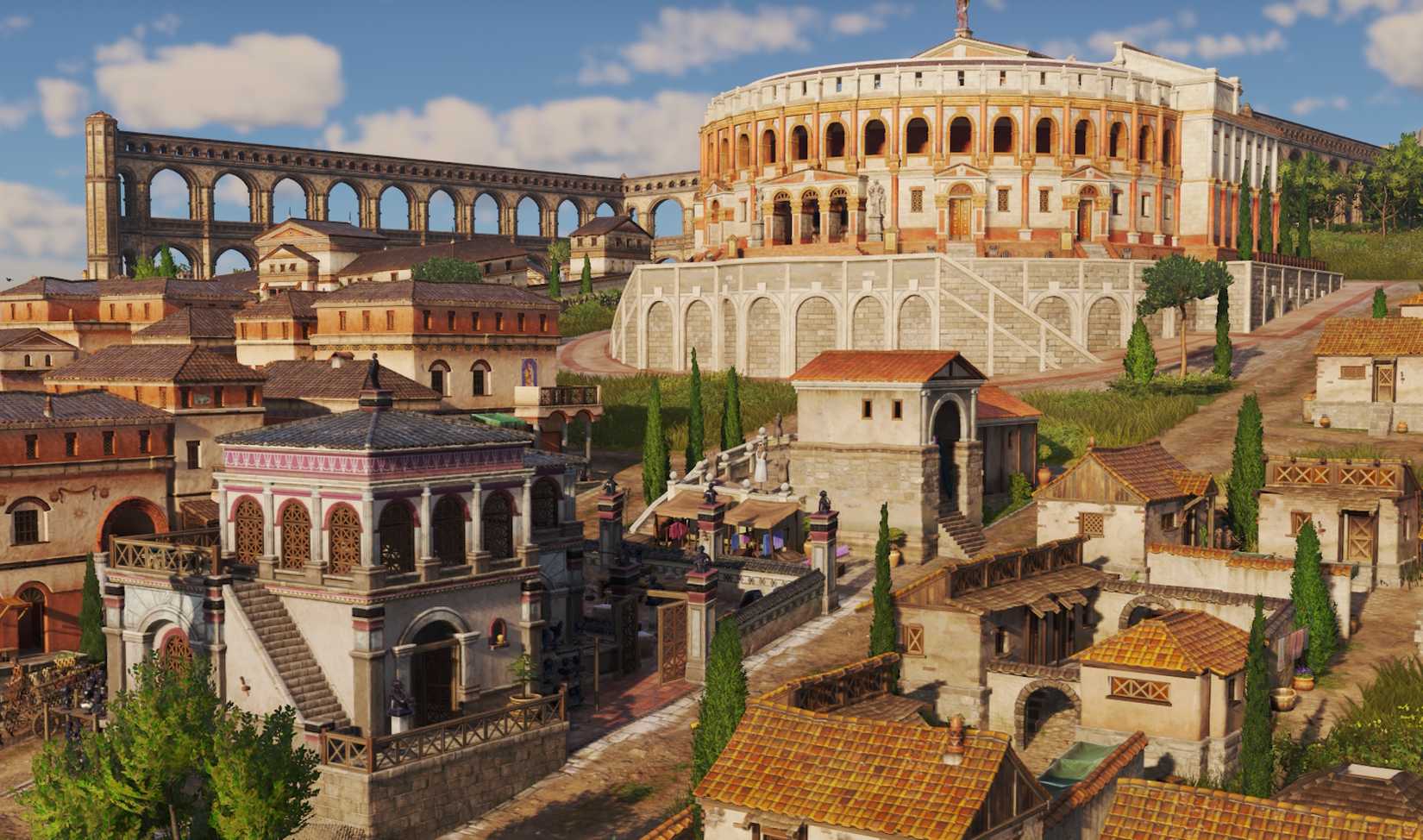
However, the implications for the future are bright. Prophecies of Ash proves that the engine powering Anno 117 is capable of supporting more than just traditional supply chain management. It has opened the door for environmental hazards, narrative-driven faction quests, and high-stakes economic crises.
For those who abandoned Anno 117 early on, the game today is significantly more robust than the version that launched in 2025. The "empty" feeling has been replaced by a sense of impending danger, and the monotonous logistics of the mid-game have been replaced by the frantic, rewarding struggle for survival.
If you are a fan of city-builders, particularly those that lean into the "management under duress" sub-genre, it is time to revisit the Roman empire. The volcano may be causing chaos, but for the first time, Anno 117 feels like it has a soul. The fires are burning, the ash is falling, and for once, the game is exactly as interesting as it promised to be.

