

The insatiable hunger of the Artificial Intelligence industry for hardware resources has long been a defining narrative of the current technological epoch. From the early days of GPU scarcity to the ongoing struggle for High Bandwidth Memory (HBM), the industry has consistently demonstrated that demand outpaces supply. Now, a new frontier in this resource competition is emerging: NAND flash storage.
With the unveiling of Nvidia’s next-generation "Rubin" AI data center platform, the market is bracing for a tectonic shift in memory consumption. The introduction of Context Memory Storage (CMX) technology—a high-speed, scalable storage layer—is expected to place unprecedented pressure on global NAND supply chains, with industry analysts predicting a surge in demand that could rival the consumption of entire consumer tech ecosystems.
The Core Development: What is CMX?
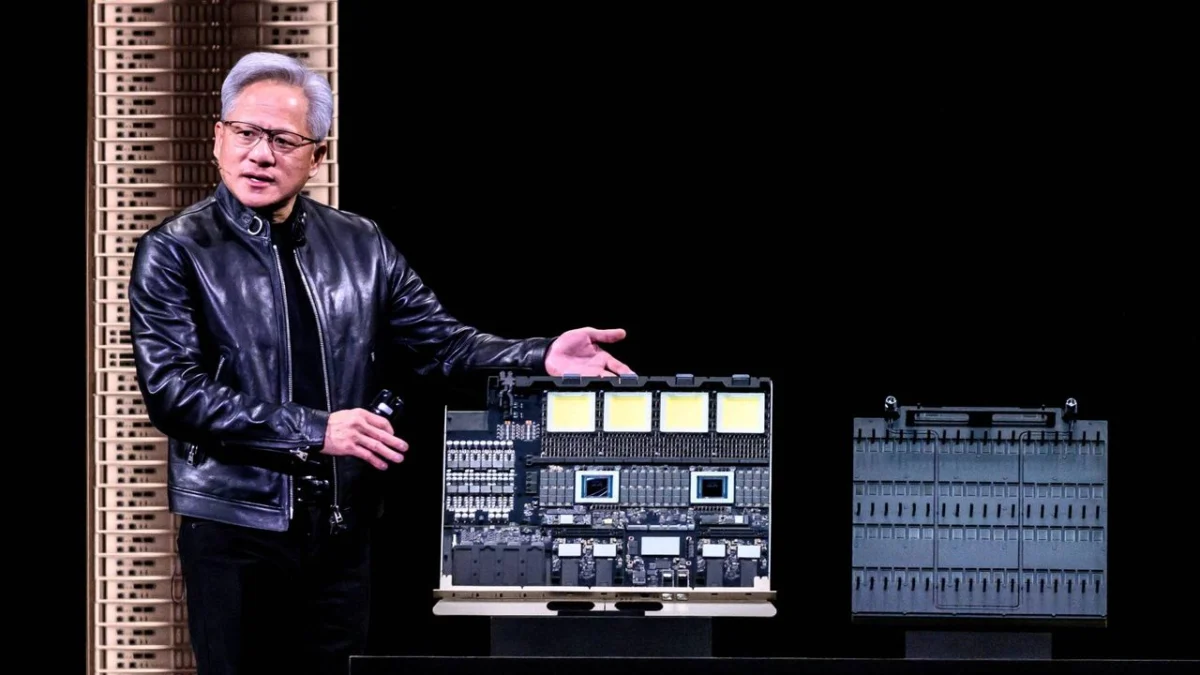
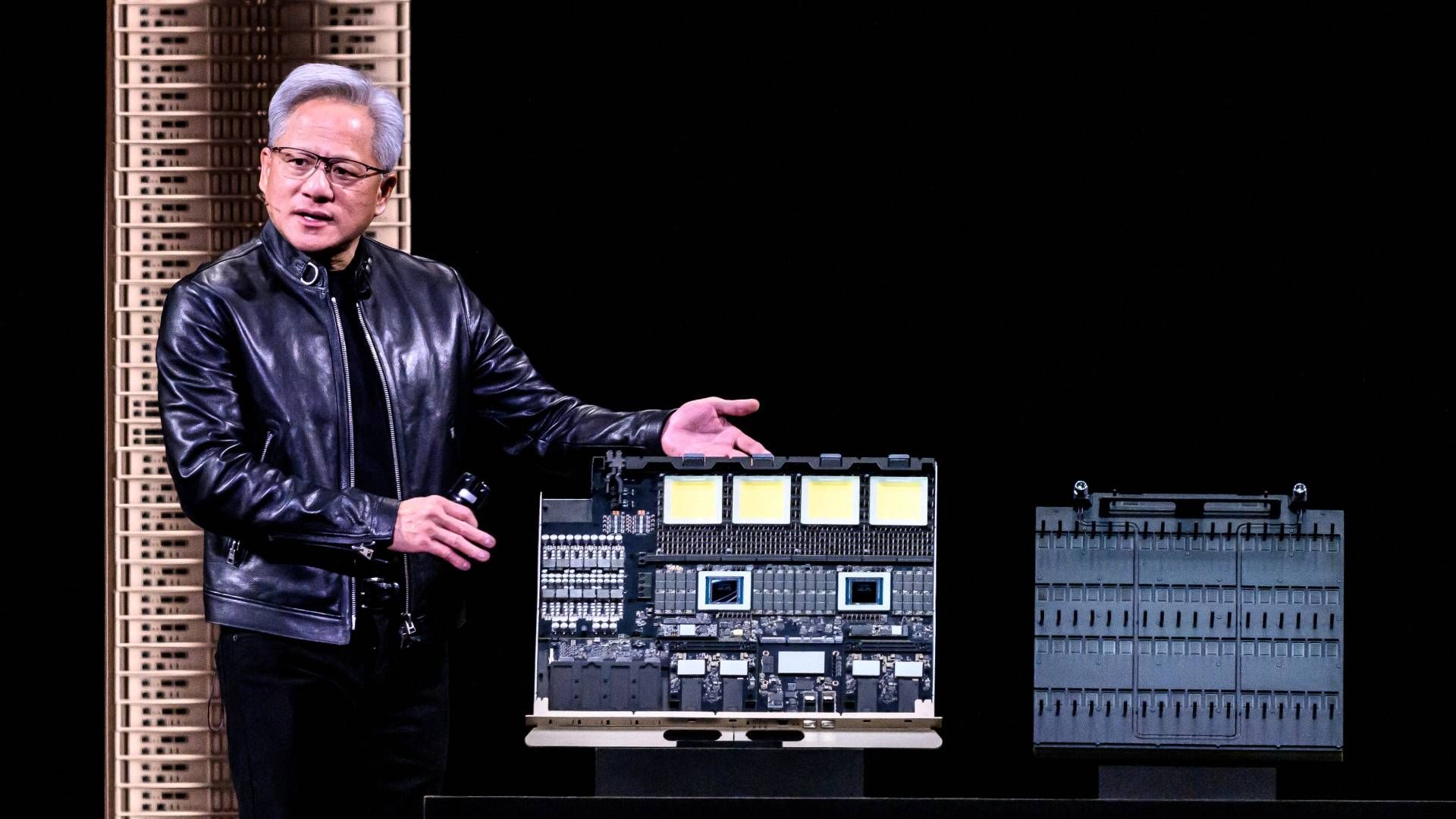
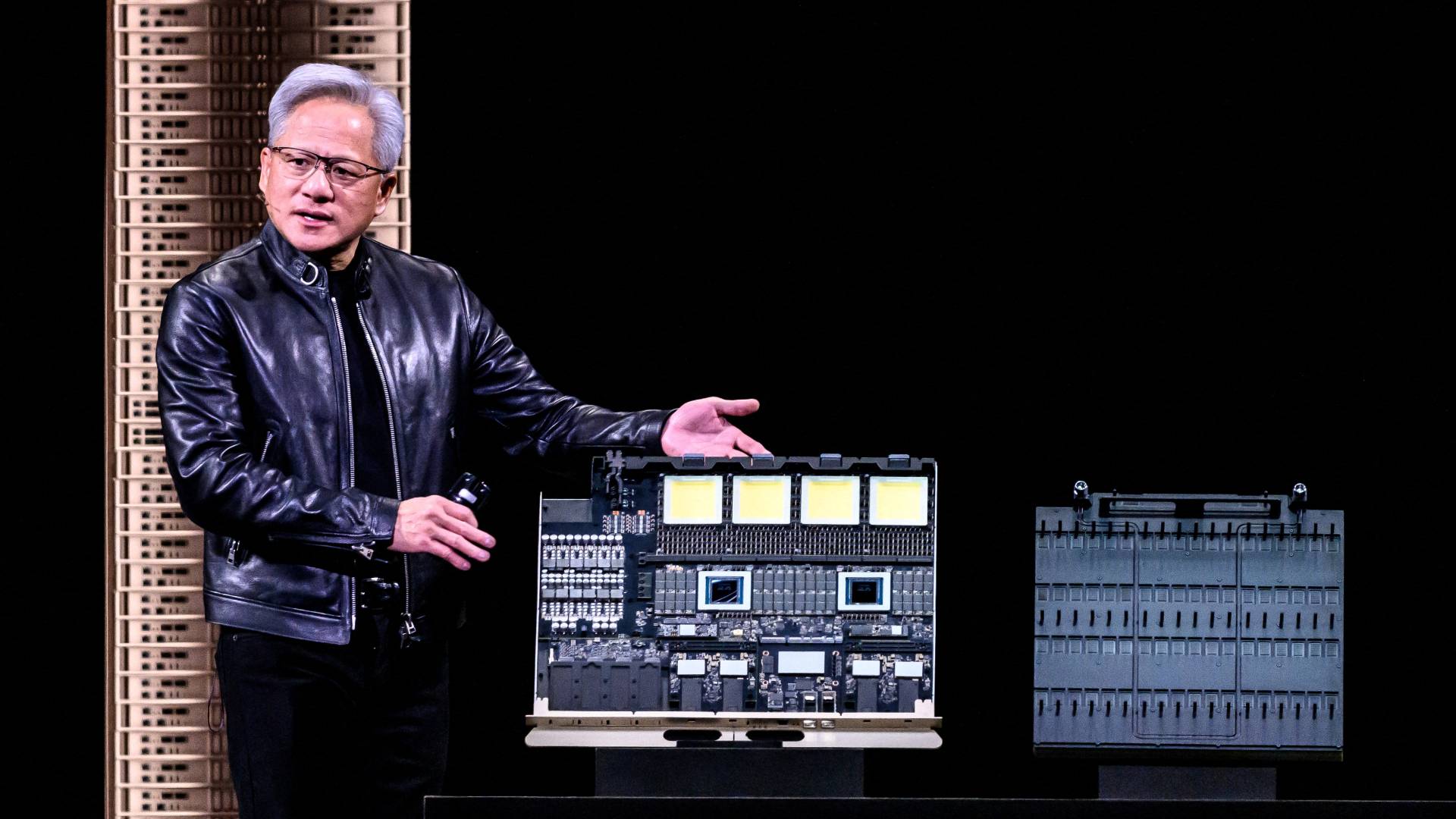
At the heart of the latest GTC 2026 announcements lies the Rubin architecture, an expansive ecosystem designed to push the boundaries of what AI data centers can process. While much of the focus historically remains on GPU compute power and HBM capacity, Nvidia’s new CMX (Context Memory Storage) tech represents a strategic pivot toward solving the "bottleneck of distance" in data retrieval.
CMX is designed to bridge the gap between volatile, ultra-fast HBM—which is expensive and limited in capacity—and traditional, slower long-term storage. By utilizing high-speed connectivity through Nvidia’s Spectrum-X Ethernet, CMX allows AI accelerators to access massive datasets with significantly reduced latency. In essence, it acts as a high-performance buffer, ensuring that the Rubin GPU architectures are never starved of data.
However, this performance leap comes at a cost of volume. A single CMX unit is reportedly equipped with 576 solid-state drives (SSDs), offering a total storage capacity of 9,600 TB. As these units are deployed across the massive hyperscale data centers that define the current AI landscape, the collective requirement for NAND flash will climb into the hundreds of millions of terabytes.
A Chronological Perspective on Memory Demand
To understand the severity of the current trajectory, one must look at the rapid evolution of memory demand over the last thirty-six months:
- 2023: The HBM Awakening: The AI boom shifted focus to HBM, causing supply shortages as manufacturers like SK Hynix and Samsung pivoted production lines away from standard DDR5 to satisfy the urgent needs of the generative AI sector.
- 2024: The Storage Bottleneck: As LLMs grew in parameter size, the industry realized that compute power was useless if the underlying data could not be fed into the chips quickly enough. This realization sparked the development of tiered storage solutions.
- 2025: Validating Alternative Sources: Component manufacturers began aggressively validating NAND products from emerging suppliers—including those in China—to stave off an impending global supply crunch.
- 2026: The Rubin Era: The announcement of the Rubin architecture signals that the industry is moving from "experimental AI" to "industrial-scale AI." The massive scaling of CMX units confirms that storage is no longer a peripheral concern but a core component of the compute architecture.
Supporting Data: The Scale of the "Sponge" Effect
Industry analysts are already grappling with the implications of the CMX rollout. Estimates suggest that the demand for NAND required for CMX alone will surge from 35 million TB in the current year to over 100 million TB by the end of next year.
To place this figure in perspective, industry analyst Jukan has noted on social media that the scale of this increase is roughly equivalent to adding another "Apple-sized" source of demand to the global NAND market. For the uninitiated, Apple’s annual consumption of flash storage for its iPhones, iPads, and MacBooks represents one of the single largest and most consistent demand streams in the semiconductor industry.
If the AI sector—led by the deployment of Rubin servers—effectively creates a secondary "Apple-sized" hole in the global NAND supply, the pressure on pricing and availability will be immense. Samsung, which is currently positioning itself as a primary supplier for these high-density enterprise storage needs, is likely to prioritize these high-margin, high-volume contracts over the volatile and lower-margin consumer market.
Official Responses and Industry Sentiment
While the technical specifications of Rubin and CMX are a triumph for Nvidia’s engineering team, the leadership in the memory sector is displaying a mix of opportunistic excitement and cautious concern.
SK Hynix leadership recently addressed the "memory crisis," noting that there are inherent limits to how much prices can be raised before they begin to stifle the growth of the AI industry itself. However, these sentiments appear to be more reflective of long-term strategic stability than short-term relief for the consumer.
The prevailing consensus among market analysts is that the "AI tax"—the premium paid for memory and storage components—is here to stay. Major memory manufacturers are currently operating under a "capacity allocation" model. When a massive hyperscale provider signs a multi-year, multi-billion dollar contract for CMX-ready NAND, the supply earmarked for consumer-grade SSDs and retail memory kits is inevitably redirected.
For the average hardware enthusiast or consumer, this means the era of "cheap storage" is likely suspended for the foreseeable future. Even as production yields improve and new manufacturing facilities come online, the sheer scale of the Rubin rollout is projected to absorb any surplus capacity as quickly as it can be produced.
Implications: The Consumer in the Shadow of the Data Center
The ripple effects of the Rubin architecture will be felt far beyond the confines of the data center. The most immediate impact will be felt in the retail sector, where SSD prices have already shown signs of volatility tied to enterprise demand.
1. The Erosion of Consumer Priority
Historically, the consumer PC market was a primary driver for NAND innovation. Today, the roles have reversed. The server room is the "primary customer," and the consumer market is essentially the recipient of surplus capacity. If demand from data centers remains at the forecasted 100 million TB per year for CMX, manufacturers have little incentive to lower prices for the retail sector.
2. The Shift in SSD Technology
As the focus shifts toward massive-scale storage for AI, we may see a stagnation in the development of consumer-facing storage technologies. R&D budgets at companies like Samsung, Micron, and Western Digital are being funneled into high-reliability, high-throughput enterprise NAND that meets the demanding specs of the Rubin platform. Innovations that benefit gamers or creative professionals—such as power efficiency or cost-per-gigabyte optimization—may take a backseat to the performance metrics required for AI training.
3. The Supply Chain "Bottleneck"
The push to diversify NAND sourcing, including increased reliance on Chinese memory manufacturers, is a direct response to this fear of shortage. However, as Nvidia and other tech giants continue to demand the highest quality and volume of storage, the validation process for these "alternative" suppliers will remain slow. This ensures that the global market remains tight, leaving consumers vulnerable to price spikes whenever a major supply disruption occurs.
Conclusion: A New Hardware Reality
The unveiling of the Rubin platform and its CMX technology is a watershed moment in the history of the digital age. It confirms that we are entering a phase where the infrastructure of AI is no longer limited by how fast we can calculate, but by how fast we can move, store, and access the massive volumes of data required to feed these models.
While the advancement is undoubtedly impressive from an engineering standpoint, it serves as a stark reminder of the cost of innovation. The "sponge" that is the AI industry is currently soaking up the world’s supply of memory and storage, leaving the rest of the technology ecosystem to compete for the remaining droplets. As we look toward the deployment of Rubin servers later this year, it is clear that the hardware landscape has been irrevocably altered. The age of AI is here, and it is hungry for every gigabyte we can produce.

