

By Francesco Cacciatore
Published July 22, 2026
The identity of Magic: The Gathering (MTG) has always been defined by its adaptability. Since its inception in 1993, the game has evolved from a niche card game into a global powerhouse, spanning countless planes, stories, and mechanics. However, in recent years, the expansion into the "Universes Beyond" branch—which brings external intellectual properties like Fallout, Doctor Who, and various superhero franchises into the Magic ecosystem—has sparked a spirited, often polarized, debate among the player base.
While these collaborations have undeniably fueled record-breaking commercial success for Hasbro and Wizards of the Coast, they have also left a vocal segment of the community wondering: What is Magic anymore? As the game shifts from its high-fantasy roots to encompass everything from urban settings to science-fiction landscapes, designers are now stepping forward to clarify the game’s "creative center" and provide a roadmap for the future.
The Tension Between Universes Beyond and Tradition
The core criticism of the Universes Beyond initiative is rarely about the quality of the card mechanics, but rather the disruption of the "Magic aesthetic." For long-time players, Magic is characterized by high-fantasy tropes: wizards casting spells in ancient libraries, knights charging into battle against dragons, and landscapes filled with mana-soaked ley lines.
When external IPs are introduced, this aesthetic is frequently challenged. The visual contrast between a traditional Magic legendary creature and a modern-day superhero swinging through a metropolitan skyline can feel jarring. It breaks the "immersion" that many players feel is essential to the Magic experience.
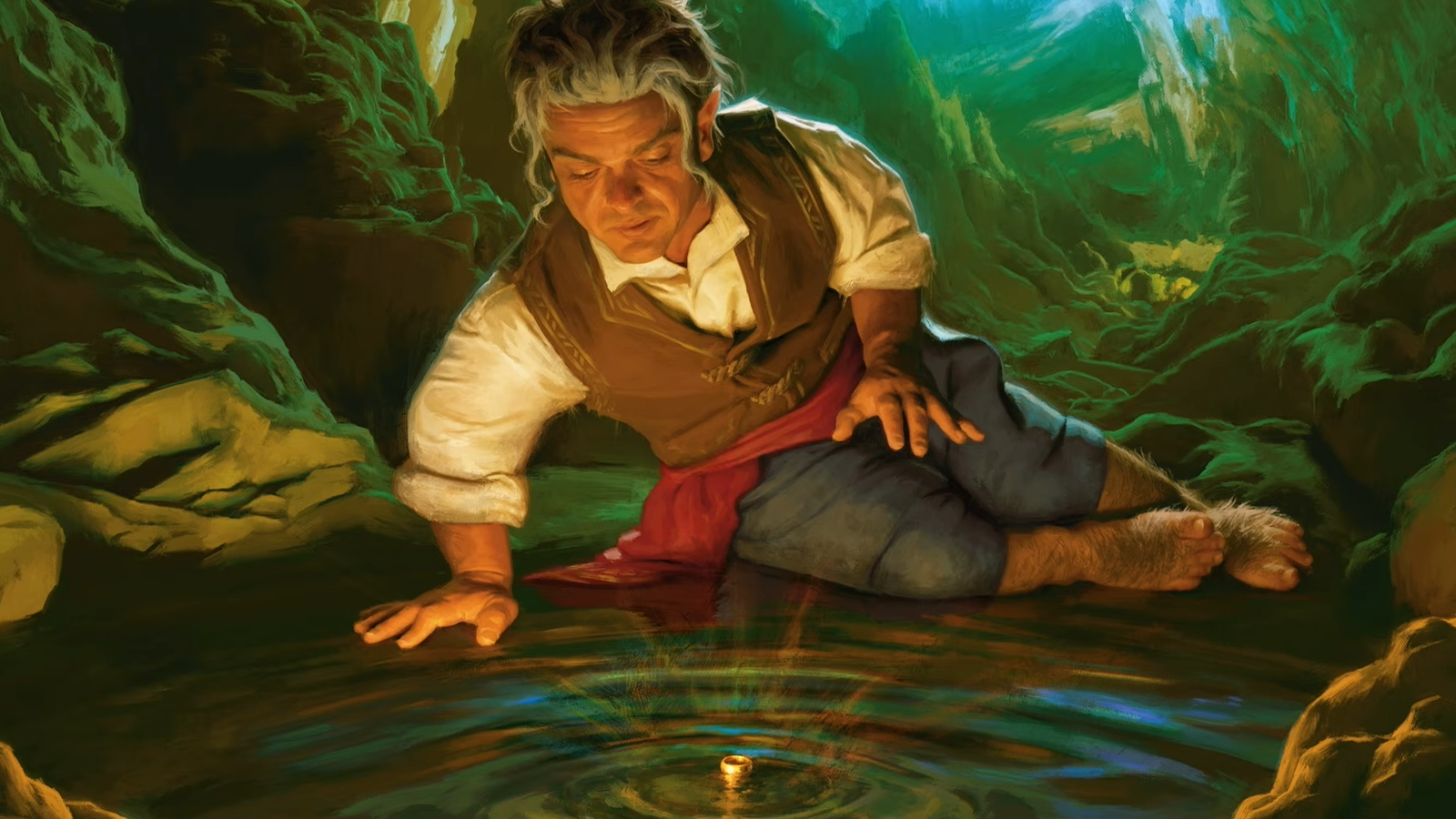
Yet, the data tells a different story regarding popularity. The Lord of the Rings: Tales of Middle-earth and the Final Fantasy sets serve as the gold standard for how to integrate external IPs. Because these worlds share a thematic DNA with Magic—swords, sorcery, epic scale, and ancient myths—they were embraced by the community with near-universal acclaim. They didn’t just feel like "Magic cards"; they felt like Magic expansions that happened to be set in a different world.
Chronology of a Shifting Strategy
To understand where Magic is heading, one must look at how the design philosophy has shifted over the last few years:
- Pre-2020: Magic was almost exclusively focused on its own internal "Multiverse," building deep lore across dozens of original planes.
- 2021-2023: The launch of Universes Beyond. Initial experiments (like The Walking Dead Secret Lair) were met with mixed reactions, but the concept proved highly profitable.
- 2023: The Lord of the Rings: Tales of Middle-earth shattered sales records, proving that high-fantasy external IPs were the "sweet spot" for the brand.
- 2024-2025: An aggressive expansion into various pop-culture genres, including modern-day settings and sci-fi. During this period, player feedback began to coalesce around a desire for a return to fantasy roots.
- 2026 (Present): Wizards of the Coast signals a strategic pivot, emphasizing "fantasy-adjacent" partnerships and reaffirming the high-fantasy aesthetic as the game’s core anchor.
The "Creative Center": A Pendulum Metaphor
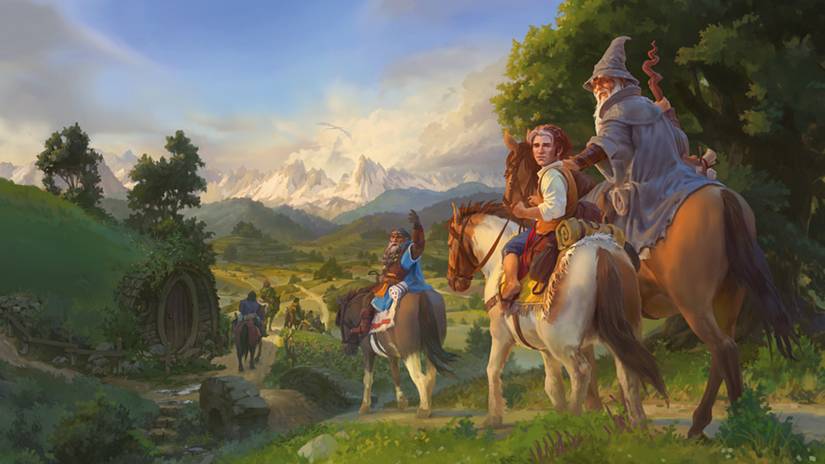
During a pivotal Q&A panel at MagicCon Amsterdam 2026, Principal Designer Gavin Verhey addressed the elephant in the room. He emphasized that the upcoming The Hobbit set, launching this August, is a direct response to the community’s desire for a more cohesive aesthetic.
"I think that’s why The Lord of the Rings and The Hobbit are such a natural fit for Magic: The Gathering," Verhey stated. "For The Hobbit specifically, a lot of our internal testing during development showed that fans wanted to see that ‘Magic house style’ apply to a lot of the cards."
This sentiment was echoed by Head Designer Mark Rosewater. When asked to define the immovable pillars of Magic—the elements that survive regardless of how many external IPs are brought in—Rosewater highlighted a surprising, yet grounding, reality.

"I use the metaphor of a pendulum: It swings and goes in different directions, but there is a default state, a center," Rosewater explained. "Creatively, that center is high fantasy. Even though we keep trying different things, our home, our center is fantasy."
Supporting Data: Why "Fantasy-Adjacent" Matters
The financial performance of Magic has been inextricably linked to the Universes Beyond brand, but the recent earnings calls from Hasbro indicate that the company is listening to the qualitative data provided by its players.
CEO Chris Cocks, speaking to investors during the most recent quarterly earnings report, made a point to address the future of these partnerships. "The one thing I’ll say on the Universes Beyond partners that we have next year is they’ll probably be a bit more fantasy-adjacent," Cocks noted. "And I don’t think any of them will take place in New York City because we definitely have gotten that feedback from some fans."
This admission is significant. It demonstrates that the design pipeline—which typically operates years in advance—is being actively adjusted to align with the "creative center" mentioned by Rosewater. The "New York City" comment serves as a clear acknowledgment that the modern-day, urban aesthetic of certain sets was perhaps too far a departure from the game’s core identity.
Implications for the Future of Magic
What does this mean for the average player? First, it suggests a more curated approach to future collaborations. While Magic will not abandon Universes Beyond, the selection process for these partnerships will likely prioritize worlds that align with the high-fantasy aesthetic—settings that emphasize swords, magic systems, and mythic creatures rather than guns, modern technology, or urban environments.
Second, the "pendulum" metaphor suggests that Magic is comfortable playing in the space of innovation as long as it has a place to return to. The "Multiverse" sets will continue to serve as the baseline for what Magic is, providing a constant stream of original lore that reinforces the fantasy identity of the game.
Finally, the dialogue between Wizards of the Coast and its community has entered a more mature phase. The company’s willingness to acknowledge "feedback from some fans" indicates that the design team is not operating in a vacuum. They understand that the longevity of Magic depends on balancing the excitement of novelty with the comfort of tradition.
Conclusion: Reclaiming the Identity
As we look toward the remainder of 2026 and into 2027, the outlook for Magic: The Gathering is one of a brand re-centering itself. By leaning into the "fantasy-adjacent" collaborations and committing to the high-fantasy core, Wizards of the Coast is attempting to bridge the gap between commercial expansion and community expectations.
The lesson from this period of rapid growth is clear: While Magic can adapt to any world, it must never lose its own. Whether the pendulum swings toward the vast landscapes of Middle-earth or the deep, dark dungeons of a new plane, the game remains, at its heart, a fantasy experience. For fans who feared that the identity of the game was being eroded by an endless stream of pop-culture crossovers, the recent comments from leadership provide a much-needed assurance. Magic may explore the multiverse, but its home will always be the world of high fantasy.

