

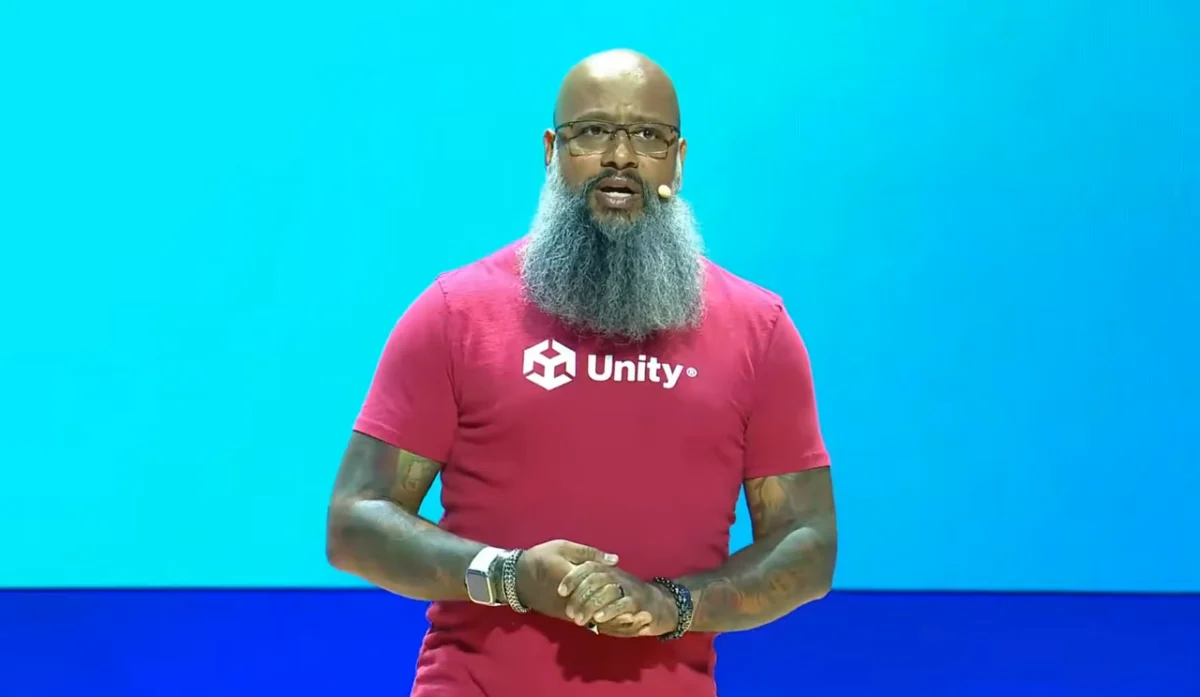
In a development that signals a seismic shift in game development philosophy, Unity Technologies has successfully demonstrated a game engine running natively within a rival’s architecture. During the Unite Seoul 2026 keynote, the company unveiled a technical proof-of-concept showing a Unity-developed project rendering and simulating within Unreal Engine. This milestone marks the most significant step yet toward the realization of an interconnected "metaverse"—a vision long championed by Epic Games CEO Tim Sweeney.
The Technical Breakthrough: A Shared Foundation
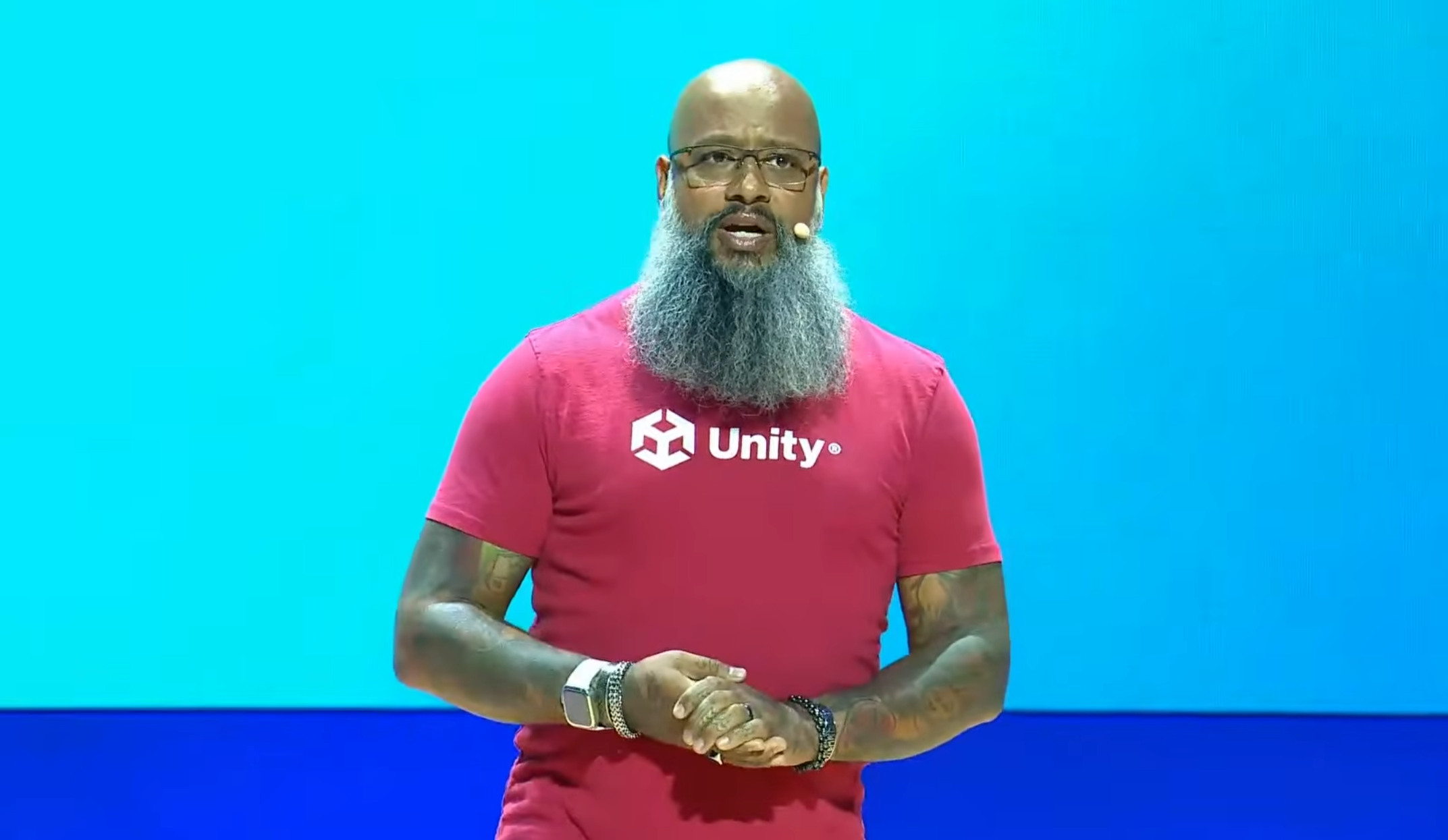
The demonstration, titled "Fantasy Kingdom," showcased a Unity-based simulation operating in real-time inside the Unreal Engine environment. James Stone, Unity’s senior director of technical product management, emphasized that this was not a video stream or a pre-rendered cinematic; it was a live, synchronized exchange of data.
"This is not live in Fortnite yet, but it shows what’s possible for a shared foundation," Stone stated. The demonstration went beyond mere rendering. The showcase featured an Unreal Engine-native avatar navigating a Unity-built world, with physics, lighting, and player inputs fully synchronized across both engines. By bridging the gap between Unity’s versatile development framework and Unreal’s high-fidelity rendering pipeline, the two companies are effectively challenging the long-standing "walled garden" approach to game development.
Chronology of a Collaboration
The roots of this technical convergence trace back to early 2025, when Unity and Epic Games first signaled a thawing of their historically competitive relationship.
- Q1 2025: Initial discussions between Unity and Epic Games regarding "engine-agnostic" content delivery are held behind closed doors.
- Q3 2025: Unity announces a preliminary partnership with Epic Games aimed at streamlining the pipeline for developers to port assets into the Fortnite ecosystem.
- July 21, 2026: The official public demonstration at Unite Seoul proves the technical feasibility of cross-engine operation, confirming that physics and input data can be bridged in real-time.
- 2027 (Projected): Unity plans to launch the official integration into early access, allowing developers to leverage the Unreal Engine backbone within Fortnite while utilizing Unity’s toolsets.
The Visionary Push: "Connect All the Engines!"
The reaction from the industry was immediate. Epic Games CEO Tim Sweeney, who has been an outspoken advocate for an open, interconnected gaming ecosystem, took to social media to celebrate the demo with a succinct, enthusiastic decree: "Connect ALL the engines!"
Sweeney’s strategy has long been focused on the "metaverse"—not as a singular product, but as a persistent, shared digital space where content is portable and platform-agnostic. In recent discussions, Sweeney has argued that the gaming industry has reached a point of maturity where the benefits of interoperability far outweigh the short-term gains of proprietary exclusivity. "It’s now clear that nobody’s going to end up with an absolute monopoly," Sweeney noted in a recent interview. "The value of connecting is higher for everybody than remaining separate."
Supporting Data: Unity 7 and the Future Roadmap
The demonstration coincided with the roadmap reveal for Unity 7, the next major iteration of the engine. Scheduled for release in 2027, Unity 7 is designed to be "engine-ready" for the new era of connectivity.
Key features highlighted in the roadmap include:
- Advanced Rendering Pipelines: Enhanced compatibility layers designed to translate Unity-native assets into high-performance environments like Unreal.
- Generative AI Integration: A new protocol designed to interface with AI coding agents, allowing developers to automate the creation of complex, cross-engine logic.
- Monetization Infrastructure: Simplified tools for in-game purchases and digital storefronts that remain functional regardless of the underlying engine.
- Collaboration Protocols: Cloud-based syncing tools that allow developers to work on shared assets from different engine environments simultaneously.
Implications for the Gaming Industry
The ability to run a Unity game inside Unreal Engine has profound implications for developers, studios, and the future of consumer gaming.
1. Breaking the Platform Lock-in
For years, choosing an engine was a high-stakes decision that locked a studio into a specific workflow, set of physics, and rendering limitations. If a studio could "port" their work into another engine without a total rewrite, the cost of development and the risk of engine obsolescence would drop significantly. This could lead to a more fluid job market for developers and more robust long-term support for games that need to transition between technical generations.
2. The Fortnite Factor
By enabling Unity developers to publish content directly into Fortnite, Epic Games is cementing its position as the de facto "Metaverse Operating System." Fortnite is no longer just a battle royale game; it is an engine for games-within-games. By opening its doors to Unity developers, Epic is inviting thousands of studios to populate its ecosystem with content, thereby exponentially increasing the library of experiences available to its millions of daily users.
3. The End of "Engine Wars"
For decades, the "Unity vs. Unreal" debate has been a cornerstone of developer discourse. While competition will remain, the focus is shifting from "which engine is better" to "how can these engines communicate." This collaborative spirit reflects a broader trend in software development—the move toward modularity and open standards, similar to how web developers use various frameworks that all ultimately output to a standard browser environment.
Challenges and Skepticism
Despite the excitement, technical experts remain cautious. Synchronizing physics engines is notoriously difficult; even minor differences in floating-point math between two different engines can lead to desynchronization in multiplayer environments. Furthermore, performance overhead remains a question. Rendering a game within another engine is computationally expensive, and it remains to be seen if this method can maintain the high frame rates and low latency required for competitive gaming.
However, the demonstration in Seoul serves as a proof-of-concept that these hurdles, while significant, are not insurmountable.
Conclusion: A New Era of Development
As Unity 7 approaches its 2027 release, the industry is entering a new phase of maturity. The partnership between Unity and Epic Games is not merely a business deal; it is a fundamental shift in how digital worlds are built. By prioritizing connectivity, these companies are moving away from the era of isolated islands and toward a vast, interconnected ocean of digital content.
For the end user, this means that the boundaries between games will continue to blur. A character, a skin, or a game mode created in Unity could soon exist seamlessly within the Fortnite ecosystem, powered by the technical prowess of Unreal. As Sweeney and his counterparts at Unity continue to tear down the walls, the question for the industry is no longer what an engine can do for its users, but what it can do for the broader digital ecosystem.
The "Connect All the Engines" initiative is just the beginning. Whether it succeeds in creating a true metaverse remains to be seen, but one thing is certain: the era of the isolated game engine is coming to a close.

