

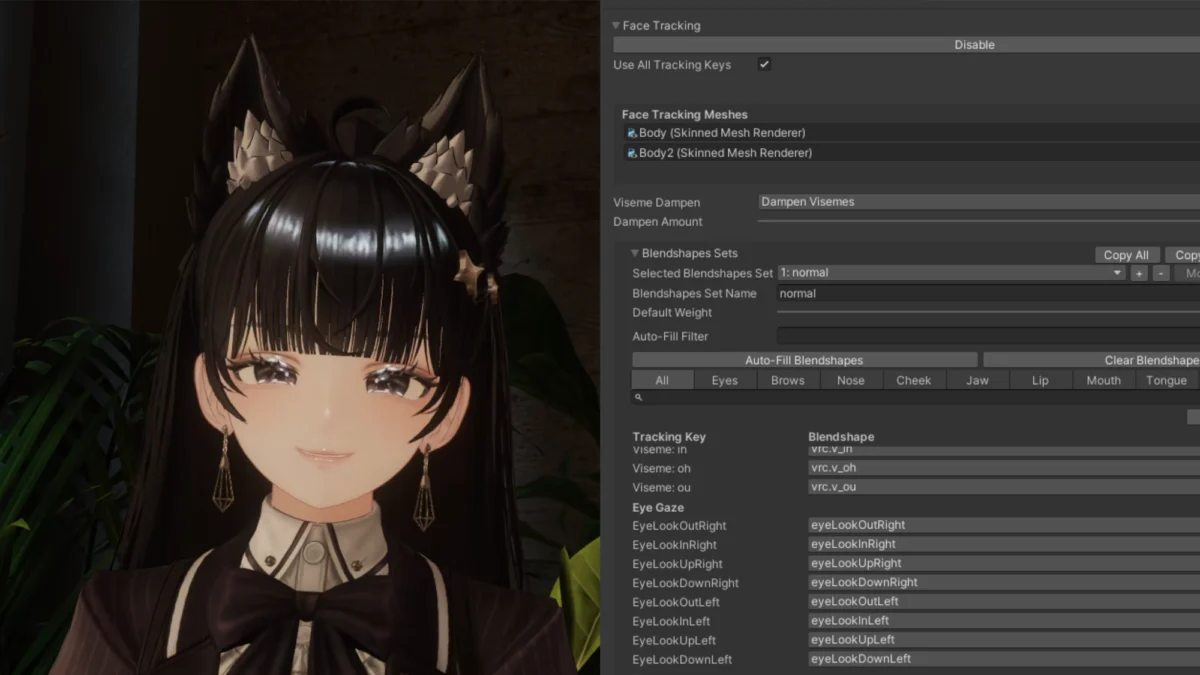
SAN FRANCISCO — In a milestone update that promises to permanently reshape digital self-expression, social virtual reality titan VRChat has officially rolled out native Software Development Kit (SDK)-level face-tracking support. Available now through the platform’s latest Open Beta client on Steam and Avatars SDK Version 3.10.6-beta.1, the feature bridges a long-standing gap in virtual reality: effortless, high-fidelity, and optimized facial animation synchronization without the historic headache of complex third-party app configurations.
For years, bringing life-like expressions to digital avatars meant relying on a patchwork of external software and community-engineered solutions. Today’s rollout marks a definitive evolution, signaling VRChat’s commitment to making advanced social immersion a standard, plug-and-play experience for creators and everyday users alike.
Main Facts: What the VRChat Native Face Tracking Update Changes
At its core, the new update transitions face tracking from a community-hacked novelty to a core, first-class citizen of the VRChat ecosystem.
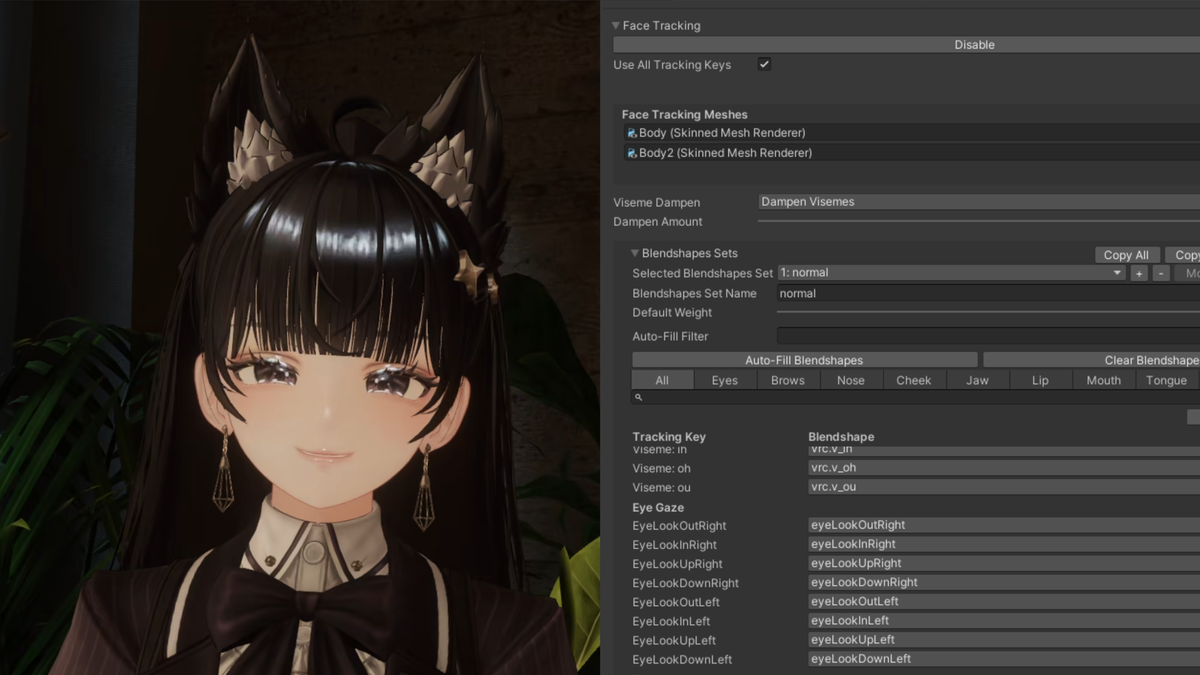
Previously, users wishing to stream their real-world smiles, frowns, and blinks onto their avatars had to lean heavily on OSC (Open Sound Control) protocols and the incredible, albeit intricate, community-made VRCFaceTracking (VRCFT) application. Avatars lacked native architecture for full facial tracking; creators had to painstakingly configure custom add-ons, parameters, and animation controllers just to get basic movement working. Without these modifications, an avatar’s facial data was largely restricted to rudimentary gaze tracking and basic eyelid movement.
The newly released Open Beta client and Avatars SDK 3.10.6-beta.1 introduce what VRChat initially coined "High Fidelity Face Tracking." The headline features of this release include:
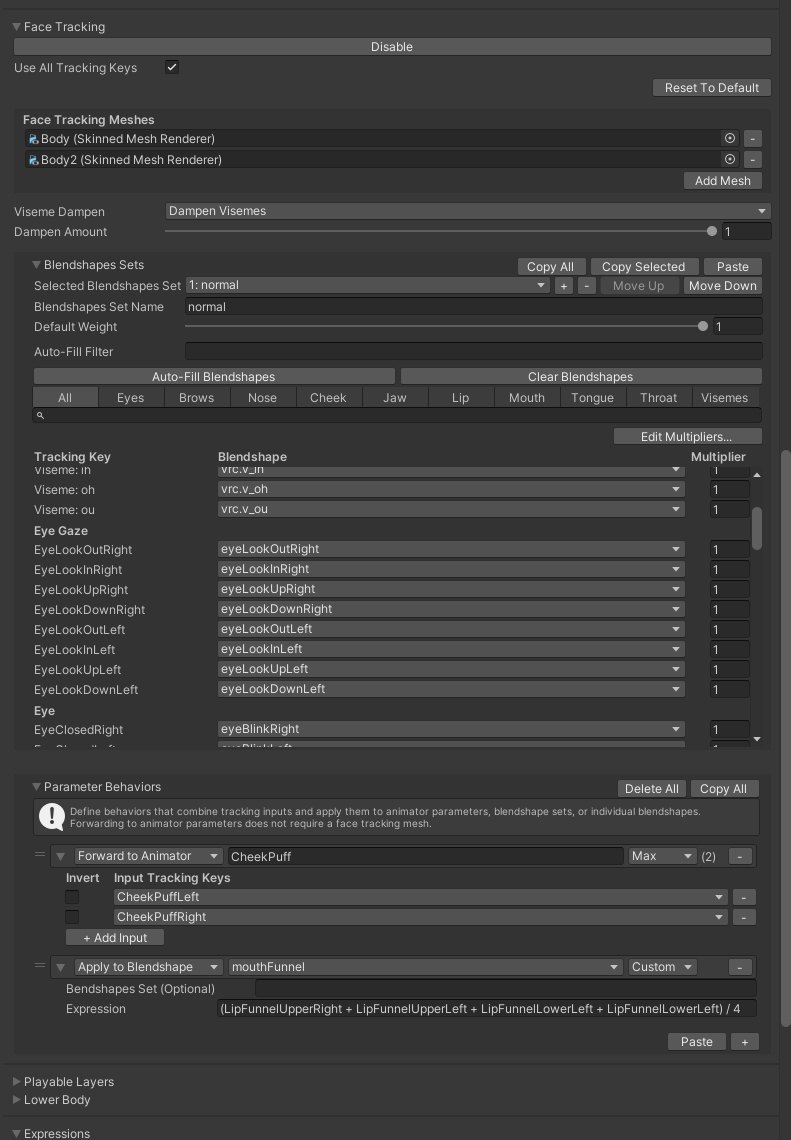
- Dedicated Authoring Tools: A brand-new dedicated section has been integrated directly into the Avatar Descriptor component, streamlining how creators map facial expressions to blendshapes and animator parameters.
- Unified Expressions Standard: The system natively supports the Unified Expressions standard established by the VRCFT ecosystem, ensuring broad compatibility with existing tracking pipelines.
- Deep Platform Integration: Native tracking seamlessly blends with VRChat’s pre-existing audio-driven visemes (lip-syncing), eye-look mechanics, and eyelid behaviors.
- Network Synchronization Without Parameter Tax: Perhaps the most technically impressive feat is that the system facilitates network-synced face tracking without drawing from the avatar’s limited synced parameter budget.
This parameter exemption is a monumental win for optimization. On paper, it translates to a significantly reduced synced parameter load across crowded instances, highly consistent facial expressions visible to other users regardless of their optimization settings, and an overall boost in client-side performance.

Chronology: The Journey to Native Integration
The path to native face tracking has been a gradual evolution driven by community ingenuity and iterative platform development.
- The OSC Era (The Foundation): For years, community developers led the charge in social VR tracking. Utilizing tools like VRCFaceTracking alongside OSC data streams, enthusiasts with specialized headsets (such as the Meta Quest Pro) could stream facial telemetry to VRChat. However, this required deep technical knowledge, custom avatar re-rigging, and heavy utilization of limited avatar parameter budgets.
- Closed Beta Testing: Recognizing the massive demand for streamlined social cues, VRChat initiated a closed beta testing phase. During this period, platform developers worked closely with prominent community creators, specialized riggers, and technical minds—such as prominent developer Hash and the core VRCFT team—to refine the SDK architecture and stress-test performance impacts.
- The Open Beta Launch: VRChat pushed the feature into the public eye via the Steam Open Beta client alongside Avatars SDK Version 3.10.6-beta.1. Almost immediately, proactive creators like Hash updated their popular Booth avatar packages (such as the Lumina and Lapwing models) to feature native beta variants, letting early adopters test the waters immediately.
Supporting Data and Ecosystem Integration
While the engineering behind the SDK is robust, its success relies heavily on hardware ecosystems and bridging software.
Supported Input Methods
VRChat’s native face tracking is built to be flexible, accommodating multiple input sources:
- Direct OSC and VRCFT Pipelines: Users with dedicated face-tracking hardware can continue utilizing OSC methods, paired with the latest beta release of VRCFaceTracking on Steam.
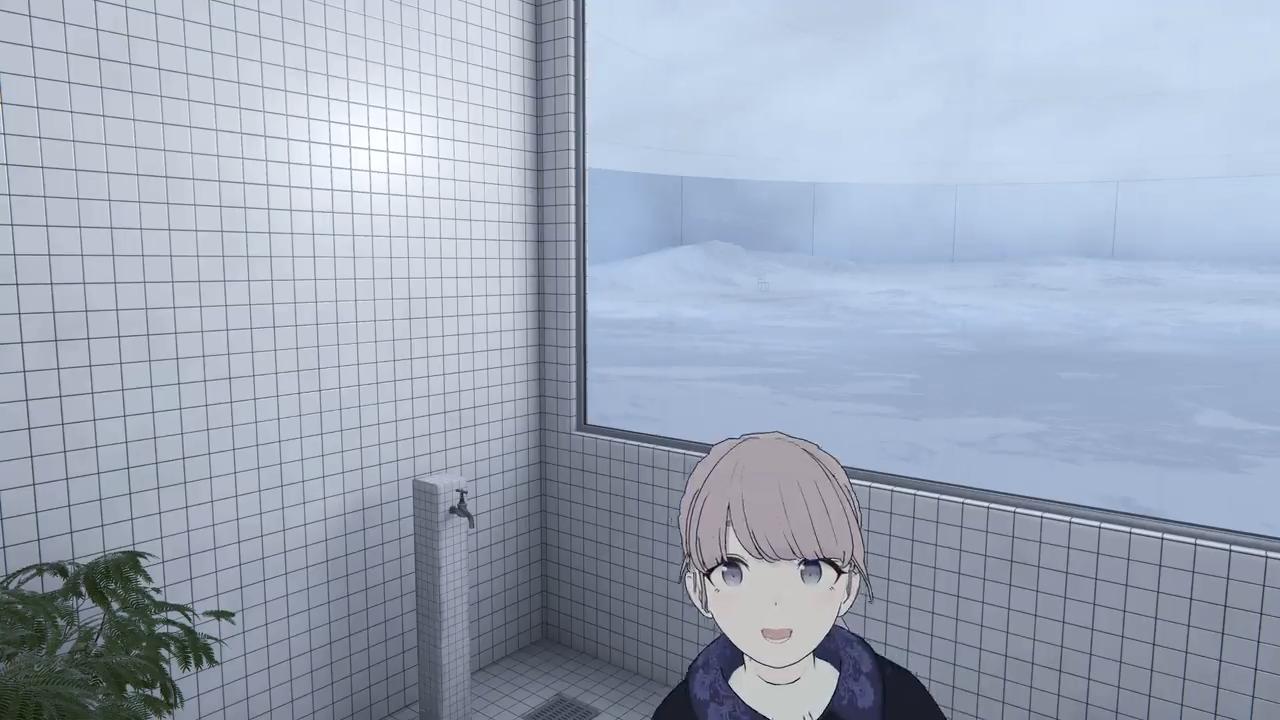
- Selfie Expression Feature: For users without high-end hardware, VRChat’s built-in Selfie Expression feature allows desktop PC and Android users to mirror their real-world expressions onto their avatars using a standard webcam or a mobile device’s front-facing camera.
Hardware Landscape
The rollout arrives at a fascinating crossroads for consumer virtual reality hardware. Currently, native, dual-support hardware (devices possessing both eye-tracking sensors and camera-based mouth/face-tracking modules) remains a relatively niche segment.
- Current Leaders: Popular native hardware options include the Pico 4 Pro, Pico 4 Enterprise, the Meta Quest Pro, and the Samsung Galaxy XR.
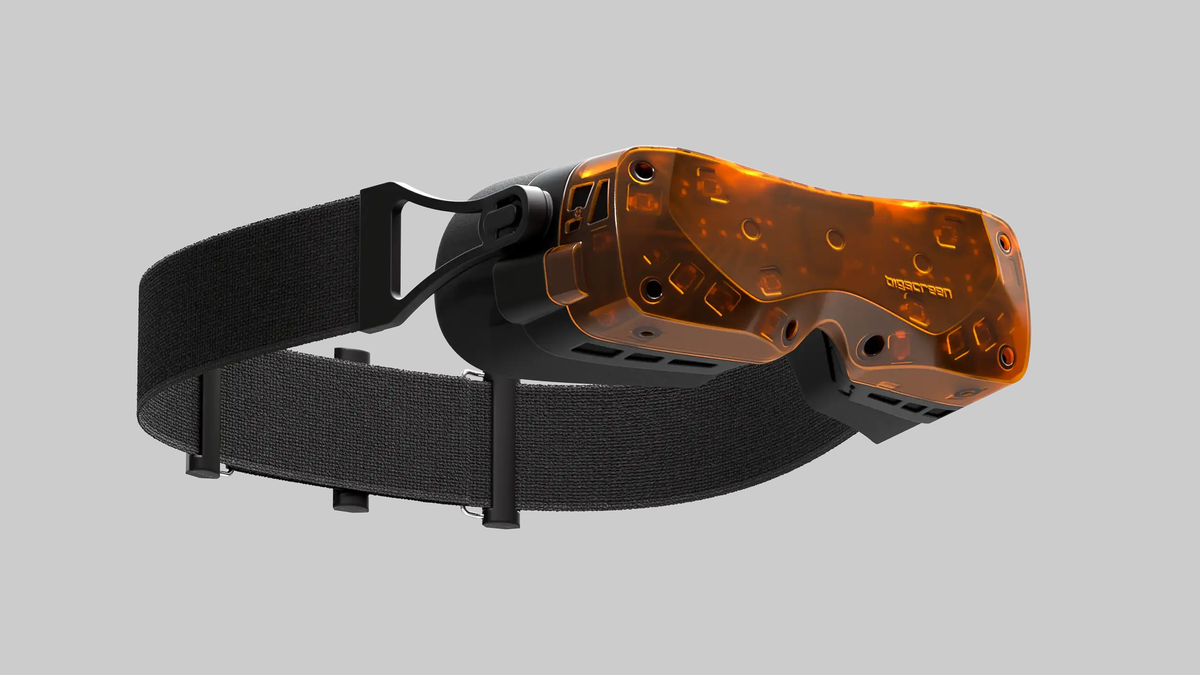
- Community Adaptations: For headsets lacking built-in tracking, open-source and DIY solutions—such as Babble add-ons for the Meta Quest 3 and 3S—have stepped in to fill the gap. Furthermore, VRCFT pipelines can successfully ingest and translate eye-tracking data from newer devices like the Bigscreen Beyond 2e, which features optional eye-tracking upgrades.
Official Responses and Community Reception
The reception from the VRChat creator community has been overwhelmingly enthusiastic, though tempered by nuanced technical challenges in the broader XR hardware landscape.
VRChat has publicly credited its collaborative approach for the feature’s polished state. In developer updates, the company noted that extensive feedback from community leaders like Hash and the VRCFT team was instrumental in getting the SDK architecture right before opening the floodgates to the public beta.
However, the hardware horizon presents new complications—particularly concerning upcoming hardware releases from industry giants.
The Meta VR Glasses Controversy
The upcoming Meta VR Glasses feature robust hardware support for both eye-tracking and camera-based facial tracking (utilizing downward-facing cameras originally designed for hand tracking). However, recent platform discoveries have thrown a wrench into the plans of power users and developers.
As first uncovered by programmer and dataminer Nori, Meta has reportedly chosen not to grant third-party developers API access to the visual face-tracking data source on the new device at launch. While the Meta Quest Pro allowed external applications like Steam Link and Virtual Desktop to forward abstracted tracking telemetry to OSC apps like VRCFT, the Meta VR Glasses will restrict camera-based face tracking exclusively to first-party features—such as Meta’s newly announced realistic Hologram avatars. Third-party developers will only have access to eye-tracking APIs and an audio-driven fallback system known as Audio to Expressions.

This restriction sparked immediate pushback from the developer community. Meta Developer Advocate Dilmer Valecillos fielded initial concerns on social media, assuring developers that community feedback would be directly routed to the appropriate internal engineering teams.
The community’s stance is further highlighted on the official Meta VR Developer platform. A community-submitted investigation request pleading for an open camera-based face tracking API for the Meta VR Glasses has skyrocketed to become the fourth most-voted investigation topic on the site. Currently, Meta’s portal lists the request as "Backlogged – A team has this on their backlog to address in the future," leaving developers hopeful, if anxious, about future updates.
Implications: What This Means for the Future of Social VR
The introduction of native SDK-level face tracking in VRChat represents far more than just a convenient software update; it is a fundamental shift in how human emotion is communicated across virtual spaces.
- Lowering the Barrier to Entry: By moving face tracking out of the realm of complex OSC rigging and into the official SDK, VRChat is democratizing high-fidelity expression. As more base avatars adopt native compatibility, casual users will find it vastly easier to bring expressive, living avatars into public worlds.
- Performance and Optimization Wins: By decoupling face-tracking data from the synced parameter budget, VRChat is directly addressing one of its most persistent historical hurdles: instance performance degradation. Cleaner avatars mean smoother frame rates, less network congestion, and more stable worlds.
- The Hardware Battleground: As hardware manufacturers race to build facial telemetry into consumer headsets, software ecosystems like VRChat are positioned as the ultimate testing ground. How platform holders—especially Meta—choose to handle API openness will heavily dictate whether users can freely leverage their hardware across all virtual platforms, or whether walled gardens will fragment the social VR experience.
For now, VRChat creators and enthusiasts have a powerful new tool in their hands. As the Open Beta progresses toward a stable public release, the digital faces of VRChat are about to become a whole lot more expressive.

