

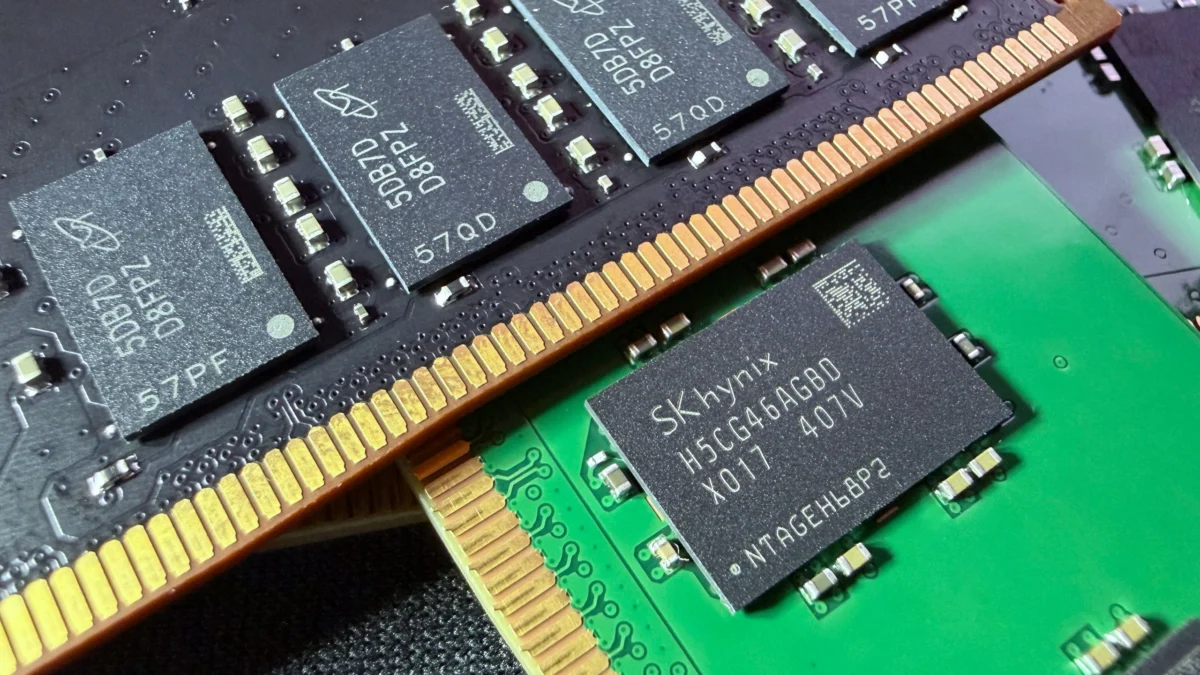
The global semiconductor landscape is currently defined by a stark, bifurcated reality. While the insatiable appetite for Artificial Intelligence (AI) hardware continues to generate record-breaking revenues for memory manufacturers, the consumer electronics sector—specifically PCs and smartphones—is buckling under the weight of "chipflation." For the first time in this fiscal cycle, major industry leaders are beginning to publicly acknowledge that the current pricing trajectory is unsustainable.
Chey Tae-won, group chairman of SK hynix, recently provided a rare, candid admission to the press: memory prices have reached an "abnormally high level." His comments represent a significant pivot in corporate messaging, signaling that even the architects of this supply-constrained market are beginning to fear the long-term damage caused by runaway component costs.
The Anatomy of the Memory Squeeze
To understand why the industry is at a breaking point, one must look at the structural shift in demand. The meteoric rise of generative AI has redirected a massive portion of global DRAM and HBM (High Bandwidth Memory) production capacity toward data centers. AI firms, backed by massive venture capital and trillion-dollar market caps, have the fiscal elasticity to absorb these skyrocketing component costs as part of their capital expenditure.
However, the consumer market—comprising everyday PC builders, smartphone users, and household appliance manufacturers—does not share this luxury. As SK hynix’s leadership noted, there is a hard ceiling on how much of a price hike a consumer can tolerate before demand simply evaporates. When a motherboard or a RAM kit increases in price due to underlying memory costs, it is the end-user who pays the bill. Eventually, the market hits a saturation point where the cost of the hardware outweighs its perceived value to the individual, leading to a contraction in sales.
A Chronology of the Supply Crisis
The current predicament did not manifest overnight. Its roots can be traced through a series of global economic and technological shifts:
- 2020–2022 (The Pandemic Disruption): Supply chains were fractured by lockdowns and labor shortages, leading to a massive backlog in semiconductor production.
- 2023 (The AI Explosion): The sudden, industry-wide pivot toward Large Language Models (LLMs) created an unprecedented demand for high-end HBM memory, effectively cannibalizing the production lines previously used for consumer-grade DDR4 and DDR5 modules.
- Early 2024 (The Pricing Spike): As supply tightened, prices for standard DRAM modules began a steady climb. Manufacturers prioritized higher-margin server-grade products, leaving the consumer market to deal with inventory shortages.
- Mid-2024 (The Recognition Phase): As consumer hardware sales began to show signs of stagnation, industry leaders like Chey Tae-won started expressing public concern regarding the long-term health of the broader semiconductor ecosystem.
Supporting Data: Why "Chipflation" is More Than Just Hype
The concern is backed by sobering data. Independent industry research suggests that the global shortfall in DRAM capacity is so acute that current expansion plans by the "Big Three"—Samsung, Micron, and SK hynix—are insufficient to close the gap.
Some analysts have pointed out that even if global production capacity were to increase by a significant percentage, the total "memory hunger" of the AI sector alone would likely consume the surplus. This leaves consumer electronics manufacturers in a precarious position: they are effectively competing for the scraps of a supply chain that has been optimized for the most profitable, rather than the most essential, segments of the tech market.
Furthermore, the "2030 DRAM squeeze" has become a buzzword in industry circles. Projections indicate that demand will consistently outstrip supply for the remainder of the decade. This has led to a strategic shift where manufacturers are now exploring localized production, including potential new factory builds in the United States, to mitigate trade pressures and diversify supply chains.
Official Responses and Strategic Pivots
The admission from SK hynix regarding "abnormally high" prices is not merely a gesture of goodwill toward the consumer. It is a calculated move to ensure the "sustainability and development" of the South Korean semiconductor industry.
As Chairman Chey explained, the goal is to protect the market from "chipflation." If the prices of finished goods remain inflated, the entire consumer hardware ecosystem risks a sustained period of low growth. From a business perspective, a shrinking market invites new, disruptive entrants. By increasing supply and tempering prices, incumbents like SK hynix aim to keep the barrier to entry high for potential competitors while ensuring that the consumer market remains a viable, profitable segment for years to come.
Implications for the Consumer
What does this mean for the person looking to build a new gaming PC or upgrade their workstation in the coming years?
1. The Potential for Supply Expansion
The clearest takeaway is that the industry is aware that the status quo is a liability. Increased capital investment in new fabrication plants (fabs) is the only long-term solution. If these plants come online as planned, we may see a stabilization of prices, though a return to the pre-2020 "cheap memory" era remains highly unlikely.
2. Market Fragmentation
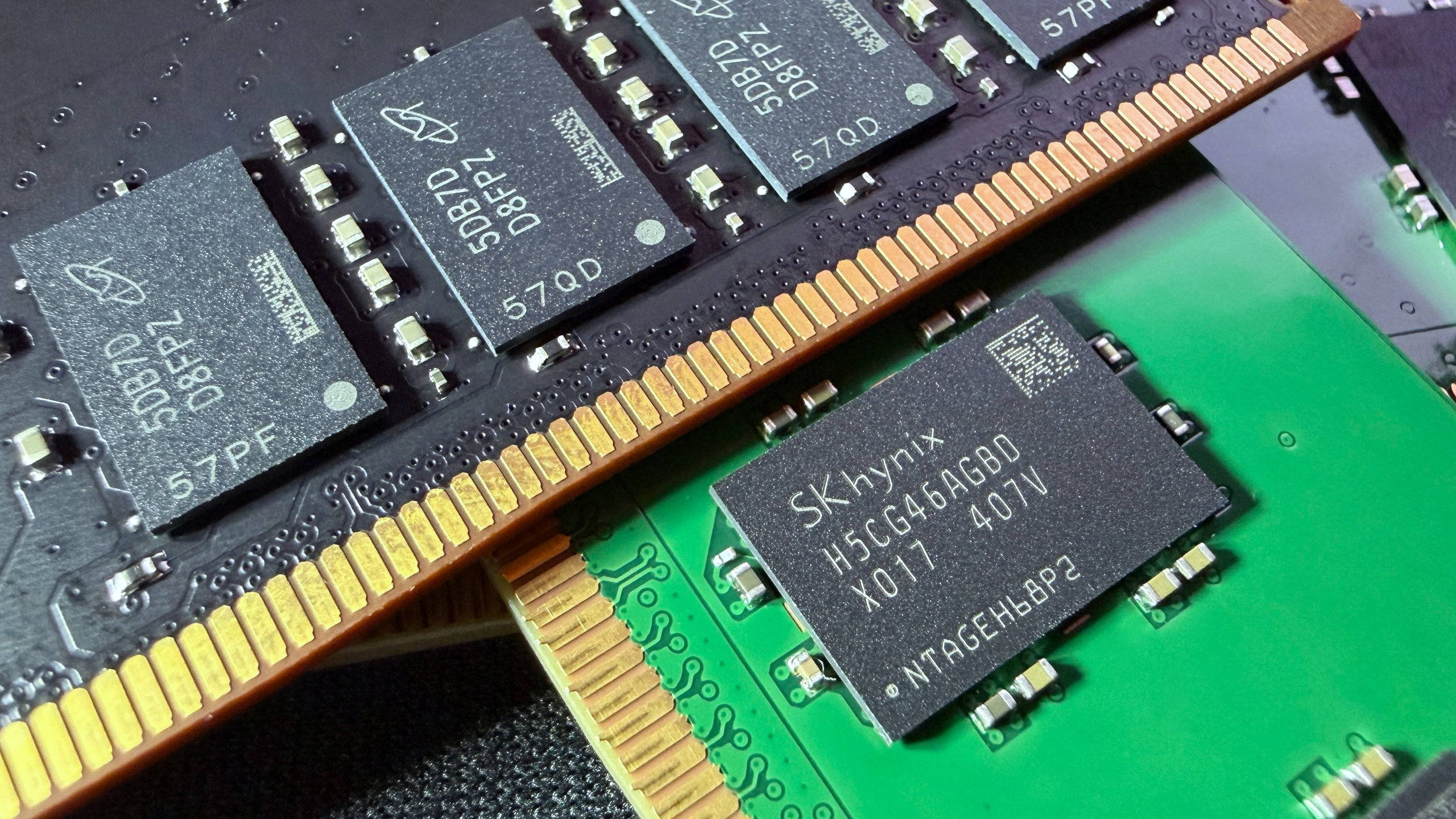
We are likely to see a continued split in product lines. High-end, AI-focused memory will remain expensive and supply-constrained, while manufacturers may try to create more distinct, lower-cost tiers for standard consumer electronics to keep the market moving.
3. The "AI Pop" Factor
The most significant uncertainty remains the longevity of the AI investment bubble. If the current astronomical spending on AI infrastructure hits a wall—a metaphorical "pop"—the resulting collapse in demand for HBM could lead to a massive supply glut. In such a scenario, the market could shift from a supply crisis to a price-dumping environment, though this would likely be accompanied by broader economic instability.
Conclusion: A Delicate Balancing Act
The semiconductor industry is currently performing a delicate balancing act. On one side is the massive, immediate profit potential of the AI sector; on the other is the long-term necessity of maintaining a healthy, vibrant consumer electronics market.
SK hynix’s recent statements suggest that the industry is finally realizing that it cannot prioritize one to the total exclusion of the other. Whether these words translate into tangible, affordable hardware for the individual consumer remains to be seen. However, in an era where component prices have felt untethered from reality, the acknowledgment that "there are limits to how much prices can be raised" is a vital first step toward industry stabilization. For now, the consumer is forced to wait, watching to see if the promised increase in supply will finally arrive before the next generation of hardware upgrades becomes prohibitively expensive.

