

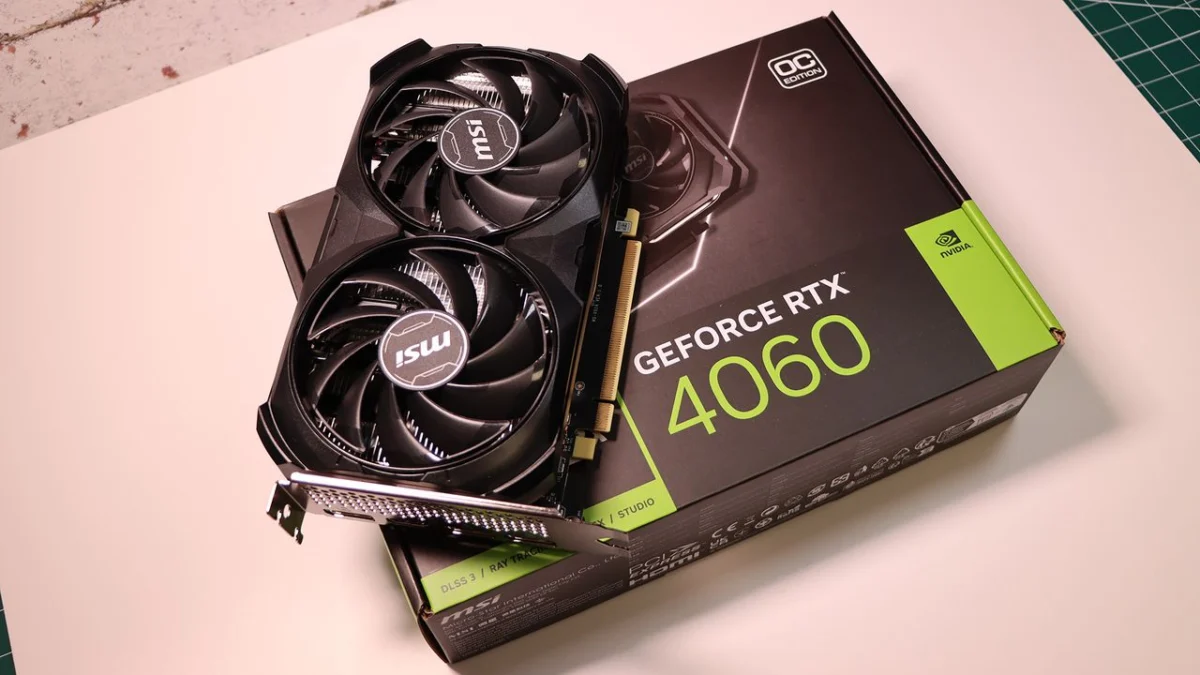
In the high-performance world of PC gaming, the pursuit of silence is often considered the final frontier of custom builds. While most enthusiasts rely on sophisticated fan curves or high-end liquid cooling to manage thermal output, one intrepid hardware tinkerer has taken a more aggressive—and significantly bulkier—approach. A recent project showcased on the Chinese social platform Bilibili has captured the attention of the tech community by successfully transforming a standard NVIDIA GeForce RTX 4060 into a completely fanless, passive-cooled behemoth.
The mod, which involves mounting a massive 2.56-kilogram (5.64-pound) aluminum heatsink directly onto the GPU’s printed circuit board (PCB), represents a masterclass in extreme DIY engineering. While the result is undeniably impressive in its pursuit of absolute silence, it raises fundamental questions about the balance between form, function, and the future of hardware cooling.
The Anatomy of the Mod: Main Facts
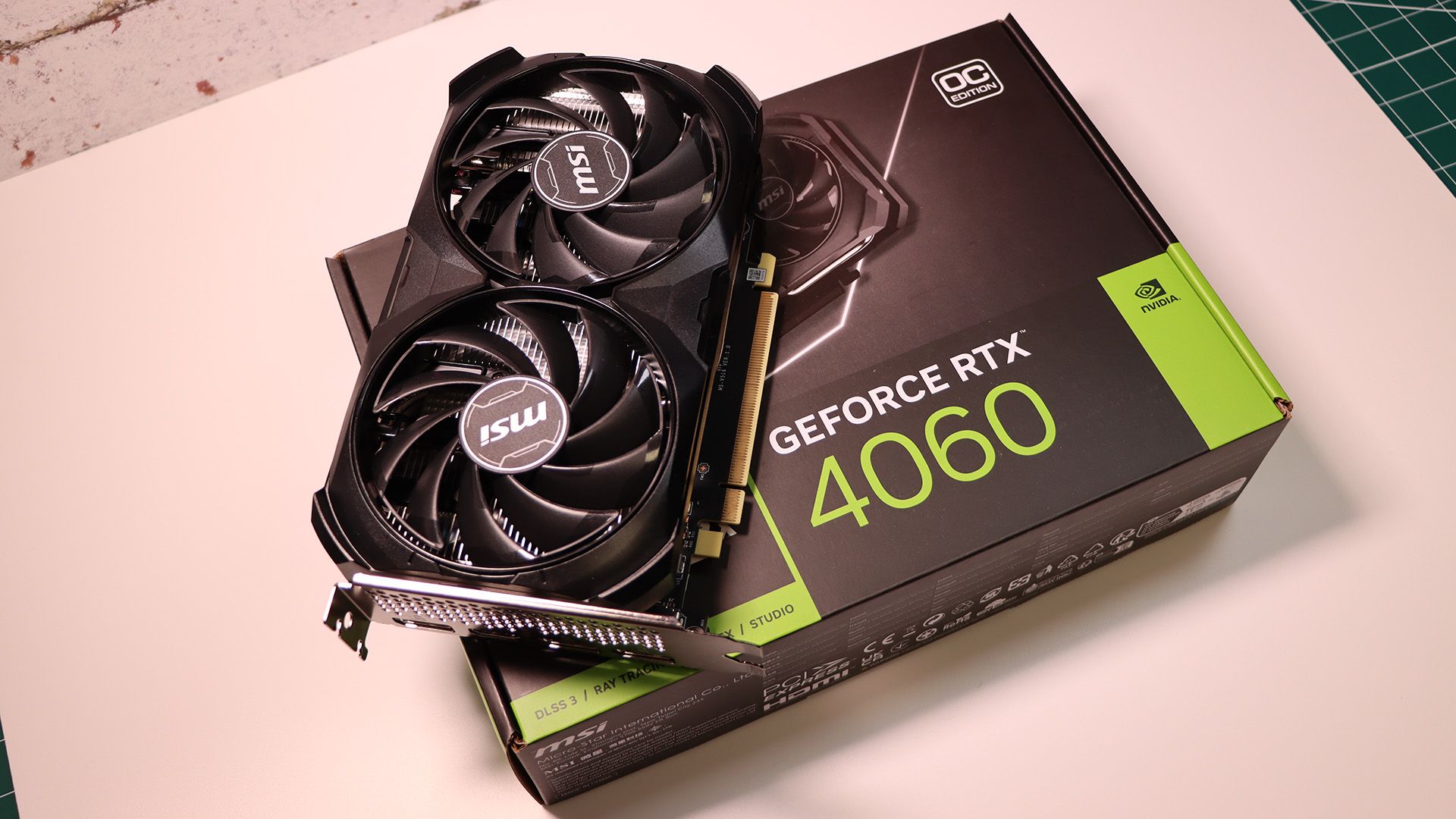
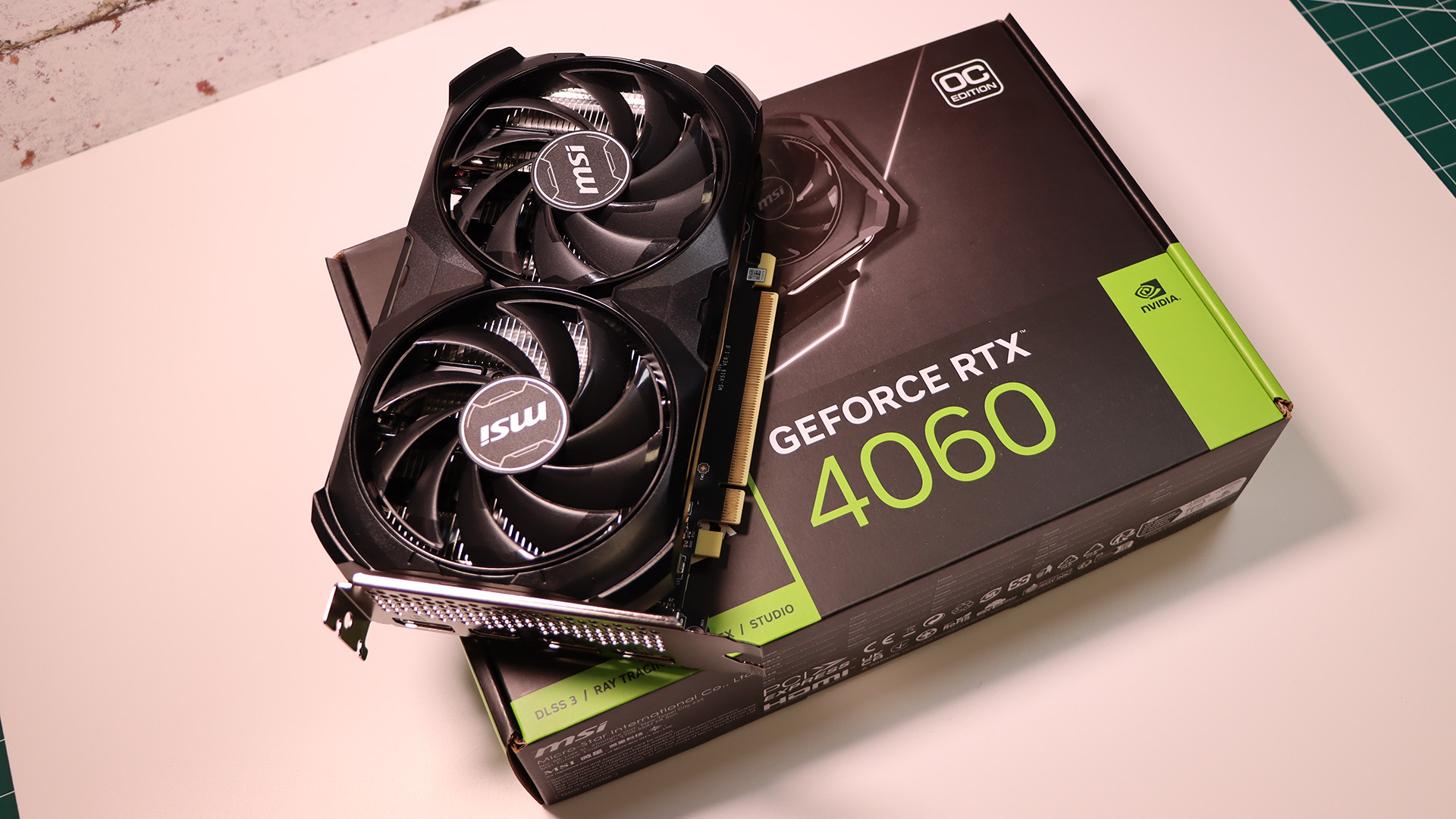
At its core, the project is a radical departure from traditional thermal design. The RTX 4060, known for its efficiency, is typically cooled by a compact active fan shroud. The creator of this modification opted to discard the factory cooling solution entirely, replacing it with a gargantuan array of riveted, widely spaced aluminum fins.
The sheer scale of the heatsink is the defining feature of the build. Weighing in at over 2.5 kilograms, the cooling block serves as a massive thermal reservoir, designed to dissipate heat through convection alone rather than forced airflow. This "Frankenstein" configuration, as many in the community have dubbed it, requires the GPU to be mounted in a specific orientation to allow for natural heat dissipation, resulting in a build that significantly dominates the available space within the chassis.
The creator has reportedly made the schematics for this cooling solution available to interested users via private inquiry, signaling a burgeoning sub-culture of "passive enthusiasts" who are willing to sacrifice physical space for the absence of mechanical noise.
A Chronology of the Silent Quest
The evolution of silent computing has long been a niche pursuit, but this specific project marks a unique intersection of modern power efficiency and classic hardware modding.
- Early 2024: Discussions regarding the thermal limits of the Ada Lovelace architecture began to circulate in enthusiast forums, with users noting the surprising efficiency of the RTX 4060’s 115W TDP (Thermal Design Power).
- July 2026: The mod surfaced on Bilibili, accompanied by documentation of the assembly process. The visual contrast between the small, sleek RTX 4060 PCB and the oversized industrial heatsink quickly went viral.
- Late July 2026: Reputable hardware outlets, including FanlessTech and VideoCardz, picked up the story, highlighting the project as a significant achievement in passive cooling for modern mid-range GPUs.
- Present: The project remains a focal point of debate in forums, with enthusiasts analyzing the long-term feasibility of running such a setup in a daily-driver configuration.
Supporting Data: Why the RTX 4060?
To understand why someone would choose to mount a 2.5kg brick of aluminum to a graphics card, one must look at the technical specifications of the hardware. The RTX 4060 is an outlier in the current GPU landscape precisely because of its low power consumption.
Comparative TDP Analysis
- NVIDIA GeForce RTX 4060: 115W TDP
- NVIDIA GeForce RTX 5060: 145W TDP
- NVIDIA GeForce RTX 5090: 575W TDP
The "thermal budget" of the RTX 4060 is the key to this experiment’s success. Passive cooling relies on the ability of a heatsink to dissipate heat into the ambient air via natural convection. The higher the TDP, the larger the surface area required to keep the junction temperature within safe operating limits. While 115W is relatively modest, it is still a significant amount of heat to move without the aid of a fan. By using a heatsink that dwarfs the GPU itself, the creator has ensured that the thermal density remains low enough to prevent thermal throttling under moderate loads.
The Engineering Implications of Passive Cooling
When moving from active to passive cooling, the physics of thermodynamics become the primary constraint. In an active setup, high-RPM fans force air through tight fin stacks, allowing for a compact design. In a passive setup, the air must flow naturally.
The Surface Area Dilemma
The creator’s choice to use widely spaced, riveted fins is a calculated design decision. If the fins were too close together, natural airflow would be restricted, creating a "dead zone" of hot air trapped within the heatsink. By spacing them out, the modder facilitates a chimney effect, where cool air is drawn in from the bottom and exhausted out the top as it warms.
The Trade-off: Space vs. Sound
The most obvious implication is the massive space penalty. Modern gaming PCs are often designed to be compact, yet this mod requires a significant amount of clearance. Furthermore, the structural integrity of the PCIe slot becomes a concern; a 2.5kg heatsink creates substantial leverage, requiring a heavy-duty GPU support bracket to prevent the card from sagging or, in extreme cases, damaging the motherboard.
Official Responses and Industry Outlook
While NVIDIA has not issued a formal statement regarding this specific mod, the industry’s shift toward higher TDPs in newer generations (like the RTX 50-series) suggests that the era of "out-of-the-box" passive GPUs is unlikely to return.
Most manufacturers prioritize performance-per-watt and aesthetic appeal, which rarely aligns with the "industrial, oversized" look of a passive cooler. However, this mod serves as a proof-of-concept for a potential market of "ultra-silent" PC builds. Experts in the field suggest that while large-scale passive cooling is inefficient for mass production due to material costs and shipping weight, it remains a valid path for high-end workstations where acoustic silence is paramount.
Implications for the Future of DIY Hardware
Is this the future of PC building? Likely not. The trajectory of GPU development is trending toward higher power draws and more compact, efficient active cooling solutions. However, the project serves as a reminder that the PC platform remains a sandbox for innovation.
The "Fanless RTX 4060" isn’t just about reducing noise; it’s about the democratization of thermal management. It proves that with enough patience, a soldering iron, and a heavy-duty block of aluminum, an enthusiast can rewrite the constraints set by factory defaults.
For the average user, the project is a cautionary tale of the extreme lengths required to achieve silence. Fans—even at low RPMs—are remarkably efficient at moving heat. To replicate this, one would need a well-ventilated case, a compatible motherboard layout, and a tolerance for a GPU that effectively doubles as a piece of sculpture.
Ultimately, this mod is a testament to the "hardware junkie" spirit. It challenges the industry standard of what a graphics card should look like, and in doing so, it highlights the inherent beauty of custom engineering. Whether or not it is a practical solution for daily gaming, the silent, hulking mass of aluminum standing in that small case is a silent scream against the status quo of modern hardware design. It is, quite literally, the sound of progress—or in this case, the complete lack thereof.

