

In the landscape of 2026’s gaming output, few titles have garnered as much critical reverence as Esoteric Ebb. The game, a sprawling, intricate, and deeply reactive RPG, has been widely lauded for its narrative agency—a quality that often feels like a relic of the past in an industry leaning toward cinematic railroading. As it turns out, the "secret sauce" behind Esoteric Ebb isn’t a complex proprietary engine or an industry-leading studio budget; it is the mind of a single developer, Christoffer Bodegård, and his unwavering, eight-year commitment to the art of being a Dungeon Master.
The Architecture of Agency: The Main Facts
At its core, Esoteric Ebb is an exercise in interactive storytelling. While critics were quick to draw comparisons to the legendary Disco Elysium upon the game’s release in March 2026, the structural DNA of the project belongs firmly to the tabletop tradition.
Bodegård, a solo developer, has spent the better part of a decade behind the DM screen. When players interact with the world of Jor—the setting of Esoteric Ebb—they aren’t just clicking through dialogue trees; they are navigating a world designed to respond to the unpredictability of human agency. In a medium that often treats the player as a protagonist walking down a fixed hallway, Esoteric Ebb functions like a well-oiled Dungeons & Dragons campaign, where failure is not a "game over" screen, but a narrative pivot point.
A Chronology of Creation
The development of Esoteric Ebb did not happen in a vacuum. It was the culmination of years of iterative worldbuilding that began long before a single line of code was written.

- 2018: Bodegård begins a consistent, bi-weekly Dungeons & Dragons campaign with a dedicated group of friends. This campaign would serve as the primary sandbox for testing the mechanics and lore that would eventually define the game.
- 2020–2023: As the game enters active development, Bodegård continues his tabletop sessions. While he pauses other video game projects to focus on his magnum opus, he keeps the D&D table active, viewing it as essential research for "writing good choices."
- March 2026: Esoteric Ebb launches to widespread critical acclaim. Reviewers highlight its unparalleled player freedom and the depth of its NPCs.
- July 2026: Post-launch analysis reveals that the game’s "Esoteric Coast" setting was directly pulled from two major homebrew campaigns: "The Evil Campaign" and the "Pest Control Guild Campaign."
The "Lazy" Philosophy: How D&D Informs Development
One of the most striking revelations from interviews with Bodegård is his approach to "preparation." In the world of tabletop RPGs, the "Lazy Dungeon Master" movement—popularized by figures like Mike Shea—advocates for minimal prep to allow for maximum flexibility.
"I barely prepare anything at all," Bodegård admitted in a recent discussion. "I know exactly where the players could go, what places exist in the world, but everything between that and the endpoint is just open."
This philosophy directly translates into the game’s design. In Esoteric Ebb, players are allowed to wander into dangerous, high-level dungeons at the very start of the game. While this has drawn some complaints from players expecting their hand to be held, it is a deliberate choice. Just as a good DM allows a party to foolishly charge at a red dragon, Bodegård trusts the player’s agency. He provides the world, the hazards, and the context, but the ultimate decision—and the consequences that follow—remains firmly in the player’s hands.
Supporting Data: Worldbuilding Through Mechanics
The brilliance of the world of Jor lies in its integration of lore and mechanics. Bodegård’s worldbuilding process is unique: he starts with a mechanical problem and builds the world to solve it.
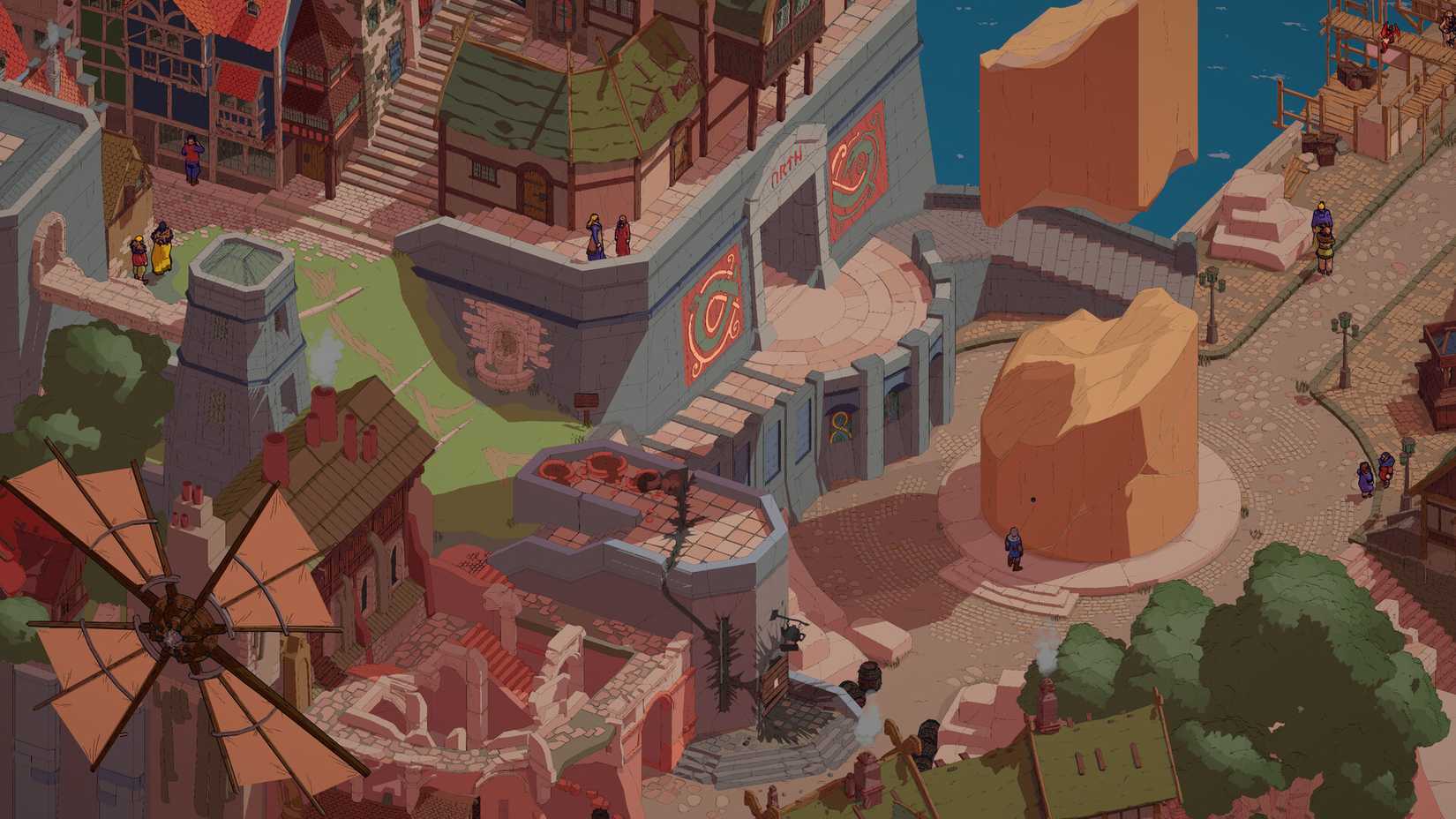
For instance, the concept of "esoteric pockets"—unstable, non-material regions where time and space behave inconsistently—was created to explain how a DM manages long-distance travel in a tabletop game. Rather than having a static, fully mapped world that ignores the realities of travel, Bodegård created a lore-based reason for why a journey might take an hour or a month.
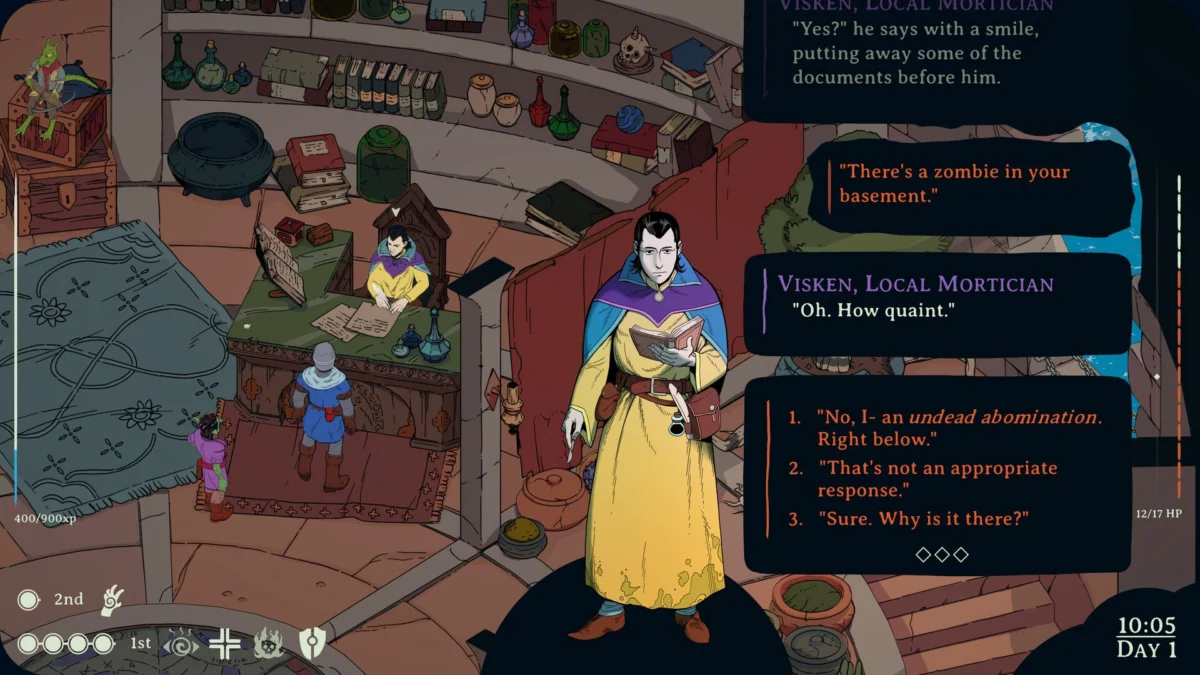
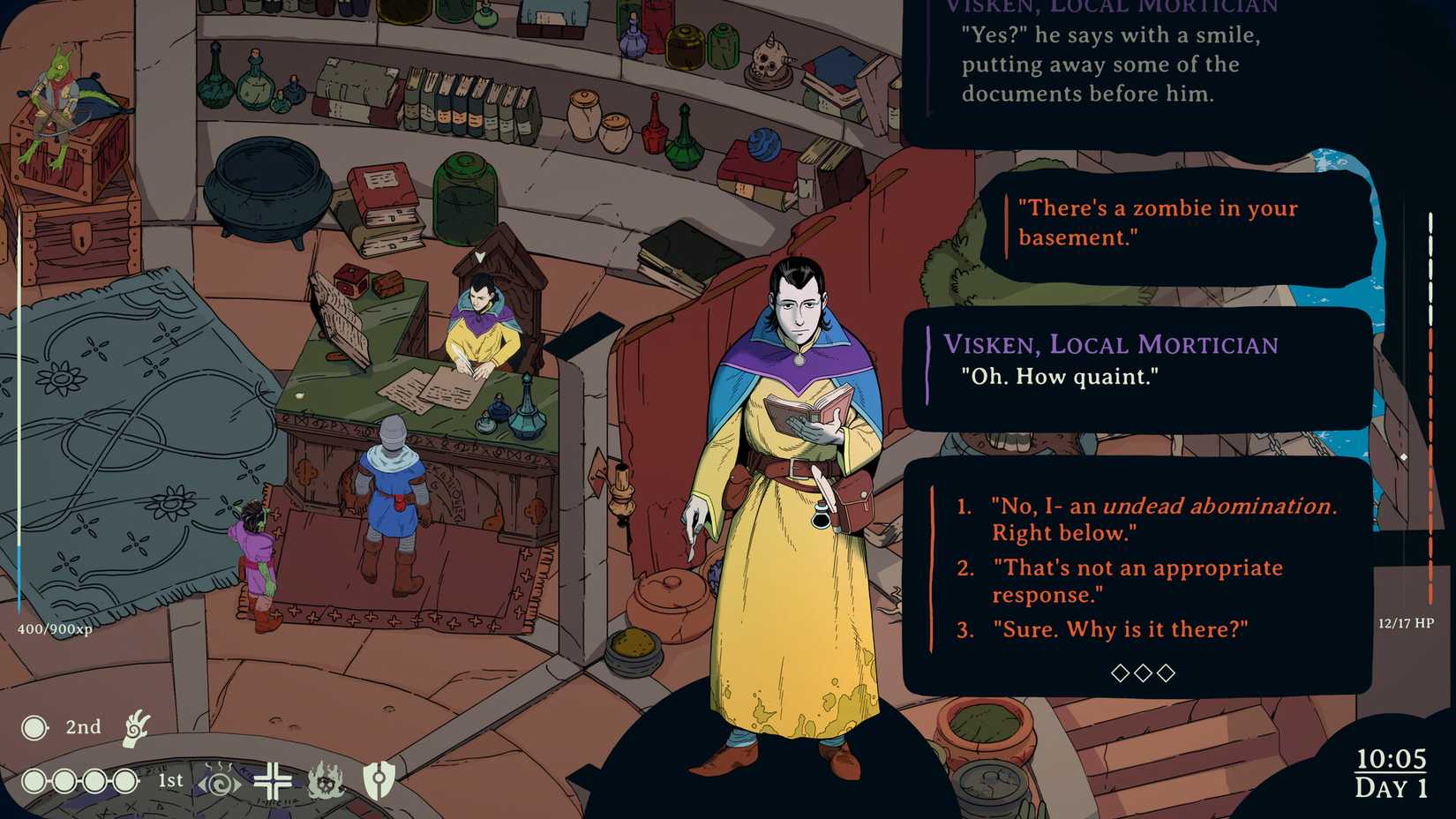
This level of detail extends to the characters. Many NPCs found in Esoteric Ebb, such as the enigmatic Visken, are direct translations of PCs and NPCs from his home campaign. By collaborating with his original players, Bodegård ensured that these characters retained the authenticity and "lived-in" quality that only years of collaborative storytelling can produce.
Official Perspectives: The DM’s Burden
Bodegård is remarkably candid about the difficulty of balancing his duties as a developer and a dungeon master. He views the two roles as fundamentally linked, particularly regarding the concept of failure.
"As a DM, you can kill a player character, but you have to do it in a way that every single player at the table… enjoys it," he explained. "They can feel, ‘Oh no, I didn’t want that to happen!’ but they can’t feel bad about it."
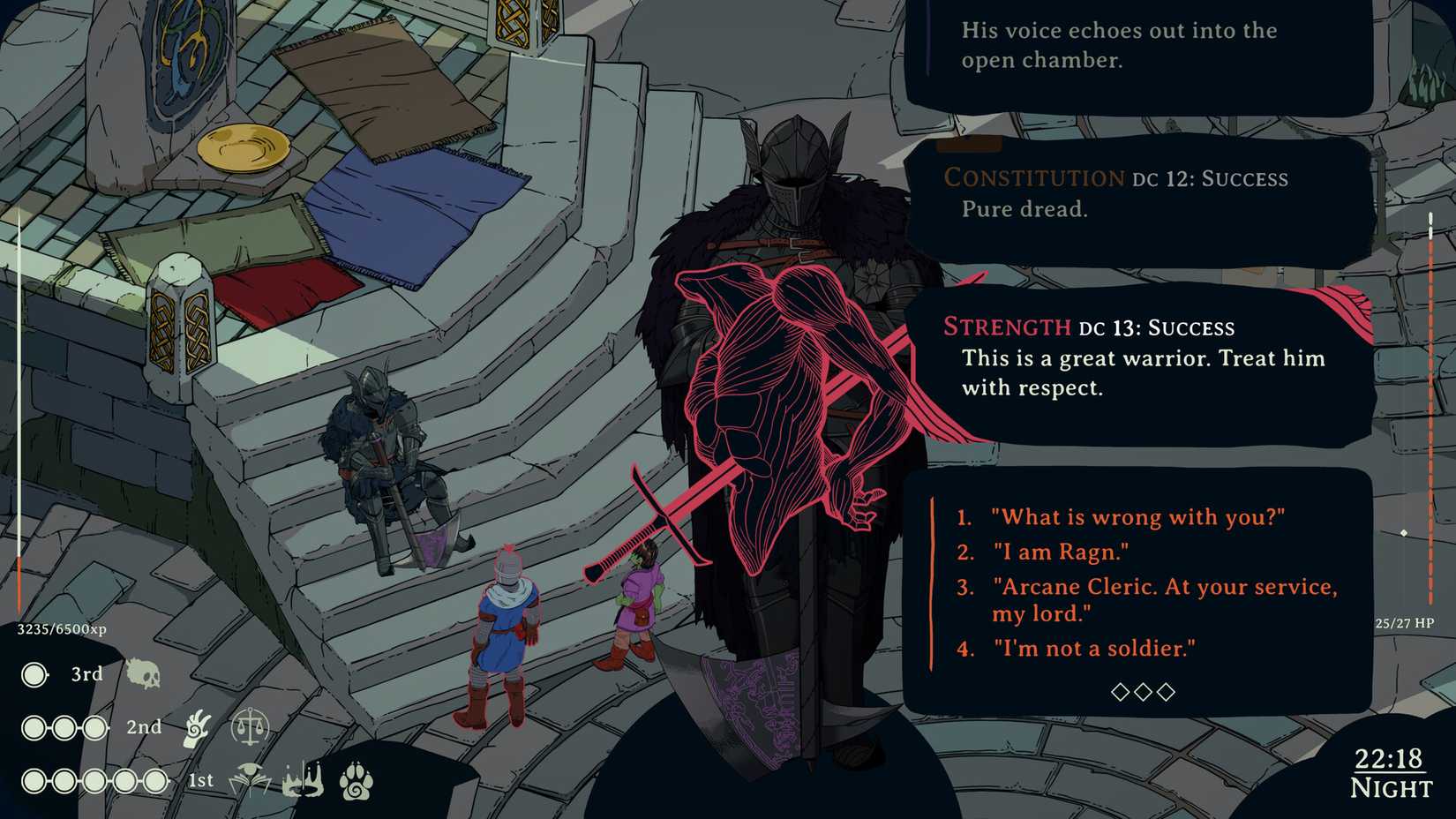
In the digital space, this translates into a design where failure is a valid narrative state. Death or setback in Esoteric Ebb is not meant to be a frustrating roadblock, but a "meaningful continuation of the story." By calibrating the lethality of his digital world—much like a "session zero" in D&D—he ensures that players are never blindsided by unfair difficulty, but rather by their own informed decisions.
Implications for the Future of RPGs
The success of Esoteric Ebb carries significant implications for the future of the RPG genre. It suggests that players are hungry for experiences that respect their intelligence and agency.
Bodegård’s influence, however, extends beyond the code. He is currently working on turning the world of Jor into a published D&D campaign setting, essentially closing the circle between his tabletop roots and his digital success. This move signals a growing trend of "crossover" design, where the barriers between tabletop modules and video game worlds are becoming increasingly porous.
Furthermore, Bodegård’s "esoteric 5E" homebrew ruleset, which he continues to refine during his ongoing bi-weekly sessions, serves as a testament to the fact that great design is rarely static. By refusing to rely on "railroading" or "hand-holding," and by treating the game as a living, breathing entity that evolves based on player interaction, Esoteric Ebb has set a new standard.
Conclusion: A New Standard for Interactive Storytelling
As we look back at the development of Esoteric Ebb, it is clear that the game is a triumph of process as much as it is a triumph of design. By leveraging the specific skills required to manage a tabletop session—empathy, adaptability, and an understanding of narrative pacing—Christoffer Bodegård has created something that transcends the limitations of traditional video game design.
The game is not merely an homage to classics like Planescape: Torment or Deus Ex; it is a demonstration of how a dedicated, long-term commitment to a hobby can sharpen the skills necessary to innovate in a professional field. Whether or not one chooses to enter the dangerous, wonderful, and often lethal world of Jor, it is impossible to ignore the impact that eight years of D&D has had on the industry.
For aspiring developers, the lesson is clear: if you want to write a great story, start by listening to the players at your table. For gamers, the takeaway is equally promising: the best RPG of the year was built on the foundation that the most interesting stories are the ones we choose to tell together. As Bodegård continues to expand the lore of Jor, one thing is certain: the line between the dungeon master’s screen and the player’s monitor has never been thinner, and that is a very good thing for the future of the genre.

