

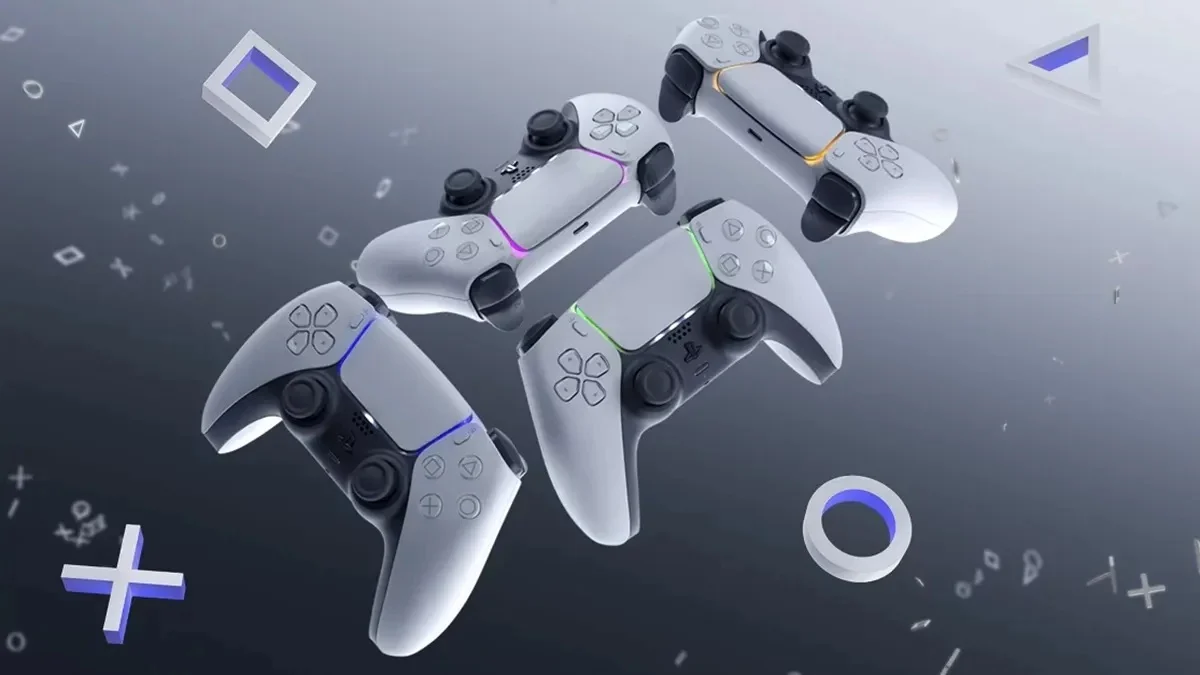
In the ever-evolving landscape of interactive entertainment, the hardware interface serves as the primary bridge between the player and the digital realm. Recent filings from Sony Interactive Entertainment suggest that the company is looking to fundamentally redefine that bridge. A newly unearthed patent application reveals that Sony is exploring a highly modular controller design, characterized by a detachable touchscreen and a versatile interface, potentially signaling a major shift in design philosophy for the PlayStation 6 (PS6) era and beyond.
Main Facts: A Paradigm Shift in Controller Architecture
The patent, initially brought to light by industry observers at MP1st, details a peripheral that deviates significantly from the industry-standard DualSense architecture that has defined the PlayStation 5 generation. At the core of this invention is a controller featuring a central touchscreen—replacing the static touchpad currently found on the DualSense—which serves as a dynamic interface for system-level navigation.
Beyond the display, the patent describes a "modular" system. This allows users to physically detach, swap, and magnetically reattach components, effectively tailoring the controller’s layout to their specific ergonomic needs or genre-specific requirements. The device also introduces a rotating mechanical dial, integrated into the chassis, designed to streamline menu navigation, volume control, or in-game adjustments without requiring the player to lift their thumbs from the primary analog sticks.
Sony’s patent documentation explicitly highlights the rationale behind this design: "Users may have varying preferences for what type of components they would like to use and where they would like the components situated on their video game controller." By prioritizing modularity, Sony appears to be positioning itself to address the growing demand for accessibility, customization, and multi-device interoperability.
Chronology: Tracing the Evolution of PlayStation Input
To understand the magnitude of this patent, one must look at the historical trajectory of Sony’s controller design.
- 1994–1997: The original PlayStation controller laid the groundwork for the D-pad and face button layout. The subsequent introduction of the DualAnalog and the iconic DualShock in 1997 introduced haptic feedback and twin analog sticks, which became the industry standard.
- 2006–2013: With the PlayStation 3, Sony experimented with motion sensing via the Sixaxis controller, followed by the refinement of the DualShock 3, which restored vibration functionality.
- 2013–2020: The PlayStation 4 era introduced the DualShock 4, featuring a clickable touchpad and the "Share" button, which fundamentally changed how players interacted with social ecosystems and console menus.
- 2020–Present: The DualSense for PlayStation 5 marked a leap forward in immersion, introducing adaptive triggers and haptic feedback, technologies that have since been lauded for providing tactile depth to gameplay.
- The Future: The current patent application represents the next logical step. By moving from a static touchpad to an interactive, modular touchscreen interface, Sony is attempting to bridge the gap between traditional console gaming and the increasingly fluid, screen-centric experience of modern mobile and handheld devices.
Supporting Data: Understanding the Modular Market
The push toward modularity is not occurring in a vacuum. The gaming hardware market has seen a surge in "Pro" controllers—such as the DualSense Edge, the Xbox Elite Series 2, and various third-party offerings from companies like SCUF and Victrix. These devices allow players to swap out thumbsticks, back buttons, and D-pads to improve performance.
Sony’s patent takes this concept a step further by integrating the software interface directly into the hardware. The inclusion of a touchscreen is particularly telling. In an era where players frequently use companion apps on smartphones to check game maps, social feeds, or inventory systems, integrating these features directly into the controller removes the friction of switching devices.
Furthermore, the mention of a "rotating member" (the dial) aligns with modern UI/UX design trends. Similar to how high-end camera gear or audio mixing consoles utilize tactile dials for precision, Sony’s implementation suggests an intent to make deep-menu navigation more intuitive. This could theoretically reduce the time spent in pause screens, keeping players immersed in the game world.
Implications for the PlayStation 6 and Beyond
The most significant implication of this patent is the potential for cross-platform synergy. If a single controller can be modularized and paired with a touchscreen, it implies a device that is hardware-agnostic.
A New Handheld on the Horizon?
For years, rumors have persisted regarding a successor to the PlayStation Vita—a dedicated, native handheld system. While the PlayStation Portal currently exists as a streaming companion for the PS5, a modular controller with a built-in screen suggests that Sony might be experimenting with a "hybrid" architecture. Such a device could theoretically function as a standard console controller while docked, or as a standalone handheld unit when the modular components are snapped into place.
Accessibility and Ergonomics
Beyond the headline-grabbing features, modularity is a massive win for accessibility. Gamers with specific motor-function requirements often struggle with standardized controller layouts. A magnetic, modular system could allow for custom button placement, allowing players to build a controller that fits their specific physical needs. If Sony leans into this, it would be a major continuation of their commitment to inclusive design, seen previously with the PlayStation Access controller.
The Ecosystem Strategy
By creating a controller that functions across several devices, Sony could strengthen its ecosystem. If a player invests in a high-end, modular controller that works seamlessly with the PS6, a PC, and a potential future handheld, the "lock-in" effect—where consumers stay within the brand ecosystem due to hardware investment—becomes significantly more powerful.
Official Responses and Industry Outlook
As is standard practice for major technology firms, Sony Interactive Entertainment has not provided specific commentary on the roadmap for this patent. A spokesperson for the company typically maintains the stance that, "Sony files many patents every year as part of our ongoing research and development process, and many of these do not make it to commercial production."
However, industry analysts suggest that while not all patents reach the assembly line, this filing is highly detailed, suggesting it is more than a mere "placeholder" concept. It demonstrates a clear intent to solve the current limitations of the DualSense: the lack of a secondary display and the rigidity of its form factor.
Conclusion: The Horizon of Interactive Play
Whether or not this specific modular design hits store shelves in the form of a PS6 peripheral, the underlying vision is clear. Sony is looking beyond the static, unchanging controller of the past thirty years. They are envisioning a future where the hardware is as fluid as the software it controls—a device that adapts to the player rather than forcing the player to adapt to the device.
As the industry moves toward a future defined by cloud gaming, high-fidelity handhelds, and increased accessibility, the controller is destined to change. If Sony’s vision comes to fruition, the PlayStation controller will no longer be just an input device; it will be a dynamic, tactile hub for the entire gaming experience. For now, the patent serves as a compelling glimpse into the R&D labs of a company that is clearly determined to keep the PlayStation at the cutting edge of interactive hardware design.
As the rumor mill continues to turn regarding the upcoming console generation, one thing remains certain: the way we hold, feel, and interact with our games is about to get a lot more complex, and perhaps, a lot more personal.

