

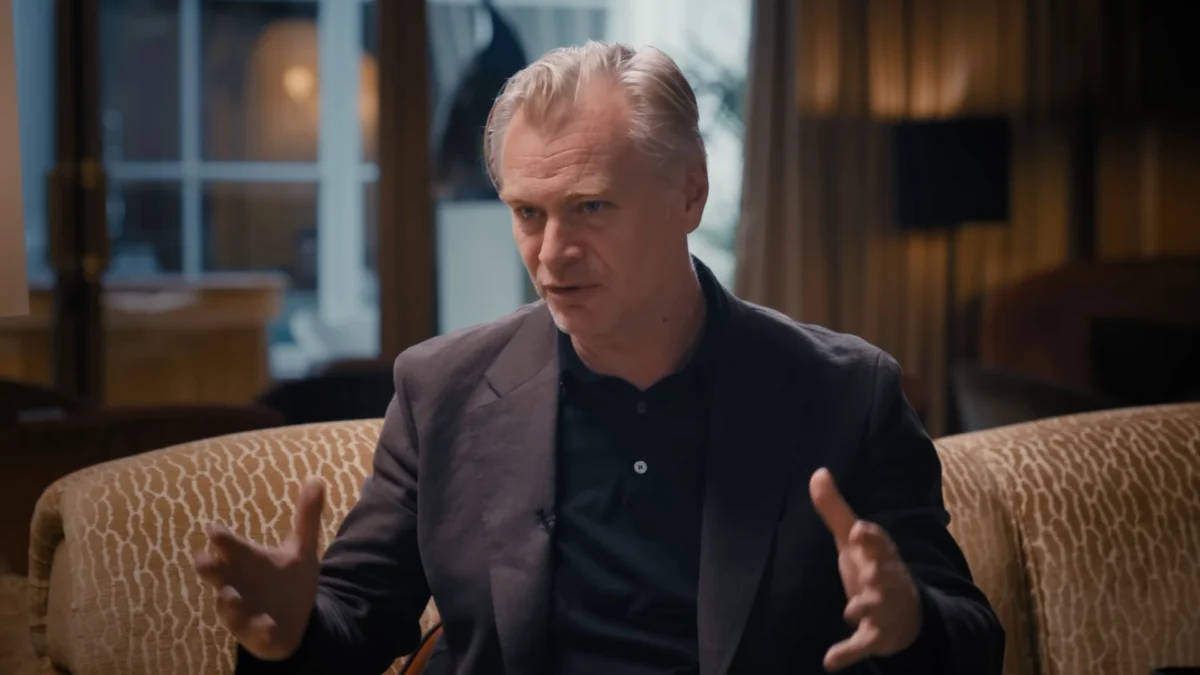
As director Christopher Nolan prepares to unveil his latest cinematic endeavor, The Odyssey—a project currently tipped to be the defining blockbuster of the summer—he has found himself at the center of a different kind of narrative: the cultural battleground surrounding Artificial Intelligence. Known for his intellectual rigor and penchant for exploring the complexities of time and technology, Nolan has become an unexpected, yet powerful, voice in the debate over our digital future.
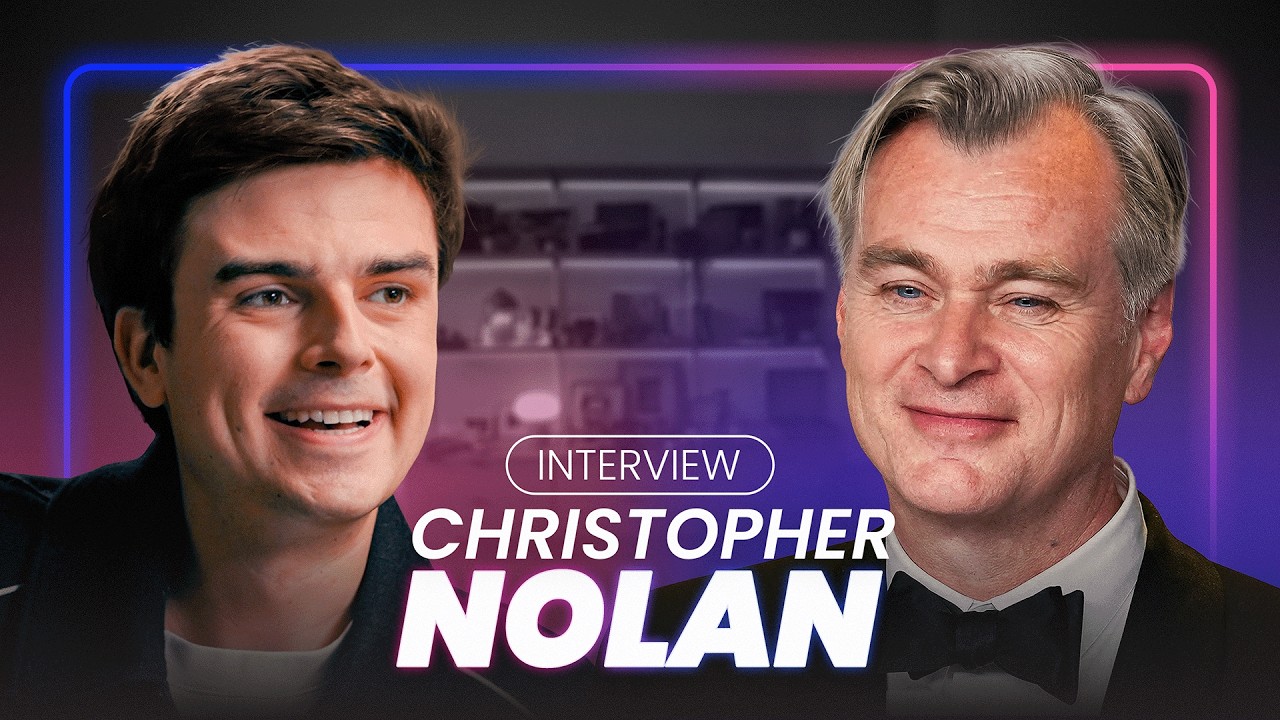
In a recent, widely discussed interview with the French YouTube channel HugoDécrypte – Grands formats, the Academy Award-winning filmmaker offered a stark, metaphorical assessment of the AI boom. He characterized the technology not merely as a tool, but as a "Trojan horse" that the public has already identified—and largely rejected.
Main Facts: The Metaphor of the Glass Horse
Nolan’s critique is distinct for its focus on the disconnect between Silicon Valley’s optimistic rhetoric and the grassroots reaction of the general population. When probed about the rapid proliferation of AI, Nolan remarked, "I think AI is a Trojan horse that everybody knows the Greeks are inside."
He further clarified this striking image by describing the horse as "transparent" and "made of glass." For Nolan, the lack of secrecy regarding the motives of AI developers is exactly why the public—and, more importantly, the younger generation—has greeted the technology with immediate, instinctive skepticism. By branding AI-generated content as "slop," young users are not just critiquing the quality of the output; they are actively distancing themselves from the synthetic culture being thrust upon them by corporations.
For a director whose career has been defined by a commitment to practical effects and the tangible experience of cinema, Nolan’s position is clear: technology should be a tool for human expression, not a replacement for human intent.
Chronology of the Disconnect
The tension between the tech industry and the public has been building steadily over the past eighteen months, creating a distinct timeline of growing resistance:
- Early 2025: The first wave of generative AI tools hits mass adoption. Initial excitement is high, but as "hallucinations" and copyright concerns emerge, the narrative begins to shift.
- Late 2025: University commencement ceremonies become unlikely sites of protest. Notable figures in the tech world are met with boos and jeers when they attempt to frame AI as the "next industrial revolution."
- January 2026: Economic forums, including discussions at Davos, highlight a "tsunami" of anxiety regarding the impact of AI on the global labor market and youth employment.
- July 2026: Christopher Nolan uses the promotional tour for The Odyssey to solidify the cultural consensus, providing a high-profile platform for the sentiment that "blind faith" in technology is no longer the default mode of the public.
This progression marks a pivot point where "tech-optimism"—once the default setting for Western culture—has been replaced by a cautious, if not cynical, scrutiny.
Supporting Data: Why the Skepticism is Rooted in Reality
The skepticism Nolan describes is not merely a philosophical stance; it is grounded in a shifting economic and cultural landscape. Several factors contribute to this growing divide:
The Erosion of Authenticity
The term "AI slop" has become a shorthand for content that feels hollow, derivative, and stripped of the human "soul" that audiences crave. Whether it is deep-fake advertisements, automated journalism, or mass-produced digital art, the saturation of these products has led to a digital "uncanny valley." When the audience can no longer distinguish between human effort and algorithmic output, they tend to devalue the medium entirely.
The Economic Anxiety
Data from the International Monetary Fund and various labor studies suggest that the primary fear driving youth resistance is economic survival. The fear is not just that AI will change the world, but that it will hollow out the entry-level jobs that allow young people to gain the experience necessary to advance. When tech leaders promise "a millionfold increase in intelligence" via nanobots, the average student hears: "Your career path is being automated out of existence."
The "Glass Horse" Transparency
Unlike the original Trojan horse, which relied on stealth, modern AI is being sold with an aggressive, often patronizing, level of marketing. Tech CEOs talk about "resurrecting the dead" and "living forever" as if these were universally desired outcomes. This over-enthusiastic rhetoric is precisely what Nolan targets when he warns that we must view the "motives of the people giving it to us" with extreme caution.
Official Responses and Industry Rhetoric
The tech industry remains largely insulated from these cultural criticisms, often doubling down on their original mission statements. While public sentiment trends toward apprehension, the discourse from Silicon Valley remains focused on long-term, utopian—or sometimes dystopian—projections.
Tech visionaries argue that the current backlash is a temporary "growing pain" similar to the initial resistance to the internet or the personal computer. They claim that once the "super-duper" versions of AI models are released, and the efficiency gains become undeniable, the skepticism will naturally dissipate.
However, this argument fails to account for the qualitative shift Nolan highlights: the public is not necessarily against the utility of technology, but they are against the deception of the Trojan horse. When the industry tries to mask commercial data-mining operations as tools for human empowerment, the "glass" nature of the horse becomes impossible to ignore.
Implications: A New Era of Critical Engagement
The implications of Nolan’s critique extend far beyond the film industry. We are entering an era where skepticism is no longer a fringe position but a necessary survival skill for the digital citizen.
The Return of the Human Element
In the arts, we are likely to see a premium placed on "human-verified" content. Much like the "organic" label became a badge of quality in the food industry, "human-made" may soon become the most valuable marketing asset in film, music, and literature. Nolan’s own commitment to large-format film and physical sets in The Odyssey acts as a living demonstration of this philosophy.
The Political and Social Fallout
If the younger generation continues to reject the AI-driven narrative, we may see a significant push for regulation that goes beyond safety guidelines and addresses the economic displacement of workers. The "booing" at graduation ceremonies is a warning sign; if a generation feels their future is being engineered away by interests they cannot control, the resulting political volatility could be immense.
The Pyrrhonian Lesson
As noted in the broader discourse surrounding this issue, the concept of "healthy skepticism" is not new. It draws from the school of Pyrrhonism, which advocates for withholding judgment in the face of uncertainty. Nolan’s assertion that we should view technology with "healthy skepticism" rather than "blind faith" is a call to reclaim our agency.
We must ask ourselves: if the horse is made of glass, and we can clearly see the intent of those who built it, why are we still contemplating opening the gates? The challenge for the coming years is not to stop innovation, but to ensure that the tools we create serve to enhance the human experience, rather than rendering it obsolete.
Christopher Nolan’s intervention serves as a timely reminder that the most sophisticated technology in the world is still subject to the judgment of the people it is meant to serve. As the dust settles on the summer of 2026, the success of The Odyssey—and the continued rejection of "AI slop"—may well define the boundary between the world we want to live in and the one we are being told to accept.

